Spiti Valley is not famous for big markets or shopping malls, but it is a great place to buy unique local products. You can find handmade woollen clothes, Buddhist souvenirs, local handicrafts, prayer flags, dry fruits, and organic products made by the people of Spiti. Shopping here is simple, peaceful, and gives you a chance to support local families. If you are planning your Spiti Valley trip and want to take home something special, Spiti offers many meaningful souvenirs that reflect its culture and traditions.
Quick Shopping Overview
| Product | Best Market/Location | Approx Price | Best For |
| Yak Wool Products | Kaza market, village cooperatives | ₹600 – ₹4,000 | Winter travellers, gifting |
| Thangka Paintings | Kaza shops, monastery gift shops | ₹1,500 – ₹25,000 | Art collectors, decor |
| Seabuckthorn Products | Women’s cooperatives, Kaza shops | ₹150 – ₹600 | Health gifts, foodies |
| Prayer Flags & Wheels | Kaza market, Key Monastery | ₹50 – ₹2,000 | Cultural souvenirs |
| Tibetan Jewellery | Kaza market stalls | ₹300 – ₹4,000 | Unique gifts, collectors |
| Buddhist Statues | Key Monastery shop, Kaza | ₹500 – ₹8,000 | Meditation, home decor |
| Mala Beads | Kaza market, Tabo shops | ₹200 – ₹2,500 | Spiritual gifts |
| Dried Apricots & Almonds | Village stalls, Kaza market | ₹300 – ₹1,200/kg | Healthy edible souvenirs |
| Pashmina Shawls | Kaza market shops | ₹2,500 – ₹15,000 | Premium gifting |
| Hand-Knitted Caps & Gloves | Women’s SHG stalls, villages | ₹150 – ₹600 | Kids, everyday use |
| Herbal Teas | Organic shops, Kaza cooperatives | ₹120 – ₹500 | Health-conscious buyers |
| Tsampa (Roasted Barley Flour) | Kaza market, village shops | ₹80 – ₹250 | Foodies, cooking enthusiasts |
Best Things to Buy in Spiti Valley
Spiti’s shopping culture is completely different from the commercial hill stations of Himachal Pradesh. There are no fixed-price government emporiums here, no tourist-facing craft bazaars designed for foot traffic. What exists instead is a small, genuine market economy where most products are made locally, sold by the people who made them, and priced fairly because the community depends on those sales. Here is what to look for when shopping in Spiti Valley.
1. Yak Wool Products

The domestic yak is as fundamental to Spitian life as the monastery or the high-altitude barley field. Yak wool is heavier and warmer than sheep wool, with a natural lanolin content that makes it water-resistant. Spitian women, many of them organised into self-help groups, spin and knit yak wool into blankets, scarves, ponchos, and socks that are genuinely made for extreme cold.
These are not decorative items produced for tourists. They are functional, high-quality pieces of clothing made in small quantities, often by a single artisan. A yak wool blanket from Spiti will outlast anything you find in a city store. The natural colours of undyed cream, warm brown, and near-black are part of what makes them beautiful.
| Where to Buy | Women’s self-help group stalls in Kaza market; village-level cooperatives in Losar and Kibber; occasionally roadside stalls on the Manali-Kaza highway |
| Best Time to Shop | Morning; SHG stalls often sell out of the best pieces by midday in tourist season |
| Approx Price | Scarves ₹600–1,500; ponchos ₹1,200–3,000; blankets ₹2,000–4,000 |
| Speciality | Items sold directly by the women who made them are almost always authentic; machine-made imitations feel uniform and lightweight by comparison |
2. Thangka Paintings
A thangka is one of the most significant art forms in Tibetan Buddhist culture, and Spiti is one of the few places in India where you can still find genuinely hand-painted examples made by trained artists. These are painted on cotton or silk canvas using mineral-based pigments sometimes including gold powder and depict Buddhist deities, mandalas, and scenes from scripture. A single thangka can take months to complete, and the level of fine detail in the best pieces is extraordinary.
They are used as focal objects during meditation and as devotional items in homes and shrines. Buying an authentic thangka from Spiti means directly supporting a living artistic tradition that connects the valley to centuries of Tibetan Buddhist scholarship.
| Where to Buy | Speciality art shops in Kaza main market; Key Monastery gift shop; Tabo Monastery has occasional pieces |
| Best Time to Shop | Afternoon; monastery gift shops are often open post-noon after morning prayers |
| Approx Price | Small prints ₹1,500–4,000; medium hand-painted ₹5,000–15,000; large or gold-detailed pieces ₹15,000–25,000 and above |
| Speciality | Always ask the shop about the artist and the time taken to complete the piece; genuinely hand-painted thangkas will have visible brushwork variation under close examination |
3. Seabuckthorn Products
Seabuckthorn is a thorny shrub that grows wild across Spiti’s river banks and dry hillsides, producing clusters of small bright orange berries. These berries are extraordinarily nutritious; they contain more Vitamin C than citrus fruit, along with Omega-3 and Omega-7 fatty acids, antioxidants, and compounds linked to immune and cardiovascular health. Local cooperatives and small producers process seabuckthorn into juices, jams, teas, and even skincare products like lip balms and face oils.
This is the genuine Spiti wonder berry that has attracted international nutritional research attention. Buying seabuckthorn products in Spiti means getting the real thing fresh from source, not the diluted commercial versions sold in city health stores.
| Where to Buy | Women’s cooperative shops in Kaza; organic product stores on Kaza’s main street; some guesthouses stock locally produced versions |
| Best Time to Shop | Any time; stock varies but is usually available from July through October |
| Approx Price | Juice ₹150–350 per bottle; jam ₹150–300; herbal tea ₹150–400; skincare products ₹200–600 |
| Speciality | Products sold by women’s cooperatives are made from wild-harvested local berries with minimal processing; these have significantly better nutritional value than commercial alternatives |
4. Prayer Flags and Prayer Wheels
Walk anywhere in Spiti and you will see prayer flags. They hang from monastery rooftops, across mountain passes, over bridges, and from the windows of homes. In Tibetan Buddhist practice, each flag carries printed mantras and prayers; the wind passing through the flags is believed to spread blessings across the landscape and all living beings in it.
The five colours blue, white, red, green, and yellow represent sky, air, fire, water, and earth. Handmade prayer wheels are spun by hand during meditation and circumambulation. Both items are genuinely meaningful cultural objects, not commercial decorations, and they are made to be used.
| Where to Buy | Kaza market stalls; monastery gift shops at Key, Tabo, and Dhankar; roadside vendors near major passes |
| Best Time to Shop | Morning visits to monastery shops give the best selection |
| Approx Price | Prayer flags ₹50–300 per string; hand-held prayer wheels ₹300–2,000 depending on material and size |
| Speciality | Flags bought directly from monastery shops or cooperative stalls are printed on cotton or silk; avoid synthetic-feeling flags which are often machine-printed imports |
If you are planning to visit Dhankar monastery shop and Key Monastery gift shop during your trip, both are reliable spots to pick up authentic prayer flags and wheels directly from monastery sources.
5. Tibetan Silver Jewellery
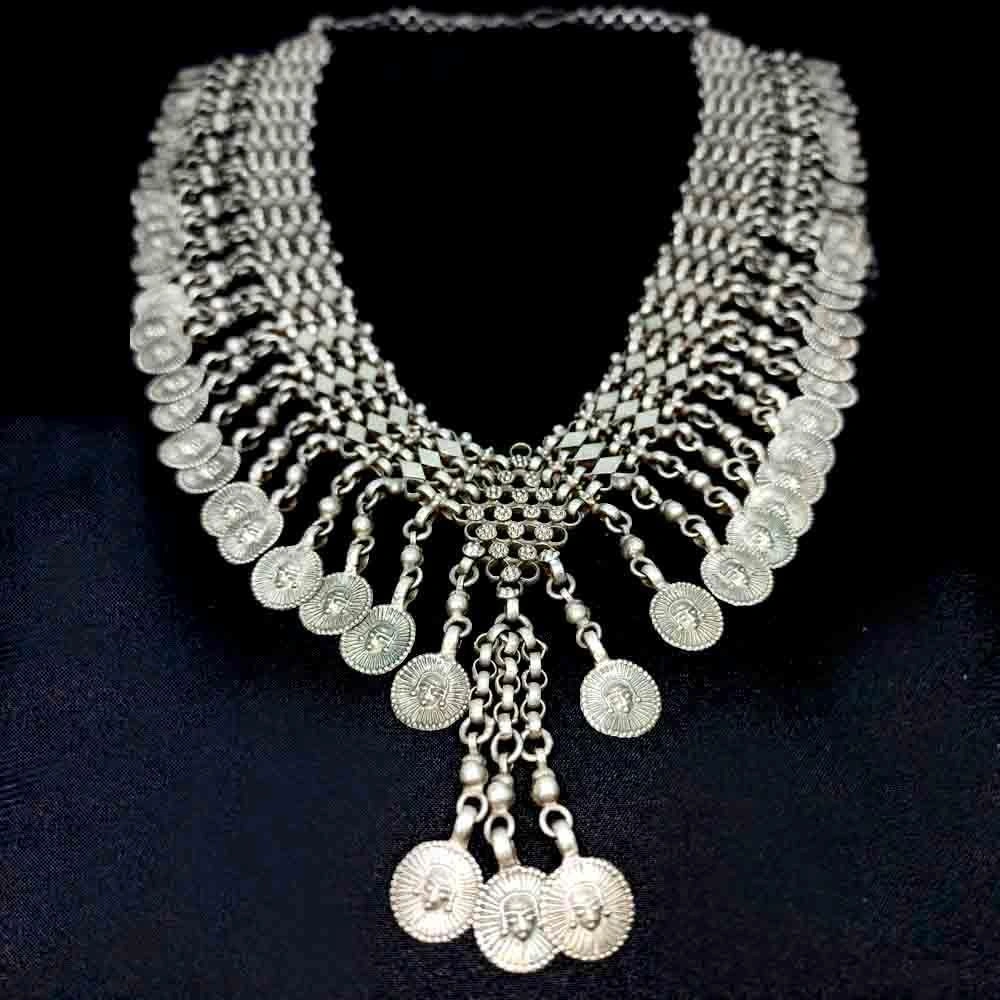
Spiti’s jewellery tradition is rooted in both Tibetan and Pahari craft, and the pieces you find here look nothing like the jewellery sold in mainstream Indian markets. Turquoise and coral are the most revered stones in Tibetan culture turquoise is believed to carry protective properties and coral is associated with longevity.
Silver settings often feature the lotus, the dragon, or the endless knot. Traditional Spitian women’s jewellery includes large statement necklaces, chunky bangles, and earrings meant to be worn at festivals and community ceremonies. These are among the most distinctive things to buy in Spiti Valley if you want something genuinely wearable and culturally meaningful.
| Where to Buy | Kaza market stalls; select jewellery shops near the main bus stand in Kaza |
| Best Time to Shop | Morning; less crowded, easier to examine pieces carefully |
| Approx Price | Small rings and earrings ₹300–1,000; necklaces ₹800–4,000; premium turquoise-set pieces higher |
| Speciality | Hand-engraved pieces will have slight irregularities under close examination; perfectly uniform engravings indicate machine production |
6. Buddhist Statues and Singing Bowls
Small statues of the Buddha, Tara, Guru Padmasambhava, and other Buddhist figures are sold throughout Spiti, ranging from simple clay figurines to detailed brass castings. These are not ornamental objects made for tourists, they are the same devotional items that Spitian households use in their home shrines.
Singing bowls, made from a mix of copper, tin, and other metals, produce a sustained ringing tone when struck or rimmed with a wooden mallet. They are used in meditation practice and in traditional healing ceremonies. A well-made singing bowl has a full, resonant tone that settles the nervous system. If you are buying one, always test it in the shop by striking it gently.
| Where to Buy | Key Monastery gift shop is the most reputable source; Kaza market shops also carry a good range |
| Best Time to Shop | Afternoon visit to Key Monastery combines sightseeing with shopping |
| Approx Price | Clay figurines ₹500–1,500; brass statues ₹1,000–8,000; singing bowls ₹600–4,000 depending on size and metal quality |
| Speciality | Key Monastery shop stocks items made by or sourced from monks, with a level of authenticity that is hard to match in commercial stalls |
Before heading to the monastery, go through the Key Monastery guide for visiting hours, entry details, and what to expect on the premises.
7. Mala Beads
A mala is a strand of 108 beads used in Buddhist and Hindu meditation practice for counting mantras. In Spiti, you can find malas made from materials that are genuinely sourced from the region or from the broader Himalayan tradition yak bone, bodhi seeds, rudraksha, and semi-precious stones including amethyst, rose quartz, and black tourmaline.
Malas from Spiti tend to be more substantial in weight and material than the lightweight tourist malas sold in lowland markets. They make meaningful gifts for anyone with an interest in meditation, yoga, or Buddhist practice.
| Where to Buy | Kaza market stalls, Tabo monastery shop, Key Monastery shop |
| Best Time to Shop | Any time; monastery shops open after morning prayers, usually by 10 AM |
| Approx Price | Seed or wood malas ₹200–600; stone malas ₹600–2,500; yak bone malas ₹800–2,000 |
| Speciality | Monastery shops source malas with care for material authenticity; ask which material would suit your intended purpose |
8. Dried Apricots and High-Altitude Dry Fruits
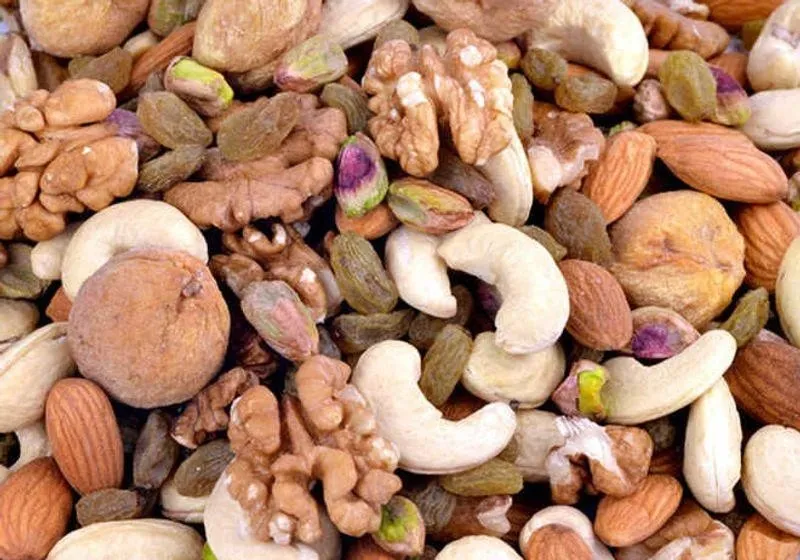
The apricot orchards of Spiti and neighbouring Kinnaur produce fruit that is dried under some of the most intense high-altitude sun in India. The result is a dried apricot that is more concentrated in flavour, deeply sweet, slightly tart, with a chewy density than anything you will find in a Delhi supermarket.
These are sun-dried without sulphur or chemical preservatives, which means they are darker and less visually uniform than commercial versions but far more flavourful. Alongside apricots, you can find locally grown almonds, dried wild berries, and occasionally walnuts from nearby valleys. These travel well and make ideal edible gifts with a genuine provenance story attached to them.
| Where to Buy | Village-level roadside stalls along the Kaza-Manali route; Kaza market; direct from orchard families in Losar and Tabo |
| Best Time to Shop | Late summer (August–September) for the freshest newly dried stock |
| Approx Price | Dried apricots ₹300–600/kg; almonds ₹600–1,200/kg; mixed dry fruit packs ₹400–900 |
| Speciality | Buying directly from village stalls means the money goes straight to farming families with no middlemen involved |
9. Hand-Knitted Caps, Gloves, and Socks
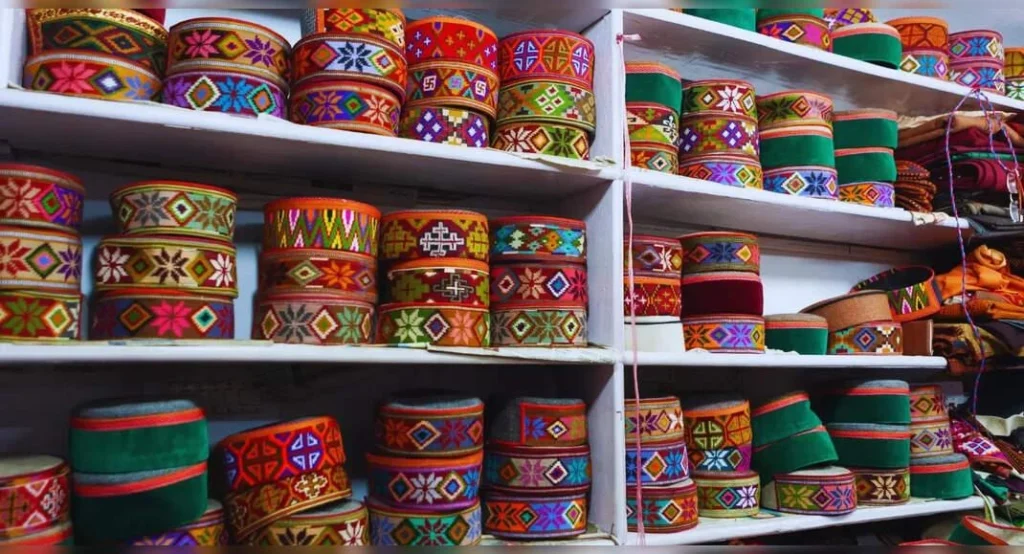
Spiti’s extreme winters temperatures drop below minus 20°C in the high valleys mean that the locals have perfected functional knitwear over generations. Caps, gloves, mittens, and thick socks knitted by women in self-help groups are among the cheapest and most practical things to buy in Spiti Valley.
The patterns vary by village and by the individual knitter, so no two pieces are exactly identical. Children’s designs often include animal motifs such as yak, snow leopard, ibex that are distinctive to this region. These items are inexpensive enough to buy in multiples, compact enough to stuff into any bag, and warm enough to be genuinely useful.
| Where to Buy | Women’s SHG stalls in Kaza; craft stalls near Key Monastery parking area; village-level shops in Kibber and Chicham |
| Best Time to Shop | Morning to early afternoon |
| Approx Price | Socks ₹150–350/pair; caps ₹150–400; gloves ₹200–500 |
| Speciality | Items sold at SHG stalls directly support women’s livelihoods in remote villages; the quality is genuinely superior to commercial knitwear at the same price |
10. Herbal Teas and Mountain Herb Products
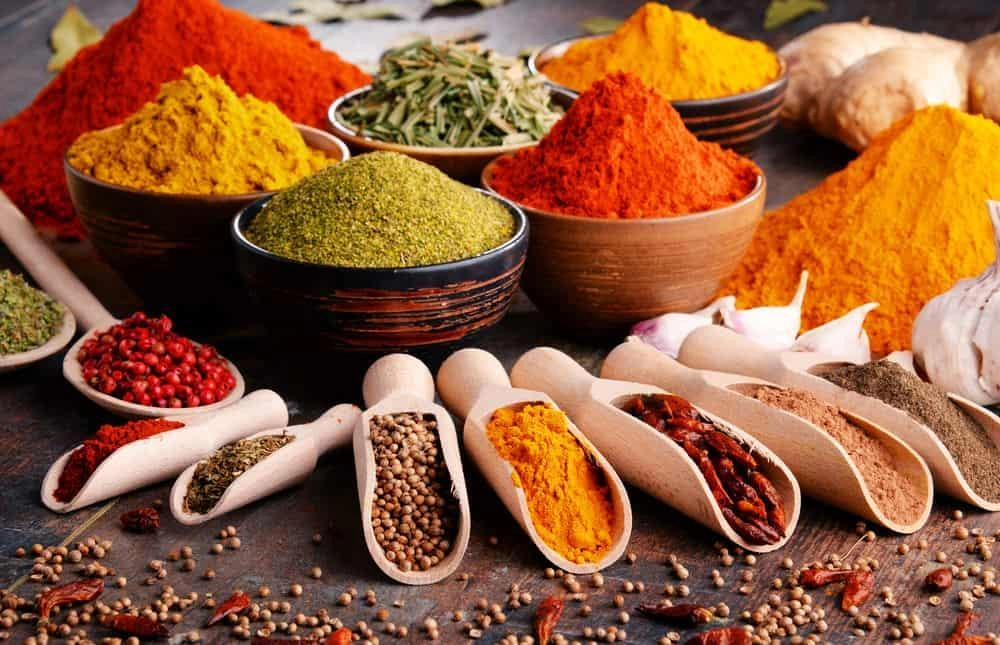
Spiti’s clean, high-altitude environment produces herbs and plants with significantly higher active compound concentrations than their lowland equivalents. Local producers and women’s cooperatives collect and dry these herbs to make teas and infusions: chamomile, wild mint, nettle, Brahmi, and various rhododendron-based blends. Seabuckthorn tea is the most widely available and well-researched.
These teas make excellent, lightweight gifts and pack into almost no space in your bag. Some cooperative shops also sell locally made herbal balms, lip care products, and skincare oils using apricot seed oil and wild herb extracts practical items for the dry-skin conditions of high altitude.
| Where to Buy | Organic product shops and women’s cooperative stores in Kaza; occasionally available at guesthouse reception desks |
| Best Time to Shop | Any time; stock is consistent throughout tourist season (June–October) |
| Approx Price | Herbal tea pouches ₹120–500; balms and skincare ₹200–600 |
| Speciality | Small-batch cooperative products have higher herb concentrations than commercial brands; look for handwritten or simple printed labels indicating local production |
11. Tsampa (Roasted Barley Flour)
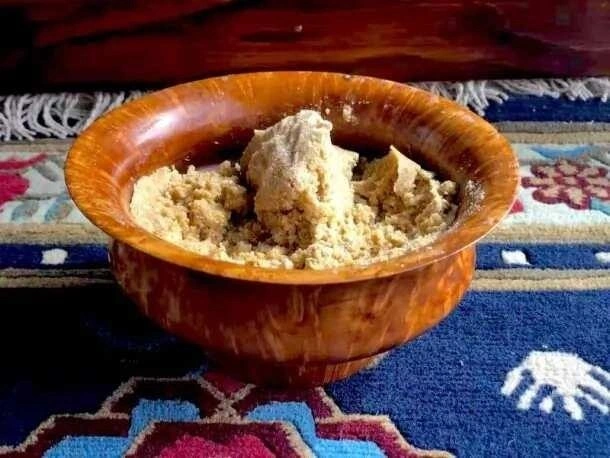
Tsampa is the most basic staple food of Spiti and the wider Tibetan cultural region roasted barley flour that is mixed with butter tea, water, or milk to form a paste eaten at every meal. It is also used in ritual food offerings and has deep cultural significance. Buying tsampa from Spiti means taking home a food that has sustained the people of this valley through its harsh winters for thousands of years.
It is a unique, genuinely local food product with a nutty, roasted flavour unlike ordinary flour. Tsampa can be used at home in smoothies, porridge, and flatbread. It travels well, is inexpensive, and is the kind of authentic culinary souvenir that most visitors to Spiti overlook entirely.
| Where to Buy | Local grain shops in Kaza market; village shops in Losar and Tabo |
| Best Time to Shop | Any time; available year-round in local provisions stores |
| Approx Price | ₹80–250 per packet depending on quantity |
| Speciality | Buy from shops that stock locally grown barley from Spiti Valley farms rather than commercial brands |
12. Pashmina Shawls
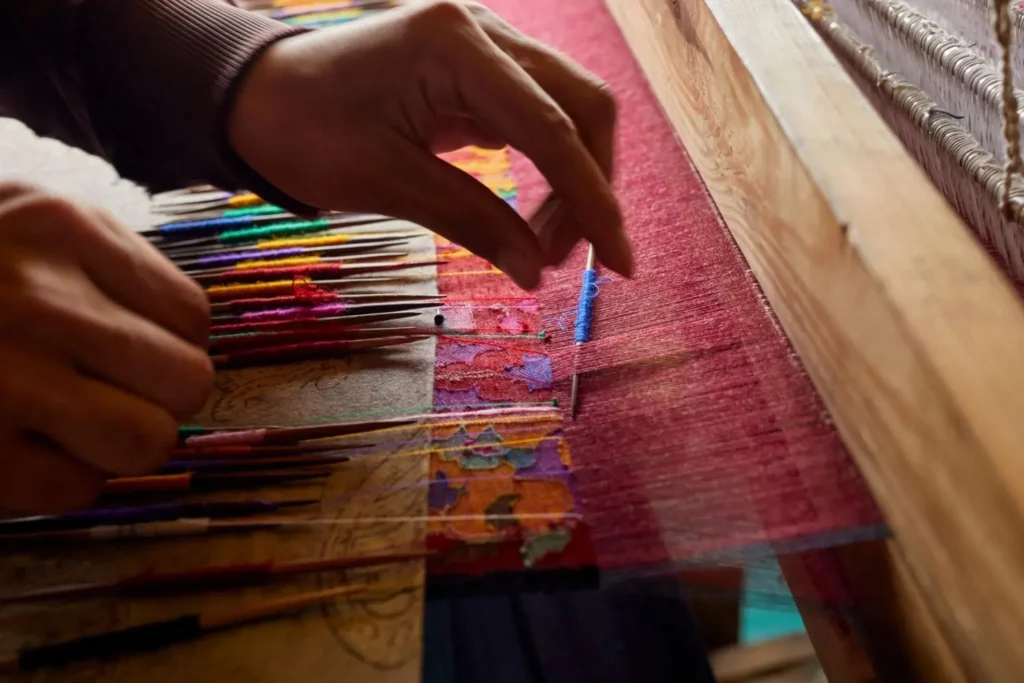
While Pashmina’s most famous retail market is Kashmir, Spiti sits within the broader Himalayan supply chain for this fibre the Changthangi goats that produce the finest raw pashmina graze the high-altitude plateaus of Ladakh and the Tibetan borderlands, not far from Spiti. Several shops in Kaza sell pashmina shawls at prices more competitive than Kashmiri tourist markets.
The softness and warmth of a genuine pashmina spun from the fine inner undercoat of the Changthangi goat is unmistakable. It is significantly lighter and softer than wool while being warmer. As with all pashmina purchases, price is the most reliable quality indicator: anything under ₹2,000 claiming to be pure pashmina almost certainly contains synthetic fibres.
| Where to Buy | Textile shops in Kaza market; occasionally at cooperative stalls |
| Best Time to Shop | Morning for unhurried browsing and comparison |
| Approx Price | ₹2,500 – ₹15,000 for authentic handwoven pieces |
| Speciality | The burn test is reliable genuine pashmina and wool smells of burnt hair when a thread is held to a flame; synthetic blends smell of plastic |
Best Shopping Markets and Places in Spiti Valley
Spiti Valley shopping does not happen in organised commercial districts. It is spread across the main town of Kaza, monastery gift shops, village cooperatives, and roadside stalls operated by farmers and artisans. Understanding where to look is as important as knowing what to buy.
Kaza Main Market
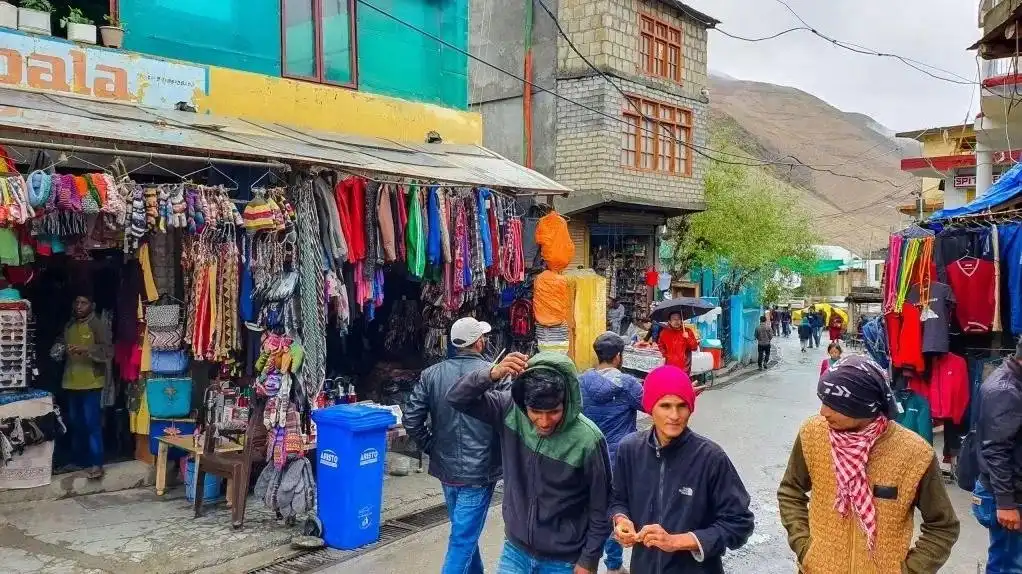
Kaza is the administrative hub of the valley, Kaza being the largest and most varied shopping destination in Spiti. The market runs along a short stretch of road near the town’s main bus stand and contains a mix of local provision shops, craft stalls, and dedicated souvenir stores.
You can find yak wool products, thangka paintings, Buddhist artefacts, prayer flags, Tibetan jewellery, local food products, and seabuckthorn goods all within walking distance of each other. Bargaining is gentle and generally accepted. The market is compact enough to cover in a couple of hours but worth at least a full morning’s exploration to compare quality across different stalls. Cash is essential.
Women’s Self-Help Group (SHG) Cooperatives in Kaza
Some of the best products in Spiti are not sold in any shop; they are sold directly by the women who made them, through self-help group stalls and cooperative outlets in and around Kaza. These cooperatives produce handmade knitwear, herbal teas, seabuckthorn products, apricot oil skincare, and woven items. Prices are fair and transparent. Shopping here has a direct community impact; every purchase goes back into the livelihoods of women in some of the most remote villages in Himachal Pradesh. Look for cooperative signage; guesthouses and homestay owners in Kaza can also point you toward the right stalls.
Key Monastery Gift Shop
Key Monastery perched dramatically on a hilltop above the Spiti River, is the largest and most active monastery in the valley. Its gift shop carries a range of Buddhist artefacts, statues, prayer items, thangkas, and textiles that are either made by monks or carefully sourced for authenticity.
The spiritual significance of items bought here is considered intact because of the monastery context. It is not a large commercial operation, the shop is modest in size and the range changes over the season. But for items like singing bowls, prayer wheels, and small Buddhist statues, Key Monastery is the most reliable source in the entire valley for quality and authenticity.
Tabo Market and Monastery Shop
Tabo is home to the Tabo’s 10th-century monastery complex, often called the Ajanta of the Himalayas, with murals and stucco sculptures of extraordinary age and significance. The small market in Tabo town and the monastery’s own gift shop stock items that reflect the town’s position as a centre of Buddhist learning. You can find locally produced herbal teas, handwoven items, and Buddhist texts here.
Tabo’s market is quieter and less commercial than Kaza, which means you can take your time, the sellers are less rushed, and the products tend to have a slightly more local character. Good for mala beads, prayer items, and books on Buddhist history.
Roadside Village Stalls on the Kaza-Manali Route
Some of the most authentic shopping in Spiti happens not in any market but at small roadside stalls operated by farming families along the Manali-Kaza highway. These stalls appear near Losar, Rangrik, and the approach to the Kunzum Pass. They sell sun-dried apricots, fresh apricots in season, locally made jams, dried herbs, and occasionally handmade woolen items.
Prices are direct-from-producer, which means significantly cheaper than Kaza market for food items. These stalls accept only cash. If you are driving through, always stop at a few they often have products you will not find anywhere else, and the context of buying them directly from the family that grew them makes them considerably more meaningful.
Tips for Smart Shopping in Spiti Valley
Always carry cash. This is the single most important rule for shopping in Spiti Valley. Virtually all small market stalls, village shops, cooperative outlets, and monastery gift shops operate on cash only. ATMs exist in Kaza but frequently run out of cash during peak tourist season (June–September). Whether you are coming in from Shimla or Manali, withdraw enough cash before you enter the valley. A rough guide: budget ₹3,000–5,000 for shopping if you plan to buy a few items; ₹8,000–15,000 if you want quality woolens, a thangka, and food products.
Test singing bowls before buying. Every singing bowl sounds different. Strike the bowl gently with the wooden mallet and let it ring. A high-quality bowl produces a rich, sustained tone that you can feel as much as hear. A thin or flat tone indicates lower-grade metal composition. Never buy a singing bowl without testing it.
Buy food products from cooperatives, not commercial labels. Several commercial brands have packaged seabuckthorn and herbal products under labels that suggest local Spitian production but are actually manufactured and blended outside the valley. The real thing comes from small cooperative and cottage industry producers with simple, handwritten or printed labels. Ask where the product was made and by whom.
Bargaining is gentle and brief. Spiti is not a hard-bargaining culture the way some Rajasthani or tourist markets are. Polite negotiation suggesting 10–20% below the asking price is generally accepted at market stalls. Pushing hard for large discounts is both culturally inappropriate and economically harmful in a community that earns very little. Pay fair prices.
Pack fragile items with care. Singing bowls, clay statues, and thangka paintings need to be wrapped carefully for the journey home. Kaza market shops will wrap purchases in newspapers; ask for extra padding if you are placing fragile items in checked baggage. Rolled thangkas travel better in a tube than folded flat.
Shop at cooperatives first. Women’s SHG and cooperative stalls are not always easy to spot but are worth finding. Guesthouse and homestay owners almost always know where they are. Buying there ensures your money goes directly to the community with no intermediary.
Common Shopping Mistakes to Avoid in Spiti Valley
Assuming monastery gift shops are overpriced. Many travellers skip monastery shops thinking they are tourist-priced. In Spiti, this is often the opposite of the truth. Key Monastery’s shop and Tabo’s monastery outlet price items fairly and prioritise authenticity over margin. They are usually better value than commercial stalls for Buddhist artefacts.
Buying thangkas without asking about their origin. The Spiti market carries both genuinely hand-painted thangkas made by trained artists and printed reproductions that look similar from a distance. The price difference is enormous but the visual difference, to an untrained eye, is subtle. Always ask directly: is this hand-painted or printed? A genuine artist’s thangka will cost significantly more and the seller will be happy to explain the difference.
Leaving shopping until the last day. In a destination as remote as Spiti, time goes quickly and the best products at cooperative stalls sell out early in the season. Do not leave your shopping until the final morning of your trip. Explore the Kaza market on your first full day, identify what you want, and come back the next morning with cash in hand.
Ignoring the roadside village stalls. Many travellers drive past these stalls without stopping, either in a hurry or uncertain about the quality. They are missing some of the best food products available in the valley. Dried apricots and local jams from roadside stalls are fresher, cheaper, and more genuinely local than anything you will find packaged in a Kaza shop.
Buying jewellery without checking the metal. Some stalls sell Chinese-manufactured jewellery using the same turquoise and coral colour combinations as traditional Tibetan pieces, but with base metal settings and synthetic stones. Check that the silver has a hallmark where possible; genuine turquoise has a cool, waxy feel that glass imitations do not replicate.
For anyone fitting shopping into your itinerary alongside sightseeing and travel days, Trip Guru Go’s destination guides offer practical, well-researched information on routes, best time to visit, accommodation, and what to do on each stop. The shopping culture in Spiti changes with the season and the accessibility of different routes detailed guidance makes a real difference in a destination this remote.
Conclusion
Shopping in Spiti Valley is unlike shopping anywhere else in India. There is no polished retail environment here, no government emporium with fixed prices and air conditioning, no curated tourist bazaar. What Spiti offers instead is something rare: the opportunity to buy things that are genuinely made by the people who live in this valley, from the materials this landscape provides, at prices that reflect real effort rather than tourist expectation.
The best things to buy in Spiti Valley carry the cold of the high-altitude desert in them. A yak wool blanket knitted by a woman in Kibber. A thangka painted by an artist who trained in the same tradition as the monks who decorated planning your trip to Spiti Valley and want to know what to budget for shopping, what to prioritise, and which routes bring you closest to the best roadside stalls, Trip Guru Go has a complete guide to help you get it right.
Take the time to find the cooperative stalls and monastery gift shops. Carry enough cash. Ask questions about what you are buying. The stories attached to the things you bring home from Spiti will outlast the items themselves, and that is worth far more than any souvenir you could pick up in a tourist market.
Frequently Asked Questions
What is famous in Spiti Valley to buy?
Spiti Valley is most famous for yak wool products (shawls, blankets, socks), thangka paintings, Buddhist artefacts (singing bowls, prayer flags, prayer wheels, statues), seabuckthorn juice and jam, hand-knitted woolens from women’s cooperatives, Tibetan silver jewellery, and sun-dried apricots. These are the products most directly tied to Spiti’s culture, landscape, and artisan traditions.
What is the souvenir of Spiti?
The most iconic souvenirs from Spiti Valley are prayer flags (which carry genuine cultural and spiritual significance), yak wool scarves or blankets, thangka paintings, and seabuckthorn products. A singing bowl from Key Monastery gift shop is also a meaningful, universally appreciated souvenir. These represent the valley’s Buddhist heritage and its unique high-altitude agricultural ecology.
What to carry in Spiti Valley?
For shopping purposes: carry enough cash (₹5,000–15,000 depending on how much you plan to buy), since most stalls and cooperatives do not accept cards. For the trip in general: warm layers even in summer, altitude medication, a good water bottle, and snacks for long driving days. Mobile and internet connectivity is limited to downloading offline maps before entering the valley.
What is special in Spiti Valley?
Spiti Valley is special for several reasons: it is one of the highest inhabited regions in India, with an ancient Buddhist monastic culture stretching back over 1,000 years at sites like Tabo. It has a distinct Tibetan-influenced cultural identity, a stark high-altitude desert landscape, some of India’s clearest night skies, and a community of artisans and farmers producing goods found nowhere else in the country.
What to buy in Kaza specifically?
Kaza is the best place in Spiti for thangka paintings, Buddhist artefacts, Tibetan jewellery, prayer items, seabuckthorn products, yak wool goods, and tsampa. The main market near the bus stand covers most categories. Women’s cooperative stalls near the market area are the best source for handmade knitwear and herbal products. Key Monastery, 12 km from Kaza, has the best gift shop for authentic spiritual artefacts.
Are there cheap things to buy in Spiti?
Yes, Spiti has excellent value across several categories. Hand-knitted socks from cooperative stalls start at ₹150. Prayer flags cost ₹50–200. Tsampa packets are ₹80–250. Seabuckthorn tea costs ₹150–400. Dried apricots from roadside village stalls are ₹300–500/kg. Even quality items like singing bowls and yak wool scarves are significantly cheaper than comparable items sold in Delhi or tourist-facing markets in Manali or Shimla.
Where can I find authentic Spiti Valley shopping spots?
The best authentic shopping in Spiti is at Kaza main market, women’s SHG cooperative stalls in Kaza, the Key Monastery gift shop, Tabo monastery shop, and roadside village stalls along the Kaza-Manali highway. Guesthouse and homestay owners in Kaza are reliable sources of local knowledge about where specific items are best purchased and which stalls are run directly by local artisans.

Abdullah Khan specializes in adventure travel across Spiti Valley and the high-altitude regions of Himachal Pradesh. He writes about road trips, bike expeditions, hidden villages, monasteries, and offbeat Himalayan experiences. His guides focus on route planning, acclimatization, travel safety, and the best experiences across Spiti Valley.