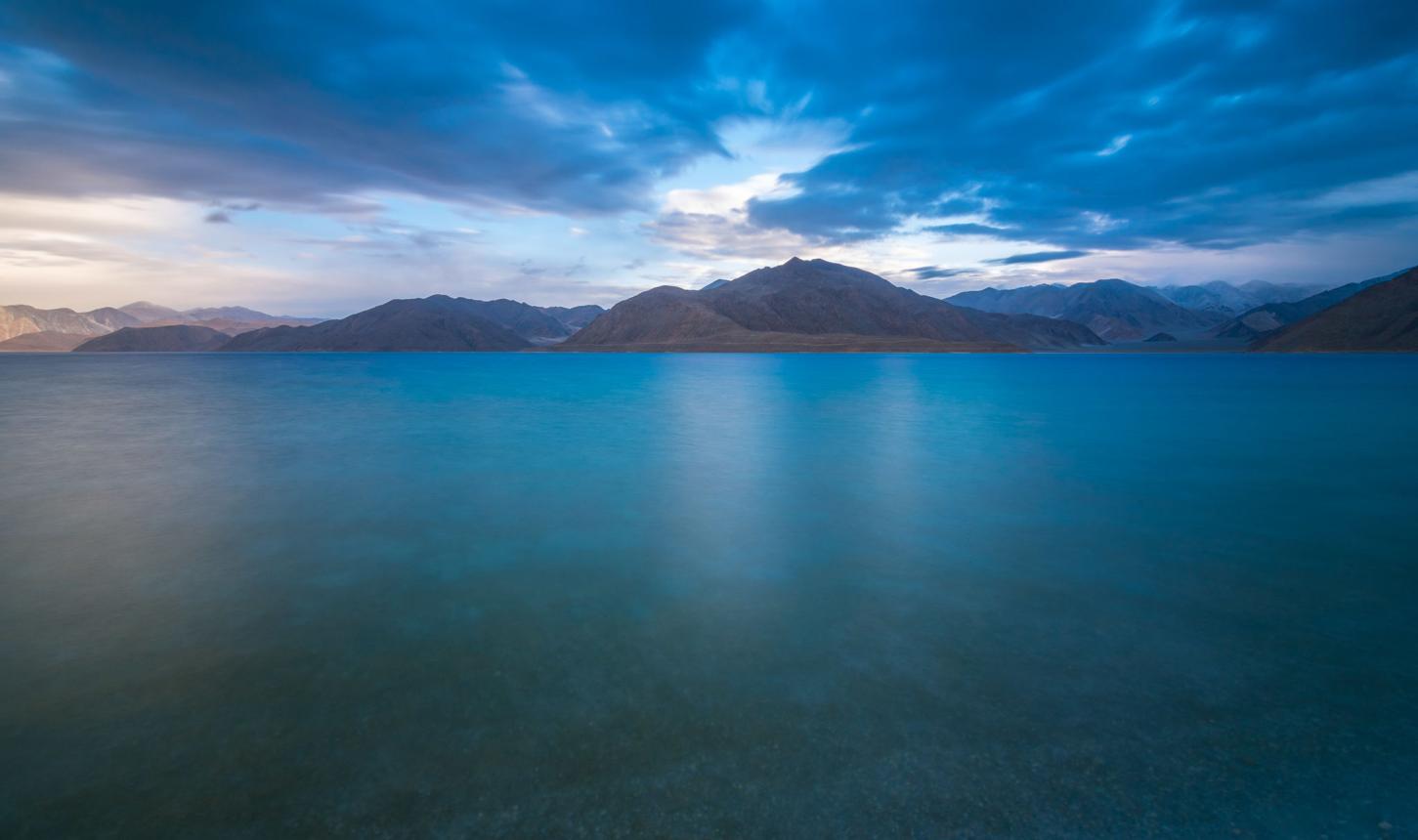
Planning a trip to Ladakh is exciting, but one thing every traveller should prepare for is altitude sickness, also known as Acute Mountain Sickness (AMS). Unlike most hill stations in India, Ladakh lies at a much higher altitude where oxygen levels are significantly lower. Whether you’re flying directly to Leh or travelling by road through the Manali-Leh or Srinagar-Leh Highway, your body needs time to adjust to the thin air.
The good news is that altitude sickness is largely preventable. With the right itinerary, enough acclimatization time and a few simple precautions, you can enjoy your Ladakh trip safely. This guide explains what AMS is, why it happens, common symptoms, who is at risk and how to prevent altitude sickness before it affects your journey.
What is Altitude Sickness (AMS)?
Altitude Sickness, medically known as Acute Mountain Sickness (AMS), is a condition that occurs when your body cannot adapt quickly enough to high-altitude environments where oxygen levels are lower than at sea level.
Leh is located at an altitude of approximately 3,500 metres (11,500 feet) above sea level. At this elevation, every breath contains significantly less oxygen than what your body is used to at lower altitudes.
When you reach Ladakh too quickly, especially by flight, your body doesn’t get enough time to adjust. This process of adapting to lower oxygen levels is called acclimatization.
Without proper acclimatization, travellers may develop symptoms ranging from mild headaches to severe breathing difficulties.
The important thing to remember is that AMS can affect anyone, regardless of age or fitness level.
Why Does Altitude Sickness Happen in Ladakh?
Ladakh is one of India’s highest tourist destinations. While the breathtaking landscapes attract thousands of visitors every year, the altitude creates unique challenges.
Several factors increase the risk of AMS:
● Rapid gain in altitude
● Reduced oxygen levels
● Insufficient acclimatization
● Overexertion after arrival
● Dehydration
● Lack of sleep
Oxygen Availability at Different Altitudes
| Location | Approx. Altitude | Oxygen Availability |
| Sea Level | 0 m | 100% |
| Manali | 2,050 m | Around 78% |
| Leh | 3,500 m | Around 65% |
| Pangong Lake | 4,250 m | Around 59% |
| Tso Moriri | 4,530 m | Around 57% |
| Khardung La | 5,359 m | Around 50% |
As altitude increases, the air pressure drops, making it harder for your body to absorb oxygen. That’s why travellers often feel tired even after simple activities like walking upstairs.
Who is Most Likely to Get AMS?
One of the biggest myths about altitude sickness is that only older people or those with poor fitness are affected.
In reality, anyone can develop AMS.
People who are more likely to experience symptoms include:
● First-time visitors to Ladakh
● Travellers flying directly to Leh
● Bike riders covering long distances in a short time
● Trekkers climbing rapidly
● Families travelling with young children
● Senior citizens
● People with heart or lung conditions
Even marathon runners and athletes can develop altitude sickness because fitness does not protect your body from low oxygen levels.
Common Symptoms of Altitude Sickness
Symptoms usually appear within the first 6 to 24 hours after reaching a high-altitude destination.
| Mild AMS | Moderate AMS | Severe AMS |
| Mild headache | Persistent headache | Severe headache |
| Fatigue | Vomiting | Difficulty breathing |
| Dizziness | Loss of coordination | Confusion |
| Poor appetite | Extreme weakness | Inability to walk |
| Difficulty sleeping | Severe nausea | Loss of consciousness |
Mild Symptoms
Most travellers experience:
● Headache
● Loss of appetite
● Tiredness
● Light dizziness
● Poor sleep
These symptoms usually improve with proper rest and hydration.
Moderate Symptoms
If symptoms worsen, travellers may experience:
● Constant headache
● Vomiting
● Difficulty walking
● Shortness of breath even while resting
Medical attention should be considered if these symptoms do not improve.
Severe Symptoms
Severe AMS is a medical emergency.
Signs include:
● Extreme breathlessness
● Confusion
● Blue lips or fingertips
● Loss of balance
● Unconsciousness
Immediate descent to a lower altitude and emergency medical treatment are essential.
How to Prevent Altitude Sickness in Ladakh
Fortunately, preventing AMS is much easier than treating it.
Rest After Reaching Leh
Avoid sightseeing immediately after landing. Spend your first 24 to 48 hours relaxing so your body can adjust.
Stay Hydrated
Drink at least 3–4 litres of water every day. High altitude causes faster dehydration.
Avoid Alcohol and Smoking
Alcohol and smoking reduce your body’s ability to absorb oxygen and slow down acclimatization.
Eat Light, High-Carbohydrate Meals
Choose soups, rice, fruits and simple meals instead of oily or heavy foods.
Avoid Heavy Exercise
Do not run, trek or climb stairs unnecessarily during the first two days.
Sleep Well
A good night’s sleep helps your body adapt to the lower oxygen levels.
Ascend Gradually
If travelling by road, avoid sleeping at significantly higher altitudes without giving your body enough time to acclimatize. Riders and drivers taking the Manali route to Ladakh should pace their overnight halts carefully, since this side gains height faster than the Srinagar approach.
Flying to Leh vs Road Trip: Which is Better for AMS?
Many travellers believe reaching Leh by road completely prevents altitude sickness. However, that’s not always true. If you haven’t finalized how you’re getting to Ladakh yet, it’s worth going through a planning guide for a Delhi to Ladakh trip before deciding between flying in and driving up.
| Factor | Flight to Leh | Srinagar Route | Manali Route |
| Altitude Gain | Very Fast | Gradual | Fast after Jispa |
| AMS Risk | Moderate | Moderate | Highest |
| Best For | Short Trips | Comfortable Road Trips | Experienced Road Trippers |
| Acclimatization Needed | 48 Hours | Yes | Yes |
Flying to Leh
Flying is the fastest way to reach Ladakh, but it also causes the quickest gain in altitude. Resting for two days after landing is essential.
Srinagar-Leh Highway
This route climbs gradually and is generally considered easier for acclimatization than the Manali route. If you’re mapping out your journey from the capital, our complete guide to planning
Ladakh trip from Delhi covers both route options in detail.
Manali-Leh Highway
Although incredibly scenic, this route crosses multiple high-altitude passes above 5,000 metres. Travellers are more likely to experience AMS if they rush the journey.
Should You Take Diamox for Ladakh?
Diamox (Acetazolamide) is a prescription medicine that helps your body adapt to high altitude more quickly.
However, it is not compulsory for every traveller.
Diamox May Be Helpful If:
● You have experienced AMS before.
● You’re trekking or climbing to very high altitudes.
● Your doctor recommends it.
Avoid Taking Diamox Without Medical Advice
Diamox may cause side effects such as:
● Frequent urination
● Tingling in fingers and toes
● Mild dizziness
● Changes in taste
Always consult your doctor before using Diamox, especially if you have allergies, kidney problems, or other medical conditions.
Should You Carry an Oxygen Cylinder?
Many travellers carry portable oxygen cans while visiting Ladakh.
These can provide temporary relief but should never replace proper acclimatization.
Portable Oxygen Can
Suitable for short-term support during mild discomfort.
Oxygen Cylinder
Recommended for emergency situations and long road trips through remote areas.
Oxygen Concentrator
Available in hospitals and some hotels but not practical for regular sightseeing.
Remember, oxygen helps manage symptoms but does not cure altitude sickness. If symptoms become severe, descend immediately to a lower altitude and seek medical help.
What to Do If You Get Altitude Sickness?
If you develop AMS symptoms, don’t ignore them.
Step 1: Stop climbing to higher altitudes.
Step 2: Rest completely.
Step 3: Drink plenty of water and stay hydrated.
Step 4: If available, use supplemental oxygen.
Step 5: If symptoms worsen or don’t improve within a few hours, descend at least 500–700 metres.
Step 6: Seek medical attention immediately if you experience severe breathlessness, confusion, difficulty walking, or loss of consciousness.
Foods That Help During Acclimatization
Eating the right foods can support your body’s adjustment to high altitude.
Eat More Of:
● Warm soups
● Fresh fruits
● Rice
● Chapati
● Oats
● Potatoes
● Dry fruits
● High-carbohydrate meals
Drink:
● Water
● ORS
● Lemon water
● Herbal tea
Avoid:
● Alcohol
● Smoking
● Heavy fried food
● Excess caffeine
Medical Checklist Before Your Ladakh Trip

Carry these essentials before travelling to Ladakh:
● Personal prescription medicines
● Paracetamol
● ORS sachets
● Basic first-aid kit
● Pulse oximeter
● Sunscreen (SPF 50+)
● Lip balm
● Sunglasses
● Thermals and warm clothing
● Water bottle
● Doctor’s advice if you have heart or lung conditions
Common Myths About Altitude Sickness
Myth 1: Only Older People Get AMS
False. Anyone can develop altitude sickness.
Myth 2: Fitness Prevents AMS
Even athletes can suffer from altitude sickness.
Myth 3: Diamox Guarantees Safety
Diamox helps with acclimatization but doesn’t eliminate the risk.
Myth 4: Oxygen Cans Solve Everything
Oxygen provides temporary relief but cannot replace proper acclimatization.
Myth 5: One Day of Rest Is Enough
Most travellers should spend at least 48 hours in Leh before visiting higher-altitude destinations.
Conclusion
Altitude sickness is one of the biggest challenges travellers face in Ladakh, but it should never stop you from exploring this incredible destination. The key is to understand your body’s limits, give yourself enough time to acclimatize, stay hydrated, and avoid rushing your itinerary.
Whether you’re flying to Leh or planning an adventurous road trip via Manali or Srinagar, following the right acclimatization schedule can significantly reduce the risk of Acute Mountain Sickness. Always pay attention to early symptoms and seek medical help if they become severe.
If you’re planning a hassle-free Ladakh adventure, Trip Guru Go offers well-planned fixed departure tours with acclimatization-friendly itineraries, ensuring you can explore Nubra Valley, Pangong Lake, Tso Moriri, and other iconic destinations safely while enjoying the journey to the fullest.
Frequently Asked Questions
Can children get altitude sickness?
Yes. Children can develop AMS, so proper acclimatization is essential.
Is Diamox necessary for every traveller?
No. Most travellers do not need Diamox if they follow a proper itinerary and acclimatize well.
How many days should I acclimatize in Leh?
Spend at least 2 days in Leh before travelling to Nubra Valley, Pangong Lake, or Tso Moriri.
Is altitude sickness dangerous?
Mild AMS is common, but severe AMS can become life-threatening if ignored.
Can I visit Pangong Lake on the first day?
No. It’s best to wait until your body has acclimatized.
Should I carry an oxygen cylinder?
It’s useful for emergencies, especially on road trips, but it should not replace acclimatization.
Can I drink alcohol after reaching Leh?
Avoid alcohol for the first 48 hours, as it increases the risk of dehydration and AMS.
Does everyone get altitude sickness?
No, but anyone can develop AMS regardless of age or fitness.
What is the normal oxygen level in Leh?
Because of the high altitude, oxygen saturation readings are often lower than at sea level, but symptoms are more important than the number alone.
Is the Manali-Leh Highway riskier for AMS?
Yes. It crosses several high-altitude passes, making proper planning and acclimatization even more important.