
Chandni Chowk Market shopping guide helps you plan your visit with confidence. This guide provides timings, prices, metro routes, and food spots in one convenient location. I want you to avoid confusion and save money during your first visit.
Many travelers enter Chandni Chowk without preparation. Therefore, they waste time, spend extra money, and get exhausted in narrow lanes. I walked through these crowded bazaars many times. My small mistakes helped me learn useful shortcuts, budget tips, and safe food choices.
Quick summary for first-time visitors:
- The market opens around 10 AM and closes around 8 PM
- Monday to Saturday open, Sunday mostly closed
- Best metro stations: Chandni Chowk, Lal Quila, Jama Masjid
- Best time slot: 10 AM to 1 PM
- Budget fabrics ₹80 to ₹3,500 per meter
- Safe street food spots near Paranthe Wali Gali and Natraj Dahi Bhalla
Now take a deep breath before stepping inside the market. The crowd looks heavy at first. However, once you understand the lanes and prices, Chandni Chowk feels exciting and rewarding.
Chandni Chowk Market History And Old Delhi Heritage
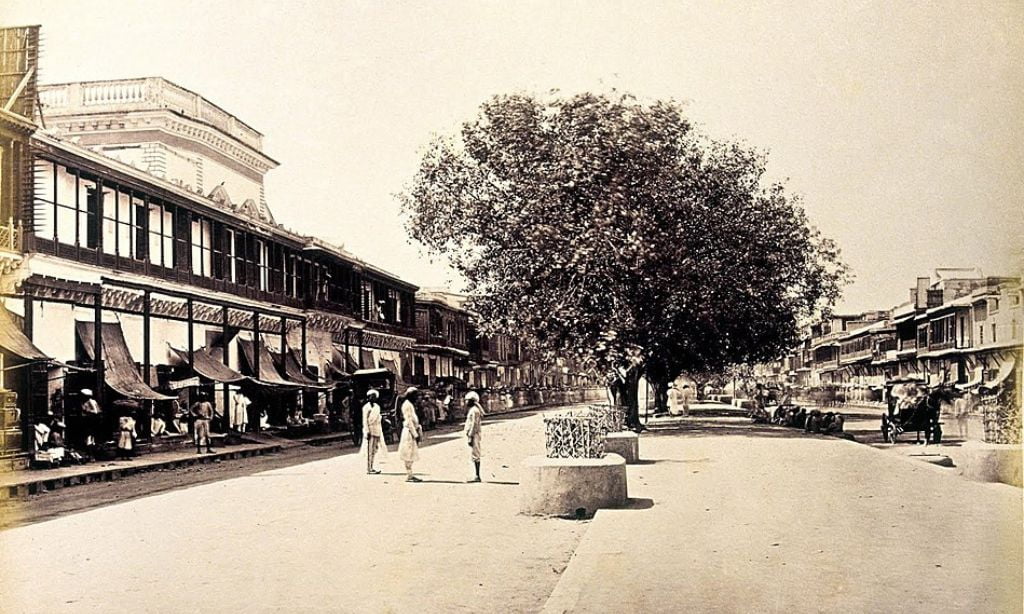
A quiet winter morning walk first brought me here. The air smelled of coal stoves and wet red stone. Old arches peeked through tangled wires. I stopped near the Lahori Gate and looked down the long spine of Chandni Chowk.
Built in the 1600s during Mughal rule, this market once had a moonlit water canal reflecting silver light at night. Princess Jahanara designed it as a grand shopping street linked to the Red Fort.
Today, the canal has vanished, yet the market still carries echoes of royal parades and jeweled caravans. A first-time visitor expects an old-world calm. The reality hits instantly. Horns, shop calls, and spice smoke pull you into a living maze.
If you want quick clarity, here is a simple snapshot of how it changed:
- Mughal royal bazaar for nobles
- Turned into a trade hub for merchants
- Expanded into wholesale markets
- Now, a chaotic but charming street shopping zone
The heritage remains visible in old havelis, temple bells, fading frescoes, and narrow kuchas hidden behind the main road. Pause for a moment and sense how centuries still breathe here.
Why Visit Chandni Chowk Market In Old Delhi
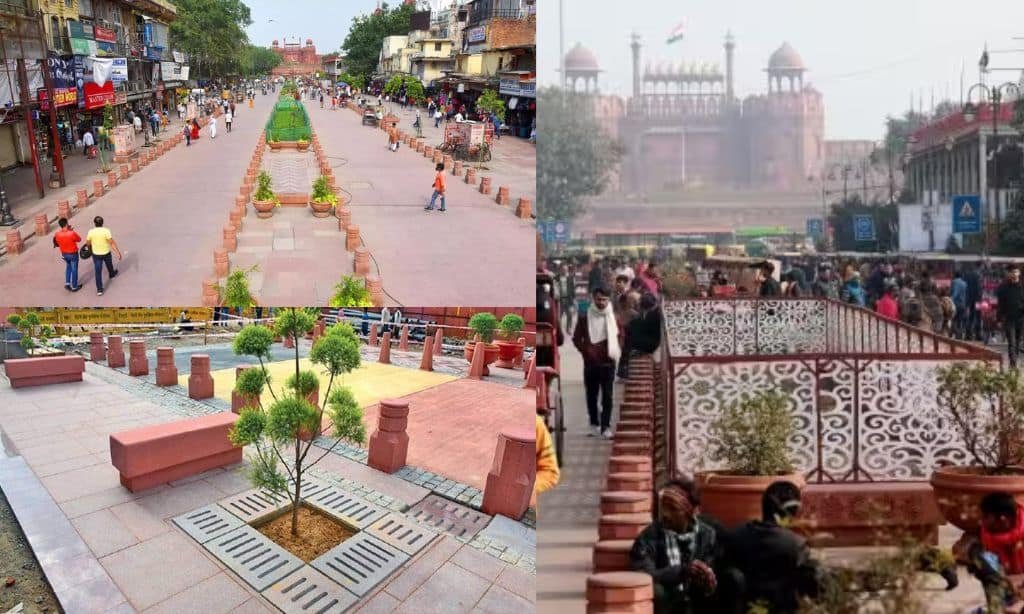
I stepped into Chandni Chowk on a winter morning. The smell of jalebis mixed with the smoke from street tandoors. Rickshaws crawled forward while vendors shouted prices. The chaos felt overwhelming at first.
Yet very soon, I felt a strange rhythm here. Markets like Dariba Kalan and Khari Baoli hold centuries of stories inside narrow lanes.
Travelers visit because Chandni Chowk brings history, food, and budget shopping together in one place.
Reasons to visit Chandni Chowk Market,
- Wholesale wedding and fabric markets
- The Mughal street plan is still visible today
- Famous food lanes packed with local taste
- Historic mosques, temples, and gurudwaras
- Spice and dry fruit prices rarely matched elsewhere
Expectation vs Reality: Many expect only crowds, but the markets reveal charm when you walk slowly.
I avoided the rush by reaching before 11 AM. Early hours felt calmer.
If you visit for the first time, carry light bags and keep cash handy.
Pause for a moment near Fatehpuri Masjid and breathe. The noise fades for a few seconds.
Chandni Chowk Market Timings And Weekly Closed Day
Check timings carefully before planning a visit. Small timing mistakes create crowd stress, long queues, and wasted money. A little preparation makes your day calm and enjoyable.
Quick Snippet Answer
- Opening time: around 10:00 AM
- Closing time: around 8:00 PM
- Closed day: Sunday
- Best time for first-time visitors: 10 AM to 1 PM
- Avoid narrow lanes after: 4 PM
Chandni Chowk Market Timings Table
| Detail | Time |
| Opening Time | 10:00 AM |
| Closing Time | 8:00 PM |
| Weekly Closed Day | Sunday |
| Peak Crowd Hours | 1 PM – 4 PM |
| Food Stall Hours | 10 AM – 9 PM approx |
| Best Bargaining Window | Weekday mornings before noon |
Best vs Avoid Time Slots
| Time Slot | What Happens |
| 10 AM – 1 PM | smooth movement and better deals |
| 1 PM – 4 PM | narrow lane blocks + long queues |
| 4 PM – 7 PM | traffic jams + rate hikes |
| after 7 PM | shutters closing, urgent buying pressure |
Real-World Situations Most Visitors Miss
- Parking lots near the Red Fort fill up after 11 AM
- Paranthe Wali Gali waits cross 30 minutes after 1 PM
- Fabric shopkeepers raise prices when evening rush increases
- Street food stalls reuse oil during peak crowds
- Lighting markets stay lively till late evening
- Rickshaw fare rises after 5 PM when traffic peaks
Different Timing Tips Based On Travel Purpose
| Traveler Type | Recommended Timing |
| Bridal or bulk shopping | reach before 11 AM |
| Street food lovers | between 11 AM and 1 PM |
| Budget travelers | weekday mornings |
| Foreign visitors | avoid after 6 PM |
| Families with kids | before lunch rush |
| Solo female travelers | Finish main shopping before sunset |
My Real Visit Tip
I reach around 10:30 AM, walk straight to Dariba Kalan, finish fabric and jewellery bargaining before the rush, then eat at Natraj or Old Famous Jalebi Wala before crowds build up. This timing protects energy and wallet both.
How To Reach Chandni Chowk Market (Metro, Bus, Auto, Car)
Chandni Chowk Market gets crowded fast. Smart arrival planning saves time, energy, and money. Follow these simple route choices based on your transport.
🚆 Metro Route To Chandni Chowk Market
Metro gives the smoothest and fastest entry into the market. You avoid traffic jams and parking stress.
Best Metro Stations
| Metro Station | Line | Exit Gate | Walking Time |
| Chandni Chowk | Yellow Line | Gate 5 (Old Delhi Railway Station side) | 8–12 mins |
| Lal Quila | Violet Line | Red Fort side exit | 4–6 mins |
| Jama Masjid | Violet Line | Gate 3 | 8–10 mins |
Step-by-step Walking Route From Metro
Follow these steps after exiting Gate 5 at Chandni Chowk station.
- Step outside and turn left.
- Follow the signboards to “Town Hall” or “Nai Sadak”.
- Walk straight for about 200–300 meters.
- Cross the first junction where carts block turns.
- Stay on the left side to avoid crowd pressure.
- Enter the jewellery lanes near Dariba Kalan.
- Deeper lanes lead toward Bhagirath Palace and Khari Baoli.
Walking slows after 1 PM because delivery carts enter the lanes.
🚖 Auto + E-Rickshaw Fare Expectations
Autos help when you carry shopping bags. Fares change with time and crowd.
Fare Summary Table
| Route | Expected Fare |
| Chandni Chowk Metro → Town Hall | ₹20–₹60 |
| Old Delhi Railway Station → Chandni Chowk | ₹40–₹90 |
| New Delhi Railway Station → Chandni Chowk | ₹100–₹150 |
| Rajiv Chowk (CP) → Chandni Chowk | ₹120–₹160 |
| Jama Masjid → Kinari Bazaar | ₹30–₹60 |
| Lal Quila → Chandni Chowk inner lanes | ₹20–₹40 |
Peak evening fares may rise 20–40 percent due to traffic. Ask for prepaid counters at metro exits to save money.
🚗 Parking Near Chandni Chowk Market
Parking inside inner lanes feels stressful. Roads stay narrow and jammed.
Choose these parking zones:
- Red Fort parking
- Jama Masjid parking
- Gandhi Maidan multilevel parking
Walking time from the parking to the main lanes stays between 6 and 15 minutes.
Parking areas fill up after 11 AM on weekends and festival days.
⏱ Crowd vs Movement Speed Table
| Time | Movement Speed |
| 10 AM – 1 PM | smooth walking |
| 1 PM – 4 PM | slow walking |
| after 4 PM | very slow and tiring |
Narrow lanes are blocked after 4 PM when delivery carts collect goods.
👨👩👧 Traveler-Specific Route Tips
| Traveler Type | Best Route Choice |
| Families | Lal Quila exit (wide road) |
| Quick shoppers | Chandni Chowk Gate 5 |
| Foreign visitors | Chandni Chowk station + prepaid auto |
| Budget travelers | Metro + e-rickshaw |
| Olders Peoples | parking at Red Fort, shortest walk |
Best Lanes And Markets Inside Chandni Chowk For Shopping
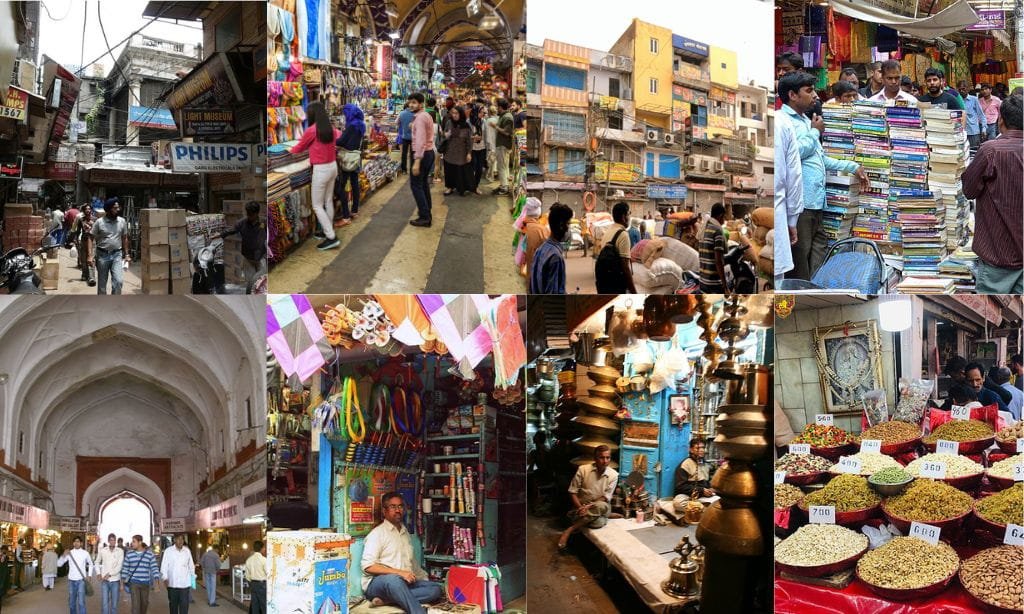
I still remember my first walk inside the Chandni Chowk market. Narrow lanes opened like hidden stories. Each lane specialized in different goods, so planning the route saved energy and money. A first-time visitor often feels lost in the crowd, but a little clarity turns the chaos into excitement.
Chandni Chowk has many narrow lanes. Each lane sells different goods. Knowing the right lane saves energy and helps you avoid confusion.
Quick Lane Summary Table
| Lane / Bazaar | What to Buy | Avg Price Range | Bargaining Level |
| Dariba Kalan | Silver and imitation jewellery | ₹250 – ₹5,000+ | 30–40 percent |
| Kinari Bazaar | Bridal laces, borders, kalire | ₹40 – ₹900 per meter | 30–50 percent |
| Nai Sarak | Books, registers, stationery | Low to moderate | 10–20 percent |
| Chawri Bazaar | Wedding cards + printing | Depends on quantity | 15–25 percent |
| Ballimaran | Footwear + sunglasses | ₹200 – ₹1,200 | 20–35 percent |
| Bhagirath Palace | Lighting + electronics | varies | 10–20 percent |
| Khari Baoli | Spices + dry fruits | market rate changes | 5–10 percent |
| Kucha Mahajani | Coins + antiques | varies by rarity | negotiable 5–25 percent |
| Cloth Market | Fabrics + brocade | ₹80 – ₹3,500 per meter | 25–45 percent |
How to move through these lanes smoothly
- Walk deeper for authentic prices.
- Ask for fixed price shops first for reference.
- Compare prices across two or three shops.
- Inner lanes quote lower rates than main road shops.
Movement slows after 1 PM because pull carts block narrow turns. A calm walk helps you notice real deals hidden inside the lanes.
Dariba Kalan silver jewellery market

The shine of handcrafted silver dazzles under soft yellow lights here. I noticed families choosing wedding ornaments with patience. Prices vary by weight and craftsmanship, so compare across shops.
Expectation vs reality: Many expect only expensive pieces. In reality, mid-range options exist if you walk deeper inside.
Beginner tip: Ask for purity hallmarks and written receipts.
Pause for a moment and feel the cool metal in your fingers before deciding.
Kinari Bazaar wedding shopping

Bright tassels, borders, kalire, and sequins fill every wall. Prices start low for basic laces, while premium embroidery costs more. This lane gets crowded in the wedding season.
Expectation vs reality: I had expected fixed prices. Instead, bargaining cut the cost nearly thirty percent.
Beginner tip: Carry one cloth sample for matching colors accurately.
Move slowly and enjoy the colourful chaos instead of rushing.
Nai Sarak stationery and book market

Book bundles stack from floor to ceiling, and the smell of paper fills the lane. Students visit for notes, registers, and exam guides.
Expectation vs reality: You might expect only textbooks. However, artist stationery and handmade paper are easily available.
Beginner tip: Weekdays before noon feel calmer and easier to navigate.
Take a moment, breathe deeply, and enjoy the paper aroma.
Chawri Bazaar paper printing market

I reached this lane via a short rickshaw ride. Invitation card samples displayed on glass counters looked elegant. Shops quote different rates for embossing and foil printing.
Expectation vs reality: Some believe bulk orders need days. Many shops deliver within hours.
Beginner tip: Confirm proof prints to avoid design errors.
Allow yourself a slow glance at old printing machines humming inside small workshops.
Ballimaran footwear and eyewear market

This lane feels vibrant with mirrors reflecting shoes and glasses. Prices attract bargain hunters. I purchased leather sandals at nearly half the mall rates.
Expectation vs reality: I assumed very cheap quality. Surprisingly, some shops offer durable pairs.
Beginner tip: Walk deeper inside lanes to avoid tourist pricing.
Let your feet rest for a minute near a chai stall, and enjoy the crowd flow.
Bhagirath Palace electronic and lighting market

Rows of lights sparkle like Diwali sky. Stores stock LEDs, chandeliers, lamps, and spare parts. It helps to note shop numbers because the maze looks similar.
Expectation vs reality: Many expect only electrical goods. Medical equipment is also available here.
Beginner tip: Carry a written list to avoid impulse purchases.
Look up for a second and enjoy the glittering ceiling of hanging lights.
Khari Baoli spice market

Strong aromas of cloves, red chillies, and cardamom fill the air. Porters carry sacks through narrow paths. Prices depend on grade and freshness.
Expectation vs reality: I thought prices would stay the same everywhere. In reality, rates change lane to lane.
Beginner tip: Taste a sample before buying dry fruits or masalas.
Slow your steps and let the spice fragrance settle into your senses.
Kucha Mahajani coin and antique market

Quiet compared to other lanes, this market sells old coins, notes, and curious collectibles. I saw traders negotiating for rare silver coins.
Expectation vs reality: People expect tourist traps. Authentic dealers have worked here for generations.
Beginner tip: Request authenticity certificates before payment.
Take a moment to appreciate how each item carries a story of the past.
Cloth Market wholesale fabric lanes

Bolts of brocade, georgette, velvet, and cotton roll across shop fronts. Designers and boutique owners buy in bulk here.
Expectation vs reality: Many think wholesale means very cheap. Minimum quantity rules apply, so plan cloth usage.
Beginner tip: Carry measurements and buy extra fabric for the stitching margin.
Touch the soft fabric for a moment and imagine its final look.
What To Buy In Chandni Chowk Market (Popular Items + Price Range)

I always walk slowly through Chandni Chowk when I shop here because each lane offers a different treasure. First-time visitors often feel confused. Therefore, knowing what to buy and how much to spend keeps the visit smooth and exciting.
Chandni Chowk offers many items in different lanes. First-time visitors often feel confused while choosing fabric, jewellery, or spices. Knowing what to buy and how much it costs helps you stay calm and save money.
Popular Items To Buy
- Bridal lehenga and sherwani fabrics
- Silver and imitation jewellery
- Kundan and bridal sets
- Printed wedding cards
- Silk, brocade, net, and chiffon fabrics
- Dry fruits and premium masalas
- Chandeliers and decorative lights
- Antique coins and showpieces
Many travelers expect quick shopping, but variety slows decisions. Plan enough time for browsing. If you plan to explore more local markets beyond Chandni Chowk, you can read my complete Delhi shopping guide at Local Markets Shopping Guide Delhi.
Price Range Comparison Table
| Item Type | Avg Price Range | Where To Buy (Lane) | Bargaining Level |
| Cotton fabrics | ₹80–₹200 per meter | Cloth Market outer lane | 20–30 percent |
| Silk + chiffon fabrics | ₹300–₹900 per meter | Cloth Market inner lanes | 25–40 percent |
| Heavy bridal fabrics | ₹1,200–₹3,500 per meter | Kinari Bazaar inner stretch | 30–50 percent |
| Bridal lehenga fabrics | ₹3,500–₹18,000 | Kinari Bazaar premium shops | 25–45 percent |
| Imitation earrings | ₹150–₹500 | Dariba Kalan mid lane | 30–40 percent |
| Silver pieces | ₹1,200–₹4,500 | Dariba Kalan end shops | 10–20 percent |
| Dry fruits + masalas | market rate varies | Khari Baoli | 5–10 percent |
| Chandeliers + lighting | varies widely | Bhagirath Palace | 10–20 percent |
| Printed wedding cards | depends on quantity | Chawri Bazaar | 15–25 percent |
What affects the price here
- fabric weight and weaving quality
- embroidery machine vs handwork
- lane depth (inner lanes stay cheaper)
- bargain confidence and seasonal demand
- purity and stone quality in jewellery
Price red flags to avoid
Avoid shops where:
- price drops suddenly without reason
- The written bill is refused
- Stitching charges are added at the final moment
- Jewellery purity is not stamped
- Return or exchange policy unclear
Street Food In Chandni Chowk And Must-Try Shops
I always enter Chandni Chowk hungry because this market wakes your senses fast. The smell of frying ghee, roasted spice, and tandoor smoke floats through the narrow lanes. The rush can overwhelm first-timers, so knowing where to go and when to stop helps a lot.
Chandni Chowk wakes every sense fast. The smell of hot ghee, roasted spice, and jalebi syrup spreads across narrow lanes. First-timers feel overwhelmed in the rush, but knowing the right timings and spots helps make a smooth food walk.
⏱ Best Time To Try Street Food
These timings save you from long queues and tired legs.
| Time Slot | What to Expect |
| 10–11 AM | fresh prep, low wait |
| 11 AM–1 PM | safest hygiene window |
| 1–4 PM | peak rush + oil reuse risk |
| after 7 PM | fewer stalls open |
Average wait time per shop stays around 10–35 minutes during rush hours. Carry cash because many stalls avoid UPI. I prefer visiting around 11 AM because shopkeepers remain calm and service stays quick.
🍽 Must-Try Food Spots And Price Range
These famous places define Chandni Chowk’s food identity. Prices depend on rush and portion size.
- Paranthe Wali Gali – stuffed paratha in pure ghee
Price: ₹60–₹120
Tip: ask for less oil roast - Old Famous Jalebi Wala – saffron-soaked jalebi
Price: ₹40–₹80 per piece
Wait time at peak: 15–25 minutes - Natraj Dahi Bhalle – chilled dahi + chutney bowl
Price: ₹70–₹120
Tip: ask for low spice - Giani’s Falooda – cold rabri falooda
Price: ₹100–₹150
Best time: after lunch rush - Karim’s – Mughlai kebabs and gravy plates
Price: ₹200–₹400
Note: lanes narrow near dinner time - Kake Di Hatti – giant naan with gravy
Price: ₹200–₹350 for two
Good indoor seating - Gole Hatti – clay pot chhole chawal
Price: ₹60–₹120 - Hazari Lal Khurchan – milk khurchan
Price: ₹50–₹120 - Bikaner Sweet Shop – mithai and snacks
Price: ₹60–₹150
🍬 More Popular Sweet Shops
Locals trust these names:
- Shyam Sweets – Bedmi Puri + Nagori Halwa
- Chaina Ram Sindhi Halwai – besan ladoo, ghewar
- Kanwarji’s – laddoo + namkeen
- Haldiram’s / Bikanervala – safe chaat + mithai setup
- Cool Point – shahi tukda
- Shiv Misthan Bhandar – jalebi + puri
- New Ashoka Sweets – budget mithai
- Madan Lal Halwai – old Delhi classics
🛡 Hygiene + Safety Checklist
These reminders help avoid food sickness.
- Choose stalls cooking fresh in front of you
- Avoid chutneys kept uncovered
- Prefer shops with fast turnover
- Use sealed bottle drinking water
- Request disposable or steel plates
- Avoid dairy dishes during peak heat
- Sanitise your hands before eating
Expectation vs reality: Travelers expect every stall to be safe and cheap. Reality feels mixed. Choose busy shops that serve fresh food fast.
💡 First-Time Traveler Notes
- Eat small portions at each shop
- Queues turn pushy during peak rush
- Ask for “less spice” or “no oil” when needed
- Pause between items and let flavors settle
The food stays exciting when you slow down and enjoy each bite instead of rushing through the crowd.
Chandni Chowk Nearby Tourist Places To Visit





After eating and shopping, I always step into nearby historic spots. These places sit within walking distance, so the transition from noise to calm feels healing. First-time visitors often assume everything lies far away, yet Chandni Chowk rests at the center of Old Delhi’s heritage.
Red Fort
The red sandstone walls rise above the traffic sounds. I walked through Lahori Gate and felt a quiet breeze move across the lawns. Entry tickets usually cost ₹35 for Indians and ₹550 for foreign visitors. Evenings stay less crowded.
Jama Masjid
A short walk from the market lanes leads to wide stone steps. You must remove your shoes at the entrance. The courtyard opens into a peaceful view of minarets and pigeons. If you plan to climb the minaret, carry a scarf or shawl.
Gurudwara Sis Ganj Sahib
This sacred place along the main road remembers Guru Tegh Bahadur. The marble floors feel cool under bare feet. Free langar runs at fixed hours. I always wash my hands before entering the hall.
Fatehpuri Masjid
Located at the western end of Chandni Chowk, this seventeenth-century mosque offers calm corners to sit and watch daily prayers. It feels quieter than Jama Masjid and rarely has long queues.
Raj Ghat
A quick auto or rickshaw ride takes you to this peaceful memorial for Mahatma Gandhi. The tree-lined paths soften the city’s noise. Early mornings stay best before school groups arrive.
Sri Digambar Jain Lal Mandir
This Jain temple was built in 1656 and is well-known for the bird hospital that opened there in 1929. It’s a place where kindness and faith meet.
Local tip: Plan your visits in one loop to save time and energy. I avoided crowd surges by starting early from the Red Fort and walking toward the Fatehpuri Masjid.
Tips For Shopping In Chandni Chowk Market For First-Time Visitors
The first time I entered Chandni Chowk Market, the shop calls and horn echoes surrounded me. I felt excited but also a little lost in the moving crowd. After many visits, I learned simple ways to shop safely and save money here.
Smart shopping and safety tips
- Start bargaining at 40–50 percent below the first quote
- Compare prices across two or three shops
- Avoid showing too much interest in one item
- Carry water and pause in shaded spots during the summer heat
- Keep wallet and phone in a zipped front pouch
- Choose shops, cooking, or cutting items fresh in front of you
- Foreigners prefer digital payments to avoid carrying large amounts of cash
Extra tips for foreigners
- Learn simple Hindi phrases like “kitna hua” for price clarity
- Count change calmly before leaving the counter
- Avoid photos inside shops unless allowed
- Stick to the main lanes after sunset
I once paid extra because I rushed and skipped bargaining. That mistake taught me patience saves money here. Travelers expect only chaotic crowds, yet the small lanes reveal warm shopkeepers if approached calmly.
Listen to the flow of voices, walk slowly, and let curiosity guide your steps.
Chandni Chowk Market Budget And Cost Planning
Money flows fast in Chandni Chowk, especially when excitement takes over. I learned this the hard way during my first visit when I bought snacks, sweets, and fabric without checking rates. Before shopping, I pause and set a rough budget. The market pulls you in, so these ranges help control spending for most visitors.
Food cost per person
If you love trying street food, plan small portions across shops. Prices usually stay affordable.
Typical local ranges:
- parathas: ₹60–₹120
- jalebi in ghee: ₹40–₹80 per piece
- chhole chawal: ₹60–₹120
- kulfi or falooda: ₹100–₹150
- kebab meals at Karim’s: ₹200–₹400 per plate
Foreign visitors may find portions heavy, so taste samples first before ordering more. Most stalls accept cash, not cards.
Shopping budget guide
Prices change by product quality and bargaining. I avoid the first quote every time.
Approx shopping ranges:
- cotton fabric: ₹80–₹200 per meter
- silk and chiffon: ₹300–₹900 per meter
- heavy bridal fabric: ₹1,200–₹3,500 per meter
- artificial jewellery: ₹150–₹1,200
- silver pieces at Dariba Kalan: ₹1,200–₹4,500
- wedding lehengas: ₹3,500–₹15,000+
Shops near the main road often quote higher prices. Prices drop as you walk deeper into the lanes. Most tourists expect flat pricing, but the reality is that negotiation plays a major role.
Foreign traveler tip: carry small currency notes and avoid opening a full wallet. Shopkeepers can raise prices if they feel you can pay more.
Transport cost planning
Routes affect cost more than travelers expect. Local crowds slow-moving vehicles, especially after 4 PM.
Estimated expenses:
- Delhi Metro: ₹10–₹60 per person one way
- e-rickshaw from metro: ₹20–₹60
- auto from New Delhi Railway Station: ₹100–₹150
- car parking near Red Fort or Jama Masjid: ₹80–₹150 per hour
One time, my auto driver quoted triple. I checked the prepaid counter near the station and saved money. That trick works well on weekends.
Pause before stepping into the next lane and take a sip of water. Your energy matters here. Without pacing yourself, the heat and crowds drain stamina faster than the budget itself.
This version stays practical and simple, answers real traveler intent, and prepares both local and foreign visitors for a smooth market budget plan.
Should You Visit Chandni Chowk Market?
Chandni Chowk suits travelers who enjoy street food, bargain shopping, historic lanes, and busy markets. Weekday mornings between 10 AM and noon provide the smoothest experience because crowds stay lighter.
If you stay alert and move slowly, you will find great deals, rich flavors, and living history in every lane. First-time visitors should keep belongings secure, stay hydrated, and shop in small bursts to avoid fatigue.
Visit Chandni Chowk if you want real Old Delhi energy, not a polished tourist market. Let curiosity guide you, and the experience will stay with you long after you leave.
More Delhi Market & Shopping Guides to Explore
Chandni Chowk is timeless, bustling, and rich in layers. But Delhi has many other markets waiting for you. Dive into these, too:
- Sarojini Nagar Market Delhi – Trendy finds, street fashion bargains
- Dilli Haat INA Delhi – Handicrafts, cultural stalls, food & music
- Karol Bagh Market Delhi – Wedding wear, festive shopping, electronics
- Connaught Place Shopping Delhi – Brands, local boutiques, colonial cafés
- Chor Bazaar Delhi – Vintage treasures, antiques, hidden stories
- Sadar Bazaar Delhi – Wholesale goods, festive items, bulk shopping
- Lajpat Nagar Market Delhi – Ethnic wear, dupattas, tailoring
- Kamla Nagar Market Delhi – Youth fashion, casual styles, street trends
- Janpath & Tibetan Market Delhi – Boho bags, souvenirs, creative finds
- Khan Market Delhi – Boutique shops, bookstores, relaxed vibes
- Palika Bazaar Delhi – Electronics, hidden bargains under CP
- Bargaining Tips for Delhi Markets – Learn to negotiate like a pro
- Safe Shopping Tips for Foreign Tourists in Delhi – Shop smart, stay safe, enjoy the journey
The alleys of Chandni Chowk hold centuries of stories.
Go on — discover more markets, more colors, more joy with Trip Guru Go.
FAQs About Chandni Chowk Market, Delhi
Chandni Chowk is best for bridal lehengas, silver jewellery, fabrics, dry fruits, lighting, and spices. I often explore Dariba Kalan for jewellery, Kinari Bazaar for wedding borders, and Khari Baoli for spices.
Most shops here close every Sunday. A few food stalls remain open, so plan shopping on weekdays.
Shops usually open around 10 AM and close around 8 PM. Afternoon crowds stay heavy near paratha and jewellery lanes.
The nearest metro station is Chandni Chowk Metro Station on the Yellow Line. I exit toward the Old Delhi Railway Station side and walk from there.
Yes, many brides travel here for lehengas, jewellery, and wedding accessories. Bargaining reduces prices significantly, so visit with extra time.
Lehengas start near ₹8,000 and can cross ₹1 lakh depending on fabric and work. Many stores quote higher rates to tourists, so compare before buying.
I prefer the Jama Masjid and Red Fort parking as the internal lanes stay congested. Walking inside saves time and avoids stress.
Yes, but it gets crowded and overwhelming. Keep phones secure in zipped bags and avoid late evening shopping in narrow lanes.
I return to Paranthe Wali Gali, Natraj Dahi Bhalla, Jalebi Wala, Giani’s Kulfi, and Karim’s. Food stalls often fill up near lunch hours.
Dariba Kalan remains the go-to street for silver jewellery. Prices depend on weight and design, so ask for purity details.
A detailed walk with food and shopping needs about four to five hours. Short visits finish in two hours, but the rush slows movement.
Some stalls stay open until 9 PM, although night crowds thin out. I prefer daytime hours for safety and better shop choices.
If you have insider knowledge about Indian destinations, check our write for us travel India contributor page.

Hi, I am Manoj Kumar, the voice behind Trip Guru Go. I am a travel researcher, SEO content expert, and founder of this blog. With over 12 years of experience in digital travel research, I simplify complex destinations into real, helpful, and trustworthy guides.
Every article I write is backed by local sources, real traveler experiences, and deep fact-checking. Even if I have not visited every place personally, I never share anything without strong on-ground insight.
I do not sell travel packages or promote anything paid. My only goal is to help you travel smarter — with zero fluff, 100% honesty, and a deep focus on your safety and experience.