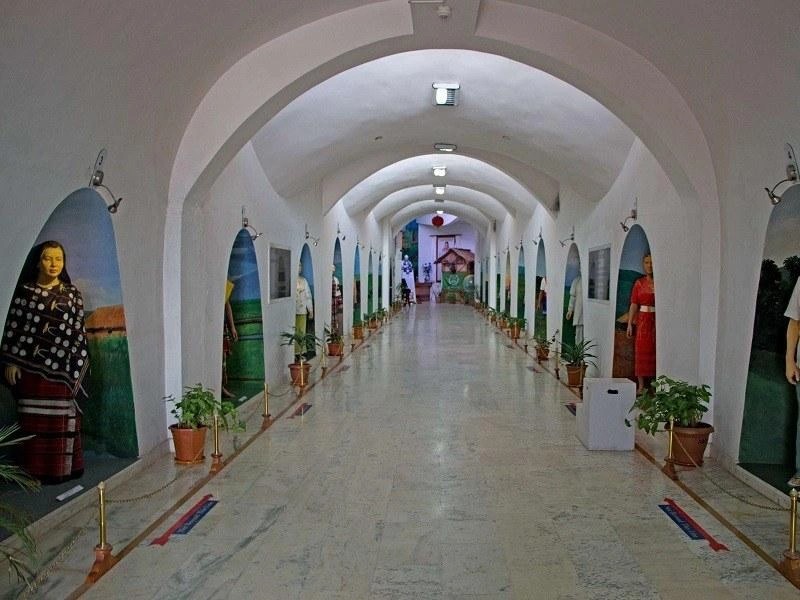
Think Meghalaya is only about waterfalls and mountains? Don Bosco Museum might completely change your mind. This seven-storey museum takes you on a journey through the traditions, art, food, music, and lifestyles of all eight Northeastern states—all under one roof.
Every gallery tells a different story, making it one of the most interesting places to visit in Shillong. From the famous rooftop skywalk to interactive cultural displays, there’s something to discover on every floor. Before your trip, don’t forget to read our First-time Travel Guide for more helpful Meghalaya travel tips.
Quick Facts About Don Bosco Museum
| Details | Information |
| Location | Mawlai, Shillong, Meghalaya |
| Distance from Police Bazar | Around 3 km |
| Famous For | Northeast India’s tribal culture and heritage |
| Building | Seven Floors |
| Galleries | 17+ Galleries |
| Entry Fee | ₹100 (Indian Adults) |
| Student Ticket | ₹50 (Indian Students) |
| Foreign Adults | ₹200 |
| Foreign Students | ₹150 |
| Timings (Feb–Nov) | 9:30 AM – 5:30 PM |
| Timings (Dec–Jan) | 9:30 AM – 4:30 PM |
| Closed On | Sundays & National Holidays |
| Time Required | 2.5–3.5 Hours |
| Main Highlight | Rooftop Skywalk |
| Photography | Allowed in selected areas |
Where Is Don Bosco Museum?
Don Bosco Museum is located in Mawlai Phudmuri, one of Shillong’s well-connected areas, about 3 km from Police Bazar, the city’s main commercial centre.
Despite being close to the city, the museum offers a peaceful environment where visitors can spend a few hours exploring the rich traditions of Northeast India. It is one of Shillong’s most popular indoor attractions and can easily be combined with nearby sightseeing places.
Address
Don Bosco Centre for Indigenous Cultures (DBCIC)
Mawlai Phudmuri, Mawlai Mawdatbaki,
Shillong, Meghalaya – 793008
Distance from Popular Places
| Starting Point | Distance |
| Police Bazar | Around 3 km |
| Ward’s Lake | Around 4 km |
| Shillong Peak | Around 8 km |
| Elephant Falls | Around 12 km |
| Guwahati | Around 100 km |
How to Reach Don Bosco Museum
The museum is easy to reach from anywhere in Shillong. Visitors travelling from other states usually arrive in Guwahati first and then continue to Shillong by road.
If you’re flying to Meghalaya, most flights land at Lokpriya Gopinath Bordoloi International Airport, Guwahati. From there, you can take a taxi or shared cab to Shillong. Our Guwahati to Shillong Road Trip guide explains the route, travel time, and transport options in detail.
From Police Bazar (Around 3 km)
Police Bazar is the most common starting point for tourists.
You can reach the museum by:
- Local taxi
- Shared cab
- Self-drive car
- Rental bike
The journey usually takes around 10–15 minutes, depending on traffic.
From Guwahati (Around 100 km)
Visitors arriving by flight or train can first travel to Shillong and then continue to the museum.
- Distance: Around 100 km
- Travel Time: Around 3 hours
Shared taxis and private cabs are available throughout the day between Guwahati and Shillong.
Entry Fee & Timings
| Category | Ticket Price |
| Indian Adults | ₹100 |
| Indian Students | ₹50 |
| Foreign Adults | ₹200 |
| Foreign Students | ₹150 |
Museum Timings
| Season | Timings |
| February – November | 9:30 AM – 5:30 PM |
| December – January | 9:30 AM – 4:30 PM |
| Closed | Sundays, National Holidays & Selected Christian Holidays |
Best Time to Visit Don Bosco Museum
Since the museum is indoors, it can be visited throughout the year. However, choosing the right time of day can make your visit more enjoyable.
Weekday Mornings
Weekday mornings are the best time to visit because the galleries are usually less crowded. You’ll have enough time to read the displays, explore each section comfortably, and enjoy the rooftop skywalk without rushing.
During the Winter Season
From October to March, Shillong has pleasant weather, making it easier to combine the museum with nearby attractions after your visit.
Rainy Days
If it’s raining outside, Don Bosco Museum is one of the best places to spend a few hours indoors while still learning about the culture and traditions of Northeast India.
What Makes Don Bosco Museum Special?
Don Bosco Museum is much more than a collection of old objects. It tells the story of Northeast India through carefully designed galleries, interactive displays, traditional artefacts, and multimedia presentations.
Instead of focusing on just one state or community, the museum showcases the cultures of all eight Northeastern states, helping visitors understand how people live, celebrate festivals, build homes, create art, and preserve their traditions.
Seven Floors of Culture
The museum is spread across seven floors, with each level focusing on different aspects of life in Northeast India. As you move from one gallery to another, you’ll discover new traditions, lifestyles, and cultural practices.
Interactive Learning
Many exhibits include touchscreens, documentaries, photographs, and audio-visual presentations, making the museum enjoyable for both adults and children.
Rooftop Skywalk
One of the biggest highlights is the rooftop skywalk, where visitors can enjoy stunning 360-degree views of Shillong City after exploring the galleries.
A Perfect Place for Every Traveller
Whether you’re interested in history, culture, photography, architecture, or simply want to understand Northeast India better, Don Bosco Museum offers something for everyone.
What You Will See Inside Don Bosco Museum
Don Bosco Museum is designed to help visitors understand the rich culture and traditions of Northeast India in an easy and interesting way. Instead of displaying random objects, every gallery focuses on a different part of daily life, history, and tribal heritage.
From traditional clothing and handicrafts to farming tools and musical instruments, each floor gives you a new perspective on the people of the region.
The Museum Galleries
The museum has 17 themed galleries spread across seven floors. You don’t have to rush through every section—take your time to explore the displays that interest you the most.
Introductory & Pre-History Gallery
This is where your journey begins. The gallery introduces the history of Northeast India and explains how the region developed over thousands of years.
Land & People Gallery
Learn about the geography of Northeast India and how mountains, rivers, forests, and climate have influenced the lives of different tribal communities.
Religion & Culture Gallery
This gallery showcases traditional beliefs, festivals, rituals, and cultural practices followed by various indigenous communities across the Northeast.
Language Gallery
Northeast India is home to hundreds of languages and dialects. This section explains how language plays an important role in preserving culture and identity.
Neighbours Gallery
Discover how Northeast India shares historical and cultural connections with neighbouring countries like Bhutan, Bangladesh, Myanmar, and China.
Agriculture Gallery
See how local communities have practised farming for generations using traditional methods suited to the region’s landscape.
Art Gallery
This gallery displays beautiful paintings, sculptures, and traditional artworks created by artists from different Northeastern communities.
Basketry Gallery
Basket weaving is an important part of daily life in many tribal communities. Here you’ll find beautifully handcrafted baskets made from bamboo and cane.
Costumes & Ornaments Gallery
One of the most colourful sections of the museum, this gallery features traditional dresses, jewellery, headgear, and ornaments worn during festivals and ceremonies.
Fishing, Hunting & Gathering Gallery
Explore the traditional tools and techniques once used by different tribes for fishing, hunting, and collecting food from forests.
Housing Pattern Gallery
Different communities build their homes in different ways depending on climate and local materials. This gallery explains these unique architectural styles.
Traditional Technology Gallery
Discover the simple yet innovative tools that people have used for farming, weaving, cooking, and daily life for generations.
Musical Instruments Gallery
Listen to the cultural heartbeat of Northeast India through traditional musical instruments used during festivals, celebrations, and community events.
Weapons Gallery
This gallery displays traditional weapons that were once used for protection, hunting, and ceremonial purposes by various tribes.
Photo Gallery
Historic photographs give visitors a glimpse of life, traditions, and landscapes from different parts of Northeast India.
Skywalk Gallery
Located on the top floor, the Skywalk is one of the museum’s biggest attractions. It offers a spectacular 360-degree panoramic view of Shillong, making it a perfect place for photography.
North East Space Centre
One of the museum’s unique sections, this gallery highlights the region’s contribution to science, innovation, and space-related developments.
Material Culture and Everyday Life
One of the most interesting parts of the museum is its collection of everyday objects used by tribal communities.
Instead of only displaying decorative items, the museum showcases practical tools that people used for cooking, farming, weaving, hunting, fishing, and household work.
These exhibits help visitors understand how people adapted to different landscapes and climates using locally available materials.
Traditional Textiles and Handicrafts
Northeast India is famous for its colourful handloom traditions, and the museum beautifully showcases this rich craftsmanship.
You’ll see:
- Traditional woven fabrics
- Handcrafted bamboo products
- Tribal jewellery
- Decorative patterns
- Handmade household items
Each display reflects the unique identity of different communities across the region.
Language and Cultural Diversity
One of the museum’s strengths is the way it explains the incredible diversity of Northeast India.
Visitors can learn about:
- Different tribal communities
- Local languages
- Oral traditions
- Folklore
- Social customs
- Community life
Instead of presenting one single story, the museum shows how every community has developed its own traditions while sharing a deep connection with nature.
Research Centre and Library
Don Bosco Museum is also home to the Don Bosco Centre for Indigenous Cultures (DBCIC), which works to preserve and promote the traditions of Northeast India.
The campus includes:
- A research centre
- The Otto Hopfenmueller Library
- A publication centre
- Educational workshops
- Cultural research programmes
Researchers, students, and visitors interested in indigenous cultures often visit these facilities to learn more about the region.
How Much Time Should You Keep?
Don Bosco Museum is not a place that can be explored in a hurry.
For a comfortable visit, keep at least 2.5 to 3.5 hours. This gives you enough time to explore the galleries, read the information panels, enjoy the rooftop skywalk, and take short breaks between floors.
If you’re travelling with children, consider spending a little extra time because the interactive displays often attract their attention.
Things to Do at Don Bosco Museum
There is much more to do here than simply walking through the galleries.
Explore the Museum Galleries
Take your time to visit each themed gallery and learn about the cultures, traditions, and lifestyles of Northeast India.
Enjoy the Rooftop Skywalk
Don’t miss the panoramic skywalk on the top floor. It offers one of the best views of Shillong and is a favourite spot for photographers.
Watch Audio-Visual Presentations
Interactive screens, documentaries, and multimedia displays make learning about the region more engaging and enjoyable.
Observe Traditional Crafts
Spend some time looking closely at the handmade textiles, bamboo products, tribal ornaments, and everyday tools displayed throughout the museum.
Learn About Northeast India
Whether you’re visiting Meghalaya for the first time or have travelled across the Northeast before, the museum helps you understand the people, traditions, and cultures that make this region so unique.
Facilities Available
Don Bosco Museum offers good visitor facilities, making it comfortable for families, students, and solo travellers.
Parking
Parking is available near the museum for both cars and two-wheelers.
Lift Facility
Since the museum has seven floors, lifts are available for visitors who do not wish to use the stairs.
Washrooms
Clean washrooms are available inside the museum.
Souvenir Shop
Visitors can buy books, handicrafts, postcards, and souvenirs related to the culture of Northeast India.
Information Desk
An information counter near the entrance helps visitors with tickets and general enquiries.
Budget for Visiting Don Bosco Museum
A visit to Don Bosco Museum is budget-friendly and can easily be included in your Shillong sightseeing plan.
| Expense | Approximate Cost |
| Entry Ticket | ₹100 (Indian Adult) |
| Student Ticket | ₹50 |
| Local Taxi from Police Bazar | ₹200–₹500 |
| Snacks & Drinks | ₹100–₹300 |
| Souvenirs (Optional) | ₹200 onwards |
Travel Tips for Visiting Don Bosco Museum
A little planning will help you enjoy your visit without feeling rushed.
- Visit in the morning for a quieter experience.
- Keep at least 3 hours to explore the galleries properly.
- Wear comfortable footwear, as you’ll walk through several floors.
- Read the gallery descriptions instead of only taking photographs.
- Carry a water bottle, especially during summer.
- Keep your phone or camera charged if you plan to take photos.
- Follow the photography rules displayed inside the museum.
Common Mistakes to Avoid
Many visitors spend very little time here and miss what makes the museum special.
Avoid these common mistakes:
- Treating it as just another photo stop.
- Arriving less than an hour before closing time.
- Skipping gallery descriptions and information panels.
- Trying to combine too many major attractions on the same day.
- Ignoring museum rules while taking photographs.
Is Don Bosco Museum Worth Visiting?
Yes, especially if you want to understand Northeast India beyond its beautiful landscapes.
Most travellers remember Meghalaya for its waterfalls, rivers, and living root bridges. Don Bosco Museum adds another side to the journey by introducing you to the region’s people, traditions, languages, art, and way of life.
If you enjoy learning about local culture, this museum is easily one of the best places to visit in Shillong.
Nearby Attractions
Ward’s Lake (Around 4 km)
A peaceful lake in the heart of Shillong where you can enjoy boating, walking trails, and beautiful gardens.
Police Bazar (Around 3 km)
Shillong’s busiest market, famous for shopping, cafés, street food, and local handicrafts.
Cathedral of Mary Help of Christians (Around 2 km)
One of the most beautiful churches in Shillong, known for its peaceful atmosphere and impressive architecture.
Shillong Peak (Around 8 km)
The highest viewpoint in Shillong, offering breathtaking views of the city and surrounding hills.
Elephant Falls (Around 12 km)
One of Shillong’s most famous waterfalls, known for its three cascading levels surrounded by lush greenery.
Conclusion
Don Bosco Museum is much more than a museum—it is a journey through the cultures, traditions, and lifestyles of Northeast India. From interactive galleries and tribal artefacts to the stunning rooftop skywalk, every floor offers something new to learn and explore.
Whether you’re visiting Shillong for the first time or returning to discover more of Meghalaya, this museum is a place that helps you understand the region beyond its natural beauty.
Discover the Stories Behind Meghalaya with TripGuruGo
Beautiful landscapes make a trip memorable, but understanding the people and traditions behind them makes it truly meaningful. If you want to explore Meghalaya beyond waterfalls and viewpoints, TripGuruGo brings you detailed travel guides, practical tips, and carefully planned itineraries to help you experience the region like a curious traveller, not just a tourist.
Frequently Asked Questions (FAQs)
Where is Don Bosco Museum located?
The museum is located in Mawlai Phudmuri, Shillong, around 3 km from Police Bazar.
What are the timings of Don Bosco Museum?
- February to November: 9:30 AM – 5:30 PM
- December to January: 9:30 AM – 4:30 PM
The museum remains closed on Sundays and National Holidays.
What is the entry fee for Don Bosco Museum?
The ticket price is:
- Indian Adults – ₹100
- Indian Students – ₹50
- Foreign Adults – ₹200
- Foreign Students – ₹150
How much time is needed to explore the museum?
Plan to spend 2.5 to 3.5 hours to comfortably explore the galleries and enjoy the rooftop skywalk.
How many galleries are there in Don Bosco Museum?
The museum features 17+ galleries covering the culture, traditions, languages, art, agriculture, music, and daily life of Northeast India.
Is photography allowed inside the museum?
Photography is allowed in selected areas. Always follow the instructions displayed inside each gallery.
What is the main attraction of Don Bosco Museum?
The biggest highlights are the 17 themed galleries and the 360-degree rooftop skywalk, which offers beautiful views of Shillong.
Is Don Bosco Museum suitable for children?
Yes. Interactive displays, cultural exhibits, and multimedia presentations make it an educational and enjoyable place for children as well as adults.
Can I visit Don Bosco Museum and other Shillong attractions on the same day?
Yes. Many travellers combine the museum with Ward’s Lake, Police Bazar, Shillong Peak, or Elephant Falls as part of a full-day Shillong sightseeing trip.