Famous temples in Delhi always slow my thoughts when the city feels loud. One evening, I walked through Old Delhi as bright lights flashed and traffic rushed past me. A temple bell rang nearby, and its warm sound touched me gently. Soon, the azaan flowed across the sky. A soft church hymn followed from a narrow lane. A few moments later, a calm Gurudwara shabad joined the mix. These sounds moved together like one deep and peaceful breath.
That moment helped me understand Delhi’s real spirit. The city holds Akshardham, Lotus Temple, Jama Masjid, Bangla Sahib, and many ancient mandirs like friendly neighbours who live in harmony. Later that night, I stood near the glowing sarovar at Bangla Sahib. The golden water felt still and safe. The quiet reflection asked me to pause. I realised that Delhi’s spiritual strength lives in these gentle meetings of faith, sound, and silence.
Why Visit Temples and Spiritual Places in Delhi
Temples in Delhi help me slow down when my days feel too rushed. These places feel warm and safe, even when the streets outside stay loud. One morning at Gurudwara Bangla Sahib, I stood in the langar line with a cool steel plate in my hands. The smell of simple dal moved through the hall. People smiled with quiet kindness. That small moment showed me how faith and care walk together in this city.
As I stepped out, I saw temples, gurudwaras, mosques, churches, and Jain mandirs standing close to each other. This mix feels natural in Delhi. It also feels peaceful. It shows how many beliefs live side by side without pushing anyone away. Travelers feel this comfort the moment they enter any sacred place.
These spiritual places offer more than views. They give slow pauses in a city that moves fast. When I sit in a quiet corner of a courtyard, I hear soft bells, gentle footsteps, and birds calling from nearby trees. These small sounds help my thoughts settle. They also help my breathing slow down and feel steady again.
Travelers search for spiritual places in Delhi because these spots feel personal. They hold old stories, daily rituals, and a deep calm that touches you without effort. For me, these temple visits become small breaks where the city feels fresh again. They remind me that peaceful moments still live inside Delhi’s busiest lanes.
Iconic and Grand Temples in Delhi
These temples always make me slow down and breathe a little softer. Whenever I start my temple journey in Delhi, I begin with these grand and beautiful places. They feel warm, welcoming, and full of stories that open the heart. The carvings, the gardens, the chants, and the lights make the city feel gentle, even on busy days.
Akshardham Temple – Spiritual and Cultural Wonder

The first time I walked inside Akshardham, it felt like the whole temple was carved by patience. See full visitor tips in my Akshardham Temple guide. The stone looked delicate, almost like soft lace. The air smelled of jasmine and sandalwood. As I moved across the courtyard, everything felt peaceful.
The most magical moment came during the evening water show. Lights danced with chants, and the fountains sparkled in calm colours. I stood quietly because the whole scene felt like a warm hug to the mind.
Best Moment
Evening aarti and the musical fountain
Travel Notes (Helpful for First-Timers)
- Location: Near Akshardham Metro Station
- Entry: Free
- Water show: Paid
- Closed: Monday
- Time needed: 3–4 hours
- Phones not allowed: Free lockers available
- Best time: 4 PM to 8 PM
- Dress code: Modest clothing that covers shoulders and knees
- Expert Tip (Manoj): Reach by 3 PM on weekends to avoid long queues. The boat ride inside feels simple and beautiful.
Lotus Temple – A Place of Pure Silence

I visit the Lotus Temple when I need silence that feels soft and honest. The white petals shine gently in the morning light. Read more on visiting the Lotus Temple for silent meditation. The gardens smell fresh, and the breeze moves through the trees like a quiet song.
When I stepped inside for the first time, the hall felt huge and calm. My footsteps made a tiny echo that faded with warmth. I closed my eyes for a moment and felt a silence that touched the heart.
Best Moment
Early morning silence inside the hall
Travel Notes
- Location: Kalkaji, South Delhi
- Entry: Free
- Time needed: 30–45 minutes
- No ritual worship: It is a meditation space
- Best time: Morning hours
- Expert Tip (Manoj): Sit for 5 minutes with closed eyes to feel true calm.
ISKCON Temple Delhi – Joyful Devotion
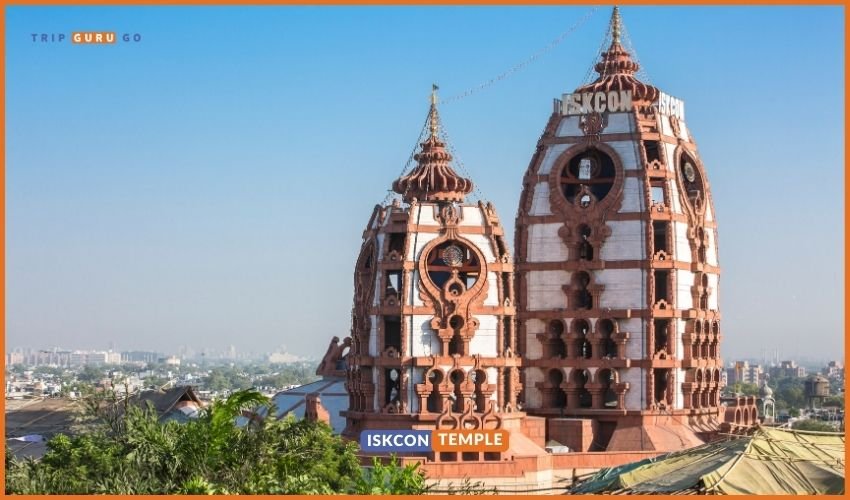
ISKCON always lifts my mood. Find kirtan timings and aarti notes in the ISKCON Temple guide. The moment I walk in, I hear drums, bells, and chants that rise in a happy rhythm. The hall feels warm, and people clap together in a simple flow. The air smells of incense and flowers, and the whole place feels alive.
One evening during kirtan, the hall glowed with soft yellow lights. The chants sounded steady and joyful. I left with a lighter heart.
Best Moment
Evening kirtan with drums and claps
Travel Notes
- Location: East of Kailash
- Entry: Free
- Best time: After sunset
- Highlights: Kirtan, Govinda’s food, Gita learning halls
- Expert Tip (Manoj): Join the aarti to feel the real joy of this temple.
Birla Mandir Delhi – Calm Evening Glow
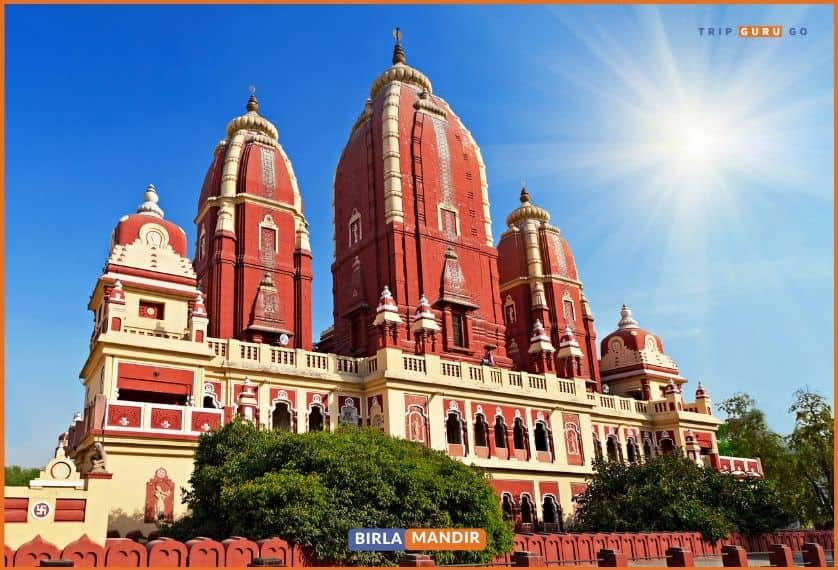
Birla Mandir feels gentle, like a slow breath at the end of the day. See sunset photo tips and timings in the Birla Mandir guide. The marble glows softly under the evening lights. A sandalwood scent stays in the air, and families walk with quiet steps.
I once sat on a side bench and watched the sky turn from yellow to orange. The bells echoed softly across the courtyard. That moment felt peaceful, like the city had paused for a few seconds.
Best Moment
Sunset when the marble turns golden
Travel Notes
- Location: Near Connaught Place
- Entry: Free
- Best time: Evening
- Atmosphere: Calm, family-friendly
- Expert Tip (Manoj): Stay for a few minutes after aarti to enjoy the warm glow.
Maa Jhandewali Devi Mandir
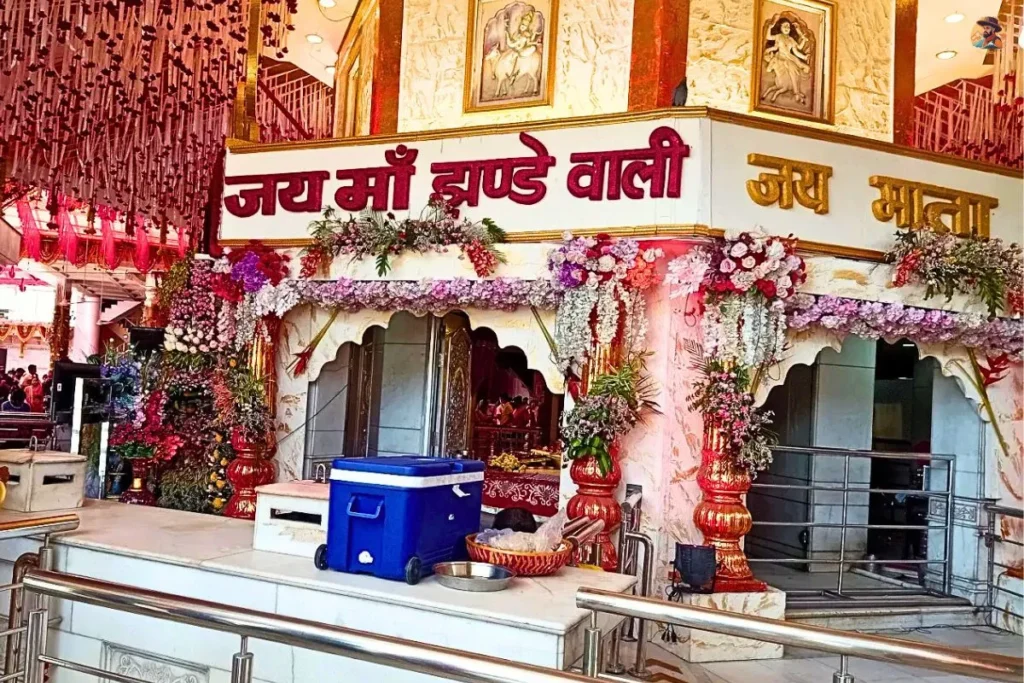
I visit Maa Jhandewali Devi Mandir when I want a quiet moment that still feels powerful. The lane stays busy, yet the temple becomes calm as soon as I walk inside. The soft sound of bells mixes with the smell of fresh flowers. I always take a slow breath near the first step because the air feels different here.
During Navratri, the whole complex shines in bright colours. Women carry small thalis. Children wait near the prayer line. The chants rise in a steady rhythm, and the atmosphere turns warm and hopeful. I have seen people close their eyes for a second, and their faces soften right away.
One morning, I watched a lady offer a red chunri with both hands. Her eyes looked peaceful, and the moment stayed with me for hours. These small scenes make this temple special for me.
Temple Details:
- Metro: Jhandewalan Metro Station
- Best moment: Navratri mornings
- Time needed: 30 to 40 minutes
- Tip: Visit the lower market for prasad and flowers
- Related place: You can also visit the nearby Jhandewalan Mandir (Hanuman Temple) for a complete spiritual walk through the area
Ancient and Historical Temples in Delhi
These old temples in Delhi always pull me back to the city’s roots. They hold soft echoes, slow stories, and devotion that has stayed alive for centuries. I visit them when I want to feel close to the past and walk through spaces where time moves gently.
Chhatarpur Temple – Delhi’s Grand Historical Complex
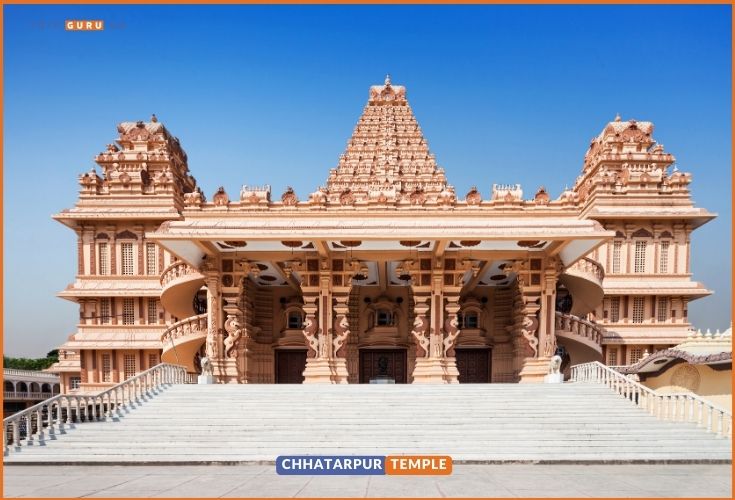
Chhatarpur Temple gives me wide spaces and calm paths. Plan your visit with my complete Chhatarpur Temple guide. The marble floor feels cool under my feet, and the air smells of fresh flowers. When I walked inside for the first time, the temple looked grand yet peaceful. Families offered flowers with steady hands. Soft bells echoed across the courtyard in a slow rhythm.
During festivals, the whole complex glows with colour and music. I walked through the temple during Navratri once. Bright lights filled the sky, and the sound of drums moved through the air with strong energy.
Temple Details
- Location: Chhatarpur, Near Chhatarpur Metro Station (Yellow Line)
- Best time: 6 AM to 8 AM for a slow, peaceful visit
- Entry fee: Free
- Timings: Open 24 hours (main temple 6 AM to 10 PM)
- Time needed: 2–3 hours
- Special days: Navratri, Diwali
- Complex size: One of India’s largest temple complexes
Expert Tip from Manoj
Start at the Katyayani Devi temple. After that, walk toward the smaller temples. The underground Shiva temple opens after 7 PM and feels very calm.
Kalkaji Temple – Delhi’s Ancient Shakti Peeth

I visit the Kalkaji Temple when I want to feel strong devotion. See VIP darshan tips and best hours in the Kalkaji Temple guide. The steps stay warm in the sun, and the smell of incense mixes with marigold flowers. As I walked toward the main hall, steady chants of Jai Kali Maa filled the space. The sound felt powerful and emotional.
During Navratri, lamps light up the whole area. I stood near the hall once and watched the soft glow spread across the temple. The energy felt intense yet comforting.
Temple Details
- Location: Kalkaji, Near Kalkaji Mandir Metro Station (Violet Line)
- Best time: 5 AM to 7 AM (queues stay short)
- Entry fee: Free (VIP darshan ₹101)
- Timings: 4 AM to 11 PM
- Time needed: 1–2 hours
- Special fact: One of India’s 51 Shakti Peeths
- Peak days: Tuesdays, Navratri
Expert Tip from Manoj
If you visit on Tuesday, use the VIP darshan line. It saves a lot of time. A small holy water spring flows behind the temple.
Yogmaya Temple – Delhi’s Oldest Living Temple
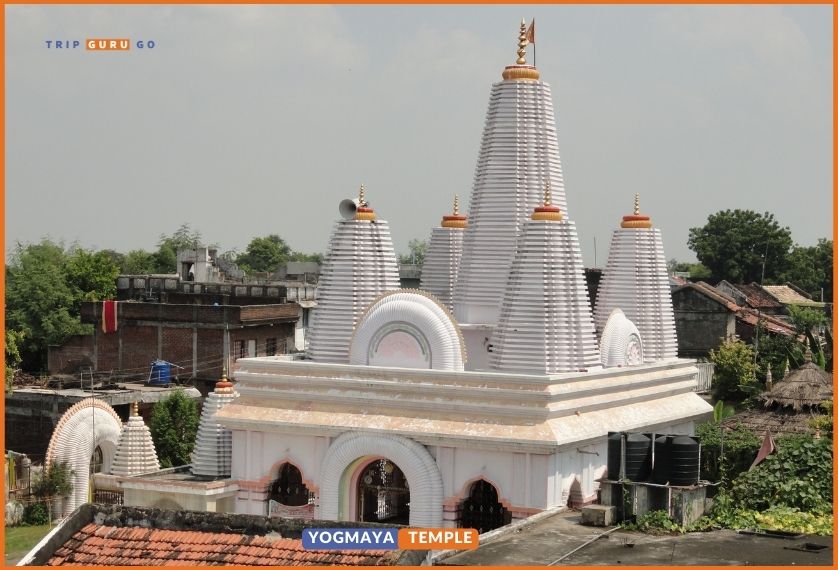
Yogmaya Temple gives me a gentle and old feeling. Combine the Yogmaya Temple with the Mehrauli heritage walk guide. The narrow Mehrauli lanes feel warm and familiar. Stone steps feel smooth. Inside the temple, dim lamps glow against the walls, and the smell of ghee fills the hall.
During festivals, the sounds change. Drums rise, lamps burn brighter, and vendors sell fresh flowers near the gate. The whole area feels alive with a soft charm.
Temple Details
- Location: Mehrauli Archaeological Park
- Best time: 6 AM to 8 AM
- Entry fee: Free
- Timings: 5 AM to 10 PM
- Time needed: 30–45 minutes
- History: Dates back to the Mahabharata era
- Nearby: Qutub Minar and Mehrauli heritage walk
Expert Tip from Manoj
A short walk around the Archaeological Park reveals hidden monuments. A local guide helps you understand the old stories linked with the area.
Gauri Shankar Mandir – Heart of Old Delhi

Gauri Shankar Mandir stands close to Chandni Chowk. It holds an ancient Shiva lingam that many travelers come to see. The space feels old and steady, with a quiet spiritual warmth.
Temple Details
- Location: Chandni Chowk
- Best time: Monday mornings
- Entry fee: Free
- Timings: 5 AM to 10 PM
- Time needed: 30 minutes
- Nearby: Jama Masjid, Sis Ganj Gurudwara
Expert Tip from Manoj
Visit early in the morning. After that, walk toward Dariba Kalan for silver jewellery. Crowds stay light at that hour.
Powerful and Wish-Fulfilling Temples in Delhi
These powerful temples in Delhi help me when I need courage or a quiet moment to breathe. They hold old beliefs, warm lights, and simple rituals that touch the heart. Every visit feels personal and steady.
Marghat Baba Hanuman Mandir (Yamuna Bazar)

I visit Marghat Baba Hanuman Mandir when I feel low inside. The lane outside stays loud, but the temple becomes calm the moment I step in. Slow incense rises in the air. The Hanuman Chalisa fills the hall with steady strength. People tie red threads on the railing. Every thread carries a small prayer.
One morning, I saw an old man holding a tiny diya. The flame moved softly, and his face looked peaceful. That moment stayed with me for days.
Temple Details:
- Location: Yamuna Bazar, Old Delhi
- Best time to visit: 6 AM to 8 AM
- Entry fee: Free
- Open: 5 AM to 9 PM
- Time needed: 30 minutes
- Special belief: Wishes written on paper and offered here
- Peak days: Tuesdays
- Combine with: Neeli Chhatri Temple (2-minute walk)
Expert tip from Manoj: The first Tuesday of a Hindi month feels powerful. Ask the priest for the right prayer method.
Kilkaari Baba Bhairav Mandir (Purana Qila)
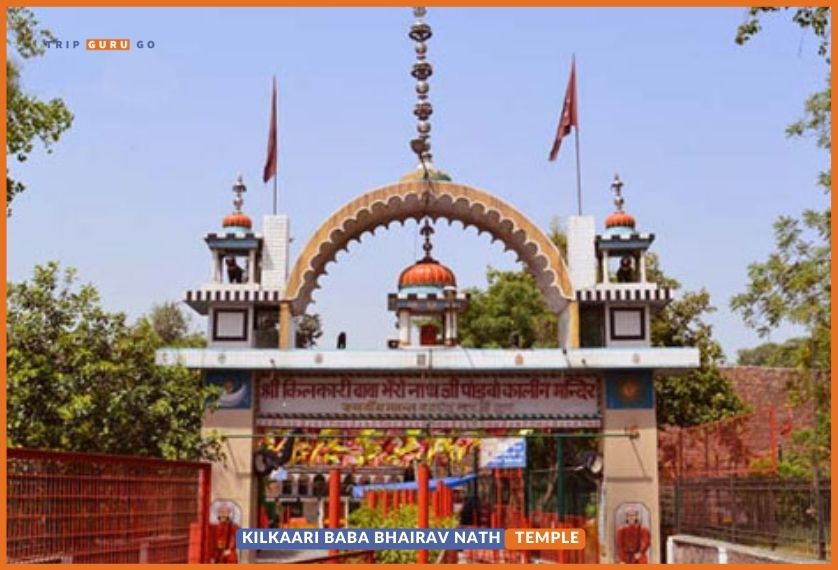
I visit this temple when I want to feel strong, old energy. See the Purana Qila route and festival notes in my Kilkaari Baba Bhairav Temple guide. The entrance looks simple, but the air turns powerful inside. Incense and mustard oil fill the space. Low chants rise in a deep rhythm. Devotees offer small bottles of alcohol. The tradition may feel unusual, but the respect behind it stays real.
This temple has two main sections. The first section is the Dudhiyā Bhairav area, where devotees offer milk. The second section is the Kilkaari Bhairav area, where people offer liquor. This is one of the few temples where liquor is offered to the deity. Many devotees offer their final drink here as a promise to leave alcohol forever. The belief is simple and emotional. They offer the bottle to Baba, take a small vow, and walk out lighter.
Temple Details:
- Location: Near Purana Qila walls
- Best time: Sunday morning rituals
- Entry fee: Free
- Open: 6 AM to 8 PM (closed 12 PM to 4 PM)
- Time needed: 30 minutes
- Special feature: One of Delhi’s main Bhairav temples
- Photography: Not allowed
Expert tip from Manoj: The Sunday ritual at 8 AM feels powerful with drums and chants. Visit only if you feel comfortable with the offering tradition.
Neeli Chhatri Temple (Yamuna Bazar)
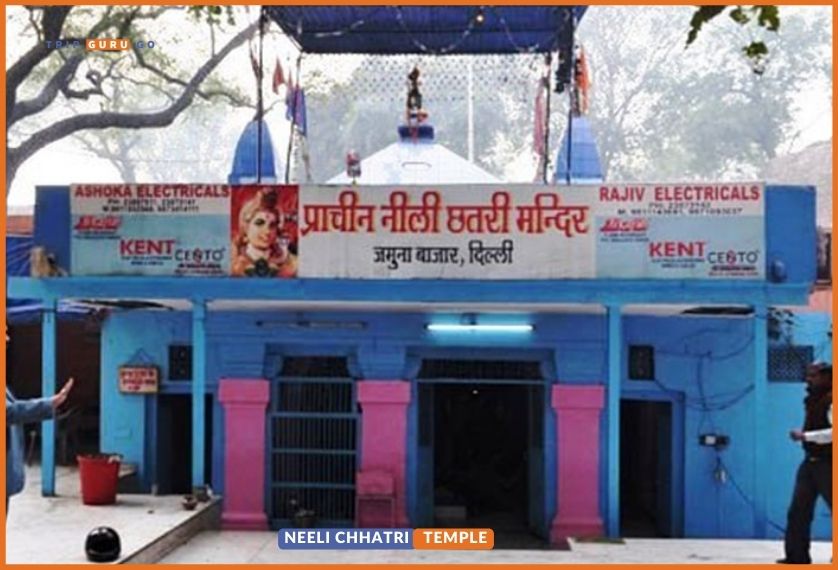
Neeli Chhatri feels peaceful in a simple neighbourhood way. Check the Neeli Chhatri Temple timings and photo tips here. The blue dome shines in the sun. The steps feel warm under my feet. Inside, women light diyas near the sanctum. The glow touches the walls like soft gold.
Temple Details:
- Location: Yamuna Bazar, Old Delhi
- Best time: Navratri evenings
- Entry fee: Free
- Open: 5 AM to 9 PM
- Time needed: 20–30 minutes
- Special feature: Unique blue dome
- Local belief: Good for married couples seeking blessings
- Combine with: Markata Baba Mandir
Expert tip from Manoj: Visit on quiet weekdays for a peaceful blessing from the priest.
Dada Dev Mandir, Palam – A Calm Corner I Visit Often

I visit Dada Dev Mandir when I need a slow and steady moment in my day. The narrow lane outside stays busy, but the temple becomes quiet the moment I walk in. The soft bells move through the air, and the mild smell of dhoop feels grounding. Families walk slowly with small offerings, and elders sit near the wall with peaceful eyes.
One evening, I saw a young couple standing near the sanctum. Their hands stayed folded, and their faces showed simple hope. That scene stayed with me for a long time.
Temple Details:
- Location: Dada Dev Mandir Road, Palam Village
- Best time to visit: Morning 6 AM to 9 AM or evening aarti
- Entry fee: Free
- Open: 5:30 AM to 9 PM
- Time needed: 20–30 minutes
- Special belief: Dada Dev ji is known as the guardian spirit of Palam
- Peak time: Evening aarti, weekends
- Combine with: Palam Kali Mandir or Dwarka Sector 7 temples
Expert tip from Manoj: Autos reach faster than cars. Walk the last few steps to feel the calm before entering.
Famous Hanuman Temples in Delhi
I visit Hanuman temples in Delhi when I need steady courage. These places feel warm, alive, and full of strength that settles slowly in the heart. Each temple carries its own mood, and every visit gives comfort differently.
Pracheen Hanuman Mandir, Connaught Place (Baba Kharak Singh Marg)
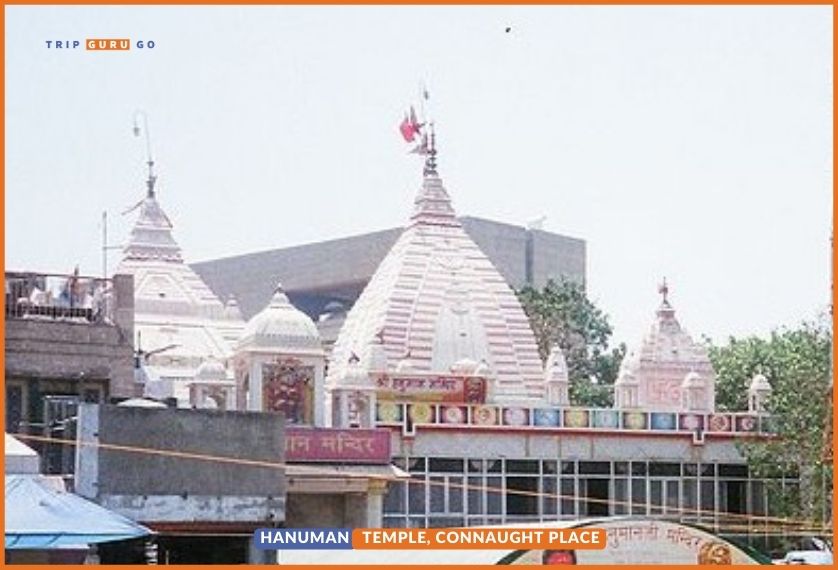
I often stop at this temple when the city feels too loud. The moment I step inside, the air shifts. Camphor fills the hall, and the chant of Hanuman Chalisa wraps around the space like a soft blanket. One evening, I stood near the sanctum during aarti. Drums rose slowly. The bells echoed deep in my chest. I walked out feeling lighter and stronger.
In the evening, the huge idol glows softly under the lights. The courtyard feels open and calm. I once sat near the entrance as conch shells sounded low and steady. Lamps flickered warmly across the hall, and the whole space felt gentle and grounding. Many travelers call this place the Pracheen Bade Hanuman Mandir because it sits on Baba Kharak Singh Marg in Connaught Place. Both names refer to the same temple.
Temple Details:
- Entry fee: Free
- Timings: 5 AM to 9 PM (Tuesdays till 10 PM)
- Metro: Rajiv Chowk
- Best moment: Tuesday evening aarti
- Tip: Stand near the entrance for a full view of the idol. Fresh prasad stalls line the main gate.
Jhandewalan Hanuman Mandir

I reach Jhandewalan Mandir when I want devotion mixed with colour and sound. The giant Hanuman statue appears long before the gate. The path stays lively with flower sellers and soft drums. During Navratri, the whole complex glows red and gold. Children carry tiny diyas. Families move together in a warm and steady rhythm.
Temple Details:
- Metro: RK Ashram Marg
- Best moment: Navratri evenings
- Time needed: 45 minutes
- Tip: Explore the lower market for flowers and prasad
If you want to explore more temples, I have shared simple notes and routes in my Hanuman Temples in Delhi guide for easy planning.
Hidden Temples in Delhi (Lesser-Known Spiritual Spots)
I look for hidden temples in Delhi when I want quiet moments in simple places. These small mandirs sit inside narrow lanes, old markets, and friendly neighbourhoods. They feel warm, personal, and filled with everyday devotion. Travelers who enjoy soft, silent corners always find peace here.
Local Galli Mandirs
I find many tiny mandirs inside Delhi’s narrow gallis. The lanes stay close, and the soft ring of a small bell often guides me in. One morning in Paharganj, I saw a mandir tucked under a shaded balcony. A single diya burned near the idol. Incense mixed with cool air. The scene felt calm, simple, and honest.
Why I visit: Small corners that feel real and personal
Tip: Early mornings bring soft, gentle light into these gallis
Small Shiv Mandirs
These small Shiv mandirs sit under old trees, near busy markets, or inside quiet courtyards. The lingam stays covered in fresh flowers, and a slow chant plays on a tiny speaker. I once placed a flower at a Shiv mandir near Karol Bagh. The breeze carried the scent of incense. The moment grounded me gently.
Why I visit: Simple spots with steady peace
Tip: Carry a small flower for a quiet offering
Mohalla-Level Temples
These neighbourhood temples blend with daily life. Children play near the steps. Elders sit on low stools. Diyas glow near the sanctum. I once visited a small temple in Rajender Nagar. The priest smiled warmly. Women tied red threads on the railing. Soft chants filled the hall. The space felt familiar and comforting.
Why I visit: Warm devotion mixed with local life
Tip: Visit near sunset when lamps glow softly
I have shared more of these hidden corners in my cluster guides for travelers who enjoy simple and peaceful spiritual walks.
Regional and Cultural Temples in Delhi
I visit these cultural temples when I want to feel different parts of India inside one city. Each temple carries its home state’s colours, scents, and rituals. These places feel warm, welcoming, and full of gentle devotion. They also show how Delhi holds many cultures with quiet respect.
Jagannath Mandir – Odisha’s Heart in Delhi

I reach Jagannath Mandir when I want the soft mood of Odisha. The temple looks simple from the outside, but the moment I step in, sandalwood and flowers fill the air. I visited on a quiet afternoon once. Devotees walked slowly with prasad plates. The priest’s voice reminded me of Puri, and soft drumbeats in the background made the space feel peaceful and familiar.
Temple Details:
- Location: Hauz Khas Village
- Best moment: Morning aarti at 7 AM or evening aarti at 6 PM
- Open: 6 AM to 12 PM, 4 PM to 9 PM
- Entry fee: Free
- Time needed: 30–45 minutes
- Special prasad: Odia mahaprasad (₹50–100)
- Festival: Rath Yatra with a small chariot procession
Tip from Manoj: Try the chhena poda during Rath Yatra. It tastes just like Puri’s temple sweet.
Uttara Swami Malai Mandir – South India in Delhi
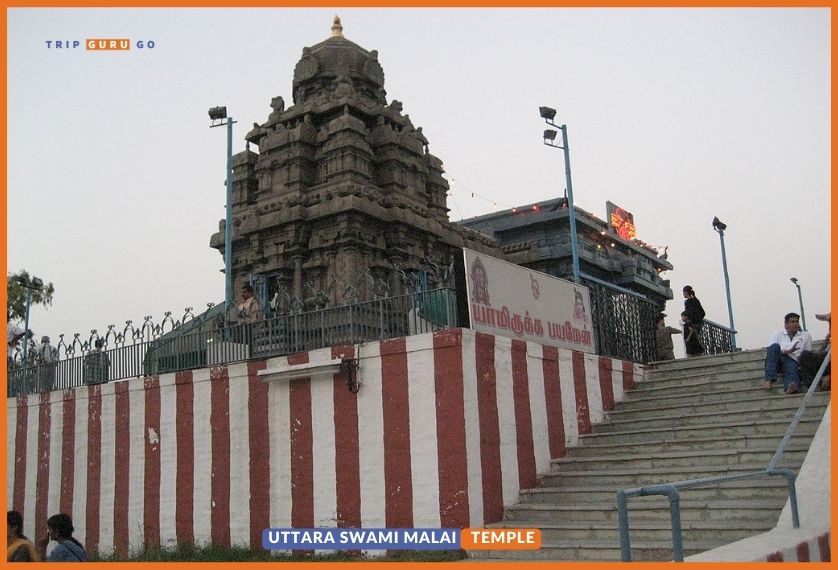
I visit the Uttara Swami Malai Temple when I want to feel the calm beauty of South Indian culture. The tall gopuram rises with colourful carvings. As I walk up the steps, jasmine and camphor fill the air. Inside, priests chant in Tamil. The sound feels soothing, and the hall glows in soft light. The whole space carries the quiet strength of Dravidian devotion.
Temple Details:
- Location: RK Puram Sector 7
- Best moment: 6 AM to 8 AM during Tamil rituals
- Entry fee: Free
- Open: 6 AM to 12 PM, 4 PM to 9 PM
- Time needed: 45–60 minutes
- Special feature: Pure Dravidian architecture
- Food nearby: South Indian breakfast at the temple canteen
- Evening glow: Gopuram lights turn on after 7 PM
Tip from Manoj: Climb to the upper terrace for a wide view of RK Puram. It feels peaceful during sunset.
Khatu Shyam Mandir, Alipur – Rajasthan’s Devotion in Delhi

I reach Khatu Shyam Mandir when I want bright and joyful devotion. See Khatu Shyam Dham Mandir Delhi timings and local prasad details. The temple smells of roses. The chants of Shyam Baba echo through the hall. I visited during a busy morning once. Devotees moved with garlands, and the idol looked bright under soft light. The rhythm of the chants made the whole moment feel warm and peaceful.
Temple Details:
- Location: Alipur, North Delhi
- Best moment: 5 AM to 7 AM
- Entry fee: Free
- Open: 4 AM to 10 PM
- Time needed: Around 1 hour
- Special days: Ekadashi, Phalguna celebrations
- Prasad: Rajasthani-style bhog
- Parking: Available
Tip from Manoj: This temple carries the same energy as Rajasthan’s Khatu Shyam Ji but with shorter queues. Weekdays feel calm and smooth.
Spiritual Places in Delhi Beyond Temples
I visit these spiritual places when I want a calm that feels open and welcoming. These spaces come from different faiths, yet they carry the same quiet energy. Each place reminds me that Delhi’s spiritual heartbeat is much bigger than temples alone.
Gurudwara Bangla Sahib – Delhi’s Spiritual Heart

I step into Bangla Sahib when I want instant calm. Join langar or check timings in the Gurudwara Bangla Sahib guide. The golden dome glows on the still sarovar. Soft shabads float through the hall. The air smells of warm kada prasad. I sat near the water on a quiet morning. A cool breeze touched my face, and my thoughts slowed gently.
Details:
- Location: Ashoka Road, Connaught Place
- Best moment: 5 AM Gurbani or 8 PM evening prayers
- Entry: Free
- Open: 24 hours
- Time needed: 1–2 hours
- Langar: Free meals served all day
- Head cover: Free scarves available
- Metro: Patel Chowk, Rajiv Chowk
Tip from Manoj: Join the langar service for a few minutes. Helping roll chapatis simply teaches kindness.
Gurudwara Sis Ganj Sahib – Silent Courage in Old Delhi

I reach Gurudwara Sis Ganj Sahib when I want a quiet moment of strength. Read the Gurudwara Sis Ganj Sahib guide for history and visiting tips. The gurudwara stands in busy Chandni Chowk, yet everything becomes peaceful the moment I enter. I lit a small candle once near the wall. The space felt steady and full of courage.
Details:
- Location: Chandni Chowk
- Best moment: 6 AM to 8 AM
- Entry: Free
- Open: 24 hours
- Time needed: 45 minutes
- History: Site linked to Guru Tegh Bahadur’s martyrdom
- Metro: Chandni Chowk
Tip from Manoj: Visit the small museum in the basement. It feels quiet and cool even on hot days.
Jama Masjid – A Courtyard of Sky and Silence

I visit Jama Masjid when I want space to breathe. See entry rules and best view spots in the Jama Masjid guide. The courtyard feels wide and open. The red sandstone glows in the sun. Pigeons circle above the domes. Once, I stood on the steps during azaan. The slow call filled the air, and everything felt still.
Details:
- Location: Old Delhi
- Best moment: After 2 PM or around sunset
- Entry: Free (camera fee extra)
- Closed: During prayer times
- Time needed: 1–2 hours
- Dress code: Modest clothing; robes available
- Metro: Jama Masjid, Chandni Chowk
Tip from Manoj: Climb the minaret early morning for cool air and a wide view of Old Delhi.
Nizamuddin Dargah – Sufi Music and Warm Devotion

I reach Nizamuddin Dargah when I want devotion through music. Check qawwali nights and visitor tips at Nizamuddin Dargah. Lanes outside smell of roses and grilled kebabs. Inside, qawwals begin singing. The first clap echoes softly. The sound feels deep and warm. I stood near the courtyard once, and the music touched something inside me.
Details:
- Location: Nizamuddin West
- Best moment: Thursday evening qawwali
- Entry: Free
- Open: All day
- Time needed: 1–2 hours
- Dress code: Modest clothing, head cover
- Metro: JLN Stadium
Tip from Manoj: Reach before sunset to find a good sitting spot. The music feels strongest around 8 PM.
Sacred Heart Cathedral – A Quiet Catholic Corner
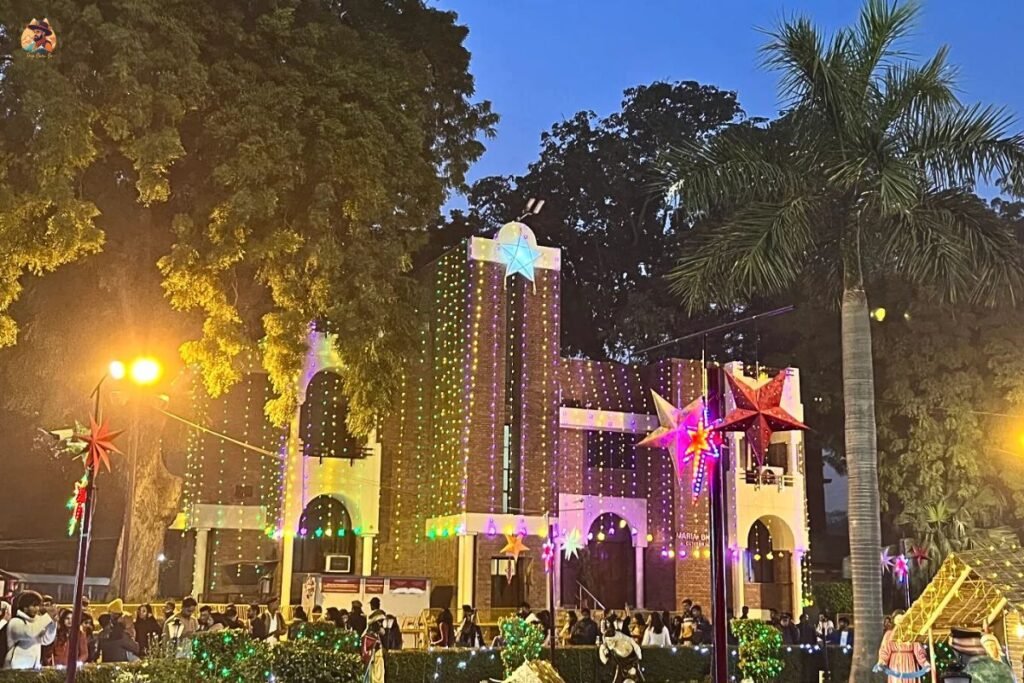
I visit this cathedral when I want soft prayer and stillness. See mass timings and light timings in the Sacred Heart Cathedral Church guide. The tall doors open into a hall filled with warm light. Benches feel cool. The air smells faintly of wood. I sat here during an evening service once. Slow hymns passed through the hall like gentle waves.
Details:
- Location: Gol Dak Khana, near Connaught Place
- Best moment: Sunday morning mass
- Entry: Free
- Open: 6 AM to 8 PM
- Time needed: 30–45 minutes
Tip from Manoj: Visit between 4 PM and 5 PM when sunlight hits the stained glass. The colours feel beautiful and calm.
St. James’ Church – History and Silence Together

I reach St. James’ Church when I want quiet corners filled with history. The yellow walls glow in the afternoon. The stained glass casts soft colours on the floor. I walked around the small graveyard once. Everything felt still and peaceful.
Details:
- Location: Kashmere Gate
- Best moment: Sunday morning service
- Entry: Free
- Open: 9 AM to 6 PM (closed Monday)
- Time needed: 30 minutes
- Built: 1836
Tip from Manoj: Visit during golden hour. The yellow walls glow beautifully.
Digambar Jain Lal Mandir – The Red Temple of Kindness
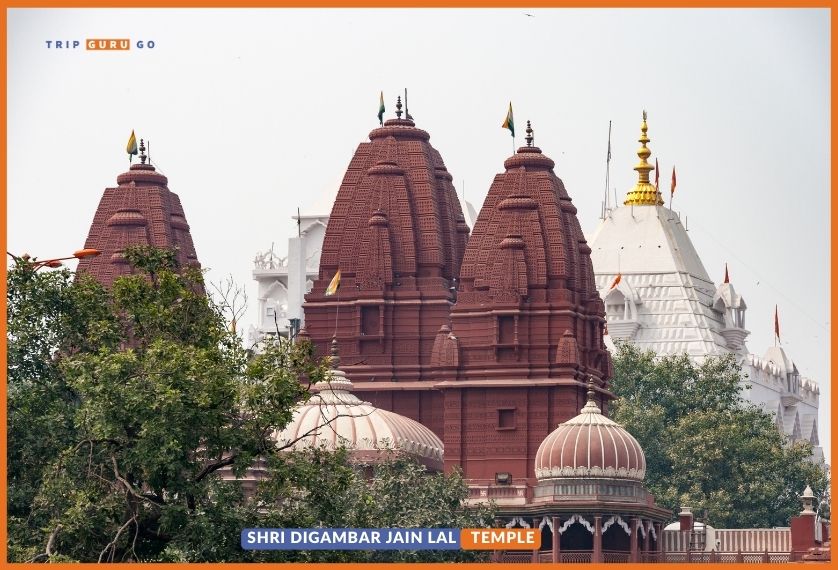
I visit Lal Mandir when I want a soft, peaceful moment. Visit the Digambar Jain Lal Mandir bird hospital and the opening hours guide. The red walls shine in the sun. Inside, chants flow slowly. I offered rice grains once. The smell of incense and pure ghee filled the hall. The bird hospital upstairs showed me the gentle kindness of the Jain faith.
Details:
- Location: Opposite Red Fort
- Best moment: 6 AM to 8 AM
- Entry: Free
- Open: 5 AM to 12 PM, 5 PM to 9 PM
- Time needed: 45 minutes
Tip from Manoj: Do not skip the bird hospital. Watching volunteers care for injured birds teaches ahimsa simply and touchingly.
Best Spiritual Retreats and Meditation Centres in Delhi NCR
I visit these spiritual retreats in Delhi NCR when I want slow days, quiet thoughts, and simple breathing. These places help me pause, reset, and feel lighter. Each one carries a gentle mood that teaches peace in its own way.
Vipassana Meditation Centre – The Silence Retreat
I reach the Vipassana Centre when I want silence that feels deep and honest. The moment I step inside, the city noise disappears. Phones stay outside, and the world becomes peaceful. I remember my first morning here. My breath felt loud, and even my steps echoed on the stone path. Slowly, my mind settled, and the silence felt warm. Trees moved softly around the courtyard, and the air felt clean.
Centre Details
- Location: Dhamma Sota (Delhi NCR)
- Course duration: 10-day residential course
- Cost: Free (runs on donations)
- Booking: Online registration required
- Food: Simple vegetarian meals
- Phones/books: Not allowed
- Best time: October to March for comfortable weather
Expert tip from Manoj: This is a serious retreat. You commit to ten days of silence and ten hours of meditation each day. I felt real clarity after the seventh day.
Osho Dham – Dynamic Meditation Space
I visit Osho Dham when I want meditation mixed with movement and joy. The space feels open, and sunlight falls through tall trees. I once joined a laughing meditation here. People laughed without holding back, then sat in complete stillness. The quiet after laughter felt magical. The hall smelled of flowers, and soft music flowed gently through the space.
Centre Details
- Location: Mehrauli–Badarpur Road
- Programs: Dynamic Meditation, Kundalini Meditation, workshops
- Entry fee: ₹200 to ₹500 per session
- Full-day pass: Around ₹1500
- Timings: 6 AM to 8 PM
- Dress: Simple and comfortable clothing
Expert tip from Manoj: Try the 6 AM Dynamic Meditation. It feels strange at first, but it powerfully frees the mind. Wear clothes that let you move easily.
ISKCON Gita Study Groups – Wisdom Circles
I reach the ISKCON study groups when I want gentle wisdom and warm company. The room smells of incense. People sit with open books and calm faces. I once spent an evening here. We read a few verses and talked about them with simple stories. The conch shell sounded at the end, and the chant felt peaceful. That calm stayed with me for many days.
Program Details
- Location: ISKCON East of Kailash and branch centres
- Sessions: Weekly, usually Sunday evenings
- Cost: Free
- Format: Reading, discussion, and chanting
- Language: Hindi and English groups
Expert tip from Manoj: Join the Sunday morning session if you want to enjoy prasadam afterward. The group energy feels very warm and welcoming.
Yoga and Wellness Ashrams (Delhi NCR)
I visit these yoga ashrams when I want my mind and body to breathe together. Mornings begin with slow stretches under open skies. Afternoons feel calm with chants and warm herbal tea. I stayed in a Gurgaon ashram for a day, and the smell of lemongrass mixed with the sound of wind chimes created a peaceful mood.
Popular Ashram Options
- Isha Yoga Centre (Delhi): Day programs ₹500–₹1500
- Art of Living (Gurgaon): Happiness Program, Sudarshan Kriya
- Sivananda Yoga Vedanta Centre (South Delhi): Yoga classes and meditation
- Ananda in the Himalayas (Rishikesh): Luxury retreat, advanced booking needed
Expert tip from Manoj: For a simple one-day retreat, try Art of Living’s Sunday Satsang. For deep inner work, Vipassana works best. For full comfort and nature, save for Ananda.
Hidden Spiritual Corners and Local Street Mandirs
I often find these small spiritual corners when I walk through Delhi without a plan. These tiny mandirs sit inside narrow lanes, near old homes, and beside busy roads. They do not appear on major lists. They hold a soft, steady peace that feels personal.
One morning in Rajinder Nagar, I noticed a diya glowing inside a tiny mandir tucked between two staircases. The lane smelled of fresh tea. A child placed a small marigold near the idol before running away. The moment felt simple and warm.
I also remember a Shiv lingam under a peepal tree near a fruit market. Vendors shouted their prices. The tree leaves moved in a slow rhythm above them. A shopkeeper washed the lingam before opening his stall. The scene felt grounding.
Where to Find Hidden Mandirs
- Paharganj lanes: Walk through the back lanes of Main Bazaar between 6 AM to 7 AM. Small Hanuman and Ganesh mandirs appear every few blocks.
- Karol Bagh market: Behind the main road shops, residential blocks hide 50+ small mandirs. The Shiv mandir near Ajmal Khan Road stays peaceful even during market chaos.
- Sarojini Nagar Market: Between the market stalls, look for a small Durga mandir that locals visit before shopping. Opens at 5:30 AM.
- Defence Colony: Each block has neighborhood mandirs. The Kali mandir near the market offers evening aarti at 7 PM with just 15-20 locals attending.
- Lajpat Nagar Market: Small Hanuman mandir under a peepal tree near Central Market. Auto drivers worship here before starting their day.
Expert tip from Manoj: These mandirs welcome everyone, but work on trust. Place ₹10-20 in the donation box. Sit quietly for 5 minutes. Locals appreciate respectful silence over tourist curiosity.
Religious Places Near Delhi (100–300 km)
I enjoy short spiritual trips around Delhi when I need slow air, calm voices, and a gentle change in mood. These places sit only a few hours away, yet the peace they offer feels much larger than the distance.
Mathura and Vrindavan – Krishna’s Land

I reach Mathura when I want to feel the old charm of Krishna’s city. The lanes smell of fresh peda, and people greet each other with “Radhe Radhe.” Vrindavan feels softer. I once stood outside Banke Bihari Temple during the evening aarti. Lamps glowed over the crowd, and the chants rose like a warm wave. The moment stayed with me long after I returned to Delhi.
Trip Details
- Distance: 150 km from Delhi
- Travel time: Around 3 hours
- Best moment: Evening aarti in Vrindavan
- Best time: October to March
Tip: Keep your belongings close. Monkeys stay active here.
Haridwar and Rishikesh – Ganga’s Embrace

I visit Haridwar when I want the river to calm my thoughts. The Ganga flows strongly, and the bells near Har Ki Pauri echo across the ghats. Rishikesh feels lighter. One sunrise, I sat near the water while a soft breeze carried incense from a nearby ashram. The mountains slowly turned pink, and the whole valley felt peaceful.
Trip Details
- Distance: 220 km from Delhi
- Travel time: 5 to 6 hours
- Best moment: Ganga aarti in Haridwar
- Best time: September to November, February to April
Tip: Stay one night in Rishikesh for calm early mornings.
Kurukshetra – Land of the Bhagavad Gita

I reach Kurukshetra when I want to stand in a place filled with stories. Brahma Sarovar glows in the evening light, and lamps create soft reflections on the water. At Jyotisar, a quiet path leads to the sacred chariot point. I stood there once in stillness, and the air felt as if old teachings whispered through the trees.
Trip Details
- Distance: 160 km from Delhi
- Travel time: 3 hours
- Best moment: Sunset at Brahma Sarovar
- Stay: One day feels enough
Tip: Sit under the Jyotisar banyan tree for a slow, thoughtful moment.
Khatu Shyam Mandir (Rajasthan)
I visit the Rajasthan Khatu Shyam Mandir when I want devotion mixed with bright colours. The road comes alive with groups of singing devotees. I joined the morning queue once. The air smelled of roses, and the chants of “Shyam Baba ki Jai” felt steady and warm. When the hall opened for darshan, the whole space glowed softly.
Trip Details
- Distance: 270 km from Delhi
- Travel time: 5 to 6 hours
- Best moment: Early morning darshan
- Best time: February to March (Phalguna month)
Tip: Weekdays help avoid the heavy rush.
Visitor Guide – Essential Etiquette and Travel Tips
I follow a few simple habits when I visit spiritual places in Delhi. These small steps help me walk with comfort and respect. They also help me enjoy the soft moments that these places offer. I learned many of these habits during long walks, slow queues, and warm conversations with locals.
Dress Code for Temples
I dress in simple, modest clothes because it keeps the visit peaceful. Light cotton feels perfect in Delhi’s warm weather. I once walked into a temple during the noon. The marble floor felt warm, and my cotton kurta helped me stay cool and calm. Modest dressing also shows gentle respect for the space.
What to wear:
- Light cotton clothes
- Covered shoulders and knees
- Comfortable footwear
- Simple colours
Avoid:
- Shorts
- Sleeveless tops
- Tight or revealing outfits
- Clothes with loud prints
Tip: Carry a light cotton scarf for a head cover and temple floors.
Silence and Phone Etiquette
I keep my phone silent because loud sounds break the calm mood instantly. I once stepped into a quiet prayer hall, and even my soft footsteps felt loud. These places carry gentle energy, so slow movements and light voices keep the peace alive.
Phone rules:
- Silent mode only
- No calls inside halls
- No videos during aarti
Behaviour rules:
- Walk slowly
- Speak softly
- Remove shoes at the entrance
Tip: Switch to airplane mode before entering for full peace.
Photography Rules
Some temples allow photos. Some do not. I always check the board near the gate. I once saw a visitor click pictures during aarti, and everyone around looked uncomfortable. It reminded me to enjoy the moment with my eyes, not my camera.
Allowed:
- Temple exteriors
- Courtyards
- Gardens
Not allowed:
- Inside sanctum
- During aarti
- Close-ups of devotees
Tip: Take photos before or after worship, not during sacred moments.
Head-Cover Requirements
Some places expect the head to be covered, especially gurudwaras and mosques. I carry a soft scarf because it feels clean and comfortable. Free scarves are always available at the gate if you forget.
Mandatory at:
- Gurudwaras
- Mosques
- Some Jain temples
Optional but respectful at:
- Dargahs
- Some Hindu temples on festival days
Tip: A cotton scarf works for heat and comfort.
What to Carry
Long queues and warm weather can feel tiring, so I pack only helpful things. A small bag keeps me light. I learned this after standing in a long line at Kalkaji Temple with no water bottle.
Essentials:
- Water bottle
- Soft socks
- Handkerchief
- Small cash
- Sanitizer
Avoid:
- Heavy bags
- Expensive jewellery
- Leather items in Jain temples
Tip: Keep ₹10 and ₹20 notes for small donations.
Best Visiting Hours
I visit early morning because temples feel soft and peaceful at sunrise. The sound of bells moves gently, and the breeze stays cool. Evenings feel lively with aarti sounds and warm lights.
Best times:
- 6 AM to 8 AM for calm moments
- 6 PM to 8 PM for aarti
Avoid:
- Afternoon heat
- Major festival rush if you want quiet
Tip: Morning light makes the best photos and calmest visits.
Public Transport Tips
Delhi Metro helps me reach most temples quickly. Auto rides help for short distances. I use simple routes to avoid traffic and stay comfortable.
Metro tips:
- Use the Delhi Metro Rail app
- Keep a smart card
- Follow the exit signs for the temples
Nearby metro stations:
- Bangla Sahib: Patel Chowk
- Lotus Temple: Kalkaji Mandir
- Akshardham: Akshardham
- Jama Masjid: Jama Masjid
Tip: Carry small change for autos and offerings.
Temple Donation Guidelines
Donations help temples run langars, clean halls, and support local work. I donate small amounts with a happy mind. It feels good and light.
How much to donate:
- ₹10 to ₹50 for regular visits
- ₹51 or ₹101 for small personal prayers
Rules:
- Use the donation box
- Do not feel pressure
- Give only what feels right
Tip: Genuine temples never force donations.
Safety Tips for Solo Travelers
Delhi temples stay safe, especially during the day. I stay aware, keep my things close, and follow local directions.
Stay safe:
- Visit during daylight
- Avoid isolated corners
- Use official shoe counters
- Ignore fake priests
For women:
- Choose busy hours
- Avoid dark lanes
- Dress modestly
Tip: Trust your instinct. Leave the place if it feels uncomfortable.
Prasad and Food Etiquette
Prasad feels special, and I accept it with both hands. It always tastes warm and comforting. I once ate kada prasad at Bangla Sahib. The soft texture and warm ghee made me feel grateful.
Prasad rules:
- Accept with respect
- Eat or keep safe
- Do not waste
Temple food experiences:
- Bangla Sahib langar
- ISKCON Sunday feast
- South Indian temple breakfasts
Tip: Volunteer in langar kitchens for a heartwarming moment.
Conclusion – Delhi’s Spiritual Heartbeat
I feel a soft calm every time I step inside a temple or prayer space in Delhi. The city may stay loud outside, but these places give slow moments that feel warm and honest. A glowing diya, a quiet hall, or a gentle chant can change the whole mood in just a few seconds.
Delhi holds many faiths together, and that mix creates a peaceful rhythm. Whether you want strength, silence, or a clear mind, these sacred corners offer steady comfort. I hope your own visits bring the same quiet peace that I feel each time I walk through these spiritual spaces.
You can explore more calm places in my Spiritual Places section for easy planning.
FAQs on Famous Temples and Spiritual Places in Delhi
Travelers ask me these questions whenever they plan a spiritual day in Delhi. I kept every answer simple, warm, and helpful so you can trust the information without confusion.
Akshardham Temple remains the most famous temple in Delhi. It looks grand from the outside and feels calm inside. The carvings feel endless, and the evening water show creates a soft, magical mood. Most travelers begin their spiritual journey from here because the experience stays in the mind for many days.
Kalkaji Temple is the main Shakti Peeth in Delhi. The devotion here feels strong from early morning to late night. I often stand near the steps during evening aarti because the sound of conch shells and bells fills the space with warm energy.
The Yogmaya Temple in Mehrauli is considered one of the oldest living temples in Delhi. Local stories connect it to the Mahabharata era. When I visited, the quiet lanes and old stone walls made the place feel timeless.
Most travelers begin with the Akshardham Temple, Lotus Temple, ISKCON Temple, and Gurudwara Bangla Sahib. These places stay clean, organized, and friendly. The guides and volunteers help gently, which makes the visit easy even for beginners.
Many people visit Kalkaji Temple and Markata Baba Hanuman Mandir in Yamuna Bazar with personal prayers. I watched people tie red threads and whisper small wishes with steady belief. The feeling in these temples stays very real.
The Hanuman Mandir in Connaught Place stays open day and night. The steady chanting of Hanuman Chalisa fills the hall every hour. I step inside whenever I need courage or clarity. Jhandewalan Mandir also attracts many visitors, especially on Tuesdays.
The Lotus Temple gives the deepest silence. Bangla Sahib offers gentle peace near the water. ISKCON Temple feels calming during morning chanting. I visit these places when I want my thoughts to settle slowly.
The Shiv Murti near Mahipalpur sits close to the airport road. Chhatarpur Temple is also easy to reach. Many travelers stop here before entering central Delhi because the roads remain smooth and wide.
Yes. Yogmaya Temple, Neeli Chhatri Temple, Gauri Shankar Mandir, and Kalkaji Temple carry long histories. Their walls and courtyards feel older than the city itself. I always slow my steps in these places.
I prefer early mornings between six and eight. The air feels cool, and the halls stay quiet. Evenings also feel special because of the aarti. If you like calm moments, avoid weekends and festival days because crowds grow very fast.
Some temples allow phones in courtyards but not inside prayer halls. Akshardham does not allow any phones or cameras at all. I check the sign at every entrance and keep my phone silent so the peace stays undisturbed.
Yes. All major temples like Lotus Temple, Akshardham, ISKCON, and Birla Mandir welcome visitors from every faith. Gurudwaras like Bangla Sahib also open their doors to everyone with warm respect. Modest dress and gentle behavior help you blend in easily.
Yes. Most major temples stay safe during daylight. The crowds feel respectful, and security teams remain active. I suggest visiting morning or evening aarti hours because the lighting stays good and the atmosphere feels positive.
Yes. Children feel welcome everywhere. I often see families teaching young kids how to remove shoes, accept prasad, and keep quiet for a few minutes. These small lessons help them enjoy spiritual places with ease.
If you start early, you can visit three to four temples comfortably. I usually combine Connaught Place Hanuman Mandir, Bangla Sahib, and Birla Mandir in one morning because they sit close to each other.
Simple cotton clothes that cover the shoulders and knees work best. A scarf helps at gurudwaras and mosques. Delhi stays warm most months, so light clothes feel comfortable.
No. Donations stay optional. Give only what feels comfortable to you. I carry small notes for multiple temples because the act of giving feels good, not heavy.
Yes. Most temples offer prasad after aarti. Gurudwara Bangla Sahib serves free langar meals to everyone. ISKCON Temple offers a simple Sunday meal full of warmth and flavor. I always accept prasad with both hands because it shows respect.
The Lotus Temple looks beautiful in soft morning light. Bangla Sahib’s sarovar reflects the golden dome calmly. Akshardham shines during sunset, though photography stays allowed only outside. These places offer gentle visuals without effort.
Mathura and Vrindavan feel spiritual and lively. Haridwar and Rishikesh offer river calm. Kurukshetra has deep historical significance. The Rajasthan Khatu Shyam Temple stays full of bright devotion. All these places are a few hours from Delhi.
Yes, but be ready for large crowds. Navratri, Janmashtami, Hanuman Jayanti, and Diwali fill the temples with lights, music, and long queues. If you prefer smaller crowds, visit on regular weekdays.
Some places like Akshardham, Bangla Sahib, and Lotus Temple offer smooth ramps and easy access. Old Delhi temples may feel harder because of the narrow lanes and steep steps. Calling ahead helps plan better.
You do not need one. Temples explain themselves through sound, scent, light, and small rituals. I learned the most simply by sitting quietly and watching people pray with slow steps and warm hearts.
Final Checklist for Delhi Temple Visits
I follow this simple checklist during every temple trip in Delhi. It keeps the visit calm, respectful, and easy to manage.
Before You Go
- Check temple timings and closed days
- Confirm Metro route or travel plan
- Wear light, modest clothes
- Carry small cash in ₹10, ₹20, and ₹50 notes
- Pack a cotton scarf for a head cover
- Download the Delhi Metro app
- Charge your phone and keep it on silent
At the Temple
- Remove shoes at the designated counter
- Wash your hands and feet if the facility is available
- Cover your head in gurudwaras and mosques
- Keep your phone silent inside prayer spaces
- Check the photography rules at the gate
- Speak softly and walk slowly
- Accept prasad respectfully
- Donate only if you want to
After Your Visit
- Collect your shoes safely
- Exit slowly without rushing
- Share your experience kindly online if you want
Final Note from Manoj Kumar
This guide stays updated as I continue exploring Delhi’s spiritual corners.
For detailed maps, aarti timings, and nearby places, check the individual temple guides on TripGuruGo.
If you want personal help planning a spiritual day in Delhi, you can reach me anytime.
Safe travels and peaceful prayers,
Manoj Kumar

Hi, I am Manoj Kumar, the voice behind Trip Guru Go. I am a travel researcher, SEO content expert, and founder of this blog. With over 12 years of experience in digital travel research, I simplify complex destinations into real, helpful, and trustworthy guides.
Every article I write is backed by local sources, real traveler experiences, and deep fact-checking. Even if I have not visited every place personally, I never share anything without strong on-ground insight.
I do not sell travel packages or promote anything paid. My only goal is to help you travel smarter — with zero fluff, 100% honesty, and a deep focus on your safety and experience.