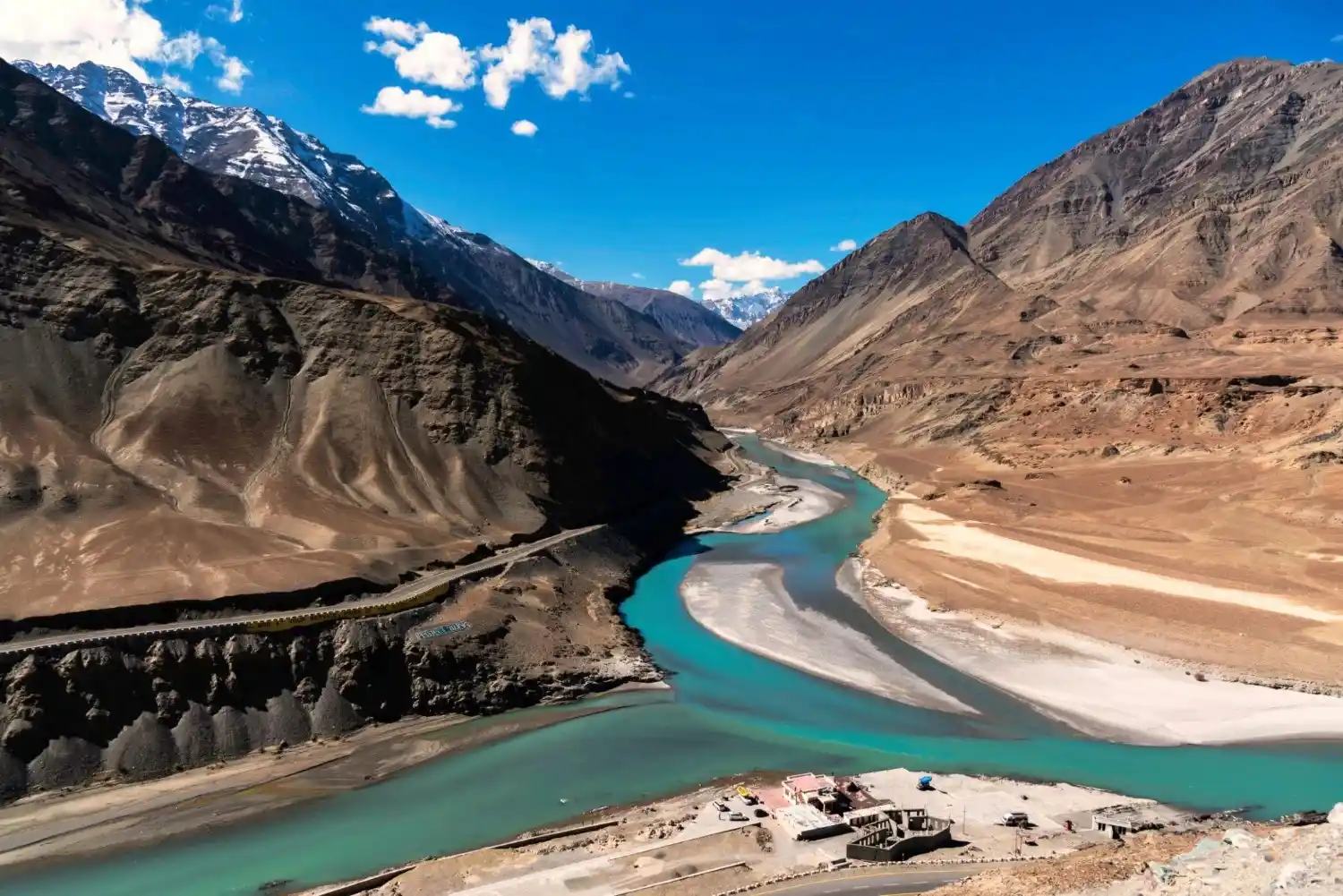
If you’re planning a trip to Ladakh, Sangam Point is one destination you simply shouldn’t miss. Located on the scenic Leh–Srinagar Highway, this spectacular viewpoint is where the mighty Indus River meets the glacier-fed Zanskar River, creating one of the most beautiful natural sights in the Himalayas. During summer, the contrast between the turquoise-blue Indus and the muddy brown Zanskar is clearly visible, making it one of the most photographed locations near Leh.
Apart from its breathtaking scenery, Sangam Point is also a popular stop for river rafting, scenic road trips, and photography enthusiasts exploring Sham Valley. Since it’s located close to several other attractions, it’s easy to include it in a one-day Leh sightseeing itinerary.
Before planning your route, it’s worth reading everything you need to know about Ladakh so you can better understand road conditions, permits, weather, and the best itinerary for your journey.
Watching two mighty Himalayan rivers merge while surrounded by towering barren mountains is an experience that’s difficult to forget. Whether you’re stopping for a few photographs, trying white-water rafting, or simply admiring the dramatic landscape, Sangam Point offers one of Ladakh’s most memorable natural attractions.
Quick Details About Sangam Point
| Details | Information |
| Location | Nimmu Village, Leh, Ladakh |
| Altitude | 3,000 metres (≈9,800 ft) |
| Rivers Meeting | Indus River & Zanskar River |
| Distance From Leh | Around 30 km |
| Travel Time | Approximately 35–40 minutes |
| Entry Fee | Free |
| Time Required | 30–45 minutes |
| Best Season | May to September |
| Permits Required | Inner Line Permit (ILP) for Indians / Protected Area Permit (PAP) for foreigners (if required as per current regulations and itinerary) |
Why is Sangam Point Famous?
Although Ladakh has countless breathtaking viewpoints, Sangam Point stands out because it combines geography, adventure, photography, and history in one location.
The Meeting of Two Mighty Rivers
The biggest attraction is watching the Indus and Zanskar Rivers merge into a single channel.
During summer, the difference between the turquoise-blue Indus and the muddy, sediment-rich Zanskar creates a striking visual contrast that’s clearly visible from the viewpoint.
One of Ladakh’s Best Photography Spots
The combination of colourful rivers, barren Himalayan mountains, blue skies, and winding valleys makes Sangam Point a paradise for photographers.
Morning and late afternoon usually provide the best lighting conditions.
Popular River Rafting Destination
The Zanskar River is among India’s most famous white-water rafting locations.
Every year, thousands of adventure enthusiasts begin or end rafting expeditions near Sangam Point.
Beautiful Drive Through Sham Valley
The drive itself is an attraction.
Travelling from Leh towards Sangam takes you through dramatic mountain landscapes, traditional Ladakhi villages, wide river valleys, and several famous sightseeing stops.
Budget-Friendly Attraction
Unlike many tourist destinations, Sangam Point has no entry fee.
Visitors can enjoy panoramic views, photography, and the surrounding landscape completely free of charge.
The Meeting of the Indus and Zanskar Rivers
Standing at Sangam Point, you’ll immediately notice that the two rivers look completely different.
The Indus River usually appears turquoise or bluish-green because of its mineral composition and relatively clearer water.
The Zanskar River, on the other hand, carries large amounts of glacial silt and fine sediments from the surrounding mountains, giving it a muddy brown appearance during summer.
When the two rivers meet, they don’t immediately blend together.
Instead, both rivers continue flowing side by side for some distance before gradually mixing downstream.
This fascinating natural phenomenon is caused by differences in water temperature, sediment content, flow velocity, and density.
During winter, however, the colour difference becomes much less noticeable because the Zanskar River partially freezes and carries significantly less sediment.
What to Expect When You Visit Sangam Point
Although Sangam Point is one of Ladakh’s most famous attractions, it remains a relatively simple roadside viewpoint rather than a heavily commercialised tourist destination.
Here’s what you can expect during your visit.
A Clearly Visible River Confluence
During summer, the meeting point of the blue Indus and brown Zanskar rivers is easily visible from the elevated viewpoint.
This unique colour contrast is the highlight of every visit.
Beautiful Mountain Landscapes
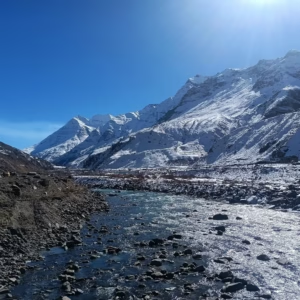
Towering barren mountains surround the river valley from every direction, creating one of Ladakh’s most dramatic natural settings.
Short Stopovers
Most travellers spend around 30–45 minutes here before continuing towards nearby attractions.
Tour buses often arrive together, so brief crowds are common during peak hours.
Windy Conditions
Strong winds are common throughout the year.
Even during summer, carrying a light jacket makes the visit much more comfortable.
Limited Shade
The viewpoint has very little natural shade.
Sunglasses, sunscreen, and drinking water are highly recommended during daytime visits.
Local Food Stalls
During the tourist season, several local vendors sell tea, snacks, cold drinks, and light refreshments near the parking area.
Rafting Activity
If you’re visiting between May and September, there’s a good chance you’ll see rafting groups preparing for or finishing their Zanskar River expedition.
Watching colourful rafts navigate the river adds even more excitement to the experience.
Best Time to Visit Sangam Point
The ideal time to visit Sangam Point is between May and September, when the roads remain open, the weather is pleasant, and the contrast between the Indus and Zanskar rivers is at its most striking. This is also the best season for sightseeing, photography, and river rafting.
If you’re planning your itinerary, visiting Ladakh in the right season helps you experience clear skies, comfortable temperatures, and safer road conditions across the region.
Season-wise Experience
| Season | What You Can Expect | Recommendation |
| May – June | Pleasant weather, clear river colours, open highways | Excellent for first-time visitors |
| July – August | Peak tourist season with rafting and vibrant landscapes | Best for adventure activities |
| September | Crystal-clear skies and fewer crowds | Ideal for photography |
| October | Cooler temperatures with peaceful surroundings | Good for relaxed sightseeing |
| November – April | Harsh winter conditions and limited activities | Suitable only for winter travellers |
Things to Do at Sangam Point
Although many visitors stop here for photographs, there is much more to experience than simply watching the rivers merge.
Witness the River Confluence
Watching the turquoise Indus River meet the muddy Zanskar River is undoubtedly the biggest attraction.
The distinct colours remain visible for some distance before gradually blending into one river.
Enjoy White-Water Rafting
Sangam Point serves as one of the most popular rafting locations in Ladakh.
Several operators organise rafting trips on the Zanskar River, ranging from beginner-friendly stretches to more adventurous rapids.
The rafting season generally runs between May and September, depending on water levels.
Capture Incredible Photographs
The panoramic valley, dramatic mountains, winding rivers, and changing river colours make Sangam Point one of Ladakh’s best photography locations.
Golden hour during early morning or late afternoon usually offers the most beautiful lighting.
Relax and Enjoy the Landscape
Unlike crowded tourist attractions, Sangam Point allows visitors to simply sit, enjoy the peaceful surroundings, and admire one of Ladakh’s most remarkable natural landscapes.
White Water Rafting at Sangam Point
One of the biggest reasons adventure enthusiasts visit Sangam Point is the opportunity to experience white-water rafting on the Zanskar River.
Depending on the chosen route, rafting expeditions range from gentle scenic rides to thrilling rapids suitable for experienced participants.
Rafting Information
| Details | Information |
| Best Season | May to September |
| Difficulty | Easy to Moderate |
| Duration | 1–3 Hours (depending on package) |
| Starting Points | Chilling, Phey, or nearby rafting camps |
| Ending Point | Sangam Point or nearby locations |
Rafting charges vary depending on the route, duration, group size, and operator.
How to Reach Sangam Point
Located on the Leh–Srinagar Highway (NH-1), Sangam Point is easily accessible from Leh by road.
By Taxi
Hiring a private taxi is the easiest option.
- Distance: 30 km
- Travel Time: 35–40 minutes
Most Leh sightseeing packages include Sangam Point along with Magnetic Hill and Gurudwara Pathar Sahib.
By Self-Drive Car
Driving yourself offers complete flexibility.
The roads are fully paved and provide spectacular views throughout the journey.
By Motorcycle
Motorcycle riders frequently include Sangam Point while exploring Sham Valley.
The smooth highway and beautiful landscapes make this one of Ladakh’s most enjoyable rides.
By Scooter
Rental scooters are easily available in Leh.
Travel Time: 35–40 minutes
Rental charges generally start from ₹600–₹900 per day, although prices vary by season.
By Shared Taxi
Shared taxis travelling towards Kargil occasionally stop near Sangam Point.
This is an economical option for budget travellers.
Distance to Sangam Point from Major Locations
| Location | Distance | Approximate Travel Time |
| Leh Market | 30 km | 35–40 minutes |
| Leh Airport | 34 km | 40–45 minutes |
| Magnetic Hill | 6 km | 10 minutes |
| Gurudwara Pathar Sahib | 8 km | 10–15 minutes |
| Hall of Fame Museum | 26 km | 30–35 minutes |
| Alchi Monastery | 38 km | 45–50 minutes |
| Lamayuru Monastery | 90 km | Around 2 hours |
| Shanti Stupa | 35 km | 45 minutes |
Nearby Attractions Near Sangam Point
1. Magnetic Hill
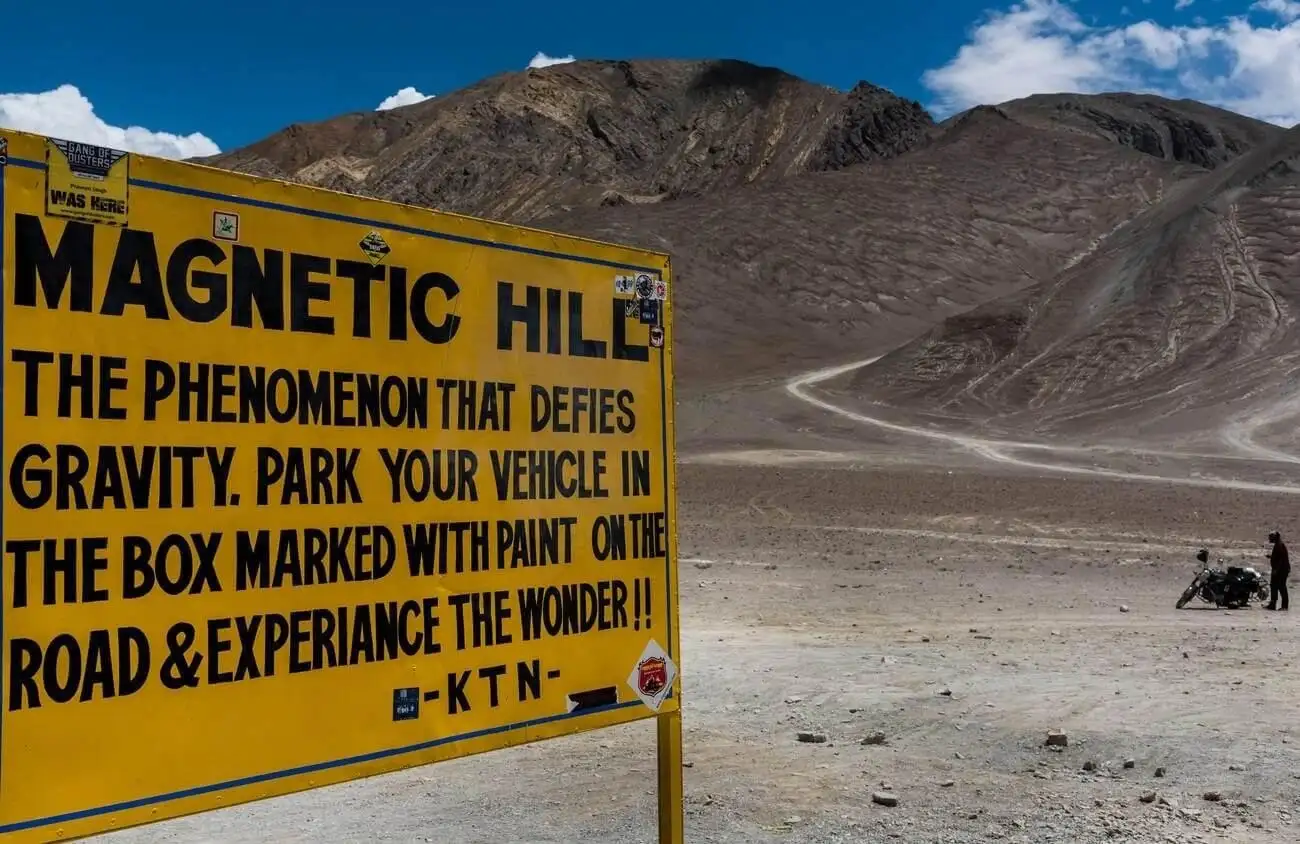
Located just 6 km from Sangam Point, Magnetic Hill can be reached in around 10 minutes. Famous for its gravity-defying optical illusion, it’s one of the most popular stops on the Leh–Kargil Highway.
2. Gurudwara Pathar Sahib
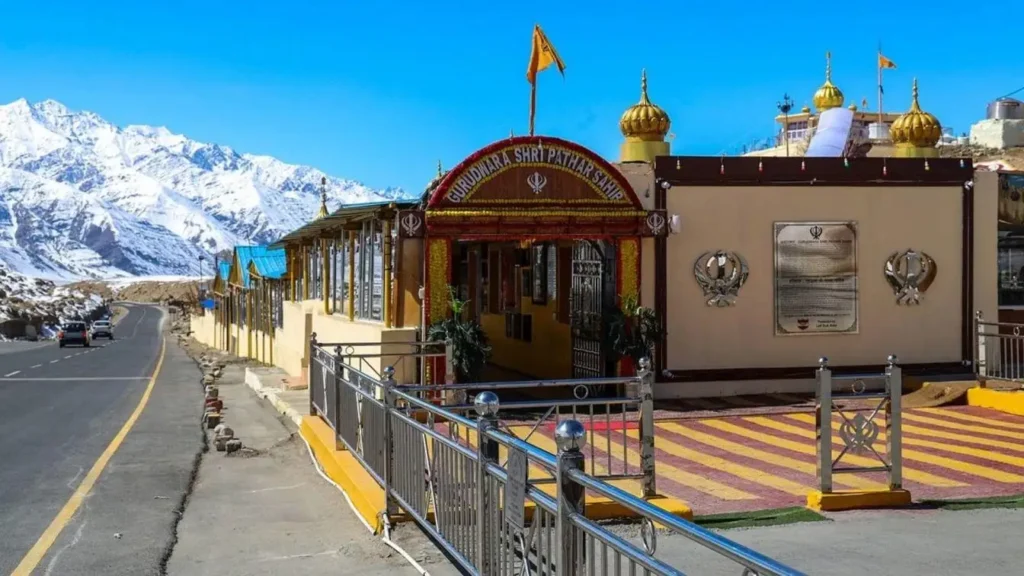
Approximately 8 km from Sangam Point, Gurudwara Pathar Sahib takes about 10–15 minutes to reach. The sacred Sikh shrine is known for the miraculous rock associated with Guru Nanak Dev Ji and the free Langar served by the Indian Army.
3. Hall of Fame Museum
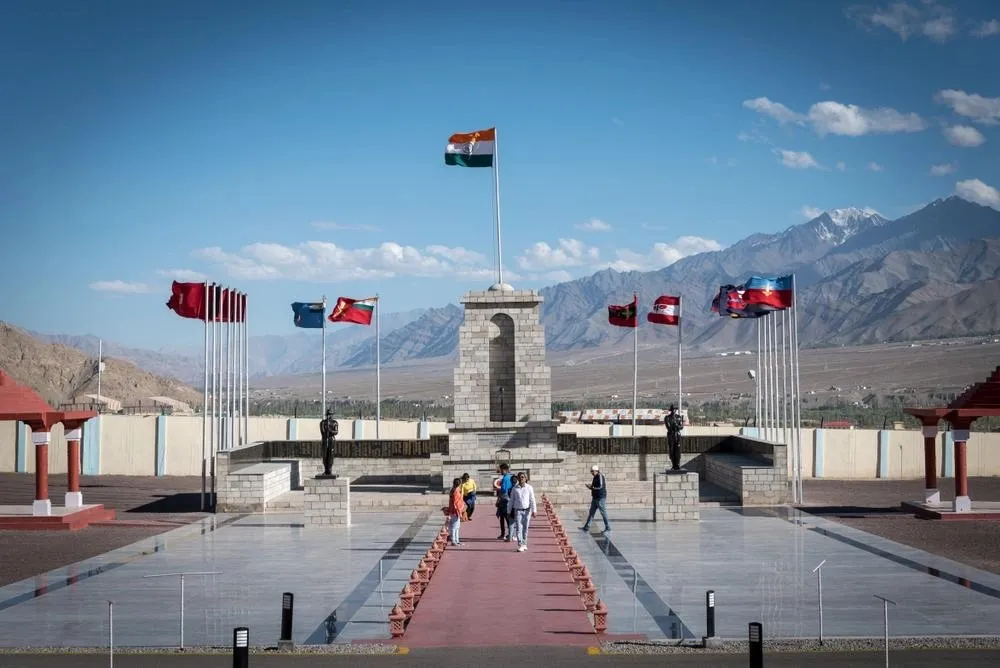
Situated around 26 km away, the Hall of Fame Museum can be reached in 30–35 minutes. Managed by the Indian Army, it showcases Ladakh’s military history and the sacrifices of Indian soldiers.
4. Alchi Monastery
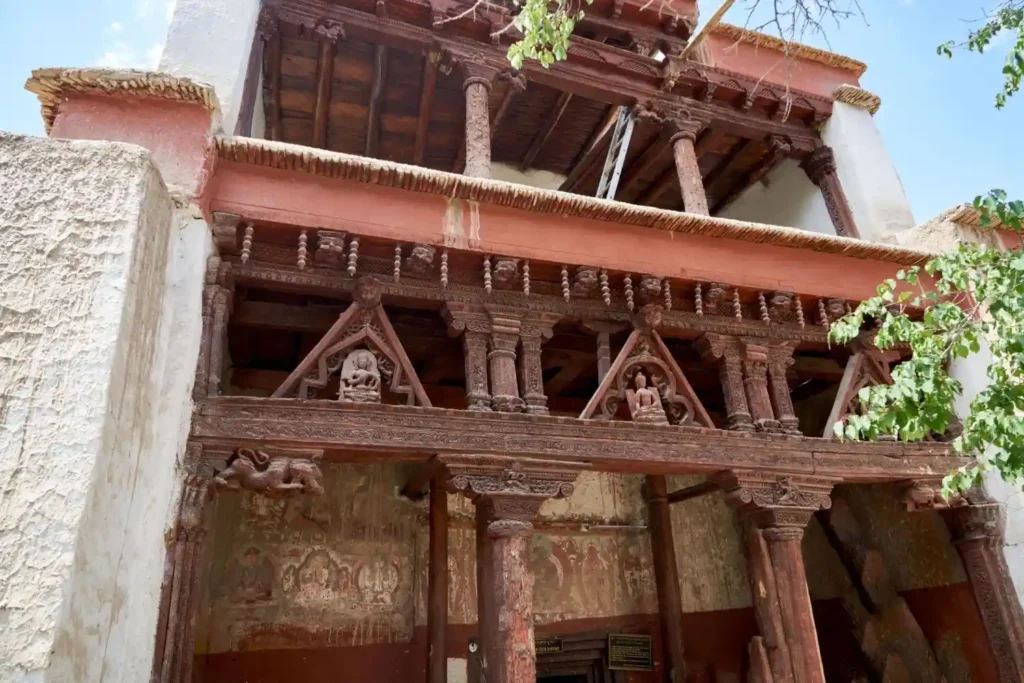
Located approximately 38 km from Sangam Point, Alchi Monastery is around a 45–50 minute drive away. It is renowned for its centuries-old murals, unique architecture, and rich Buddhist heritage.
5. Lamayuru Monastery
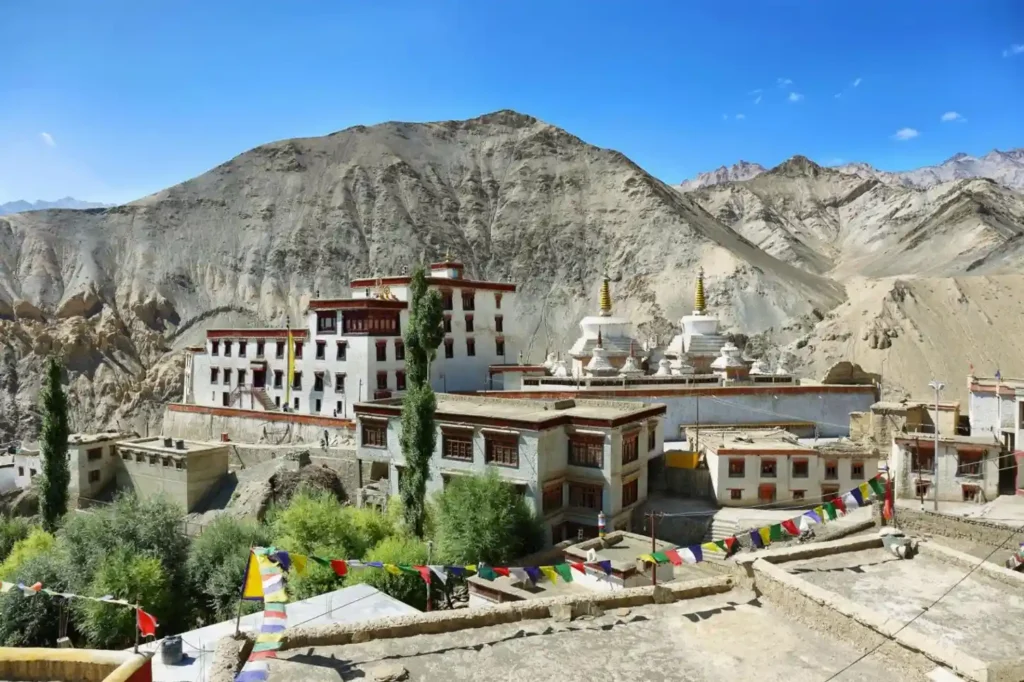
About 90 km from Sangam Point, Lamayuru Monastery takes nearly 2 hours to reach. Known as one of Ladakh’s oldest monasteries, it’s also famous for the dramatic Moonland landscape surrounding it.
Travel Tips Before Visiting Sangam Point
- Visit during the morning or late afternoon for the best lighting.
- Carry drinking water because there is limited shade.
- Wear sunglasses and sunscreen due to strong UV exposure.
- Keep a light jacket handy, as winds can become quite strong.
- Wear comfortable shoes if you plan to walk around the viewpoint.
- Don’t go too close to the riverbanks, especially during peak rafting season.
- Carry some cash for snacks and refreshments sold by local vendors.
Things to Carry to Sangam Point
- Sunglasses
- Sunscreen (SPF 50+)
- Drinking water
- Windproof jacket
- Comfortable walking shoes
- Camera or smartphone
- Power bank
- Personal medicines
- Small amount of cash
Interesting Facts About Sangam Point
- It marks the meeting point of two of Ladakh’s most important rivers.
- The Indus River is one of Asia’s longest rivers, flowing through Tibet, India, and Pakistan.
- During summer, the colour contrast between the rivers is clearly visible because of differences in sediment and glacial meltwater.
- Sangam Point serves as a popular finishing point for several Zanskar River rafting expeditions.
- There is no entry fee, making it one of the best budget-friendly attractions near Leh.
Conclusion
Sangam Point is much more than the meeting place of two rivers—it’s one of Ladakh’s most spectacular natural landmarks. The contrasting colours of the Indus and Zanskar Rivers, the dramatic mountain backdrop, and the peaceful atmosphere make it a destination that leaves a lasting impression on every traveller.
Whether you’re visiting for photography, white-water rafting, or simply to admire the beauty of the Himalayas, Sangam Point deserves a place on every Ladakh itinerary.
Explore Ladakh with TripGuruGo
From hidden monasteries and scenic river valleys to thrilling mountain roads and unforgettable adventures, TripGuruGo helps you experience Ladakh beyond the usual tourist trail. Our detailed destination guides, travel tips, and itinerary suggestions make planning your Himalayan journey easier, safer, and more rewarding.
Frequently Asked Questions
Why is Sangam Point famous?
Sangam Point is famous for the spectacular confluence of the Indus River and Zanskar River, where the two differently coloured rivers flow side by side before gradually merging.
How far is Sangam Point from Leh?
Sangam Point is located approximately 30 km from Leh and takes around 35–40 minutes to reach by road.
Is there an entry fee for Sangam Point?
No. Visitors can explore Sangam Point free of charge.
Can you do rafting at Sangam Point?
Yes. White-water rafting on the Zanskar River is one of the most popular adventure activities during the summer season.
Which rivers meet at Sangam Point?
The Indus River and the Zanskar River meet at Sangam Point near Nimmu village.
How much time should I spend at Sangam Point?
Most visitors spend around 30–45 minutes, while those participating in rafting usually spend 2–3 hours.
What are the best places to visit near Sangam Point?
Popular nearby attractions include Magnetic Hill, Gurudwara Pathar Sahib, Hall of Fame Museum, Alchi Monastery, and Lamayuru Monastery.

Anjali is a travel content writer who creates informative and engaging articles about destinations, travel tips, itineraries, and travel experiences. She enjoys simplifying travel information to help readers plan their journeys with confidence while discovering new places and cultures.