Introduction
Can you imagine visiting a place where rivers start freezing, villages disappear under snow, and temperatures drop below -20°C? That’s exactly what a trip to Spiti Valley in January feels like.
January turns Spiti Valley into a beautiful white wonderland. Snow-covered mountains, frozen landscapes, peaceful villages, and ancient monasteries make it one of the most unique winter destinations in India. However, it’s also the coldest month of the year, with heavy snowfall, freezing nights, and limited travel options.
If you’re planning your first winter trip, we recommend reading our Spiti Valley Travel Guide first. It covers routes, accommodation, budgeting, and everything you should know before visiting Spiti Valley.
In this guide, you’ll learn about January weather, snowfall, road conditions, permits, the best places to visit, travel costs, packing tips, and everything else you need to plan a safe and memorable winter trip.
Quick Facts About Spiti Valley in January
| Information | Details |
| Season | Peak Winter |
| Temperature | -10°C to -30°C |
| Snowfall | Heavy in many areas |
| Road Status | Manali Route Closed |
| Best Route | Shimla → Kaza |
| Ideal Trip Duration | 6–8 Days |
| Difficulty Level | High |
| Accommodation | Mostly Homestays |
| Mobile Network | BSNL Works Best |
| ATM Availability | Kaza & Reckong Peo |
Is Spiti Valley Worth Visiting in January?
Yes, but only if you’re ready for a true winter adventure.
Unlike the busy summer season, January offers a completely different side of Spiti Valley. Thick snow covers the mountains, roads become quieter, and the villages look more peaceful than ever. Since very few tourists visit during this time, you’ll get to enjoy the beauty of Spiti without the usual crowds.
At the same time, January is also one of the toughest months to travel. Temperatures stay below freezing, the Manali route remains closed, and many hotels shut down for winter. If you’re expecting a comfortable sightseeing trip, this may not be the right month.
However, if you love snowfall, photography, adventure, and peaceful mountain landscapes, visiting Spiti Valley in January can be an unforgettable experience.
Who Should Visit Spiti Valley in January?
January is perfect for travellers who:
- Love snowfall and winter landscapes.
- Enjoy adventure road trips.
- Want to experience local village life.
- Like photography and wildlife.
- Prefer peaceful places with fewer tourists.
Who Should Avoid Visiting in January?
January may not be the best choice if you:
- Are travelling with young children or elderly family members.
- Are not comfortable with freezing temperatures.
- Want luxury hotels and modern facilities.
- Have no experience travelling in high-altitude regions.
- Prefer an easy and relaxed road trip.
Pros and Cons of Visiting Spiti Valley in January
| Pros | Cons |
| Beautiful snow-covered landscapes | Extremely cold weather |
| Fewer tourists | Manali route remains closed |
| Great winter photography | Limited accommodation |
| Chance to see Snow Leopards | Difficult road conditions |
| Peaceful villages | Limited public transport |
Weather in Spiti Valley in January
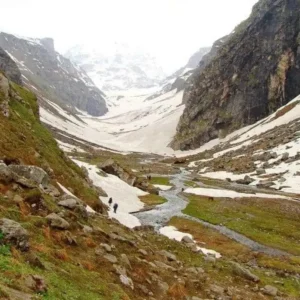
January is the coldest month of the year in Spiti Valley. Almost every part of the valley experiences freezing temperatures, icy winds, and regular snowfall. Rivers, streams, and water pipes often freeze, while thick snow covers the mountains and nearby villages.
Although the weather can be challenging, January also offers some of the clearest mountain views of the year. Sunny winter mornings after fresh snowfall create beautiful landscapes that attract photographers and adventure lovers from across the country.
Temperature in January
During the day, temperatures usually stay between -5°C and -10°C. At night, the temperature can easily fall between -20°C and -30°C, especially in villages located at higher altitudes.
Warm winter clothing is essential because the weather can change quickly, even on sunny days.
Does It Snow in January?
Yes. January is one of the best months to experience snowfall in Spiti Valley. Fresh snow is common across many villages, and the entire valley turns into a beautiful white landscape.
If your main reason for visiting is to enjoy snowfall, don’t miss our Best Time to Visit Spiti Valley in Winter for Snowfall guide. It explains which winter months receive the most snow, expected weather conditions, and the best time to plan your trip.
Can You Visit Spiti Valley in January?
Yes, you can visit Spiti Valley in January, but only through the Shimla–Kinnaur route.
The popular Manali–Kaza road remains completely closed during January because heavy snowfall blocks Kunzum Pass and nearby roads. This means every traveller must enter and leave Spiti Valley through Shimla, Reckong Peo, Nako, Tabo, and finally Kaza.
Road conditions can change quickly after fresh snowfall, so keep an extra day in your itinerary in case of delays. If you’re driving yourself, travel slowly and avoid driving after sunset. Hiring an experienced local driver or travelling in a 4×4 vehicle is always a safer option during winter.
Road Conditions in Spiti Valley in January
Road conditions during January are very different from the summer season. While the Shimla route usually stays open, snow, black ice, and occasional landslides can make driving more challenging.
Delhi to Shimla
This stretch has smooth highways and is usually the easiest part of the journey. Winter fog may reduce visibility during the early morning, so drive carefully.
Shimla to Reckong Peo
Roads remain open most of the time, but some mountain sections may have snow or black ice after fresh snowfall. Drive slowly, especially on sharp bends.
Reckong Peo to Kaza
This is the toughest part of the journey. Expect icy roads, snow-covered stretches, and changing weather conditions. Start your drive early in the morning and avoid travelling after dark.
Is the Manali Route Open in January?
No.
The Manali–Kaza route stays closed throughout January because Kunzum Pass receives heavy snowfall during winter. This road usually reopens only after snow clearance work begins in the summer season.
Best Route to Reach Spiti Valley in January
The Shimla–Kinnaur route is the only reliable way to reach Spiti Valley during January.
Recommended Route
Delhi
↓
Shimla
↓
Narkanda
↓
Kalpa
↓
Nako
↓
Tabo
↓
Kaza
This route allows your body to adjust gradually to the increasing altitude, which also helps lower the risk of Acute Mountain Sickness (AMS). It is the safest and most practical option for travelling to Spiti Valley in winter.
Do You Need a Permit?
Most Indian travellers do not need a permit for the main tourist circuit of Spiti Valley. However, if you plan to visit certain restricted areas near the India–China border, you may need special permission.
Before planning your trip, read our Spiti Valley Travel Permit Guide to check the latest permit rules, required documents, and the areas where permits may still be needed.
Best Places to Visit in Spiti Valley in January
Even though January is one of the coldest months of the year, many of Spiti Valley’s famous attractions remain open. Snow completely changes the landscape, making monasteries, villages, and mountains look even more beautiful. Since there are fewer tourists, you can enjoy these places in a peaceful atmosphere.
Kaza
Kaza is the main town and the best place to stay during a January trip. Most homestays, cafés, medical stores, and essential services are available here even in winter. It’s also the perfect base for exploring nearby villages if the weather allows.
Key Monastery
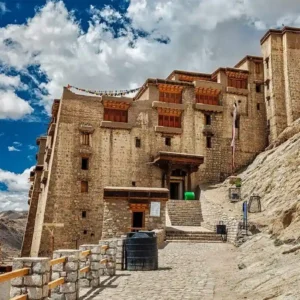
Key Monastery is one of the most famous places in Spiti Valley. During January, the monastery looks even more beautiful as it’s surrounded by snow-covered mountains. If you’re lucky, you may also witness monks performing their daily prayers in the peaceful winter setting.
Kibber Village
Kibber is one of the highest inhabited villages in the world and is known for its beautiful winter views. The village is also one of the best places for spotting Himalayan wildlife during winter, especially the famous Snow Leopard.
Hikkim
Hikkim is home to the world’s highest post office. If road conditions are good, you can still visit the village and send a postcard to your family or friends. Snow-covered houses and mountain views make the village even more beautiful during January.
Komic
Komic is one of the highest motorable villages in the world. Winter transforms the village into a peaceful white landscape where you can experience the simple lifestyle of the local people.
Langza
Langza is famous for its giant Buddha statue and stunning mountain views. During January, thick snow covers the entire village, creating one of the most beautiful winter landscapes in Spiti Valley.
Tabo Monastery
Tabo Monastery is over 1,000 years old and is often called the “Ajanta of the Himalayas.” Since it’s one of the oldest monasteries in India, it’s worth including in your winter itinerary.
Dhankar Monastery
Built on a cliff, Dhankar Monastery offers beautiful views of the Spiti Valley. If road conditions are safe, it’s one of the most rewarding places to visit during winter.
Pin Valley National Park
Pin Valley National Park becomes a snowy paradise during January. While heavy snowfall limits access to some areas, it’s one of the best regions for wildlife lovers hoping to spot Himalayan Blue Sheep, Ibex, or even the rare Snow Leopard.
Top Things to Do in Spiti Valley in January
January isn’t about rushing from one tourist spot to another. It’s the perfect time to slow down, enjoy the peaceful surroundings, and experience the true winter beauty of Spiti Valley.
Experience Fresh Snowfall
One of the biggest reasons to visit Spiti Valley in January is the chance to experience fresh snowfall. Snow-covered villages, frozen rivers, and white mountain peaks create unforgettable views. If snowfall is the main reason for your trip, read our Best Time to Visit Spiti Valley in Winter for Snowfall guide to choose the right time and understand winter weather conditions.
Visit Ancient Monasteries
January is a peaceful time to visit famous monasteries like Key, Tabo, and Dhankar. With fewer tourists around, you can spend more time exploring these beautiful places and experience the calm surroundings.
Spot a Snow Leopard
Winter is considered one of the best seasons for spotting Snow Leopards. During January, these rare animals sometimes come down to lower areas in search of food. While sightings are never guaranteed, wildlife lovers often visit Spiti during this season for this unique experience.
Enjoy Winter Photography
From snow-covered villages to frozen rivers and clear blue skies, January offers endless photography opportunities. Sunrise and sunset are usually the best times to capture the beautiful winter landscapes.
Experience Local Village Life
Winter gives you a chance to see how local families live during one of the coldest months of the year. Staying in a traditional homestay, enjoying local food, and talking to the residents make the trip even more memorable.
Try Local Himachali and Tibetan Food
Hot bowls of thukpa, momos, butter tea, and simple home-cooked meals feel even more enjoyable after spending time in the freezing weather.
Enjoy Stargazing
On clear nights, Spiti Valley offers an incredible view of the stars. Since there’s very little light pollution, you can enjoy one of the clearest night skies in India.
Can You Ride a Bike in Spiti Valley in January?
A bike trip to Spiti Valley in January is not recommended for most travellers.
Heavy snowfall, black ice, freezing temperatures, and closed roads make riding extremely risky. The Manali route remains closed throughout the month, while the Shimla route can also become difficult after fresh snowfall.
If you’re planning a bike trip to Spiti Valley during the summer season instead, check out our Best Bike for a Spiti Valley Trip guide to choose the right motorcycle and prepare for your adventure.
Where to Stay in Spiti Valley in January
Accommodation options are limited during January because many hotels and camps remain closed for winter.
The best option is to stay in local homestays, especially in Kaza, Tabo, and a few nearby villages. Most homestays provide warm blankets, home-cooked meals, and heated common areas, making your stay much more comfortable in freezing weather.
Always book your accommodation in advance, as the number of available rooms is much lower than during the summer season.
Food Availability
Although many tourist cafés close during winter, you’ll still find small local restaurants and homestays serving fresh meals.
Popular food available during January includes:
- Momos
- Thukpa
- Butter Tea
- Maggi
- Rajma Chawal
- Dal Rice
- Tibetan Bread
Carrying a few dry snacks and energy bars is also a good idea, especially if you’re travelling long distances.
Mobile Network and Internet
Network coverage is limited during winter.
| Network | Coverage |
| BSNL | Best |
| Jio | Limited |
| Airtel | Limited |
| Vi | Very Limited |
Internet speeds may be slow, especially after snowfall. Download offline maps before starting your trip.
ATM and Cash Availability
ATMs are available in:
- Kaza
- Reckong Peo
Carry enough cash before entering Spiti Valley because ATMs may occasionally run out of cash, and digital payments don’t work everywhere.
Packing List for Spiti Valley in January
| Clothing | Essentials |
| Heavy winter jacket | Government ID |
| Thermal wear | Medicines |
| Woollen gloves | Sunglasses |
| Woollen cap | Sunscreen |
| Thick socks | Lip balm |
| Waterproof shoes | Power bank |
| Muffler | Torch |
| Sweater | Water bottle |
Winter Clothing Checklist
Layering is the best way to stay warm during a January trip.
Carry:
- Down jacket
- Thermal innerwear
- Fleece jacket
- Waterproof gloves
- Woollen cap
- Neck warmer
- Waterproof trekking shoes
- Extra woollen socks
These clothes will help you stay comfortable even when temperatures fall below -20°C.
Budget for a Spiti Valley Trip in January
Planning your budget in advance helps you avoid unexpected expenses during a winter trip. Compared to the summer season, travelling to Spiti Valley in January can cost slightly more because public transport is limited, road conditions are challenging, and many travellers prefer hiring private taxis. Your overall budget will depend on your travel style, group size, and accommodation choice.
| Expense | Approximate Cost |
| Transport | ₹8,000–₹18,000 |
| Stay | ₹6,000–₹12,000 |
| Food | ₹2,500–₹4,500 |
| Local Taxi & Sightseeing | ₹4,000–₹8,000 |
| Miscellaneous | ₹2,000–₹4,000 |
Estimated Budget: ₹22,000–₹45,000 per person for a 9-day trip.
Acute Mountain Sickness (AMS)
The high altitude of Spiti Valley increases the risk of Acute Mountain Sickness (AMS), especially during winter when your body takes longer to adjust to the cold weather. Even experienced travellers can experience mild symptoms if they climb too quickly without proper acclimatization. Knowing the warning signs and taking a few precautions can help you enjoy a safer trip.
Common Symptoms
- Headache
- Dizziness
- Nausea
- Shortness of breath
- Loss of appetite
- Unusual tiredness
How to Prevent AMS
- Travel through the Shimla route instead of Manali.
- Drink enough water throughout the trip.
- Avoid alcohol and smoking.
- Eat light and healthy meals.
- Rest well after reaching Kaza.
- Avoid climbing to higher villages immediately after arrival.
If the symptoms become severe, move to a lower altitude and seek medical help as soon as possible.
Winter Photography Tips
January is one of the best months to capture the beauty of Spiti Valley. Fresh snowfall, frozen rivers, colourful monasteries, and clear blue skies create amazing photo opportunities throughout the valley. The peaceful surroundings also make it easier to capture landscapes without large crowds.
For better photographs:
- Start early to capture sunrise.
- Use the golden hour before sunset.
- Carry extra camera batteries because cold weather drains them quickly.
- Protect your camera from snow and moisture.
- Carry a tripod for night photography and star trails.
Common Mistakes to Avoid
Many travellers underestimate how challenging winter can be in Spiti Valley. Avoiding a few common mistakes will make your trip much safer and more comfortable.
- Planning to enter through the Manali route.
- Carrying insufficient winter clothing.
- Wearing normal sports shoes instead of waterproof boots.
- Ignoring AMS symptoms.
- Travelling after sunset.
- Depending completely on mobile networks.
- Not carrying enough cash.
- Starting the journey without checking road conditions.
Is Spiti Valley Safe in January?
Spiti Valley is generally safe to visit in January, but winter weather demands extra caution. Heavy snowfall, icy roads, and freezing temperatures are the biggest challenges rather than safety concerns. If you plan your trip carefully and follow local advice, you can enjoy a safe and memorable winter experience.
For a safer trip:
- Drive slowly on snow-covered roads.
- Avoid travelling after dark.
- Stay updated with weather forecasts.
- Choose reliable homestays or hotels.
- Carry essential medicines and a first-aid kit.
- Keep family members informed about your travel plans.
Essential Travel Tips
A little preparation can make a big difference during a January trip to Spiti Valley. These practical tips will help you travel more comfortably and avoid unnecessary problems.
- Keep one extra day in your itinerary for weather-related delays.
- Carry enough cash before entering Spiti Valley.
- Download offline maps.
- Keep your phone and power bank fully charged.
- Wear clothes in multiple layers instead of one thick jacket.
- Start your drive early every morning.
- Respect local customs while visiting monasteries.
- Avoid littering and help keep Spiti Valley clean.
Conclusion
Spiti Valley in January offers a completely different experience from the summer season. Snow-covered mountains, frozen landscapes, peaceful villages, and ancient monasteries create unforgettable memories for travellers who enjoy winter adventures. While the weather can be challenging, proper planning, warm clothing, and a flexible itinerary will help you enjoy the trip safely.
If you’re looking for a peaceful winter destination away from crowded tourist spots, Spiti Valley in January is definitely worth considering.
Plan Your Winter Trip with TripGuruGo
Planning a winter trip to Spiti Valley takes careful preparation because weather and road conditions can change quickly. We hope this guide helps you plan a safe, comfortable, and memorable journey. Keep exploring TripGuruGo for more practical travel guides, seasonal updates, and useful tips to make your Spiti Valley adventure even better.
Frequently Asked Questions (FAQs)
Is January a good time to visit Spiti Valley?
Yes. January is perfect for travellers who want to experience snowfall, peaceful villages, and beautiful winter landscapes. However, you should be prepared for freezing temperatures and limited facilities.
Can I enter Spiti Valley through Manali in January?
No. The Manali–Kaza road remains closed throughout January because of heavy snowfall around Kunzum Pass.
Which route is open in January?
The Shimla–Kinnaur route is the only reliable route to reach Spiti Valley during January.
Does it snow in Spiti Valley in January?
Yes. January is one of the snowiest months of the year, and fresh snowfall is common across many parts of the valley.
Is Spiti Valley safe for a family trip in January?
Yes, but families should travel carefully, choose reliable accommodation, and avoid travelling during heavy snowfall.
Can beginners visit Spiti Valley in January?
Yes, but beginners should travel with proper planning, allow enough time for acclimatization, and avoid driving in difficult weather conditions.
Apurv jain is a travel seo and content writer who specializes in creating well-researched and engaging travel content. His work focuses on destinations, itineraries, travel guides, and practical tips that help readers plan memorable and hassle-free journeys.