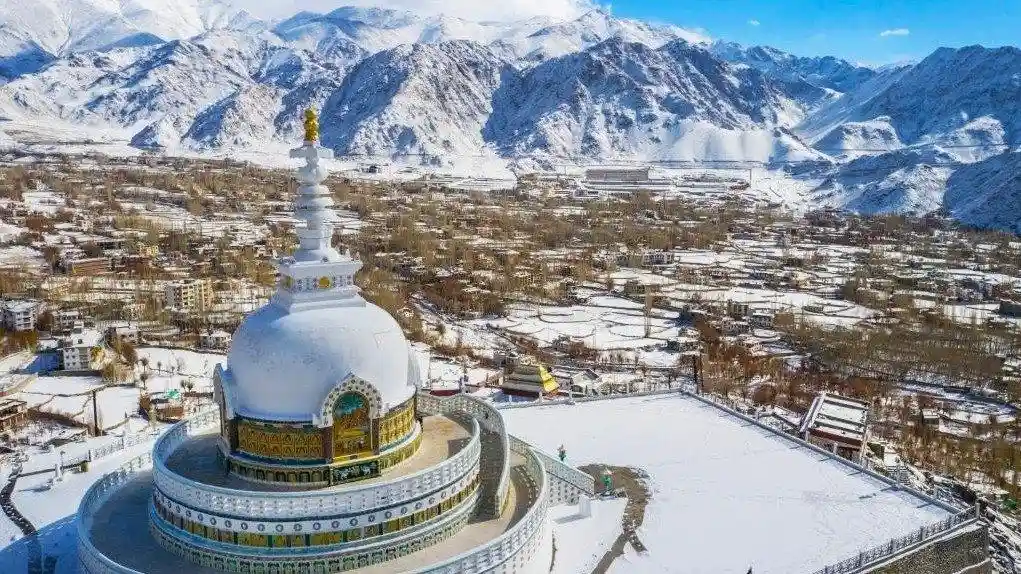
Planning a trip to Ladakh in August can feel confusing. One person says it’s the perfect month for breathtaking landscapes, while another warns you about landslides, roadblocks, and unpredictable weather.
The reality lies somewhere in between.
Unlike most parts of North India, Leh receives very little rainfall because it lies in a rain shadow region of the Himalayas. However, the roads leading to Ladakh especially the Manali Leh Highway and parts of the Srinagar Leh Highway can experience heavy rain, landslides, overflowing streams, and temporary road closures during August.
That doesn’t mean you should cancel your plans.
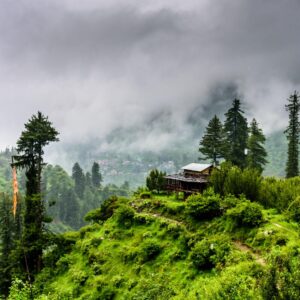
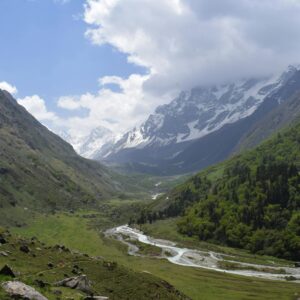
In fact, August is one of the most rewarding months to visit Ladakh if you travel with proper planning. Valleys become greener, lakes look more vibrant, waterfalls flow at full strength, and the crowds gradually become smaller than the peak weeks of July.
This guide covers everything you need to know, from weather conditions and road safety to the best places to visit, packing essentials, and practical travel advice so you can enjoy Ladakh safely during the monsoon season. If you’re planning your journey for the first time, our Travel Guide to Ladakh will help you understand routes, permits, accommodation, and everything you should know before you travel.
Weather in Ladakh in August
August is one of the warmest months in Ladakh. Daytime temperatures remain pleasant, while nights continue to be cold, especially around Pangong Lake, Tso Moriri, and other high altitude regions.
Average Temperature
| Time | Temperature |
| Day | 18°C to 25°C |
| Night | 6°C to 12°C |
Leh itself usually receives very little rainfall because of its unique geographical location. The biggest challenge isn’t rain inside Ladakh but the highways leading into the region.
Travellers entering through Manali often experience:
- Landslides
- Mudslides
- Water crossings
- Traffic delays
If you’re planning on driving through the Manali route, understanding how to reach Ladakh from Manali beforehand can help you choose safer travel timings during the monsoon.
Is August a Good Time to Visit Ladakh?
Absolutely provided you travel with realistic expectations.
August offers a completely different side of Ladakh compared to June or September. The mountains look fresher, rivers flow more strongly, and the landscape feels far more colourful.
Unlike the early summer months, tourist facilities are fully operational, making it easier to find accommodation, cafés, taxis, and local tours.
If your itinerary is flexible and you’re prepared for occasional weather-related delays, August can be one of the most memorable months to visit.
Benefits of Visiting Ladakh in August
Beautiful Green Valleys
Thanks to the monsoon around the surrounding Himalayan ranges, areas near Kargil, Drass, and the Srinagar Highway become noticeably greener than usual.
Crystal Clear Lakes
Lakes such as Pangong Tso and Tso Moriri look even more stunning under the bright August sunlight, creating incredible reflections that photographers love.
Comfortable Daytime Weather
Unlike winter, you can comfortably explore monasteries, markets, mountain passes, and villages throughout the day without dealing with freezing temperatures.
If you’re planning a longer Himalayan holiday, you can also combine Ladakh with
Every Major Tourist Attraction Remains Open
By August, almost every major destination is accessible, including:
- Pangong Lake
- Nubra Valley
- Khardung La
- Magnetic Hill
- Tso Moriri
- Hanle
- Lamayuru
- Alchi Monastery
- Diskit Monastery
- Hunder Sand Dunes
- Turtuk Village
Perfect Month for Photography
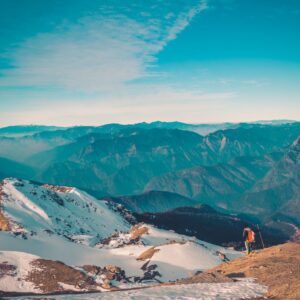
August combines dramatic clouds, blue skies, flowing rivers, colourful prayer flags, lush valleys, and snow covered peaks all in the same frame.
Golden hour photography is especially beautiful around Pangong Lake, Nubra Valley, and Hanle.
Challenges of Visiting Ladakh in August
While August is beautiful, travellers should also be aware of the practical challenges.
Landslides on Approach Roads
Heavy rainfall can trigger landslides along the Manali Leh and Srinagar Leh highways.
Road closures may last a few hours or, in some cases, an entire day.
Water Crossings
Several glacier fed streams, locally known as nallahs, become much deeper during the afternoon.
One of the most well known examples is Pagal Nallah, where water levels rise rapidly after snow starts melting later in the day.
Traffic Delays
Even when roads remain open, long vehicle queues are common after rainfall or landslides.
Always keep at least two extra buffer days in your itinerary.
Unpredictable Weather
Mountain weather changes quickly.
A sunny morning can easily turn into an afternoon of rain or thick clouds, so carrying waterproof gear is essential.
Monsoon Safety Tips for Ladakh in August
Following a few simple precautions can make your trip much safer.
Start Your Journey Early
Leave before 6:00 AM whenever possible.
Morning roads are generally safer, traffic is lighter, and glacier streams have lower water levels.
Cross Water Streams Before 10 AM
Glacial streams become much stronger after late morning due to rising temperatures.
Try to cross them before 10:00 AM for safer driving conditions.
Keep Buffer Days
Never plan your Ladakh itinerary too tightly during August.
Adding two to three buffer days protects you from unexpected road closures caused by bad weather.
Monitor Road Conditions Daily
Before leaving your hotel, always check local weather updates, BRO advisories, and road conditions with your driver or accommodation.
Carry Waterproof Protection
Protect important items using waterproof covers.
Carry:
- Rain cover for backpack
- Waterproof jacket
- Waterproof riding gloves
- Extra socks
- Mobile waterproof pouch
- Rain cover for luggage
Best Places to Visit in Ladakh in August
August is one of the best months for sightseeing because almost every major attraction remains open. The pleasant daytime weather makes long road trips much more enjoyable, while the landscapes appear greener than earlier summer months.
Pangong Lake
Why Visit in August?
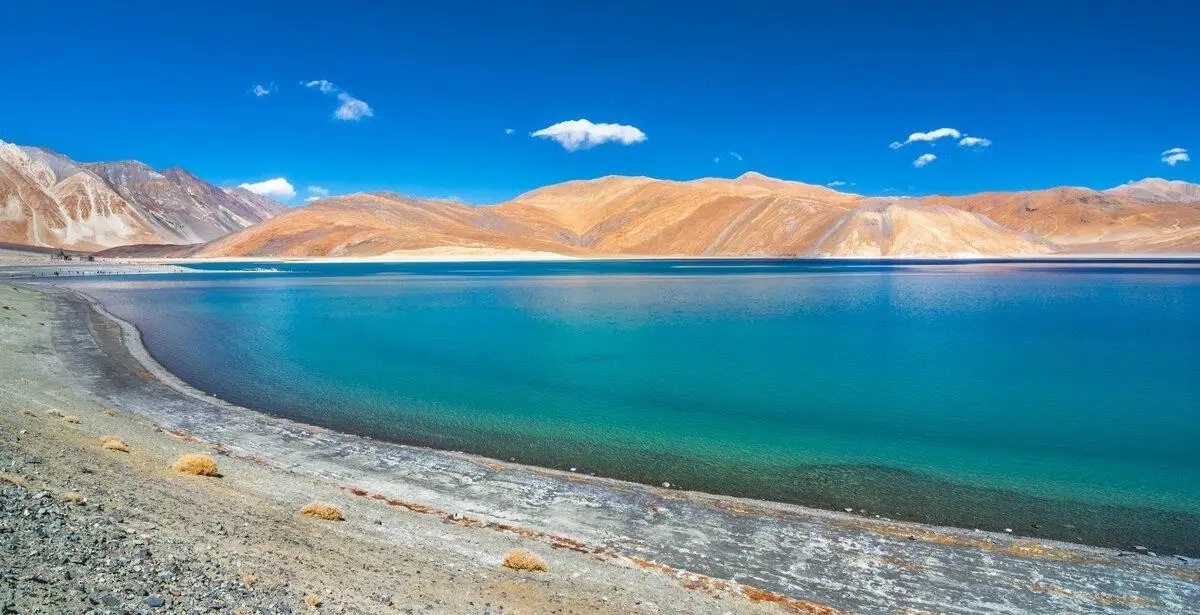
Pangong Lake looks absolutely stunning in August. The lake reflects shades of blue, turquoise, and emerald depending on the sunlight, while the surrounding mountains create one of the most iconic views in Ladakh.
Although nights remain cold, daytime weather is usually comfortable for sightseeing and photography.
Distance from Leh
- Distance: 160 km
- Travel Time: 5–6 hours
Nearby Attractions
- Chang La Pass – 75 km
- Spangmik Village – 8 km
- Merak Village – 22 km
August Travel Tip
Leave Leh early in the morning to avoid afternoon traffic and changing weather near Chang La.
Travellers covering multiple high altitude destinations should also understand how to plan a Spiti Valley trip, as many backpackers combine both Himalayan regions in separate journeys.
Nubra Valley
Why Visit in August?
August brings pleasant weather to Nubra Valley, making it ideal for sightseeing, camping, and exploring villages. The combination of green fields, snow-covered mountains, and sand dunes makes the valley look even more beautiful during this time.
Distance from Leh
- Distance: 120 km
- Travel Time: 5–6 hours
Nearby Attractions
- Diskit Monastery – 7 km from Hunder
- Hunder Sand Dunes – 5 km
- Turtuk Village – 85 km
August Travel Tip
Cross Khardung La Pass early in the morning to avoid heavy tourist traffic.
Tso Moriri Lake
Why Visit in August?
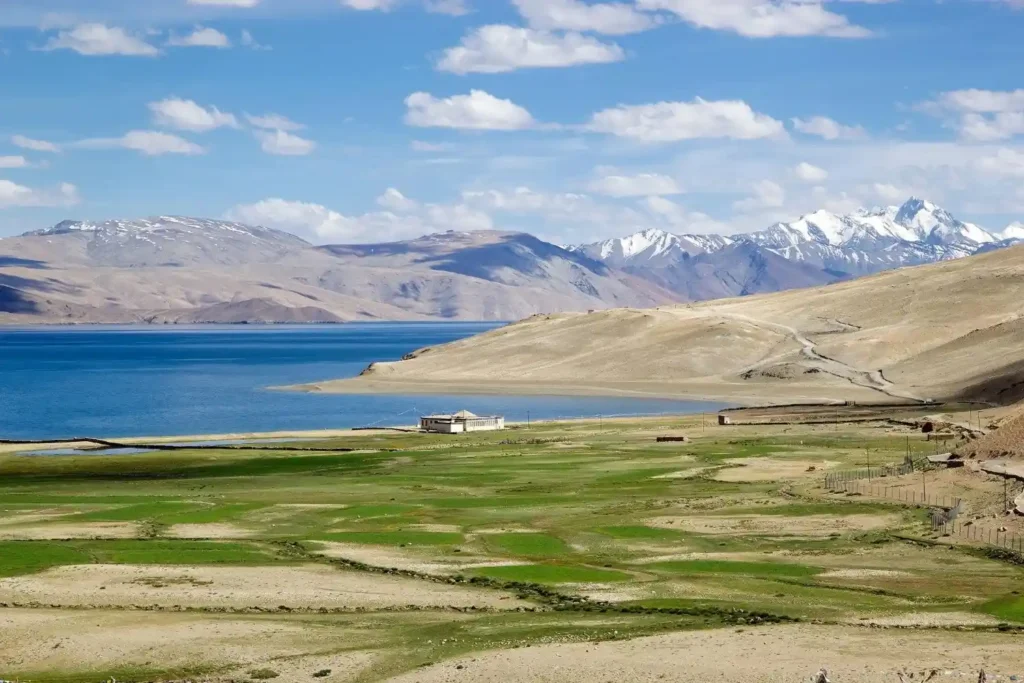
If you’re looking for a quieter destination, Tso Moriri is an excellent choice. August offers pleasant daytime weather and crystal clear views of the lake surrounded by dramatic mountain landscapes.
Distance from Leh
- Distance: 220 km
- Travel Time: 6–7 hours
Nearby Attractions
- Korzok Village – 2 km
- Tso Kar Lake – 90 km
August Travel Tip
Spend your first two days in Leh before visiting Tso Moriri to allow your body to adjust to the altitude. Learning about high altitude travel preparation beforehand can make your journey much more comfortable.
Khardung La Pass
Why Visit in August?
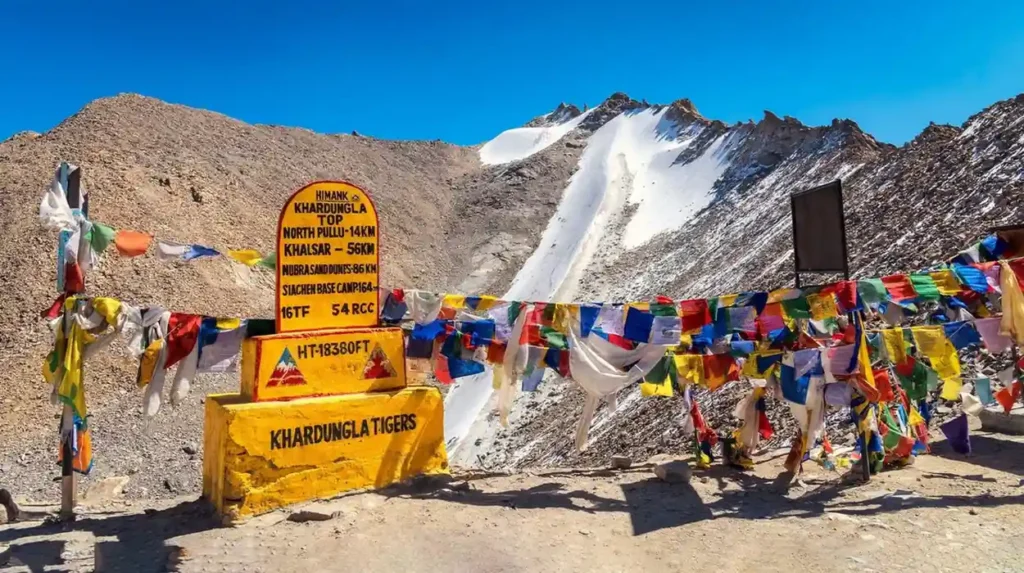
Standing at one of the world’s highest motorable roads, Khardung La Pass remains one of the biggest highlights of every Ladakh trip. August generally offers clear mountain views during the morning.
Distance from Leh
- Distance: 39 km
- Travel Time: Around 1.5 hours
Nearby Attractions
- Nubra Valley – 80 km
- South Pullu Checkpost – 25 km
August Travel Tip
Weather changes rapidly here, so avoid spending too much time at the top due to the high altitude.
Magnetic Hill
Why Visit in August?
Known for its famous optical illusion, Magnetic Hill attracts thousands of visitors every year. Since the roads remain dry inside Ladakh, August is still a good time to stop here while exploring Sham Valley.
Distance from Leh
- Distance: 27 km
- Travel Time: 35–40 minutes
Nearby Attractions
- Gurudwara Pathar Sahib – 5 km
- Sangam Point – 8 km
- Hall of Fame – 23 km
Lamayuru Monastery
Why Visit in August?
Known as the Moonland of Ladakh, Lamayuru looks especially beautiful during August because the dramatic landscapes contrast perfectly with the blue skies.
Distance from Leh
- Distance: 115 km
- Travel Time: Around 3 hours
Nearby Attractions
- Moonland Viewpoint – Walking distance
- Alchi Monastery – 65 km
- Khaltse – 20 km
Alchi Monastery
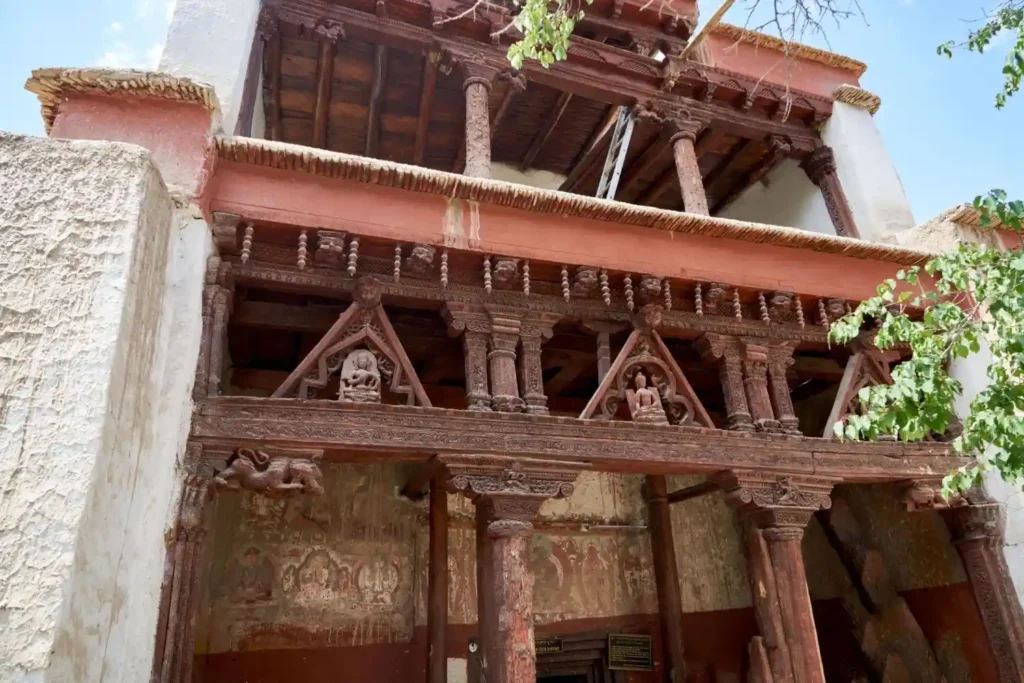
Why Visit in August?
Home to some of Ladakh’s oldest Buddhist paintings and wooden carvings, Alchi Monastery is perfect for travellers interested in history and culture.
Distance from Leh
- Distance: 67 km
- Travel Time: Around 2 hours
Nearby Attractions
- Likir Monastery – 22 km
- Basgo Monastery – 35 km
Hunder Sand Dunes
Why Visit in August?
The contrast between white sand dunes and green valleys is at its best during August. Visitors can enjoy the famous double humped Bactrian camel rides while surrounded by snow-capped mountains.
Distance from Leh
- Distance: 125 km
- Travel Time: Around 6 hours
Nearby Attractions
- Diskit Monastery – 7 km
- Turtuk Village – 85 km
Diskit Monastery
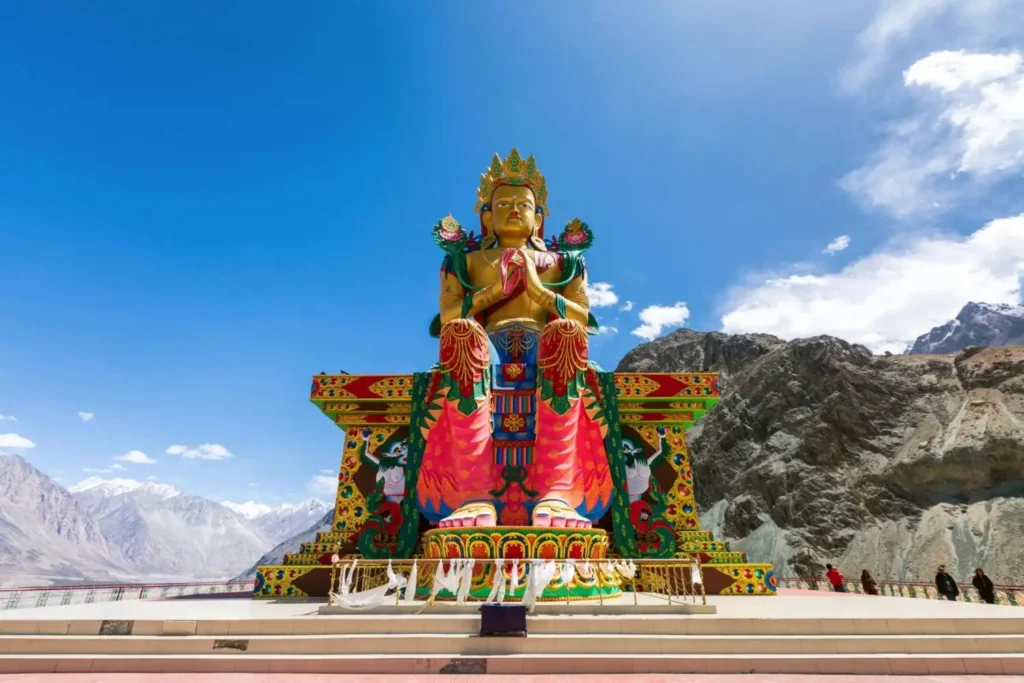
Why Visit in August?
The giant Maitreya Buddha Statue overlooking Nubra Valley offers spectacular views during August when visibility is usually excellent.
Distance from Leh
- Distance: 118 km
- Travel Time: Around 5–6 hours
Nearby Attractions
- Hunder – 7 km
- Panamik – 50 km
Turtuk Village
Why Visit in August?
August is one of the best months to visit Turtuk Village, as the orchards are full of apricots and walnuts. The pleasant weather also makes walking through the village much more enjoyable.
Distance from Leh
- Distance: 205 km**
- Travel Time: Around 7 hours
Nearby Attractions
- Hunder – 85 km
- Thang Village – 30 km
Packing Checklist for Ladakh in August
Packing smart is extremely important during the monsoon season.
Carry:
- Waterproof jacket
- Rain cover for backpack
- Thermal innerwear
- Fleece jacket
- Waterproof trekking shoes
- Extra socks
- Sunglasses
- Sunscreen
- Power bank
- Personal medicines
- Offline maps
- Cash
If you’re travelling by road, it’s also a good idea to understand planning a safe Ladakh route before starting your journey, especially during August when weather conditions can change quickly.
Road Conditions in Ladakh in August
Road conditions are the biggest concern for travellers visiting Ladakh in August. While Leh town itself receives very little rainfall, the highways leading to Ladakh can experience landslides, mudslides, and overflowing glacier streams after heavy rain.
Manali–Leh Highway
The Manali route is the more adventurous option but also the one most affected during the monsoon. Water crossings such as Pagal Nallah become deeper as the day progresses because melting glaciers increase the water flow.
If you’re planning to enter Ladakh through this route, knowing the safest way to reach Ladakh from Manali before your journey can help you avoid unnecessary delays.
Srinagar–Leh Highway
Compared to the Manali route, the Srinagar Highway generally offers a more gradual climb, making acclimatization easier. However, heavy rainfall around Zoji La Pass may occasionally cause temporary traffic disruptions.
Always check the latest road conditions before starting your drive.
Bike Trip Tips for August
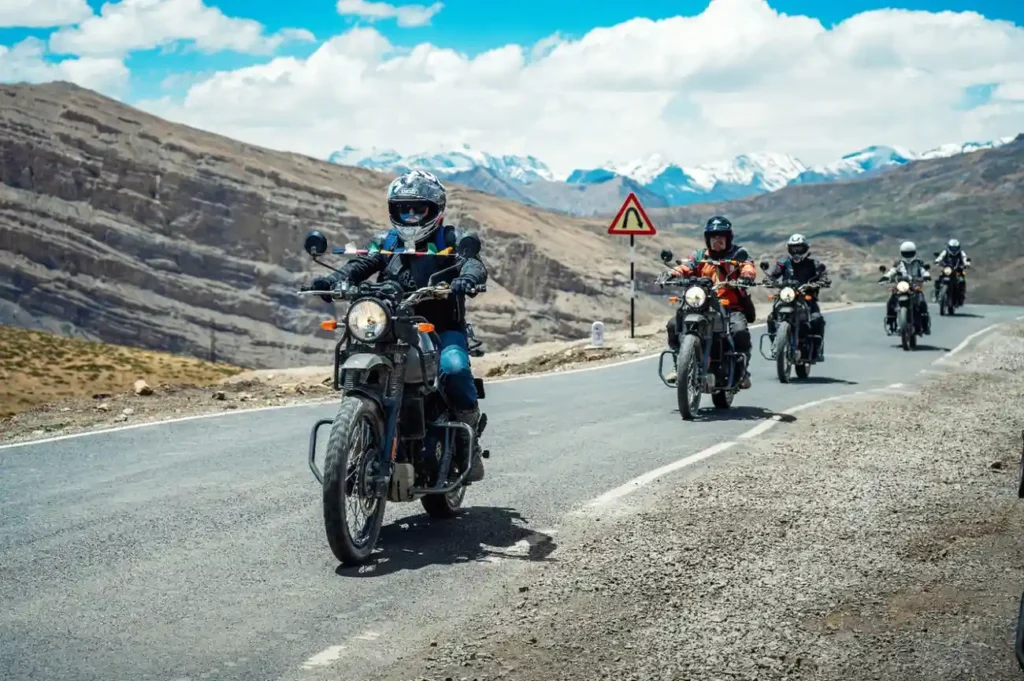
A Ladakh bike trip during August is unforgettable, but preparation is everything.
Follow these tips:
- Start riding before 6:00 AM
- Cross glacier streams before 10:00 AM
- Carry waterproof luggage covers
- Wear proper riding boots instead of sports shoes
- Fill fuel whenever you see a petrol pump
- Keep extra fuel for remote routes
- Download offline maps
- Carry enough cash
- Never ride after dark in remote areas
Budget Tips for Visiting Ladakh in August
Travelling during August doesn’t necessarily mean spending more. Smart planning can help you stay within budget.
- Book flights and hotels early.
- Travel with a group to share taxi costs.
- Stay in Leh for multiple nights instead of changing hotels every day.
- Carry reusable water bottles and snacks.
- Keep emergency cash for unexpected delays.
Conclusion
Visiting Ladakh in August offers a unique blend of adventure, breathtaking landscapes, and pleasant weather. While the approach roads demand extra caution because of the monsoon, Leh itself remains relatively dry, allowing travellers to enjoy lakes, monasteries, mountain passes, and remote villages comfortably.
With proper planning, early morning drives, suitable packing, and realistic expectations, August can easily become one of the most rewarding months to experience Ladakh.
Plan Your Ladakh Journey with TripGuruGo
Whether you’re looking for detailed travel guides, seasonal advice, road trip planning, or destination-specific tips, TripGuruGo helps you plan every stage of your Himalayan adventure with confidence.
From choosing the best travel season to understanding permits, accommodation, and road conditions, our expert travel resources are designed to make your Ladakh journey smoother, safer, and more memorable.
Start planning today and let TripGuruGo help you experience the beauty of Ladakh the smart way.
If Ladakh has inspired you to explore more Himalayan destinations, don’t miss our best high-altitude treks in India for your next mountain adventure.
Frequently Asked Questions
Is August a good month to visit Ladakh?
Yes. August is one of the best months to visit Ladakh because most tourist attractions remain open, the weather is pleasant, and the scenery becomes even more beautiful after the surrounding monsoon.
Does it rain in Leh during August?
Leh receives very little rainfall as it lies in a rain-shadow region. However, the highways leading to Ladakh can experience heavy rain and landslides.
Is the Manali–Leh Highway safe in August?
The route remains open in most cases, but landslides and glacier stream crossings may temporarily affect traffic. Always check road updates before travelling.
Which route is better in August: Manali or Srinagar?
The Srinagar–Leh Highway is generally considered more reliable during the monsoon because it has fewer major water crossings than the Manali route.
What clothes should I pack for Ladakh in August?
Carry warm layers, thermals, a waterproof jacket, trekking shoes, gloves, sunglasses, sunscreen, and rain protection for your luggage.
Can I do a bike trip to Ladakh in August?
Yes. Many riders choose August for their Ladakh adventure, but it’s important to start early, avoid afternoon water crossings, and carry proper riding gear.

Anjali is a travel content writer who creates informative and engaging articles about destinations, travel tips, itineraries, and travel experiences. She enjoys simplifying travel information to help readers plan their journeys with confidence while discovering new places and cultures.