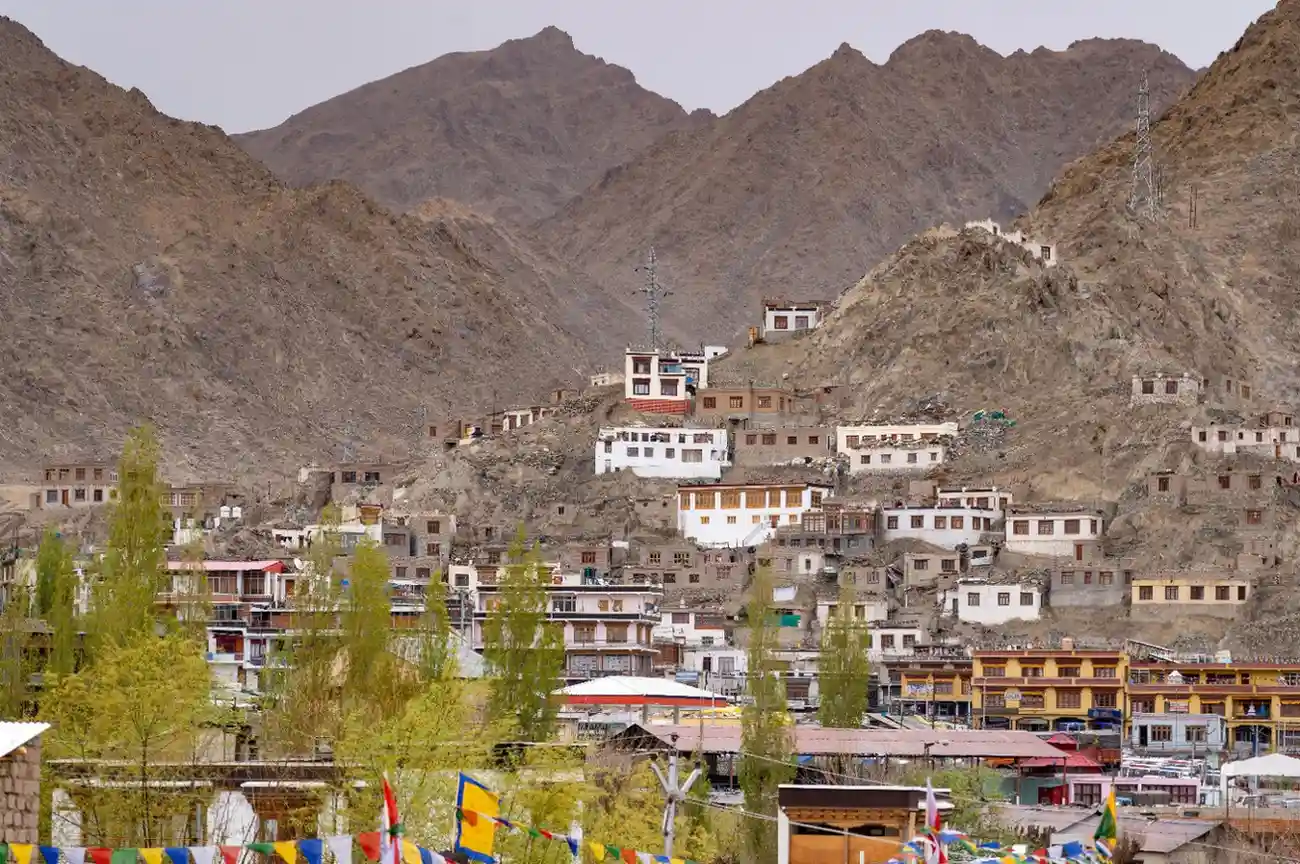
Planning a trip to Leh but not sure where to begin? If it’s your first visit, you probably have plenty of questions. When is the best time to visit? How many days should you stay? Is altitude sickness really a concern? Which places should you explore first? Don’t worry, this guide answers everything in simple words.
We’ll help you plan your trip from start to finish, including how to reach Leh, the best time to visit, where to stay, must-visit attractions, nearby places, local food, travel tips, permits, and everything else you should know before arriving in Ladakh. If you’re travelling from Delhi, our complete Delhi to Ladakh travel guide will help you choose the best route for your journey.
Quick Facts About Leh
| Details | Information |
| Union Territory | Ladakh |
| Elevation | 3,524 metres (11,562 ft) |
| River | Indus River |
| Airport | Kushok Bakula Rimpochee Airport |
| Best Time to Visit | May to September |
| Ideal Trip Duration | 4–7 Days |
| Famous For | Monasteries, Adventure, Road Trips & Buddhist Culture |
| Language | Ladakhi, Hindi & English |
| Mobile Network | Indian Postpaid SIMs work best |
| Nearest Airport Distance | Around 5 km from Leh Market |
Why Visit Leh?
Leh isn’t just another hill station. It’s the gateway to some of India’s most breathtaking landscapes.
Surrounded by the Himalayas, Leh offers a perfect mix of adventure, culture, history, and natural beauty. One day you can explore centuries-old monasteries, the next you can drive through high mountain passes, visit crystal-clear lakes, or relax in a café overlooking snow-covered peaks.
Whether you’re travelling with family, friends, your partner, or solo, Leh has something for everyone. It’s also the starting point for famous destinations like Nubra Valley, Pangong Lake, Tso Moriri, Magnetic Hill, Khardung La, and Lamayuru.
For most travellers, every Ladakh journey begins here.
Why is Leh Called the Heart of Ladakh?
Almost every road trip across Ladakh starts from Leh.
Whether you’re visiting Pangong Lake, Nubra Valley, Turtuk, Hanle, Tso Moriri, or even travelling towards Kargil, you’ll most likely pass through Leh first.
The city is home to Ladakh’s main airport, largest market, best hotels, cafés, hospitals, bike rentals, travel agencies, and government offices. It’s also where most travellers spend their first couple of days getting used to the high altitude before exploring the rest of Ladakh.
That’s why Leh is often called the heart of Ladakh; it’s the place where every journey begins.
The Story of Leh
Long before tourists arrived with cameras and motorcycles, Leh was one of the busiest trading towns in the Himalayas.
Merchants from India, Tibet, Kashmir, and Central Asia travelled through these mountains carrying silk, spices, wool, tea, and precious stones. Their caravans would stop in Leh to rest, trade goods, and continue along the famous Silk Route.
Over time, Leh became an important centre for trade, culture, and Buddhism. Monasteries were built on nearby hills, local markets grew busier, and the city welcomed travellers from different parts of Asia.
Even today, as you walk through Leh Market or stand at the top of Leh Palace, you’ll still feel traces of that history. Old mud-brick houses, colourful prayer flags, narrow streets, and traditional Ladakhi homes remind visitors that Leh has been welcoming travellers for hundreds of years.
Best Time to Visit Leh
The best time depends on the kind of experience you’re looking for.
May to September – Best Time to Visit
This is the most popular season to visit Leh.
The weather remains pleasant, roads from Manali and Srinagar are usually open, and almost every tourist attraction is easily accessible. It’s the perfect time for sightseeing, bike trips, camping, photography, and visiting Pangong Lake or Nubra Valley.
If you’re visiting Ladakh for the first time, this is the safest and most comfortable season to travel.
Want to know which month suits your trip best? Our best time to visit Ladakh guide explains the weather, road conditions, and travel experience month by month.
October to April – Winter Experience
Winter transforms Leh into a completely different destination.
Heavy snowfall covers the mountains, temperatures often fall below -15°C, and many high-altitude roads remain closed. While sightseeing options become limited, this is the best season for travellers looking to experience snow-covered landscapes and fewer crowds.
Winter is also the season for the famous Chadar Trek on the frozen Zanskar River.
Weather in Leh
Because Leh sits at an altitude of more than 3,500 metres, the weather changes quickly.
Summer (May–September)
- Day Temperature: 15°C to 25°C
- Night Temperature: 5°C to 10°C
Days are pleasant, but evenings can still feel cold, so carrying a warm jacket is always a good idea.
Winter (October–April)
- Day Temperature: 0°C to 10°C
- Night Temperature: -10°C to -20°C
Snowfall is common during peak winter, especially between December and February.
Altitude and Acclimatization
One of the biggest mistakes first-time visitors make is trying to explore everything immediately after arriving.
Leh is located at 3,524 metres, where the air contains much less oxygen than most cities.
Because of this, your body needs time to adjust.
Plan to spend your first 24–48 hours relaxing in Leh before travelling to higher places like Nubra Valley or Pangong Lake. This simple step greatly reduces the chances of experiencing Acute Mountain Sickness (AMS). Health guidance for acclimatization and hydration is especially important at Leh’s elevation.
Symptoms of Altitude Sickness (AMS)
Some travellers may experience mild symptoms after arriving in Leh.
Common signs include:
- Headache
- Dizziness
- Nausea
- Tiredness
- Difficulty sleeping
- Loss of appetite
- Shortness of breath
If symptoms become severe, seek medical attention immediately.
Tips to Avoid AMS
- Rest for the first one or two days.
- Drink plenty of water.
- Avoid alcohol on arrival.
- Don’t overexert yourself.
- Eat light meals during the first day.
- Sleep well before starting long road trips.
Do You Need an Inner Line Permit?
If you’re planning to visit places like Nubra Valley, Pangong Lake, Tso Moriri, Hanle, or other protected areas, you’ll need an Inner Line Permit (ILP).
Our Inner Line Permit guide explains who needs a permit, how to apply, required documents, fees, and the latest rules before your trip.
How Many Days Should You Spend in Leh?
Although you can explore Leh Market and a few attractions in a single day, most travellers spend 2 days in Leh before heading towards Nubra Valley or Pangong Lake.
This gives your body enough time to acclimatize while allowing you to visit places like Leh Palace, Shanti Stupa, Hall of Fame, and the local market without rushing.
If you’re planning a complete Ladakh trip, 6–8 days is usually enough to cover Leh along with the region’s major attractions.
How to Reach Leh
Reaching Leh is much easier today than it was a few years ago. You can either fly directly to Leh or enjoy one of India’s most scenic road trips through the mountains. The best option depends on how much time you have and the kind of experience you’re looking for.
By Flight
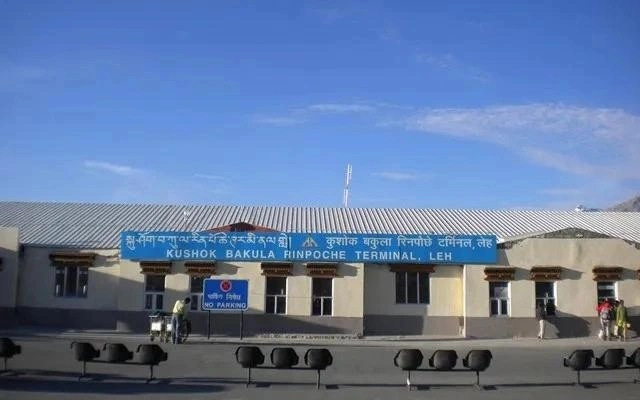
The fastest way to reach Leh is by taking a flight to Kushok Bakula Rimpochee Airport, located about 5 km from the city centre. Direct and connecting flights are available from Delhi and several other major cities during the tourist season.
Flying saves time, but because you’ll land at a high altitude, it’s important to spend your first day resting before exploring Ladakh.
By Road
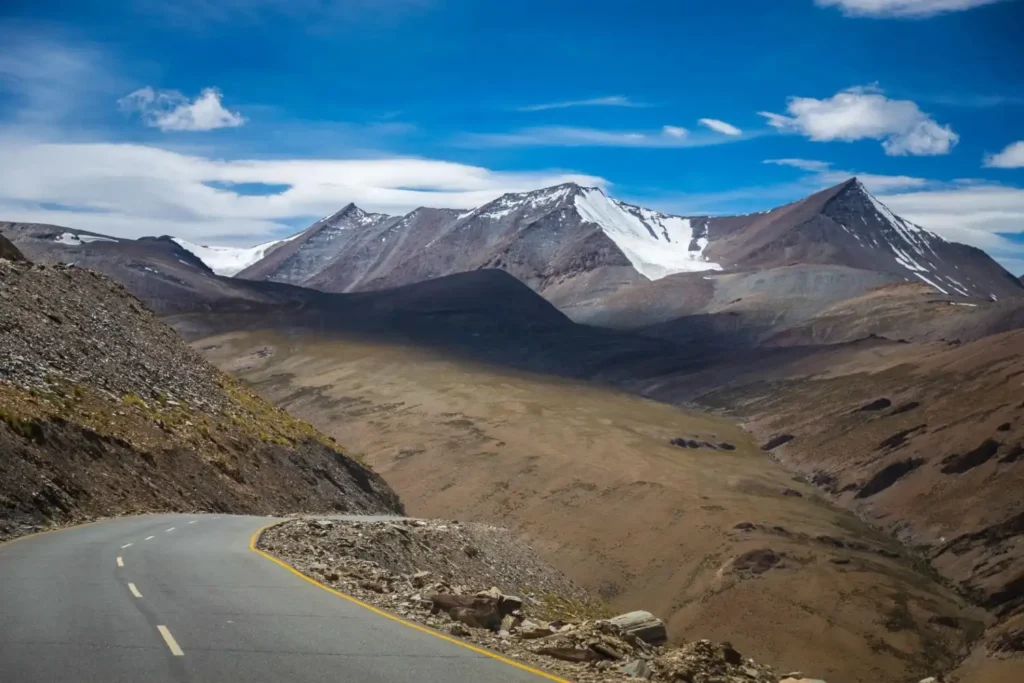
If you love road trips, reaching Leh by road is an adventure in itself.
There are two popular routes:
- Manali–Leh Highway – Famous for high mountain passes, dramatic landscapes, and adventure.
- Srinagar–Leh Highway – A gradual climb that helps your body adjust to the altitude more comfortably.
Both routes usually remain open between May and October, depending on weather conditions.
Getting Around Leh
Exploring Leh is quite easy once you arrive.
Most attractions inside the city are only a short drive from the main market, while places outside Leh can be visited by taxi, rented bike, or private vehicle.
Taxi
Local taxis are the most comfortable option for families and groups. Fixed taxi rates are available for most popular tourist destinations.
Bike Rental
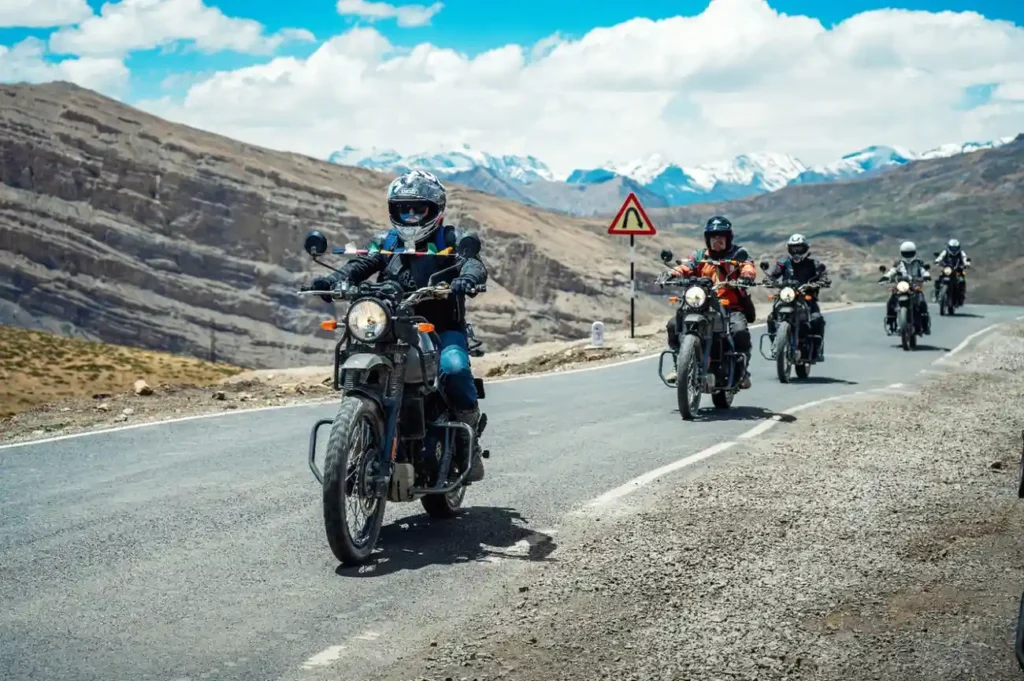
Leh is one of India’s most popular destinations for bike trips.
You’ll find many rental shops offering Royal Enfield, Himalayan, Scooters, and other motorcycles. Always check the bike carefully before starting a long journey.
Walking
Leh Market, cafés, restaurants, Jama Masjid, and many small shops can easily be explored on foot.
Mobile Network and Internet
Mobile connectivity is better in Leh than in most other parts of Ladakh.
However, there’s one important thing every traveller should know.
Only Indian postpaid SIM cards generally work across Ladakh. Prepaid SIM cards from most other Indian states usually don’t work after entering the region.
Jio, Airtel, and BSNL offer the best coverage in Leh, although speeds may vary depending on the location. Wi-Fi is also available in many hotels and cafés.
Where to Stay in Leh
Leh has accommodation for every budget, from backpacker hostels to luxury hotels.
Budget Stays
Budget guesthouses and hostels are perfect for solo travellers and backpackers. Most are located close to Leh Market and offer clean rooms at affordable prices.
Mid-Range Hotels
These are the most popular choices for families and couples. They usually include comfortable rooms, restaurants, hot water, and mountain views.
Luxury Hotels
If you’re looking for a premium experience, Leh has several luxury hotels and boutique stays offering spacious rooms, beautiful gardens, and excellent hospitality.
Best Area to Stay
The best place to stay is near Leh Main Bazaar. You’ll be within walking distance of cafés, restaurants, shops, ATMs, and local attractions, making it easier to explore the city without depending on transport. Accommodation around the Main Bazaar is also a convenient base for sightseeing.
What to Eat in Leh
Trying Ladakhi food is one of the best parts of visiting Leh.
Here are a few local dishes you shouldn’t miss.
Thukpa
A warm noodle soup filled with vegetables or meat, perfect for Ladakh’s cool weather.
Momos
Steamed dumplings served with spicy chutney. They’re available in almost every café and restaurant.
Butter Tea
A traditional Ladakhi drink made using butter, tea, and salt. The taste is different from regular tea but worth trying at least once.
Skyu
A traditional Ladakhi pasta dish prepared with vegetables and a rich broth.
Chhurpi
A local cheese made from yak or cow’s milk, commonly used in traditional dishes.
Shopping in Leh
Leh Market is one of the best places to experience the local culture while shopping for souvenirs.
Popular things to buy include:
- Pashmina shawls
- Tibetan handicrafts
- Prayer wheels
- Prayer flags
- Silver jewellery
- Handmade woollen clothes
- Wooden artefacts
- Dry apricots
Don’t forget to bargain politely at local shops.
Things to Do in Leh
Leh offers much more than beautiful mountain views. Whether you’re interested in history, spirituality, food, shopping, or adventure, there’s something for everyone.
Explore Leh Market
Spend an evening walking through the lively Main Bazaar. You’ll find cafés, bakeries, local restaurants, souvenir shops, and traditional Ladakhi handicrafts all in one place.
Visit Ancient Monasteries
Some of Ladakh’s oldest monasteries are located just a short drive from Leh. Their peaceful surroundings, colourful prayer halls, and mountain views make them worth visiting.
Watch Sunset from Shanti Stupa
The view of Leh town from Shanti Stupa during sunset is one of the most beautiful sights in Ladakh.
Try Local Cafés
Leh has many cosy cafés serving Ladakhi, Tibetan, Indian, and continental food. They’re perfect for relaxing after a day of sightseeing.
Experience Ladakhi Culture
Visit local villages, interact with residents, attend cultural festivals if you’re travelling during the season, and learn about Ladakh’s unique Buddhist traditions.
Photography Tips
Leh is one of the most photogenic places in India.
Best Time for Photography
- Early morning for soft light.
- Sunset from Shanti Stupa.
- Clear summer days between June and September.
What to Photograph
- Prayer flags
- Snow-covered mountains
- Leh Palace
- Local monasteries
- Leh Market
- Traditional Ladakhi houses
- Mountain roads
Carry extra batteries because cold weather drains them much faster.
Things to Pack
Packing wisely makes your Leh trip much more comfortable.
Carry:
- Warm jackets
- Thermals
- Comfortable walking shoes
- Sunglasses
- Sunscreen
- Lip balm
- Gloves
- Woollen cap
- Water bottle
- Personal medicines
- Power bank
- Moisturiser
Even during summer, evenings can become surprisingly cold.
Helpful Travel Tips
- Spend your first two days acclimatizing.
- Drink plenty of water.
- Avoid alcohol immediately after arriving.
- Carry enough cash for smaller villages.
- Start sightseeing early in the morning.
- Dress in layers because temperatures change throughout the day.
- Respect local customs while visiting monasteries.
- Always keep a photo ID with you while travelling.
Is Leh Safe for Solo Female Travellers?
Yes.
Leh is considered one of the safest destinations in India for solo female travellers. The local people are known for their warm hospitality, and the tourist infrastructure is well developed.
Like anywhere else, basic precautions are always recommended.
- Avoid isolated places after dark.
- Choose well-reviewed hotels.
- Share your travel plans with family.
- Carry enough cash while travelling outside Leh.
- Respect local customs and dress modestly while visiting monasteries.
With sensible planning, many women comfortably explore Leh on their own every year.
Best Places to Visit Near Leh
Leh Palace (1 km)
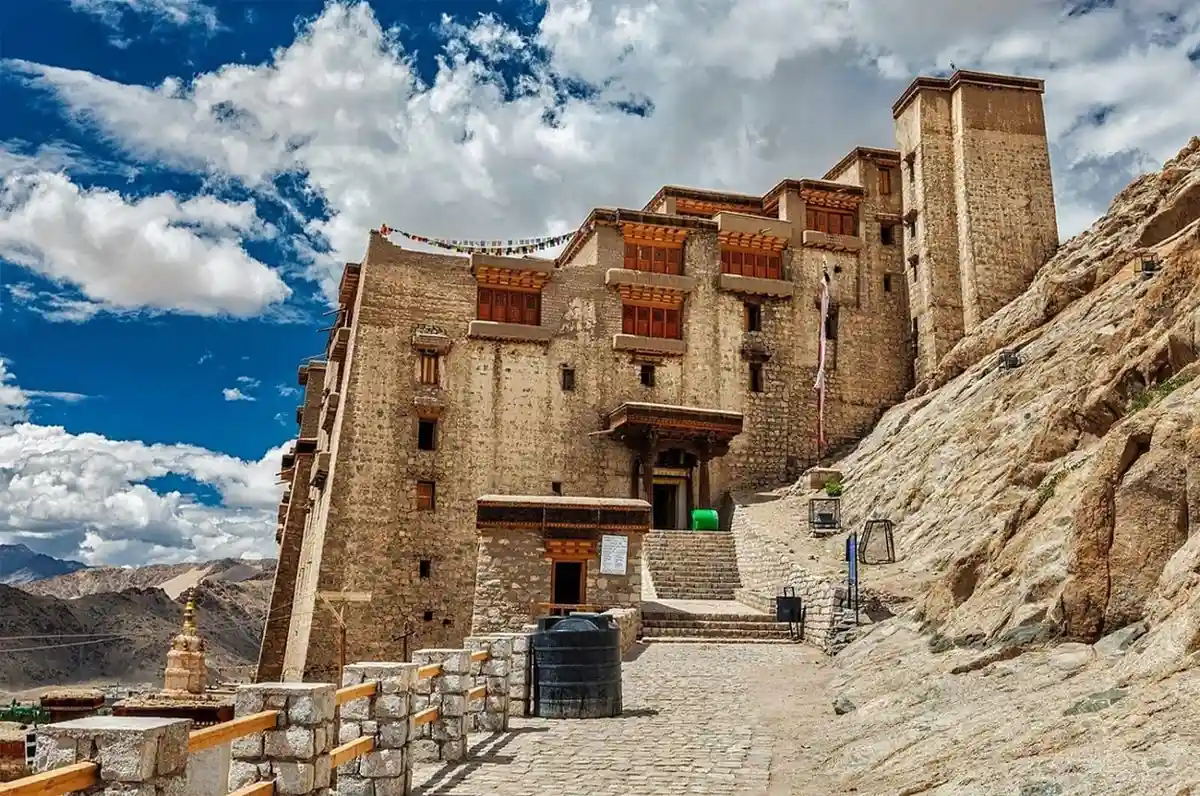
Leh Palace is one of the city’s most famous landmarks and a great place to begin your sightseeing. Built in the 17th century by King Sengge Namgyal, this nine-storey palace once served as the royal residence of Ladakh’s rulers. Today, visitors come here to explore its old corridors, museum, and enjoy panoramic views of Leh town from the top. The palace is especially beautiful during sunrise and sunset when the surrounding mountains glow in golden light.
- Time Required: 45–60 minutes
- Best For: History lovers, photographers, first-time visitors
- Travel Tip: Visit early in the morning to avoid crowds.
Shanti Stupa (5 km)
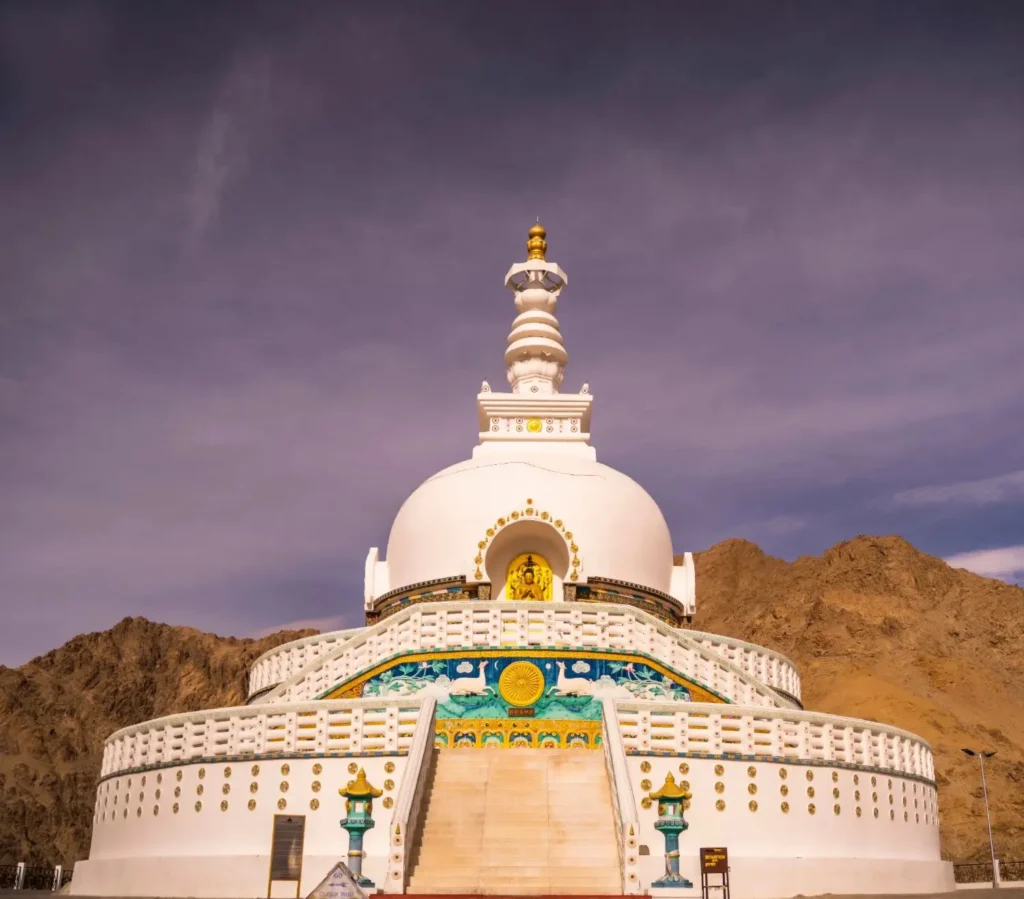
Standing on a hill above Leh, the white-domed Shanti Stupa is one of the most peaceful places in Ladakh. Built to promote world peace, it’s famous for its breathtaking views of Leh and the surrounding mountains. Many travellers visit in the evening to watch the sunset and see the city slowly light up below.
- Time Required: 45–60 minutes
- Best For: Sunset lovers, couples, photographers
- Travel Tip: You can reach the top by road or climb the staircase for a better experience.
Hall of Fame (4 km)
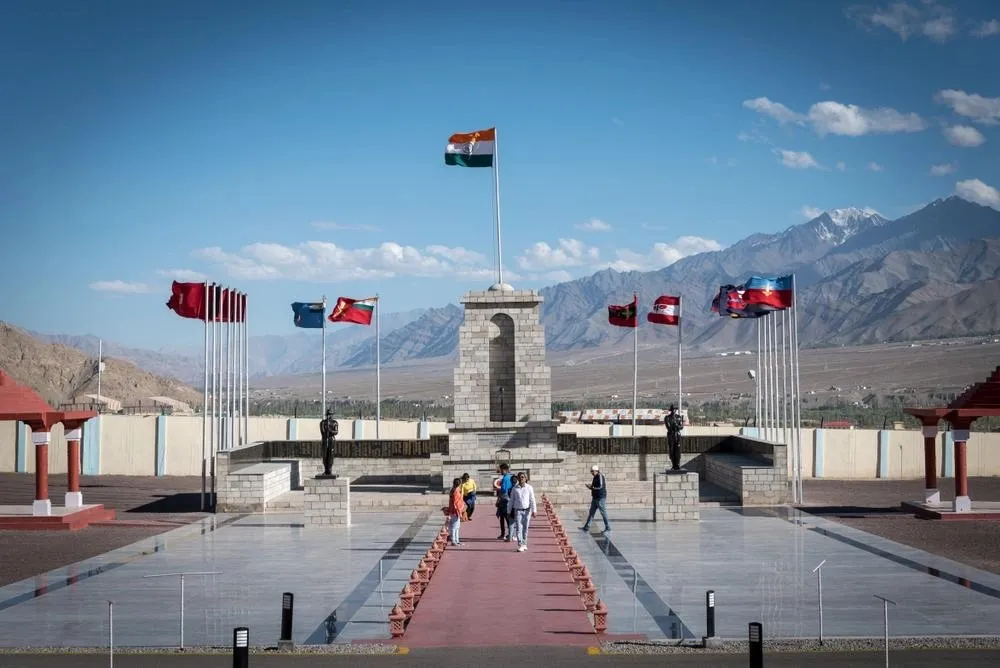
Maintained by the Indian Army, the Hall of Fame is much more than a museum. It showcases the bravery of Indian soldiers, stories from the Kargil War, life on the Siachen Glacier, and Ladakh’s history and culture. It’s one of the most meaningful places to visit in Leh and is highly recommended for every traveller.
- Time Required: 1–1.5 hours
- Best For: Families, history enthusiasts
- Travel Tip: Don’t miss the short documentary shown inside the museum.
Magnetic Hill (27 km)
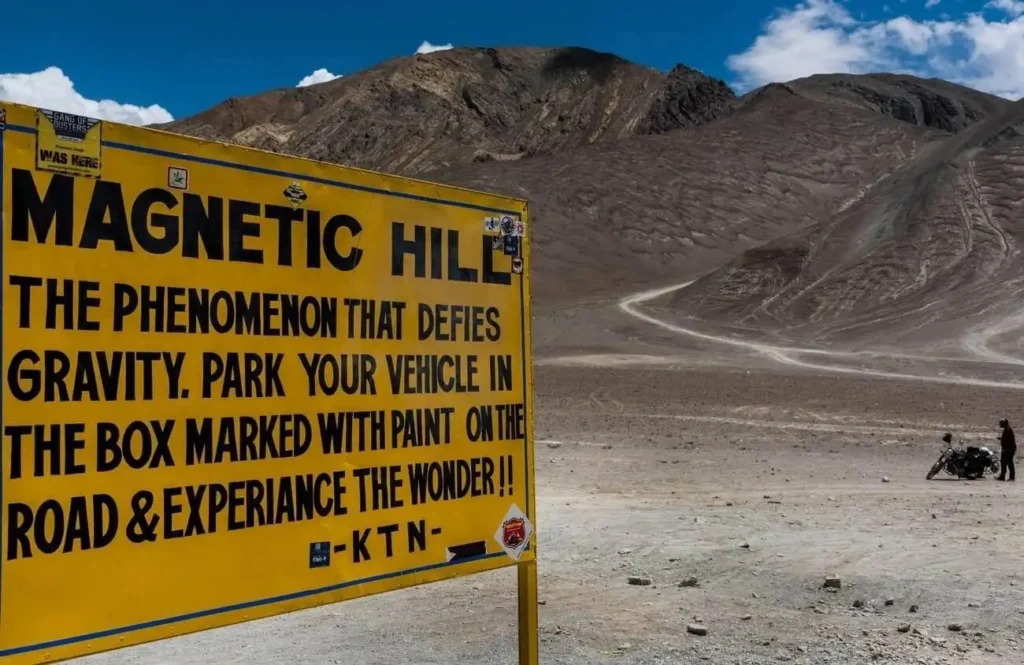
Magnetic Hill is one of Ladakh’s most unusual attractions. At first glance, it appears that vehicles roll uphill on their own when left in neutral. While it’s actually an optical illusion, watching it happen is still an interesting experience and makes for a fun stop on the Leh–Kargil highway.
- Time Required: 20–30 minutes
- Best For: Families and road trippers
- Travel Tip: Visit while travelling towards Sangam to save time.
Gurudwara Pathar Sahib (25 km)
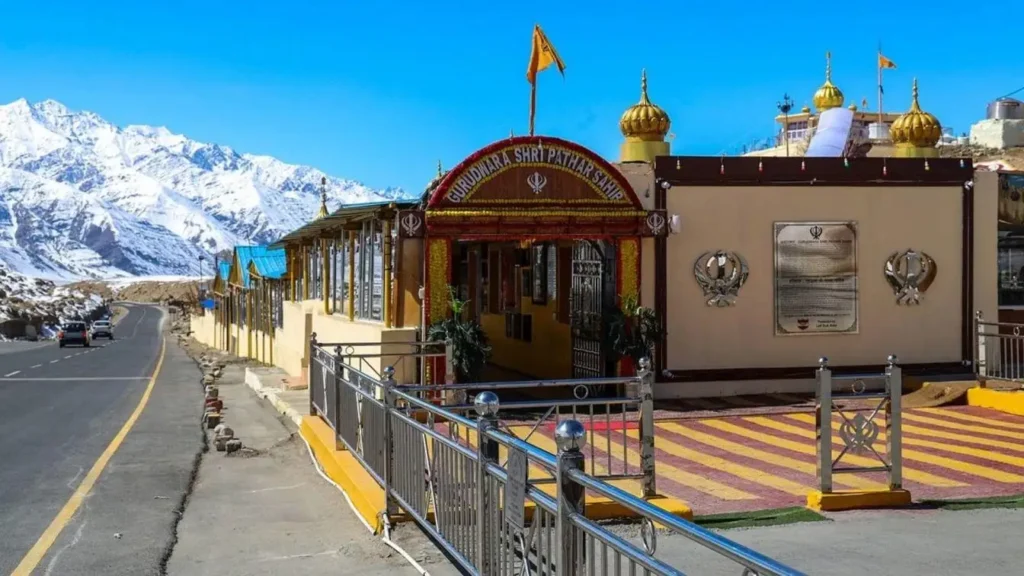
One of the most respected religious places near Leh, Gurudwara Pathar Sahib is dedicated to Guru Nanak Dev Ji’s visit to Ladakh. According to local belief, a giant rock thrown by a demon became soft like wax when it touched Guru Nanak Dev Ji during meditation. The Gurudwara is maintained by the Indian Army and welcomes visitors from all faiths.
Before your visit, read our complete visitor guide to Gurudwara Pathar Sahib to learn about its history, timings, and travel tips.
- Time Required: 30–45 minutes
- Best For: Spiritual travellers and families
- Travel Tip: Cover it together with Magnetic Hill and Sangam on the same route.
Sangam Point (35 km)
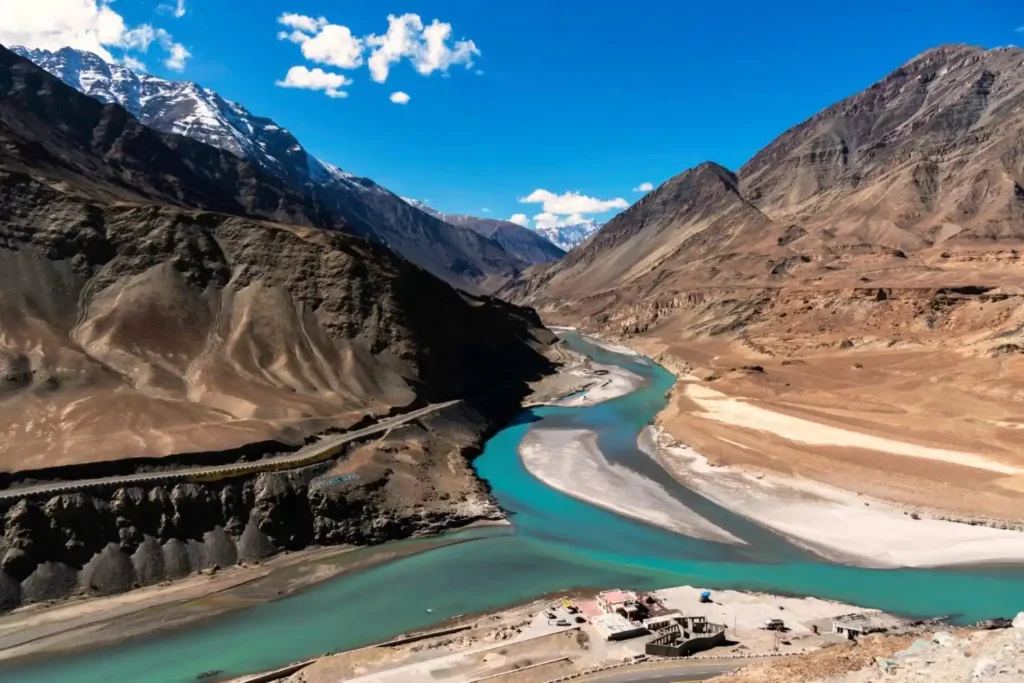
Sangam Point is where the Indus River and Zanskar River meet. Depending on the season, you can clearly see the two rivers flowing side by side in different colours before merging together. It’s one of the most photographed places near Leh and also a popular starting point for river rafting during summer.
- Time Required: 30–45 minutes
- Best For: Nature lovers and photographers
- Travel Tip: Morning light usually offers the clearest views.
Shey Palace & Monastery (15 km)
Once the summer residence of Ladakh’s royal family, Shey Palace is now one of the region’s most peaceful historical sites. Inside the monastery, you’ll find a giant gold-plated statue of Buddha along with beautiful prayer halls and mountain views.
- Time Required: 45–60 minutes
- Best For: History and culture lovers
- Travel Tip: Combine it with Thiksey Monastery on the same day.
Thiksey Monastery (19 km)
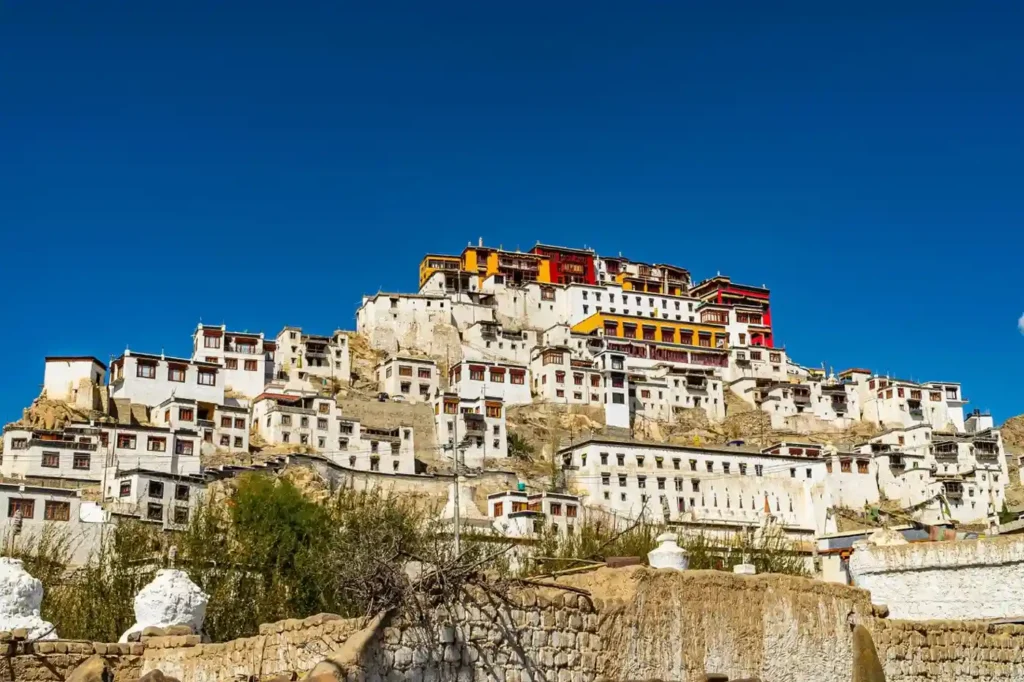
Often compared to Tibet’s Potala Palace because of its architecture, Thiksey Monastery is one of the largest and most beautiful monasteries in Ladakh. It’s home to hundreds of monks and a magnificent 49-foot Maitreya Buddha statue.
- Time Required: 1–1.5 hours
- Best For: Spiritual travellers and photographers
- Travel Tip: Visit during the morning prayer ceremony for a memorable experience.
Hemis Monastery (40 km)
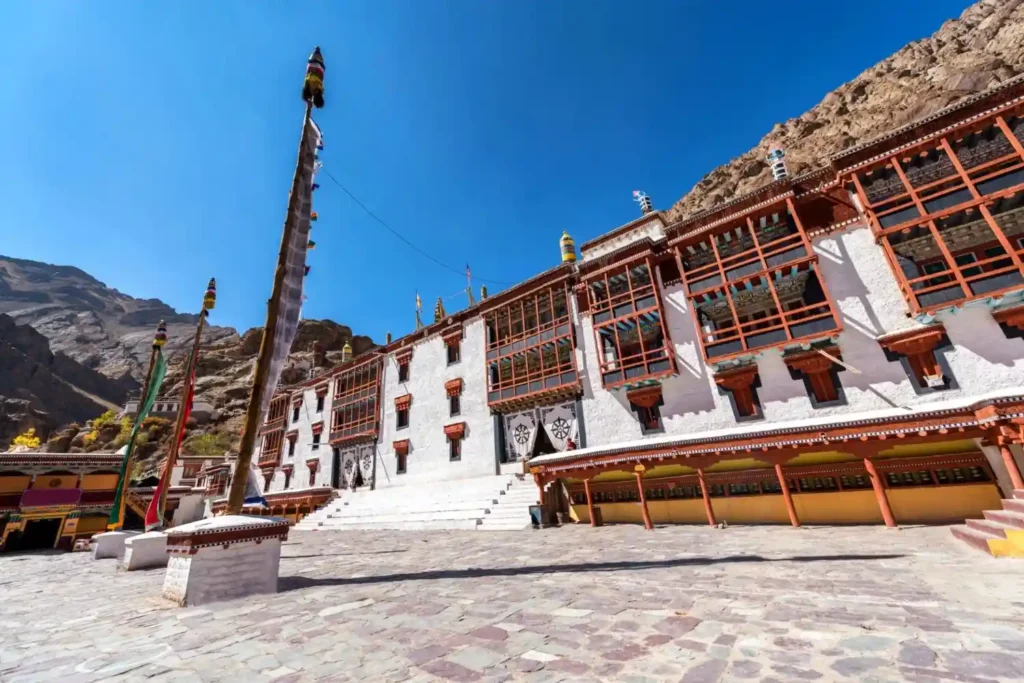
Hemis Monastery is the largest monastery in Ladakh and is famous for its colourful annual Hemis Festival. The monastery houses ancient Buddhist relics, paintings, and a museum that offers a fascinating glimpse into Ladakh’s religious history.
- Time Required: 1–2 hours
- Best For: Culture lovers and history enthusiasts
- Travel Tip: Visit during the Hemis Festival if you’re travelling in June.
Alchi Monastery (65 km)
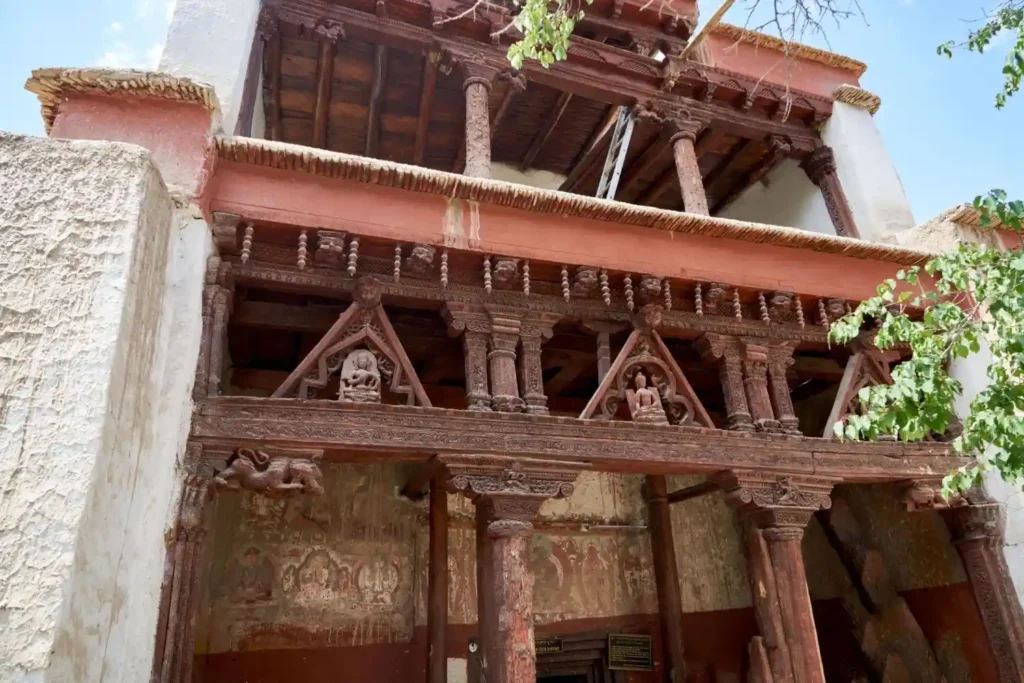
Unlike most monasteries built on hilltops, Alchi Monastery is located beside the Indus River. It’s famous for its ancient wall paintings, peaceful surroundings, and beautiful artwork dating back several centuries.
- Time Required: 1–1.5 hours
- Best For: Art and history lovers
- Travel Tip: Pair it with Likir Monastery if you have a full day.
Suggested Itinerary
1-Day Leh Itinerary
If you have just one day in Leh, spend it exploring the city’s main attractions while allowing your body to adjust to the altitude.
Visit Leh Palace, Shanti Stupa, Hall of Fame, and Leh Main Bazaar. Finish your evening with dinner at one of the local cafés near the market.
2-Day Leh Itinerary
Day 1
- Leh Palace
- Shanti Stupa
- Hall of Fame
- Leh Market
Day 2
- Shey Palace
- Thiksey Monastery
- Hemis Monastery
- Return to Leh
This itinerary allows enough time for sightseeing while also helping you acclimatize before visiting higher-altitude destinations.
3-Day Leh Itinerary
Day 1
Explore Leh city and rest after arrival.
Day 2
Visit Shey Palace, Thiksey Monastery, Hemis Monastery, Magnetic Hill, Gurudwara Pathar Sahib, and Sangam Point.
Day 3
Begin your road trip towards Nubra Valley or Pangong Lake, depending on your itinerary.
Continue Exploring with TripGuruGo
Leh is just the beginning of an unforgettable Ladakh journey. Beyond the city, you’ll discover high mountain passes, crystal-clear lakes, ancient monasteries, peaceful villages, and some of the most scenic roads in the world. At TripGuruGo, we create simple travel guides and practical tips to help you explore Ladakh with confidence, so you can spend less time planning and more time enjoying the journey.
Frequently Asked Questions
How many days are enough for Leh?
Spend at least 2 days in Leh to acclimatize and explore the city’s main attractions before visiting higher-altitude places.
Is Leh safe for tourists?
Yes. Leh is considered one of the safest tourist destinations in India.
What is the best time to visit Leh?
The best time is May to September, when the weather is pleasant and most roads remain open.
Do I need an Inner Line Permit?
Yes, if you plan to visit places like Nubra Valley, Pangong Lake, Tso Moriri, or Hanle.
Can I rent a bike in Leh?
Yes. Many rental shops offer motorcycles and scooters for local sightseeing and road trips.
Which SIM card works in Leh?
Indian postpaid Jio, Airtel, and BSNL connections work best across Ladakh.
Is one day enough for Leh?
One day is enough to explore the city, but spending two days is strongly recommended for proper acclimatization.
What should I buy in Leh?
Popular souvenirs include pashmina shawls, Tibetan handicrafts, prayer flags, silver jewellery, apricots, and local woollen clothing.
Is Leh suitable for family trips?
Yes. Families can comfortably explore Leh with proper acclimatization and a well-planned itinerary.
Can I visit Pangong Lake or Nubra Valley on the first day?
No. It’s best to spend 24–48 hours in Leh first so your body can adjust to the high altitude before travelling to higher regions.

Anjali is a travel content writer who creates informative and engaging articles about destinations, travel tips, itineraries, and travel experiences. She enjoys simplifying travel information to help readers plan their journeys with confidence while discovering new places and cultures.