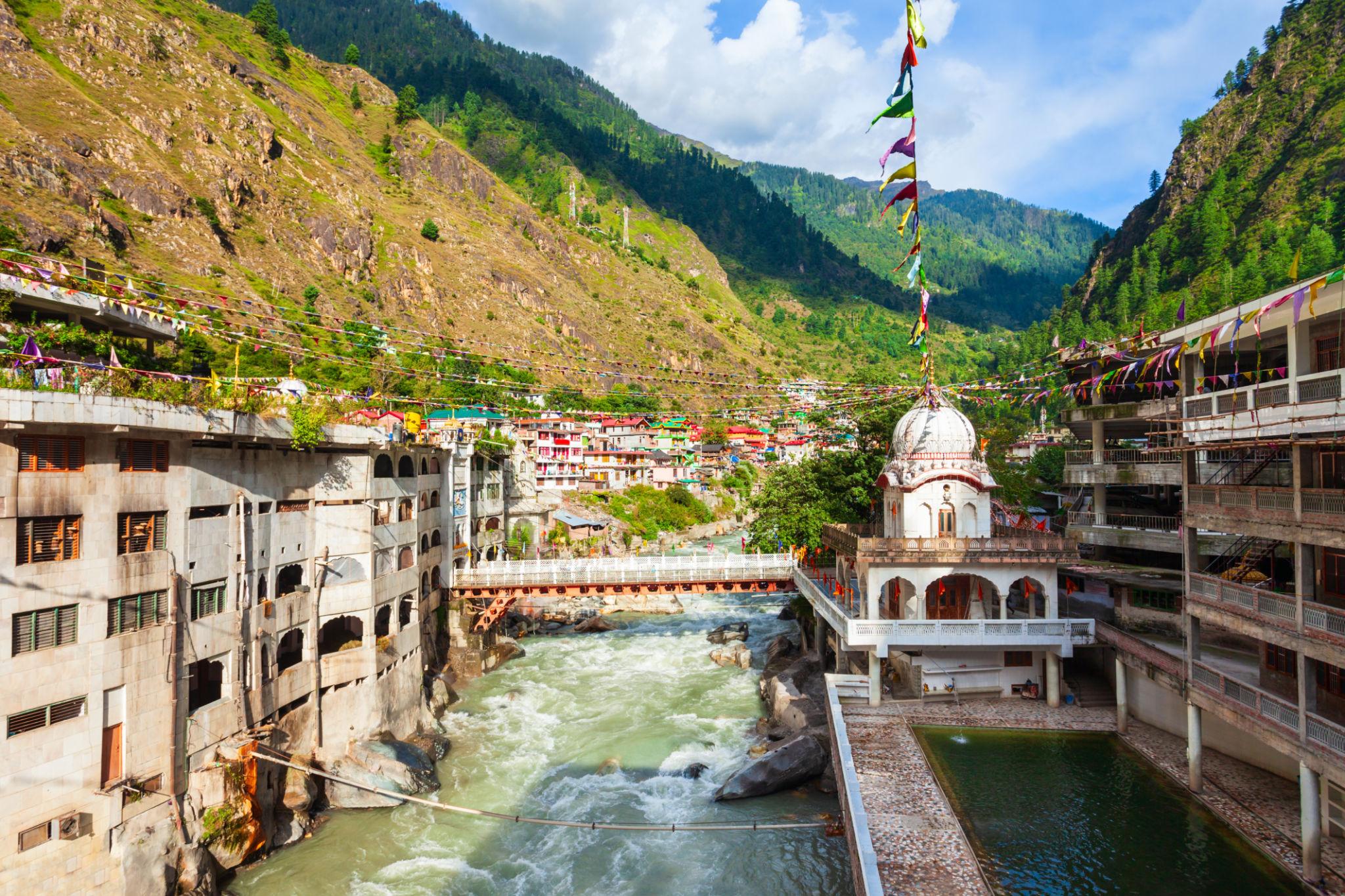
Most travellers visiting Kasol spend their time exploring riverside cafés, trekking trails, and scenic Himalayan villages. But among all the attractions in Parvati Valley, one destination holds the deepest spiritual significance — Manikaran Sahib. Famous for its sacred Gurudwara, natural hot water springs, and stunning mountain surroundings, Manikaran attracts pilgrims, backpackers, families, and travellers from across India throughout the year.
Where is Manikaran Sahib?
Manikaran Sahib is located in the Parvati Valley of Himachal Pradesh, near Kasol.
Distance from Major Places
- Kasol to Manikaran Sahib: Around 4 km
- Bhuntar to Manikaran Sahib: Around 35 km
- Kullu to Manikaran Sahib: Around 45 km
- Delhi to Manikaran Sahib: Around 520 km
The route follows the beautiful Parvati River and offers breathtaking mountain views.
History of Manikaran Sahib
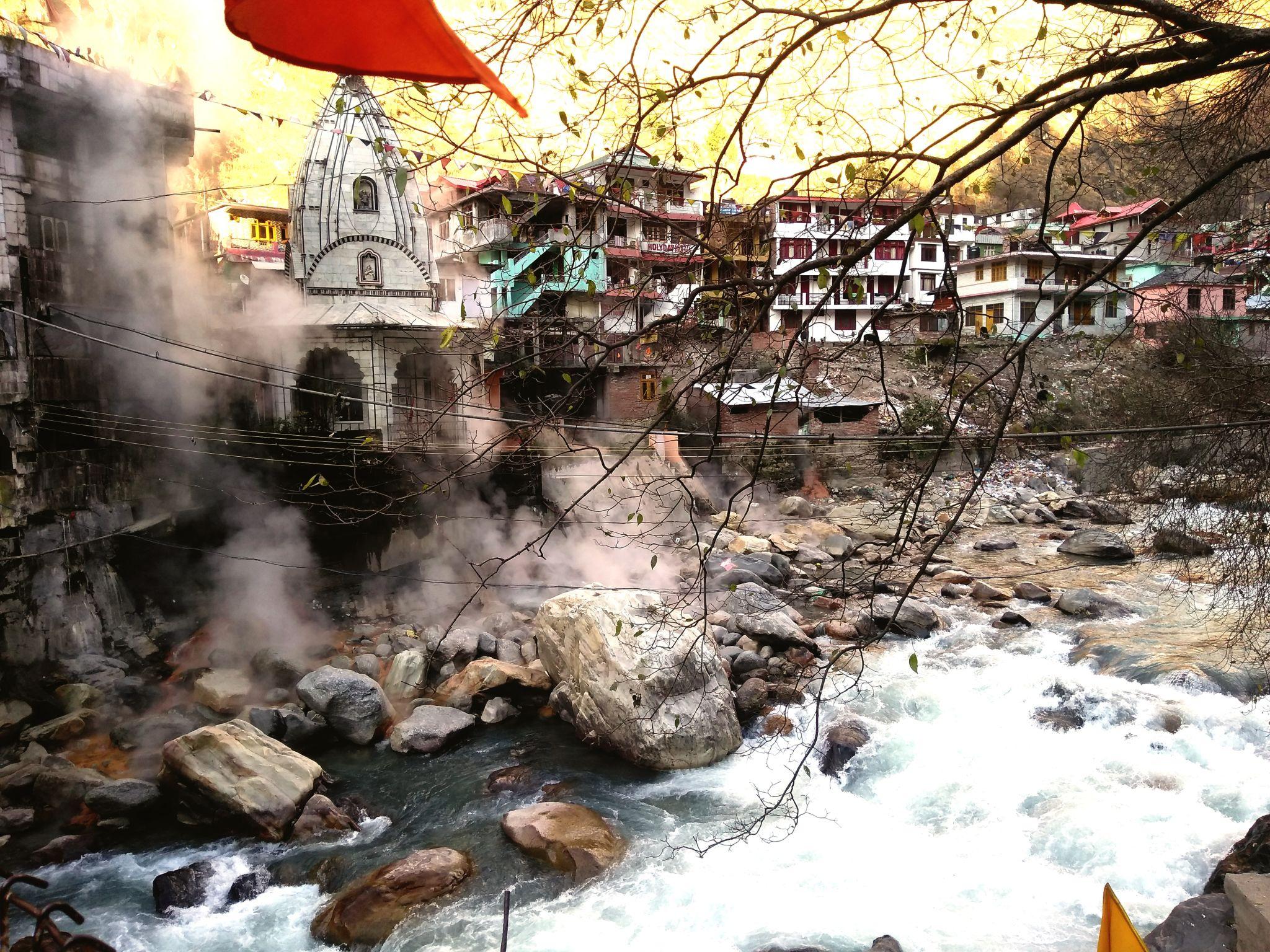
According to Sikh history, Guru Nanak Dev Ji visited Manikaran with Bhai Mardana during his travels. Local legends state that a miracle occurred when hot water springs emerged from the ground, allowing food to be cooked naturally.
Hindu mythology also associates Manikaran with Lord Shiva and Goddess Parvati. It is believed that Goddess Parvati lost a precious jewel (Mani) here, giving the place its name “Manikaran.”
Today, Manikaran Sahib remains one of the most important pilgrimage destinations in Himachal Pradesh. If you enjoy visiting sacred Sikh pilgrimage sites, you may also want to explore Gurudwara Bangla Sahib in Delhi.
Why is Manikaran Sahib Famous?
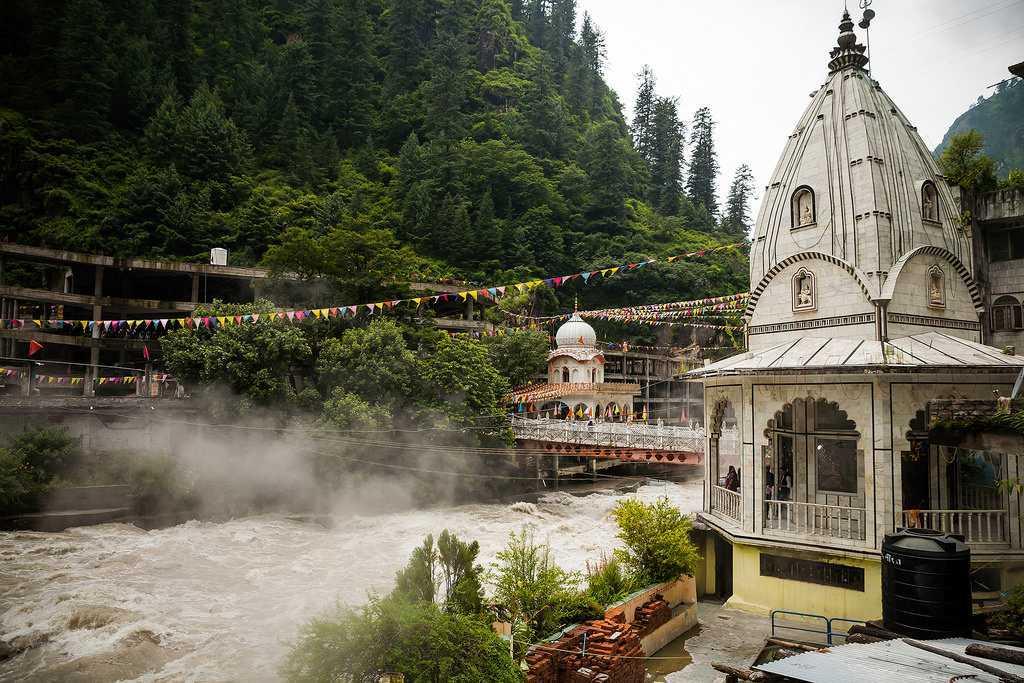
Manikaran Sahib is famous because of its sacred Gurudwara and naturally occurring hot water springs.
Visitors come here for:
- Gurudwara Manikaran Sahib
- Natural hot springs
- Religious significance
- Langar service
- Himalayan mountain views
- Spiritual atmosphere
The boiling hot springs remain one of the biggest attractions and are unique to the region.
What Makes Manikaran Different?
Many pilgrimage destinations focus only on temples or religious sites, but Manikaran offers a unique combination of spirituality and natural wonders.
| Typical Pilgrimage Site | Manikaran Experience |
| Religious monuments | Sacred Gurudwara |
| Temple visits | Natural hot springs |
| Cultural significance | Himalayan scenery |
This combination makes Manikaran one of the most unique destinations in Himachal Pradesh.
Natural Hot Springs of Manikaran
The hot springs are the most famous attraction in Manikaran.
Key highlights:
- Naturally heated water
- Steam rising throughout the year
- Water temperatures reaching near boiling levels
- Food cooked using geothermal heat
- Separate bathing facilities for visitors
Thousands of pilgrims take a dip in the sacred waters, believing them to possess healing properties.
Best Time to Visit Manikaran Sahib
Summer (March to June)
Pleasant weather and clear mountain views make summer one of the best seasons to visit. Check our guide on the best time to visit Kasol for a complete seasonal breakdown of Parvati Valley.
Best for:
- Families
- Pilgrims
- Sightseeing
- Kasol travellers
Monsoon (July to September)
The valley becomes lush green and highly scenic.
Best for:
- Nature lovers
- Photography
- Offbeat travellers
Occasional landslides may affect road conditions.
Autumn (October to November)
Cool weather and fewer crowds create a peaceful experience.
Best for:
- Couples
- Pilgrims
- Photography enthusiasts
Winter (December to February)
Snow-covered mountains surrounding Manikaran create stunning landscapes. For packing advice for a cold-weather trip, see our guide on how to pack for a winter trip in India.
Best for:
- Snow lovers
- Winter photography
- Scenic mountain views
The hot springs become especially enjoyable during cold weather.
Snowfall Near Manikaran
While heavy snowfall usually occurs in higher regions around Parvati Valley, nearby areas often experience winter snowfall and cold weather.
During winter:
- Mountains become snow-covered
- Temperatures drop significantly
- Scenic views improve dramatically
- Tourist crowds increase during holidays
January is generally the coldest month. For more winter travel ideas across India, explore our guide on top winter destinations in India.
How to Reach Manikaran Sahib
Reaching Manikaran is easy from Kasol and nearby towns. If you are travelling from Delhi, our guide on how to reach Kasol from Delhi covers all transport options in detail.
By Taxi
Local taxis are available from:
- Kasol
- Bhuntar
- Kullu
Travel time from Kasol is around 10–15 minutes.
By Local Bus
Regular buses connect Bhuntar, Kasol, and Manikaran throughout the day.
By Private Vehicle
Most travellers prefer driving from Kasol through the scenic Parvati Valley road.
Things to Do at Manikaran Sahib
Visit Gurudwara Manikaran Sahib
Experience the peaceful atmosphere and spiritual significance of one of the most important Sikh pilgrimage sites. Fans of sacred Gurudwaras may also enjoy visiting Gurudwara Sis Ganj Sahib during their travels.
Take a Dip in the Hot Springs
Visitors can bathe in the natural hot water pools maintained near the Gurudwara.
Enjoy Langar
Free community meals are served daily to thousands of visitors regardless of religion or background.
Explore the Parvati River
The fast-flowing Parvati River creates beautiful viewpoints around Manikaran.
Photography
Popular photography spots include:
- Gurudwara complex
- Hot spring steam areas
- Mountain viewpoints
- River valley landscapes
For more winter photography inspiration across India, see our guide on top winter photography spots in India.
Manikaran Sahib for Different Travellers
Solo Travellers
Backpackers often combine Manikaran with:
- Kasol
- Tosh
- Kheerganga
- Chalal
Couples
Couples enjoy:
- Mountain scenery
- Riverside views
- Peaceful surroundings
- Scenic drives
Families
Families appreciate:
- Easy accessibility
- Spiritual atmosphere
- Safe environment
- Comfortable facilities
Friend Groups
Groups frequently visit Manikaran while exploring Parvati Valley and nearby trekking destinations. It pairs well with a broader Himachal Pradesh trip covering multiple destinations.
Nearby Places to Explore
Kasol
Known for:
- Riverside cafés
- Backpacker culture
- Scenic mountain views
Read our complete guide on places to visit in Kasol before planning your itinerary.
Chalal Village
A peaceful riverside village near Kasol.
Tosh Village
One of the most popular mountain villages in Parvati Valley.
Kheerganga Trek
A famous Himalayan trek known for natural hot springs and mountain landscapes. If you enjoy Himalayan trekking, check out our guide on best Himalayan treks for beginners.
Malana Village
A unique Himalayan village known for its distinct culture and traditions. For more hidden gems across the state, explore our guide on offbeat places in Himachal Pradesh.
Food to Try Near Manikaran
Travellers should try:
- Langar meals
- Siddu
- Rajma Chawal
- Momos
- Thukpa
- Local Himachali dishes
Many cafés in nearby Kasol also serve Israeli, Tibetan, and Himachali cuisine.
Travel Tips for Visitors
- Dress modestly inside the Gurudwara
- Cover your head before entering
- Remove footwear at designated areas
- Carry warm clothes during winter — see our winter packing guide for India for a detailed checklist
- Visit early morning for fewer crowds
- Respect religious customs and traditions
- Keep the surroundings clean
Is Manikaran Sahib Worth Visiting?
Absolutely. While Kasol is famous for cafés, treks, and backpacker culture, Manikaran Sahib offers a unique blend of spirituality, history, natural hot springs, and Himalayan beauty. The sacred Gurudwara, steaming hot springs, and peaceful mountain setting create an unforgettable experience for every traveller.
For anyone visiting Kasol or Parvati Valley, Manikaran Sahib remains one of the most meaningful and iconic destinations to explore. For a broader look at sacred and spiritual sites across India, explore our Char Dham Yatra guide.
FAQs
1. Why is Manikaran Sahib famous?
Manikaran Sahib is famous for its sacred Gurudwara, natural hot water springs, religious significance, and beautiful location in Parvati Valley.
2. What is the best time to visit Manikaran Sahib?
The best time to visit Kasol and Manikaran is from March to June and October to November for pleasant weather and clear mountain views.
3. How far is Manikaran Sahib from Kasol?
Manikaran Sahib is located around 4 km from Kasol and can be reached within 10–15 minutes by taxi or local vehicle.
4. Is there an entry fee for Manikaran Sahib?
No, there is no entry fee to visit Gurudwara Manikaran Sahib. Entry and langar services are completely free.
5. Can visitors bathe in the hot springs at Manikaran?
Yes, dedicated bathing areas are available for visitors who wish to experience the natural hot water springs.

Anshra Zafar explores the mountains of Himachal Pradesh & Uttrakhand and writes detailed travel guides about Manali, Kasol, Sissu, Jispa.chopta and kedarnath trek She focuses on scenic road trips, backpacking experiences, café culture, snowfall destinations, and adventure activities in the Himalayas. Her content helps travelers plan smooth and memorable mountain journeys.