
Planning a trip to Spiti Valley is exciting, but before booking hotels or packing your bags, there’s one important decision you need to make.
Should you choose the Spiti Full Circuit or the Spiti Short Circuit?
Many travellers assume both trips offer the same experience, but that’s not true. While both take you through the stunning landscapes of Spiti Valley, they differ in terms of travel duration, road conditions, altitude gain, budget, and overall experience.
Some people have enough time to enjoy a complete Himalayan journey, while others only have a week to explore the region. Choosing the right circuit helps you travel comfortably, avoid unnecessary fatigue, and make the most of your holiday.
Whether you’re planning your first Spiti trip, travelling with family, riding a bike, or looking for an adventure with friends, understanding the difference between these two circuits will help you make the right decision.
In this blog, you will know about how the Spiti Full Circuit and Spiti Short Circuit compare on travel time, road conditions, budget, altitude, sightseeing opportunities, and who each option is best suited for.
Quick Comparison: Spiti Full Circuit vs Short Circuit
| Feature | Spiti Full Circuit | Spiti Short Circuit |
| Ideal Duration | 9–10 Days | 5–7 Days |
| Approx Distance | 1,600 km | 1,250 km |
| Entry Point | Shimla | Manali |
| Exit Point | Manali | Manali |
| Best For | First-Time Visitors | Repeat Visitors |
| Road Difficulty | Moderate | Moderate to Challenging |
| Acclimatization | Excellent | Limited |
| AMS Risk | Lower | Higher |
| Scenic Variety | Excellent | Good |
| Budget | Higher | Lower |
| Best Season | June–October | Mid June–October |
What is the Spiti Full Circuit?
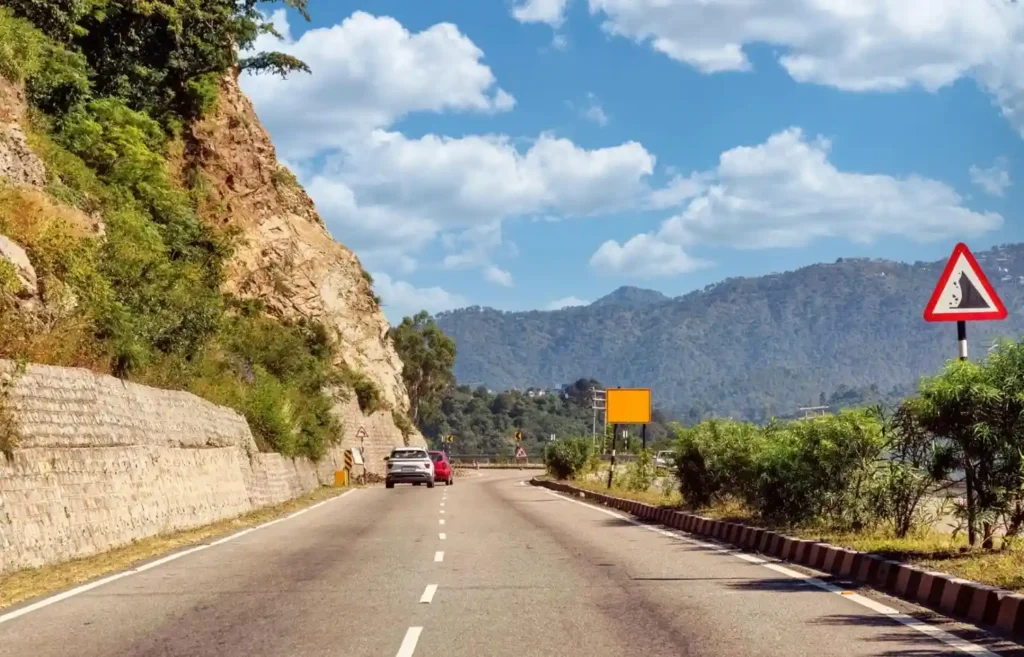
The Spiti Full Circuit is the classic way to explore Spiti Valley. Instead of returning by the same road, you complete an entire loop through two different Himalayan regions.
A typical journey follows this route:
Delhi → Shimla → Narkanda → Sangla → Kalpa → Nako → Tabo → Dhankar → Kaza → Key Monastery → Kibber → Langza → Hikkim → Komic → Chandratal → Kunzum Pass → Manali → Delhi
The total distance is approximately 1,600 kilometres, depending on your starting point and sightseeing stops.
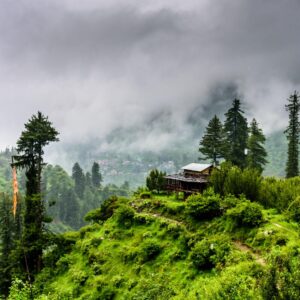
What makes this circuit special is the gradual transition in landscapes. The journey begins with lush green hills, apple orchards, and river valleys around Shimla and Kinnaur. As you travel deeper, the scenery changes into dramatic cliffs, barren mountains, ancient monasteries, and high-altitude villages that define Spiti Valley. For a deeper sense of what the region offers stop by stop, our Spiti Valley travel guide covers the full route in detail.
Another major advantage is gradual acclimatization. Since you gain altitude slowly over several days, your body gets enough time to adjust to the thinner air before reaching Kaza. This significantly reduces the chances of Acute Mountain Sickness (AMS), making the journey safer and more comfortable.
Unlike the shorter option, you don’t have to drive on the same road twice. Every day introduces new landscapes, viewpoints, and experiences, making the trip feel more complete.
Why Choose the Spiti Full Circuit?
• Covers both Kinnaur and Spiti Valley.
• Better acclimatization for high altitude.
• More diverse landscapes.
• Ideal for first-time visitors.
• No repeated roads.
• Perfect for travellers with 9–10 days.
What is the Spiti Short Circuit?
The Spiti Short Circuit is designed for travellers who have limited time but still want to experience the beauty of Spiti Valley.Instead of entering from Shimla, the journey starts from Manali and returns the same way after exploring the Kaza region.
A typical itinerary follows this route:
Manali → Atal Tunnel → Sissu → Gramphu → Batal → Kunzum Pass → Losar → Kaza → Key Monastery → Kibber → Langza → Hikkim → Komic → Kaza → Manali
The total travel distance is around 1,250 kilometres.The biggest advantage of this circuit is that you reach Spiti much faster. Travellers with only five to seven days can explore famous attractions like Key Monastery, Chicham Bridge, Langza, Hikkim, and Komic without taking a long vacation.
However, this journey also comes with challenges.The altitude increases rapidly after Manali, giving your body very little time to acclimatize. Travellers who are not used to high-altitude destinations may experience headaches, nausea, or fatigue during the first couple of days.The roads after Gramphu and towards Kunzum Pass are also rougher than the Shimla side, especially during the early season.
Why Choose the Spiti Short Circuit?
• Best for 5–7 day holidays.
• Lower overall travel cost.
• Faster access to Spiti Valley.
• Ideal for experienced travellers.
• Popular among bikers and adventure seekers.
• Suitable for people who have already explored Kinnaur.
Spiti Full Circuit vs Short Circuit: What’s the Difference?
Although both circuits take you to Spiti Valley, the overall experience is quite different.The Full Circuit focuses on a balanced Himalayan journey with gradual altitude gain, changing landscapes, and a relaxed travel pace. It allows you to experience Kinnaur, Spiti, Chandratal, and Manali in one continuous adventure.
The Short Circuit, on the other hand, is designed for travellers with limited time. It skips the Kinnaur region and takes you directly into Spiti through Manali, helping you save two to three travel days.The decision ultimately depends on your available time, comfort level, and travel priorities.
Quick Comparison: Spiti Full Circuit vs Short Circuit
| Comparison | Full Circuit | Short Circuit |
| Trip Duration | 9–10 Days | 5–7 Days |
| Daily Driving Hours | Balanced | Longer |
| Road Quality | Better | Rough after Gramphu |
| Altitude Gain | Gradual | Rapid |
| AMS Risk | Low | Moderate to High |
| Budget | Higher | Budget-Friendly |
| Scenic Diversity | Excellent | Very Good |
| Photography | Excellent | Great |
| Adventure | Moderate | High |
| Family Friendly | Yes | Less Suitable |
| Repeat Roads | No | Yes |
| Overall Experience | Complete Himalayan Journey | Fast-Paced Adventure |
Which Spiti Circuit is Better for First-Time Travellers?
If this is your first visit to Spiti Valley, the Spiti Full Circuit is generally the better option.
The biggest reason is acclimatization.When you enter through Shimla, your body gradually adapts to increasing altitude over several days. By the time you reach Kaza, you’ve already spent nights in places like Kalpa, Nako, or Tabo, making it easier to adjust to the thinner air.
The Short Circuit climbs rapidly from Manali to Kaza in a single day. While this saves time, it also increases the risk of altitude sickness, especially for travellers who have never visited high-altitude destinations before.
The Full Circuit is also more comfortable because driving hours are distributed more evenly. Instead of rushing to cover long distances in a short period, you have enough time to enjoy scenic stops, local villages, and monasteries.
For families, couples, photographers, and anyone looking for a relaxed experience, the Full Circuit remains the recommended choice.
Which Spiti Circuit Should You Choose Based on the Season?
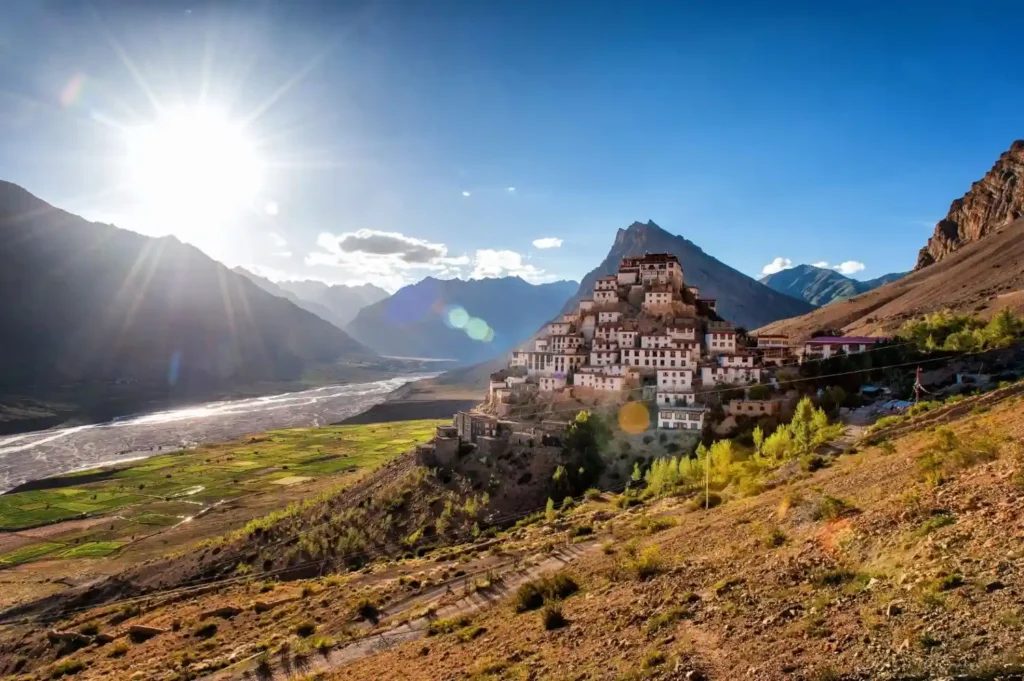
The best circuit isn’t just about the number of days you have. Road conditions change throughout the year, and some roads remain closed due to heavy snowfall. Understanding how each season affects your journey can help you choose the right circuit.
| Month | Full Circuit | Short Circuit | Our Recommendation |
| April | Best Option | Usually Closed | Choose the Full Circuit |
| May | Recommended | Opens Late May (Weather Dependent) | Full Circuit is Safer |
| June | Excellent | Excellent | Both are Good Choices |
| July | Good | Good | Check Weather Before Travelling |
| August | Possible Landslides | Water Crossings Increase | Travel with Flexible Plans |
| September | Best Time | Best Time | Ideal for Both Circuits |
| October | Early October Only | May Close Due to Snow | Start Early in the Month |
April
During April, heavy snow blocks Kunzum Pass, making the Manali side inaccessible. The only practical way to reach Spiti Valley is through Shimla and Kinnaur.
If you’re planning an early-season trip, the Full Circuit (or Shimla entry with return via the same side if Kunzum remains closed) is the safest choice.
May
Road conditions improve gradually during May, but Kunzum Pass usually opens towards the end of the month. Opening dates vary depending on snowfall, so it’s important to check the latest road updates before finalising your plans.
June
June marks the beginning of the main travel season. Both circuits become accessible, rivers are manageable, and the weather is pleasant for sightseeing and road trips.
July and August
These are popular months because of school holidays, but they also bring occasional landslides and water crossings, especially near Batal and Gramphu. While Spiti receives less rainfall than many Himalayan regions, roads can still be affected.
September
September is considered one of the best months to visit Spiti Valley. The monsoon starts retreating, roads become more stable, skies remain clear, and the mountain views are spectacular.
October
The first half of October still offers a wonderful travel experience, but temperatures drop quickly. Snowfall may begin towards the end of the month, especially around Kunzum Pass, so it’s best to travel early.
Spiti Full Circuit vs Short Circuit Budget Comparison
Your budget depends on the number of travel days, accommodation choices, transportation, and activities. Naturally, the Full Circuit costs more because it covers a longer distance and requires additional nights.
| Expense | Full Circuit (9–10 Days) | Short Circuit (5–7 Days) |
| Fuel | ₹10,000–15,000 | ₹7,000–10,000 |
| Hotels | ₹12,000–20,000 | ₹7,000–12,000 |
| Food | ₹5,000–8,000 | ₹3,000–5,000 |
| Bike Rental | ₹14,000–20,000 | ₹9,000–14,000 |
| Taxi Cost | Higher | Lower |
| Group Tour | ₹18,000–30,000 | ₹12,000–20,000 |
| Approx Budget Per Person | ₹20,000–35,000 | ₹12,000–22,000 |
Which One Offers Better Value?
If you only have a week, the Short Circuit helps save money while still covering Spiti’s most popular attractions.However, if your budget allows a few extra travel days, the Full Circuit provides a richer experience with better acclimatisation, more sightseeing opportunities, and a relaxed pace.
How Many Days Do You Need for Each Spiti Circuit?
One of the most common questions travellers ask is, “How many days are enough for Spiti Valley?”The answer depends on the type of experience you’re looking for.
5 Days
A five-day trip is only suitable if you’re taking the Short Circuit. Expect long driving hours with very little flexibility. You’ll be able to visit Kaza and a few nearby villages but won’t have much time to relax.
Recommended: Short Circuit only.
6 Days
Within six days, the Short Circuit becomes more comfortable. You can include Key Monastery, Kibber, Langza, Hikkim, and Komic without rushing through every destination.
Recommended: Short Circuit.
7 Days
Seven days give you enough time to enjoy the Short Circuit at a comfortable pace. You may even include Chandratal Lake if road conditions are favourable.Trying to complete the Full Circuit in seven days often means spending more time driving than exploring.
Recommended: Well-planned Short Circuit.
8 Days
Eight days sit right in the middle.You can either enjoy a relaxed Short Circuit with extra sightseeing or attempt a slightly fast-paced Full Circuit.If it’s your first visit, it’s better to avoid rushing.
Recommended: Short Circuit with extra exploration or Full Circuit only if you’re comfortable with longer driving days.
9–10 Days
This is the ideal duration for the Full Circuit.You’ll have enough time to explore Kinnaur, Tabo, Dhankar, Kaza, Chandratal, and Manali without feeling exhausted.It also allows buffer time in case of changing weather or road delays.
Recommended: Full Circuit.
Pros and Cons of the Spiti Full Circuit
Advantages
• Gradual altitude gain reduces AMS risk.
• Covers both Kinnaur and Spiti Valley.
• No repeated roads.
• Better road conditions for most of the journey.
• More photography opportunities.
• Relaxed travel pace.
• Ideal for first-time visitors.
• Suitable for families and couples.
Limitations
• Requires more travel days.
• Higher overall cost.
• Covers a longer driving distance.
• Not ideal for travellers with limited leave.
Pros and Cons of the Spiti Short Circuit
Advantages
• Perfect for short holidays.
• Lower travel budget.
• Reach Spiti much faster.
• Great for repeat visitors.
• Popular among bikers.
• Less overall travel distance.
Limitations
• Faster altitude gain increases AMS risk.
• Rough roads after Gramphu.
• Same road while returning.
• Longer driving days.
• Less suitable for elderly travellers and families with young children.
Which Spiti Circuit is Best for Different Travelers?
| Traveller Type | Recommended Circuit | Why? |
| First-Time Visitors | Full Circuit | Better acclimatisation and complete experience |
| Families | Full Circuit | Safer and more comfortable |
| Couples | Full Circuit | Relaxed journey with diverse landscapes |
| Solo Travellers | Full Circuit | Balanced driving schedule |
| Bikers | Short Circuit | More adventurous roads |
| Backpackers | Short Circuit | Lower travel cost |
| Photographers | Full Circuit | Greater variety of landscapes |
| Senior Citizens | Full Circuit | Easier altitude gain |
| Adventure Lovers | Short Circuit | Challenging roads and thrilling drive |
| Luxury Travellers | Full Circuit | Better accommodation choices and relaxed itinerary |
A common mistake travellers make is choosing the Short Circuit simply because it looks shorter on the map. In reality, fewer travel days don’t always mean an easier journey. Rapid altitude gain, rough mountain roads, and long driving hours can make a shorter trip feel more tiring than a well-planned Full Circuit.
Sample 6-Day Spiti Short Circuit Itinerary
If you have less than a week for your trip, this itinerary helps you explore Spiti Valley without rushing through every destination.
Day 1: Delhi to Manali
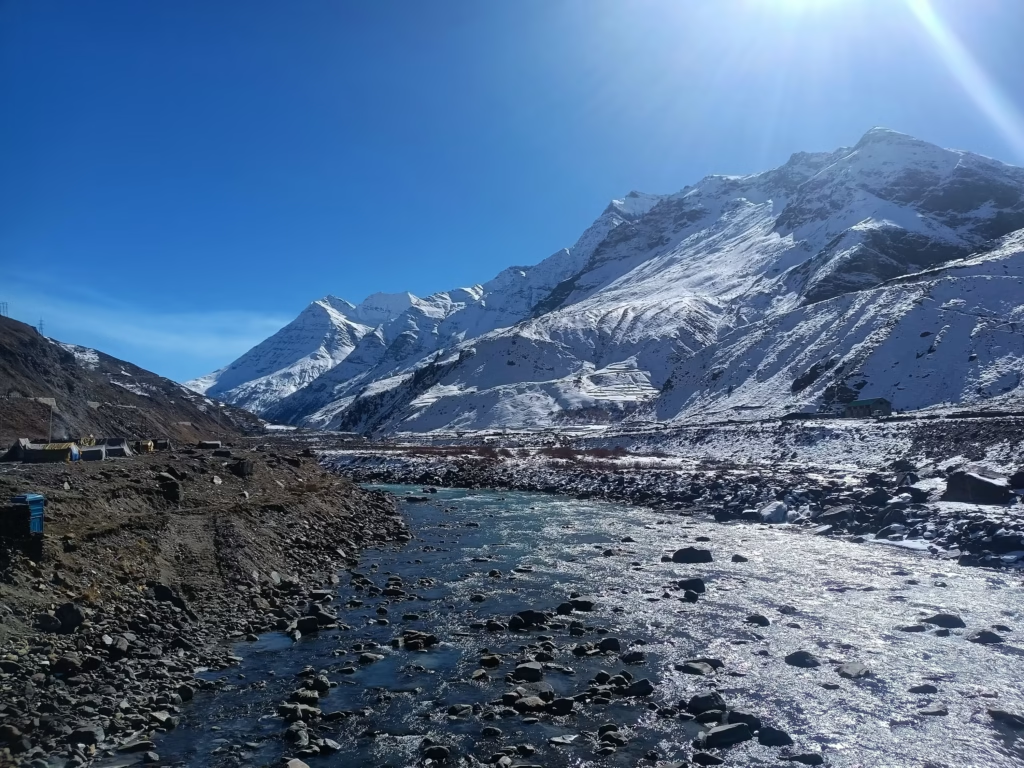
Start your journey from Delhi and reach Manali by evening. Relax, explore Mall Road if time permits, and prepare for the mountain drive ahead.
Overnight Stay: Manali
Day 2: Manali to Kaza
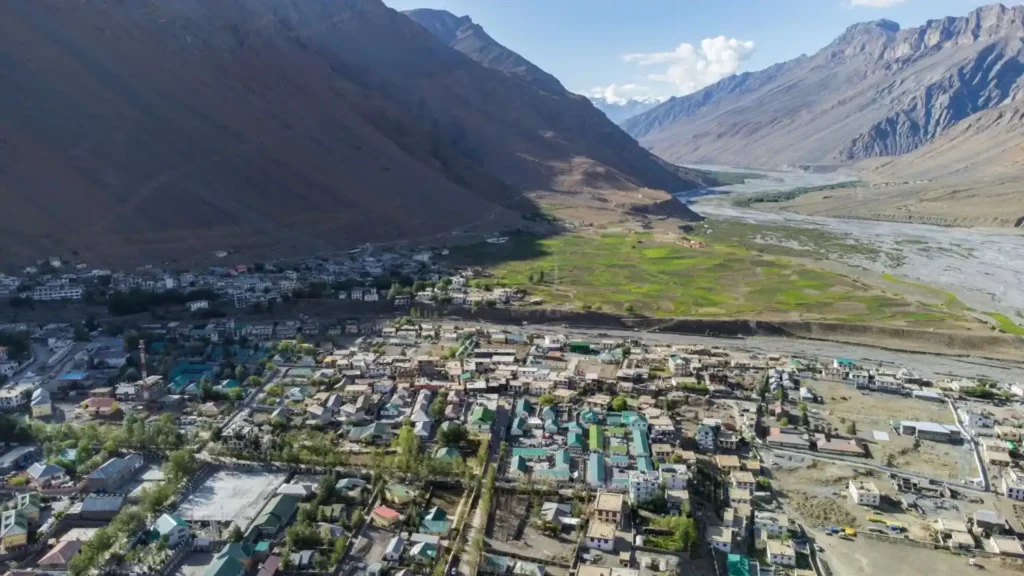
Drive through the Atal Tunnel, Sissu, Gramphu, Batal, and Kunzum Pass before reaching Kaza.This is one of the longest driving days of the trip, so start early in the morning.
Highlights:
• Atal Tunnel
• Sissu Waterfall
• Kunzum Pass
• Losar Village
Overnight Stay: Kaza
Day 3: Explore Key Monastery, Kibber & Chicham Bridge
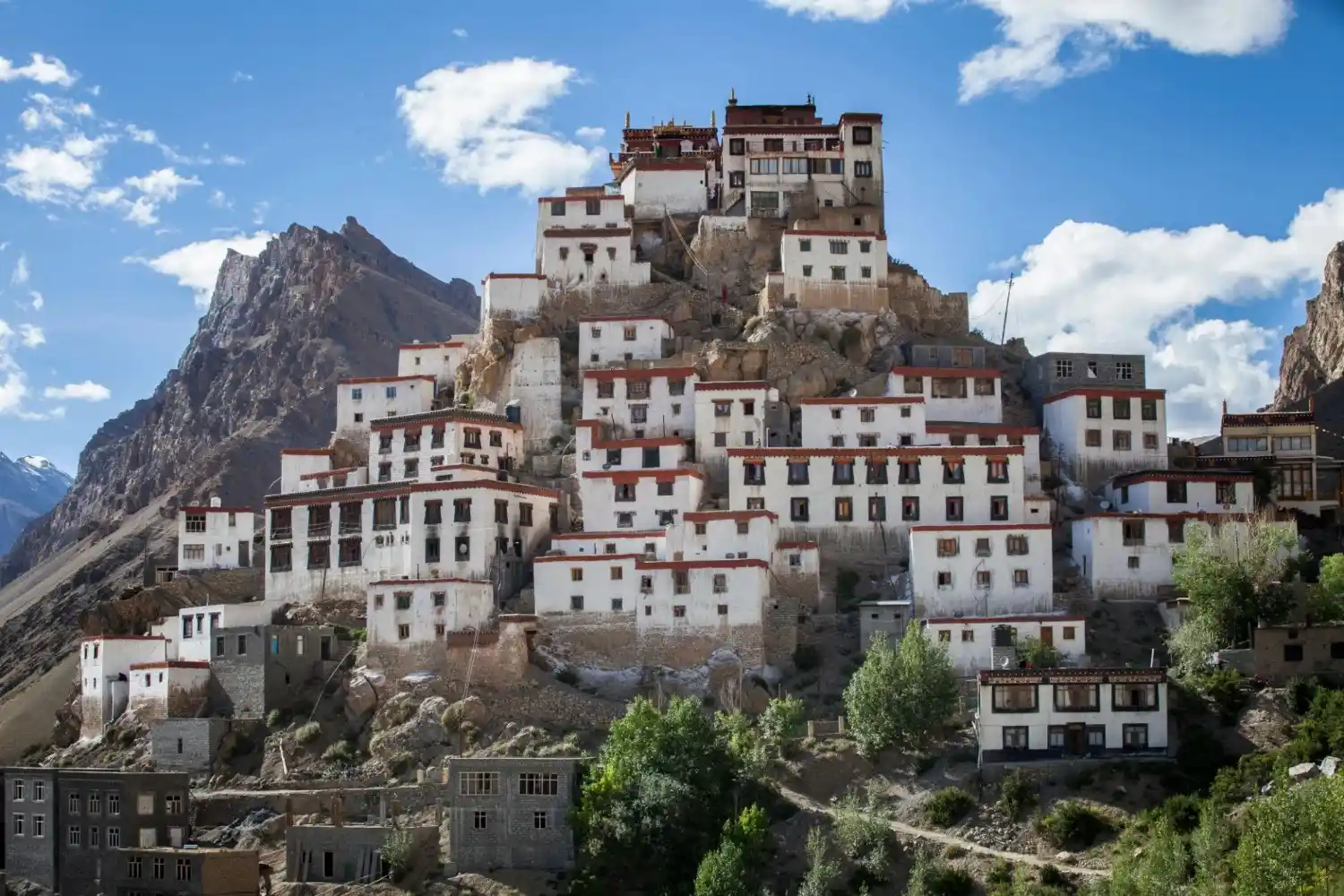
Spend the day exploring some of Spiti’s most iconic attractions.Visit the centuries-old Key Monastery, walk around Kibber Village, and stop at Chicham Bridge, one of Asia’s highest suspension bridges.
Return to Kaza by evening.
Day 4: Langza, Hikkim & Komic
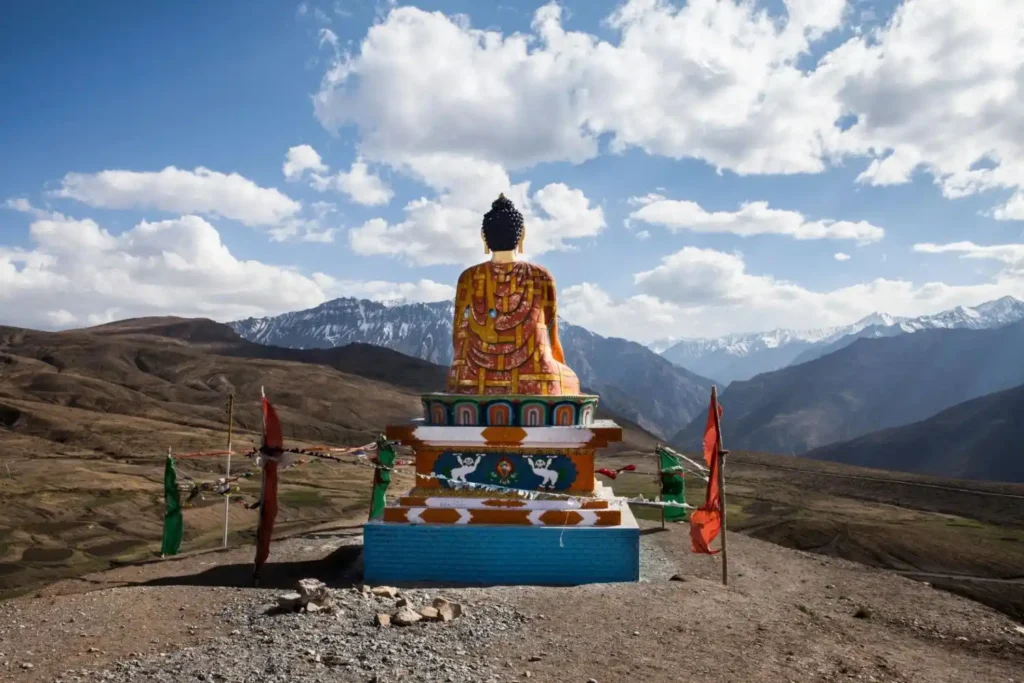
Today’s journey takes you to the famous high-altitude villages of Spiti.
Visit:
Giant Buddha Statue
Return to Kaza for the night.
Day 5: Kaza to Chandratal (If Open)
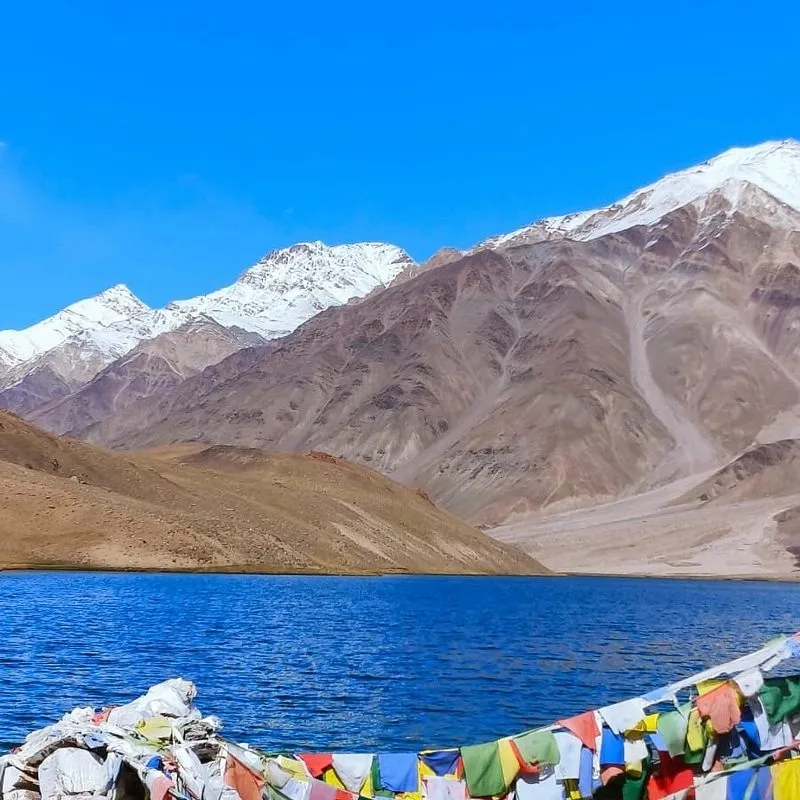
If road conditions allow, travel towards Chandratal Lake and spend the evening enjoying one of the most beautiful alpine lakes in India.If Chandratal is closed, begin your return journey towards Manali and stay at Batal or Sissu.
Day 6: Return to Manali and Delhi
Drive back to Manali through the same scenic mountain roads before continuing your journey home.
Sample 9-Day Spiti Full Circuit Itinerary
This itinerary offers a balanced pace, allowing you to experience both Kinnaur and Spiti Valley without feeling rushed.
Day 1
Delhi to Shimla/Narkanda. If you’d like a fully mapped version of this route with daily highlights, our 10-day Spiti Valley road trip from Delhi breaks down each leg of the journey.
Day 2
Narkanda to Kalpa via Sangla
Day 3
Kalpa to Nako and Tabo
Explore the beautiful landscapes of Kinnaur before entering Spiti Valley.
Day 4
Tabo – Dhankar – Kaza. Visit the ancient Tabo Monastery and the dramatic Dhankar Monastery before reaching Kaza.
Day 5
Key Monastery – Kibber – Chicham Bridge
Spend the day exploring Spiti’s famous monasteries and villages.
Day 6
Langza – Hikkim – Komic
Discover fossil-rich villages, the world’s highest post office, and spectacular mountain views.
Day 7
Kaza to Chandratal Lake
Camp near Chandratal and enjoy sunset views if weather permits.
Day 8
Chandratal to Manali
Cross Kunzum Pass and reach Manali by evening.
Day 9
Manali to Delhi
End your memorable Himalayan adventure.
Common Mistakes to Avoid While Planning Your Spiti Circuit
Many travellers focus only on saving time and unknowingly make decisions that affect their overall experience.
Here are some common mistakes to avoid:
• Choosing the Short Circuit during April or early May before Kunzum Pass opens.
• Ignoring altitude acclimatisation.
• Planning unrealistic driving distances every day.
• Booking non-refundable hotels before checking road conditions.
• Travelling without a buffer day.
• Underestimating mountain weather.
• Starting late in the morning during long driving days.
• Carrying insufficient cash in remote villages.
• Ignoring vehicle servicing before the trip.
• Not keeping extra fuel where required.
Planning wisely can make your Spiti journey much safer and more enjoyable.
Expert Tips for Planning the Perfect Spiti Circuit
After helping thousands of travellers explore Spiti Valley, here are some practical tips.
1. Always check the latest road status before your trip.
2. Drink plenty of water to reduce the risk of altitude sickness.
3. Spend your first evening in Kaza resting instead of sightseeing.
4. Carry warm clothes even during summer.
5. Keep cash with you, as ATMs are limited.
6. Download offline maps before entering remote areas.
7. Keep one extra day as a weather buffer.
8. Avoid driving after sunset in the mountains.
9. Respect monasteries, local customs, and village life.
10. Travel slowly and enjoy the journey instead of trying to cover every destination.
Our Recommendation: Which Spiti Circuit Should You Choose?
There isn’t a single answer that suits every traveller.
Choose the Spiti Full Circuit if you:
• Have 9–10 days.
• I am visiting Spiti for the first time.
• I want better acclimatisation.
• Prefer a comfortable road trip.
• I love photography and changing landscapes.
• Are travelling with family or senior citizens.
Choose the Spiti Short Circuit if you:
• I have only 5–7 days.
• Have already explored Kinnaur.
• I want a budget-friendly trip.
• Enjoy adventure driving.
• Are comfortable travelling at high altitude.
If time isn’t a limitation, the Full Circuit offers a richer and more complete Himalayan experience.
Conclusion
Both the Spiti Full Circuit and the Spiti Short Circuit offer unforgettable experiences, but the right choice depends on your travel style, available time, and comfort level.
The Full Circuit is ideal for travellers looking for a complete Himalayan journey with gradual altitude gain, diverse landscapes, and a relaxed pace. It allows you to experience the beauty of Kinnaur, ancient monasteries, high mountain passes, and the unique charm of Spiti Valley in one continuous adventure.
The Short Circuit is a practical option for those with limited time. It covers Spiti’s major attractions in fewer days and works well for repeat visitors or adventure enthusiasts who are comfortable with long driving hours.
Before finalising your itinerary, always check the latest road conditions, weather forecasts, and the opening status of Kunzum Pass.
If you’re looking for a hassle-free experience, TripGuruGo offers carefully planned Spiti Valley tours with experienced trip leaders, comfortable stays, and well-designed itineraries that let you enjoy the journey without worrying about the logistics.
No matter which circuit you choose, Spiti Valley promises breathtaking landscapes, unforgettable roads, peaceful monasteries, and memories that will stay with you long after the trip ends.
Frequently Asked Questions (FAQs)
Which is better, the Spiti Full Circuit or the Short Circuit?
The Full Circuit is generally better for first-time travellers because it offers gradual acclimatisation, diverse landscapes, and a more relaxed travel experience. The Short Circuit is suitable for travellers with limited time.
How many days are required for the Spiti Full Circuit?
A well-planned Full Circuit usually requires 9 to 10 days to comfortably explore Kinnaur, Spiti Valley, Chandratal, and Manali.
Can I complete the Spiti Short Circuit in 5 days?
Yes, but the itinerary will be fast-paced with long driving hours. A 6–7 day trip is more comfortable.
Which circuit is better for first-time visitors?
The Full Circuit is the preferred choice because the gradual altitude gain helps reduce the risk of Acute Mountain Sickness (AMS).
Which circuit is more budget-friendly?
The Short Circuit generally costs less because it covers fewer travel days, shorter distances, and requires fewer hotel stays.
Is the Full Circuit suitable for families?
Yes. Families, especially those travelling with children or senior citizens, usually find the Full Circuit more comfortable due to its gradual ascent and balanced itinerary.
When does Kunzum Pass usually open?
Kunzum Pass typically opens between late May and mid-June, depending on snowfall and road clearance.
Does the Short Circuit include Chandratal Lake?
Yes, if the Chandratal road is open and weather conditions are favourable. Many 6–7 day itineraries include an overnight stay near the lake.
Can I travel to Spiti Valley in a hatchback or sedan?
Yes, but only with careful driving and favourable road conditions. SUVs or vehicles with higher ground clearance are generally recommended, especially for the Manali side.
Should I enter Spiti via Shimla or Manali?
For first-time travellers, entering via Shimla is recommended because it allows gradual acclimatisation. Travellers with limited time often choose the Manali side once Kunzum Pass is open.
Is altitude sickness common in Spiti Valley?
It can affect travellers, especially those entering from Manali due to the rapid increase in altitude. Staying hydrated and allowing time for acclimatisation can help reduce the risk.
Which is the best month to visit Spiti Valley?
June to September is generally considered the best time to visit, with pleasant weather and better road accessibility. September is especially popular for clear skies and stable road conditions.

Abdullah Khan specializes in adventure travel across Spiti Valley and the high-altitude regions of Himachal Pradesh. He writes about road trips, bike expeditions, hidden villages, monasteries, and offbeat Himalayan experiences. His guides focus on route planning, acclimatization, travel safety, and the best experiences across Spiti Valley.