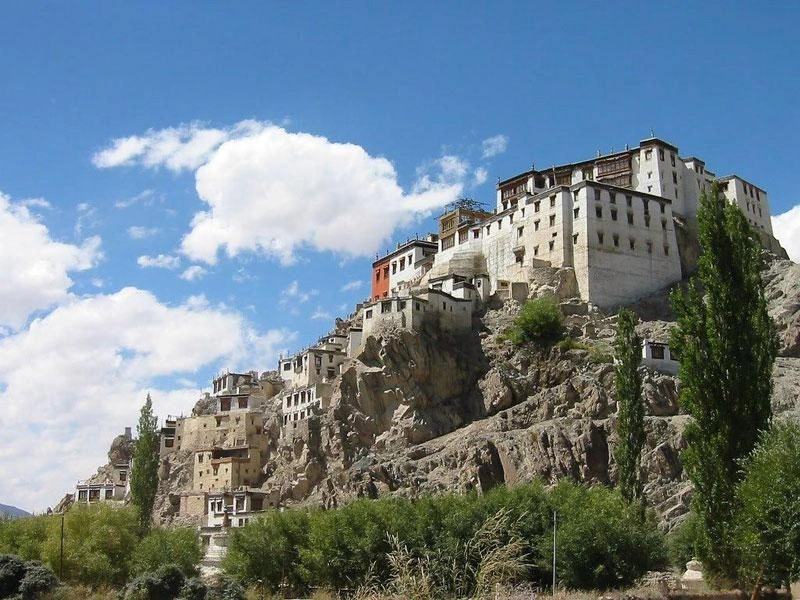
Standing quietly on a hill overlooking the Indus Valley, Spituk Monastery is one of the oldest and most peaceful monasteries in Ladakh. While many travellers visit famous places like Thiksey Monastery and Hemis Monastery, Spituk offers a calmer experience with fewer crowds, beautiful valley views, and centuries-old Buddhist traditions.
The monastery is known for its colourful prayer halls, ancient statues, sacred artefacts, and the famous statue of Goddess Kali that is revealed only during the annual Spituk Gustor Festival.
Located just a short drive from Leh, it’s an easy place to include in your itinerary, whether you’re visiting Ladakh for the first time or returning to explore more of its spiritual side.
Before planning your journey, it’s worth reading our Complete Ladakh Trip Guide from Delhi for routes, permits, transport options, and useful travel tips.
In this guide, you’ll find everything you need to know about Spituk Monastery, including its story, timings, entry fee, how to reach, what to see, travel tips, and the best time to visit.
Spituk Monastery – Quick Information
| Details | Information |
| Location | Spituk Village, Leh, Ladakh |
| Distance from Leh | Around 8 km |
| Travel Time | 15–20 minutes |
| Opening Hours | 8:00 AM – 1:00 PM |
| Entry Fee | ₹20 per person |
| Best Time to Visit | June to September and during the Spituk Gustor Festival |
| Famous For | Hilltop monastery, Kali statue, Buddhist artefacts, valley views |
| Established | 11th Century |
| Buddhist School | Gelug (Yellow Hat) |
| Average Visit Duration | 1–2 hours |
Why Is Spituk Monastery Famous?
Spituk Monastery is famous for much more than its hilltop location.
It is one of the oldest Buddhist monasteries in Ladakh and is home to valuable statues, ancient paintings, prayer halls, traditional masks, old weapons, and religious manuscripts collected over hundreds of years.
Another reason many visitors come here is the giant statue of Goddess Kali, which remains covered for most of the year. It is displayed to the public only during the annual Spituk Gustor Festival, making the festival one of the biggest attractions of the monastery.
The monastery is also home to around 100 resident monks, who continue to follow Buddhist traditions and daily prayers.
The Story Behind Spituk Monastery
Instead of beginning with history books, the story of Spituk Monastery starts with a prediction.
It is believed that the famous Buddhist translator Rinchen Zangpo visited this place many centuries ago and said that an “exemplary religious community” would one day grow here.
Because of this belief, the monastery was given the name “Spituk,” which means “exemplary.”
Over time, the monastery became an important centre for Buddhist learning in Ladakh. It later came under the Gelug (Yellow Hat) tradition and continues to follow those teachings today.
Even after hundreds of years, Spituk remains an active monastery where monks live, study, and perform daily prayers.
Location of Spituk Monastery
Spituk Monastery is located in Spituk Village, about 8 kilometres from Leh on the Leh–Airport Road.
Built on top of a hill, the monastery overlooks the Indus River, nearby villages, and the surrounding mountains.
Its location makes it one of the easiest monasteries to visit from Leh.
Since the drive takes only 15 to 20 minutes, many travellers combine it with visits to nearby attractions on the same day.
What Makes Spituk Monastery Different?
Ladakh has many beautiful monasteries, but Spituk has its own identity.
Unlike some larger monasteries that attract heavy tourist crowds, Spituk offers a quieter atmosphere where visitors can spend time exploring without feeling rushed.
A few things that make it special include:
- Hilltop location with panoramic views.
- Rare statue of Goddess Kali.
- Ancient collection of thangkas, masks, and weapons.
- Traditional Buddhist prayer halls.
- Active community of resident monks.
- Easy access from Leh.
If you’re looking for a monastery that combines peaceful surroundings with cultural importance, Spituk is well worth visiting.
What to See Inside Spituk Monastery
There’s more to Spituk Monastery than its beautiful location.
As you walk through the monastery, you’ll come across several interesting places that reflect Ladakh’s rich Buddhist heritage.
Main Prayer Hall
The prayer hall is one of the first places visitors explore.
Large prayer wheels, colourful wall paintings, and beautifully decorated pillars create a peaceful atmosphere where monks gather for daily prayers.
If you visit during prayer time, you may hear traditional chants filling the hall.
Statue of Maitreya Buddha
One of the highlights of the monastery is the impressive statue of Maitreya Buddha, also known as the Future Buddha.
The statue is beautifully decorated and remains one of the most photographed parts of the monastery.
Mahakal Shrine
Another important area is the Mahakal Shrine, which holds great religious importance for local Buddhists.
Visitors are requested to maintain silence and respect while entering this sacred space.
Ancient Thangkas and Artefacts
Spituk Monastery has preserved many valuable religious objects over the centuries.
Inside, you’ll find:
- Traditional thangka paintings.
- Ancient Buddhist manuscripts.
- Ceremonial masks.
- Old weapons.
- Religious sculptures.
- Historic ritual objects.
These collections offer a glimpse into Ladakh’s long Buddhist tradition.
Monastery Museum
The small museum inside the monastery displays several rare artefacts collected over many generations.
It is an interesting stop for anyone who wants to learn more about Buddhist art, local culture, and the monastery’s heritage.
The Famous Kali Statue
One of the most unique attractions at Spituk Monastery is the large statue of Goddess Kali.
Unlike most temple idols that remain visible throughout the year, this sacred statue stays covered for most of the time.
It is revealed to visitors only during the annual Spituk Gustor Festival, making it one of the festival’s biggest highlights.
Many travellers plan their visit during this time to witness this rare tradition.
Spituk Gustor Festival
The Spituk Gustor Festival is the monastery’s biggest annual celebration.
Held during winter, the festival attracts monks, local families, and visitors from different parts of India and abroad.
During the celebrations, the monastery comes alive with:
- Traditional masked dances.
- Religious ceremonies.
- Colourful costumes.
- Buddhist music.
- Prayer rituals.
The festival represents the victory of good over evil and offers visitors a chance to experience Ladakh’s living Buddhist traditions up close.
Best Time to Visit Spituk Monastery
You can visit Spituk Monastery throughout the year, but the experience changes with the seasons.
June to September
This is the most comfortable time to visit.
The weather is pleasant, roads remain open, and clear skies offer beautiful views from the monastery.
It is also the best season for combining Spituk with other attractions around Leh.
January
If you want to experience Ladakh’s traditional festivals, January is one of the best months to visit.
This is when the Spituk Gustor Festival usually takes place, giving visitors an opportunity to watch masked dances and special religious ceremonies.
Spituk Monastery Timings
Spituk Monastery is open to visitors every day.
| Details | Information |
| Opening Time | 8:00 AM |
| Closing Time | 1:00 PM |
| Best Time of Day | Morning (8:00 AM–11:00 AM) |
| Average Visit Duration | 1–2 Hours |
Morning is the best time to visit because the weather is pleasant, the monastery is quieter, and the views of the Indus Valley are at their clearest.
Spituk Monastery Entry Fee
Visiting Spituk Monastery is affordable, making it an easy addition to your Leh itinerary.
| Ticket | Fee |
| Indian Visitors | ₹20 per person |
| Foreign Visitors | May vary |
| Camera Charges | Usually included for personal photography* |
*Photography rules may change, so it’s always best to check at the ticket counter before taking pictures inside the monastery.
How to Reach Spituk Monastery
Spituk Monastery is one of the easiest monasteries to reach from Leh.
By Taxi
Hiring a taxi is the quickest and most comfortable option.
The drive takes around 15 to 20 minutes from Leh Market.
By Private Vehicle
If you’re travelling by car or motorcycle, simply follow the Leh–Airport Road towards Spituk Village.
The roads are well maintained, and parking is available near the monastery.
By Local Bus
A few local buses travel towards Spituk Village.
However, taxi services are much more convenient, especially if you’re planning to visit other monasteries on the same day.
How Much Time Do You Need?
Most visitors spend 1 to 2 hours exploring the monastery.
This gives you enough time to:
- Walk around the monastery complex.
- Visit the prayer halls.
- See the museum.
- Enjoy the valley views.
- Take photographs.
- Spend a few quiet moments inside the monastery.
If you’re visiting during the Spituk Gustor Festival, you may want to stay longer to watch the cultural performances.
Photography Tips
Spituk Monastery is a wonderful place for photography.
From the hilltop, you can capture beautiful views of the Indus Valley, nearby villages, and the surrounding mountains.
For the best photographs:
- Visit early in the morning.
- Carry a wide-angle lens if you have one.
- Respect areas where photography is not allowed.
- Avoid using flash inside prayer halls.
- Never disturb monks during prayers.
Always ask for permission before photographing local people or religious ceremonies.
Dress Code
There is no strict dress code, but visitors should dress respectfully.
Wear:
- Comfortable clothes.
- Clothing that covers your shoulders and knees.
- Comfortable walking shoes.
Avoid:
- Loud behaviour.
- Playing music inside the monastery.
- Touching religious objects without permission.
Simple gestures of respect help preserve the peaceful atmosphere.
Visitor Facilities
Although Spituk Monastery is an active religious site, visitors can expect a few basic facilities.
| Facility | Availability |
| Parking | Available |
| Washrooms | Limited |
| Drinking Water | Limited |
| Small Shops | Available nearby |
| Guided Tours | Available occasionally |
| Wheelchair Access | Limited because of steps |
Since the monastery is close to Leh, it’s a good idea to carry essentials before starting your visit.
Is Spituk Monastery Worth Visiting?
Yes.
Spituk Monastery is one of the best monasteries near Leh for travellers who enjoy peaceful surroundings, Buddhist culture, and panoramic mountain views.
Unlike some of the more crowded monasteries, Spituk allows you to take your time exploring the prayer halls, museum, and scenic viewpoints.
Its short distance from Leh also makes it an easy stop during a day of sightseeing.
Who Should Visit Spituk Monastery?
Spituk Monastery is suitable for almost every type of traveller.
It’s especially recommended for:
- Families
- Couples
- Solo travellers
- Photography lovers
- Culture enthusiasts
- Spiritual travellers
- First-time visitors to Leh
Whether you’re interested in Buddhist heritage or simply want to enjoy beautiful views, Spituk Monastery is worth adding to your itinerary.
Must-Visit Places Near Spituk Monastery
After visiting Spituk Monastery, you can continue exploring some of Ladakh’s most famous attractions. Popular places nearby include Shanti Stupa, Leh Palace, Hall of Fame, Magnetic Hill, Gurdwara Pathar Sahib, Sangam Point, Thiksey Monastery, and Hemis Monastery.
If you’re planning a complete sightseeing itinerary, don’t miss our Best Places to Visit in Ladakh guide. It covers the region’s top attractions, hidden gems, and practical travel tips to help you make the most of your Ladakh trip.
Travel Tips
A little preparation can make your visit more enjoyable.
- Visit in the morning for the best weather and fewer visitors.
- Carry a water bottle, especially during summer.
- Walk slowly while climbing the monastery steps.
- Respect monks and ongoing prayers.
- Keep your phone on silent inside prayer halls.
- Carry some cash for the entry ticket or small purchases.
- Combine your visit with nearby monasteries to save travel time.
Plan Your Ladakh Journey with TripGuruGo
Whether you’re visiting Spituk Monastery for its peaceful atmosphere, stunning hilltop views, or rich Buddhist traditions, planning your itinerary in advance will help you make the most of your time in Ladakh.
At TripGuruGo, we create detailed travel guides, practical tips, and destination insights to help you explore Ladakh with confidence and make every journey more memorable.
Conclusion
Spituk Monastery may not be the largest monastery in Ladakh, but it is certainly one of the most rewarding to visit.
Its peaceful setting, beautiful views of the Indus Valley, ancient prayer halls, rare collection of artefacts, and the famous Spituk Gustor Festival make it a memorable stop near Leh.
Whether you’re interested in photography, spirituality, or local culture, spending a few hours at Spituk Monastery offers a deeper understanding of Ladakh beyond its mountains and lakes
FAQs
Is Spituk Monastery worth visiting?
Yes. It is one of the oldest monasteries near Leh and is known for its peaceful surroundings, Buddhist artefacts, scenic views, and the famous Spituk Gustor Festival.
How far is Spituk Monastery from Leh?
Spituk Monastery is around 8 km from Leh and can be reached in about 15–20 minutes by road.
What are the timings of Spituk Monastery?
The monastery is generally open from 8:00 AM to 1:00 PM every day.
Is there an entry fee for Spituk Monastery?
Yes. The entry fee is ₹20 per person, although charges may change over time.
What is Spituk Monastery famous for?
It is famous for its hilltop location, ancient Buddhist artefacts, beautiful prayer halls, and the giant statue of Goddess Kali that is revealed during the annual Spituk Gustor Festival.
How much time should I spend at Spituk Monastery?
Most visitors spend 1 to 2 hours exploring the monastery and enjoying the surrounding views.
Can I take photographs inside Spituk Monastery?
Photography is allowed in many areas, but some prayer halls and sacred spaces may have restrictions. Always follow the monastery’s guidelines.
When is the best time to visit Spituk Monastery?
June to September is ideal for pleasant weather and sightseeing, while January is the best time to experience the colourful Spituk Gustor Festival.

Anjali is a travel content writer who creates informative and engaging articles about destinations, travel tips, itineraries, and travel experiences. She enjoys simplifying travel information to help readers plan their journeys with confidence while discovering new places and cultures.