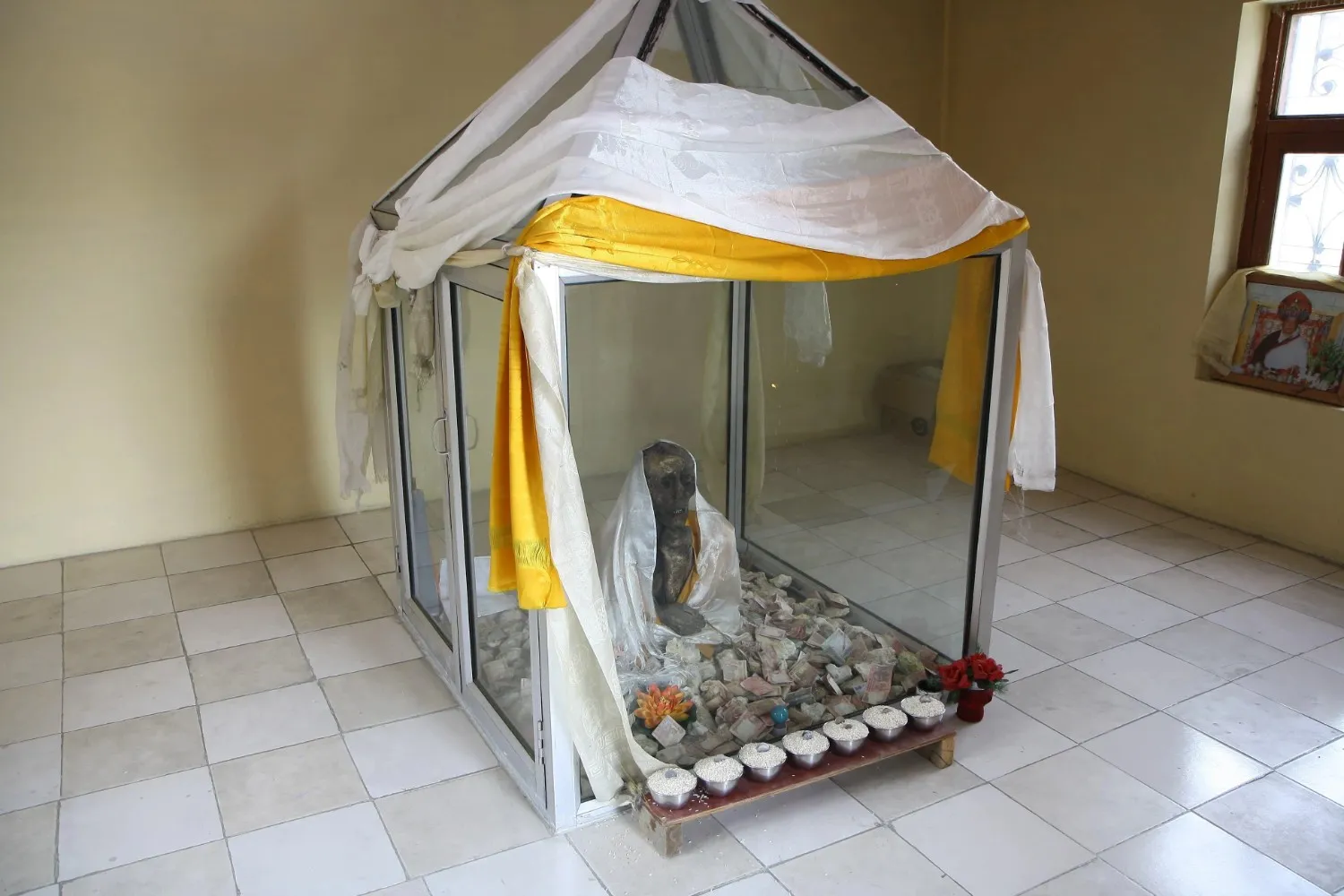
If you’re planning a road trip to Spiti Valley, make sure to add Gue Mummy to your itinerary. While most travellers visit Spiti for its monasteries, mountain passes, and villages, Gue offers something completely different a naturally preserved 500-year-old Buddhist monk sitting in a meditation posture.
Located in the quiet village of Gue, around 35 km from Tabo and close to the Indo-Tibet border, this small monastery is home to the mummy of Lama Sangha Tenzin. Unlike the mummies found in Egypt, this one was not preserved using chemicals or artificial methods. Experts believe the cold, dry climate of Spiti helped preserve the monk’s body naturally over centuries.
Many visitors describe the experience as peaceful rather than mysterious. Seeing the mummy from just a few feet away, along with the silence of the monastery and the mountain surroundings, makes Gue one of the most memorable stops on the Spiti circuit.
Although the village is small and receives fewer tourists than places like Kaza or Key Monastery, it offers a unique mix of history, spirituality, and Himalayan culture. If you’re still planning which destinations to include, the complete guide on places to visit in Spiti Valley covers all the major stops worth adding to your route.
In this complete 2026 guide, you’ll find everything you need to know about Gue Mummy history, how to reach, best time to visit, entry fee, timings, nearby attractions, and travel tips.
Quick Facts About Gue Mummy
| Information | Details |
| Location | Gue Village, Spiti Valley, Himachal Pradesh |
| Altitude | Approx. 3,080 metres (10,100 ft) |
| Famous For | 500-year-old naturally preserved Buddhist mummy |
| Monk | Lama Sangha Tenzin |
| Nearest Town | Tabo (35 km) |
| Distance from Kaza | Around 80 km |
| Best Time to Visit | May to September |
| Time Required | 1–2 Hours |
| Entry Fee | Small voluntary village contribution |
| Timings | Morning to Early Evening |
| Mobile Network | Limited (BSNL & Jio may work) |
| Accommodation | Homestays in Gue, better options in Tabo & Kaza |
Why is Gue Village So Famous?
There are hundreds of monasteries across the Himalayas, but Gue Monastery is different because it houses the only naturally preserved Buddhist mummy in India.
The mummy belongs to Lama Sangha Tenzin, a Buddhist monk believed to have lived around 500 years ago. According to local beliefs, he voluntarily entered deep meditation and sacrificed his life to protect the village from a plague of scorpions.
Today, his body remains seated in a meditation posture inside a glass enclosure. Visitors can still clearly see parts of his skin, hair, and teeth.
Unlike Egyptian mummies that were embalmed using chemicals and wrapping techniques, the preservation of Lama Sangha Tenzin is believed to be completely natural. The cold climate, low humidity, and high altitude of Spiti Valley created conditions that helped preserve the body over centuries.
Because of this, Gue attracts not only travellers but also historians, archaeologists, photographers, and people interested in Buddhism.
History of Gue Village
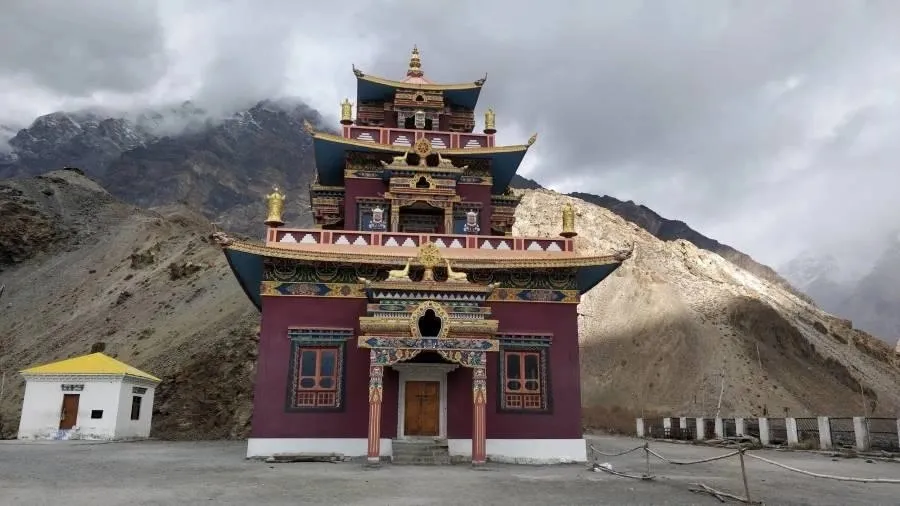
The story of the Gue Mummy combines local tradition, Buddhist beliefs, and historical discovery.According to village elders, Lama Sangha Tenzin chose self-mummification through deep meditation nearly five centuries ago. It is believed that he sacrificed himself to save the local community from a plague that was affecting crops and daily life.
For many years, the mummy remained hidden underground. In 1975, a powerful earthquake struck the region. During the rebuilding process, the preserved body was discovered almost intact. Later, the Indo-Tibetan Border Police (ITBP) and local authorities helped preserve the mummy by placing it inside a glass chamber for visitors.
Although several scientific studies suggest that the extreme climate of Spiti played a major role in preserving the body, local people continue to see the mummy as a sacred symbol of compassion and spiritual devotion rather than simply a historical object.Even today, the monastery is respected as a place of worship. Visitors are expected to maintain silence and behave respectfully while inside the mummy room.
Interesting Facts About Gue Village
• It is home to India’s only naturally preserved Buddhist mummy.
• The mummy is believed to be around 500 years old.
• Hair, teeth, and parts of the skin are still visible.
• The body was discovered after the 1975 earthquake.
• The monk is seated in a meditation posture.
• No artificial embalming techniques were used.
• Gue lies close to the Indo-Tibet border.
• The village has only a small population, making it one of the quieter stops in Spiti.
• Most travellers visit Gue as a short detour while travelling between Nako and Tabo.
• The monastery remains an active religious site, not just a tourist attraction.
Where is Gue Mummy Located?
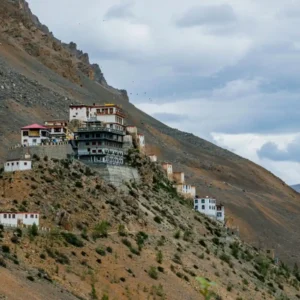
Gue Village is located in the Lahaul and Spiti district of Himachal Pradesh, close to the Indo-Tibet border. It sits at an altitude of around 3,080 metres, overlooking the Spiti River valley.
The village is approximately: 35 km from Tabo, 80 km from Kaza, 47 km from Nako, and around 430 km from Shimla.
To reach the monastery, travellers leave National Highway 505 near Sumdo and drive about 8 km uphill on a narrow mountain road. The route is scenic, with views of barren mountains, colourful prayer flags, and traditional Spitian villages.
Since Gue is slightly off the main highway, it receives fewer visitors than other attractions in Spiti. This makes it an ideal stop for travellers looking to explore lesser-known cultural sites while driving through the valley.
For most visitors, Gue fits perfectly into a road trip between Nako, Tabo, and Kaza, adding only a short detour but offering one of the most unique experiences in the entire region. Before finalising your route, it’s worth checking the current Spiti Valley road status to plan your travel days accurately.
How to Reach Gue Mummy Spiti
From Kaza
| Details | Information |
| Distance | Around 80 km |
| Travel Time | 2.5–3 Hours |
| Road Condition | Mostly good with some rough patches |
Many travellers combine Gue with a visit to Tabo Monastery and Dhankar Monastery during the same day, making it a highly efficient stretch of the Spiti circuit.
From Tabo
| Details | Information |
| Distance | Around 35 km |
| Travel Time | About 1 Hour |
| Road | Good highway followed by an uphill village road |
If you are staying in Tabo, Gue makes a perfect half-day excursion.
Road Conditions
The road from NH-505 to Gue Village is around 8 km long and climbs steadily uphill. Expect narrow mountain roads, sharp bends, limited traffic, and beautiful valley views. Drive carefully, especially during early mornings or after rainfall.
Best Time to Visit Gue Mummy
The best time to visit Gue depends on the type of experience you want. For a detailed month-by-month breakdown of the entire region, the guide on the best time to visit Spiti Valley will help you plan your trip around weather windows and road conditions.
Summer (May to June) — Best Season
| Season | Day Temp | Night Temp | Rating |
| Summer (May–Jun) | 15°C–22°C | 4°C–10°C | ⭐⭐⭐⭐⭐ |
Summer is considered the best season for visiting Gue Mummy. Roads are generally open, skies remain clear, and the drive is comfortable. The village also looks more vibrant during this period.
Monsoon (July to August) — Travel with Caution
Although Spiti itself receives very little rainfall, the roads through Kinnaur can experience landslides during the monsoon season. Always check the latest road conditions before travelling.
Autumn (September to October) — Excellent Choice
| Season | Day Temp | Night Temp | Rating |
| Autumn (Sep–Oct) | 10°C–18°C | -2°C–6°C | ⭐⭐⭐⭐⭐ |
Many experienced travellers consider autumn the best season for Spiti. The air is cleaner, the skies are crystal clear, and tourist crowds become much smaller — excellent photography conditions with stable roads and peaceful atmosphere.
Winter (November to April) — For Experienced Travellers
Winter transforms Gue into a snow-covered Himalayan village. However, reaching the monastery becomes difficult because snow and ice may block the village road. Temperature can drop below -15°C. Unless you have experience driving in snow, winter is generally not recommended.
Gue Mummy Timings
| Details | Information |
| Opening Time | Around 9:00 AM |
| Closing Time | Around 5:00 PM |
| Best Visiting Time | 9:30 AM–3:00 PM |
Morning visits are recommended because daylight is better for photography and road conditions are usually safer.
Entry Fee
There is no fixed ticket price for visiting Gue Mummy Monastery. Visitors are usually requested to make a small voluntary contribution towards the maintenance of the monastery and village. Carry some cash, as digital payments may not always be available.
Things to Do at Gue Mummy
Although Gue is a small village, it offers a memorable experience for visitors interested in culture, history, and photography.
1. See the 500-Year-Old Mummy
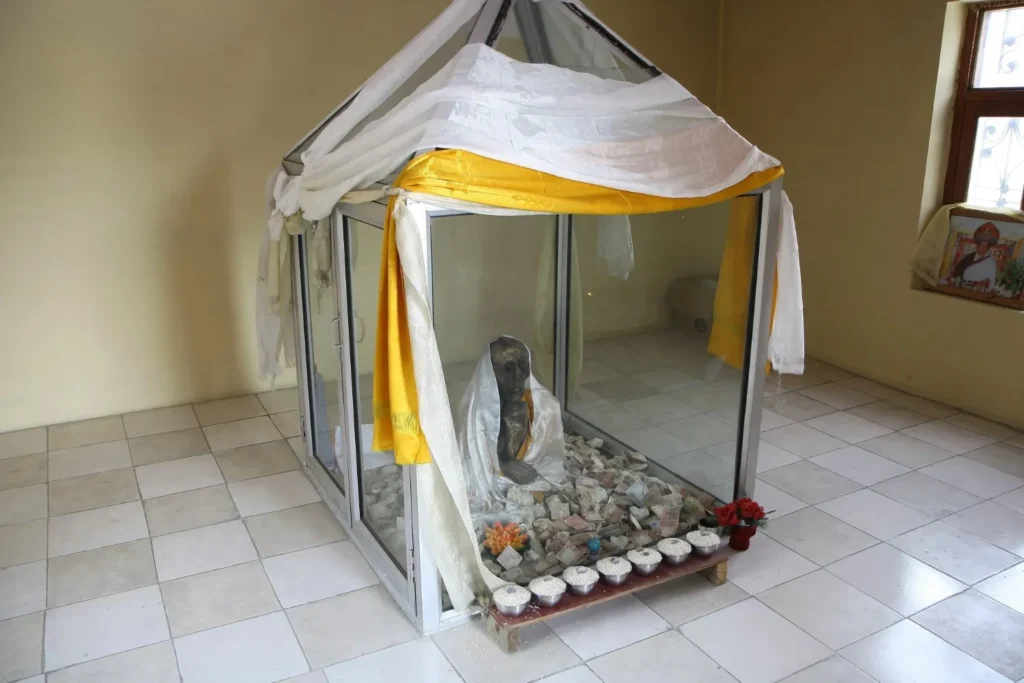
The main attraction is the naturally preserved body of Lama Sangha Tenzin, displayed inside a glass enclosure. Spend a few quiet minutes observing the remarkable preservation and the peaceful atmosphere inside the monastery.
2. Explore Gue Monastery
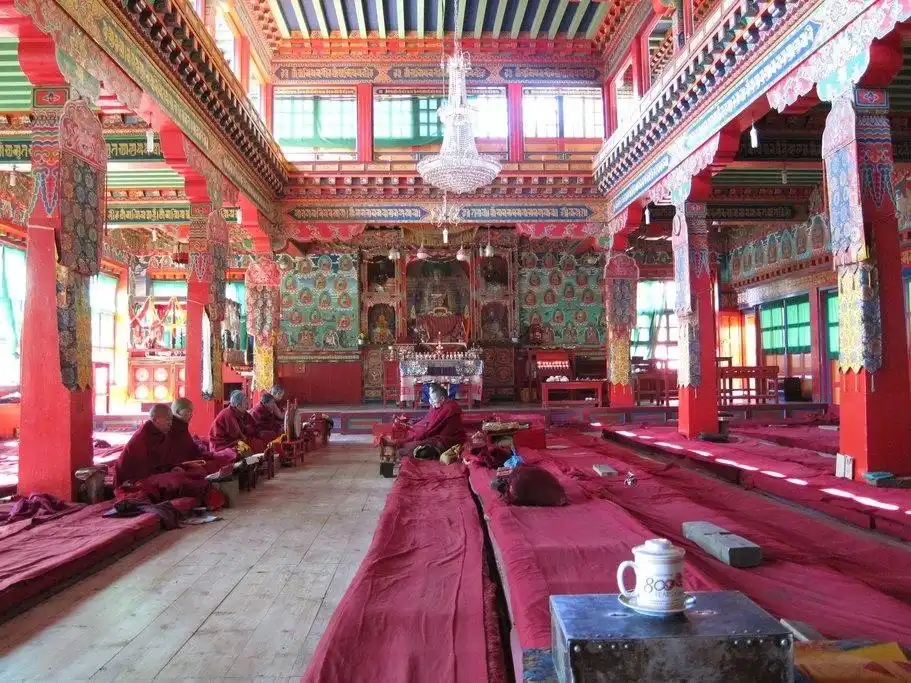
The monastery itself is simple yet beautiful. Inside, you’ll find prayer flags, butter lamps, Buddhist paintings, traditional architecture, and peaceful meditation halls. Remember that this is an active place of worship.
3. Walk Around Gue Village
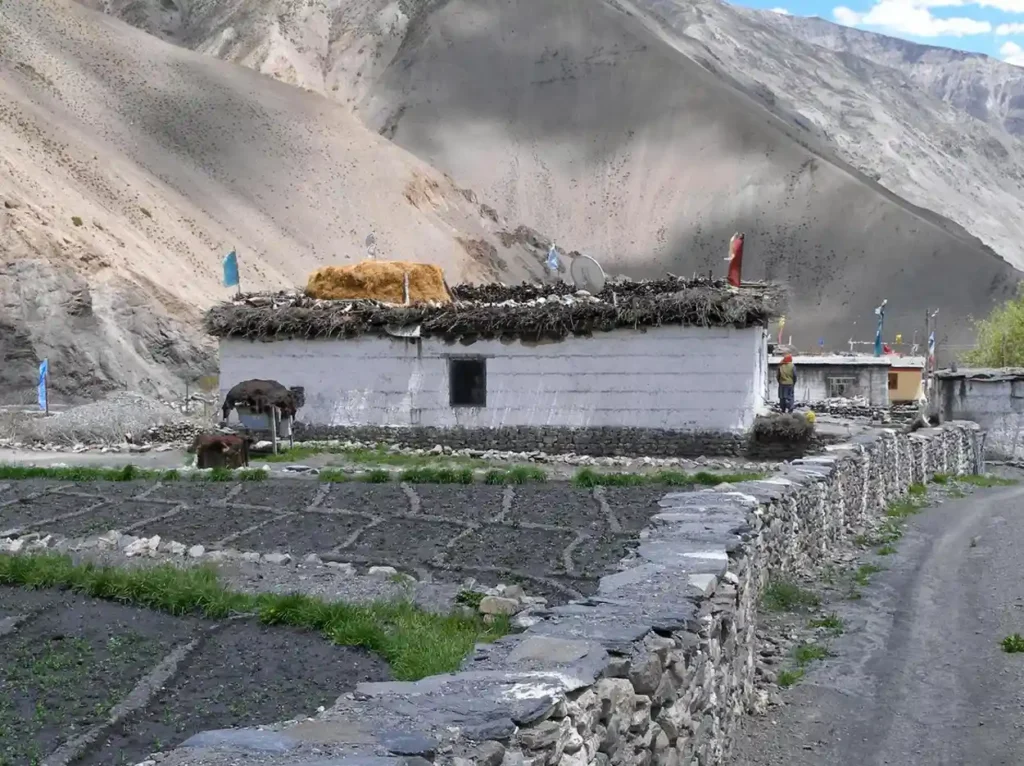
Take a slow walk through the narrow village lanes. You’ll see traditional stone houses, small farms, mountain scenery, and friendly local residents. Unlike popular tourist destinations, Gue still feels calm and untouched.
4. Enjoy the Mountain Views
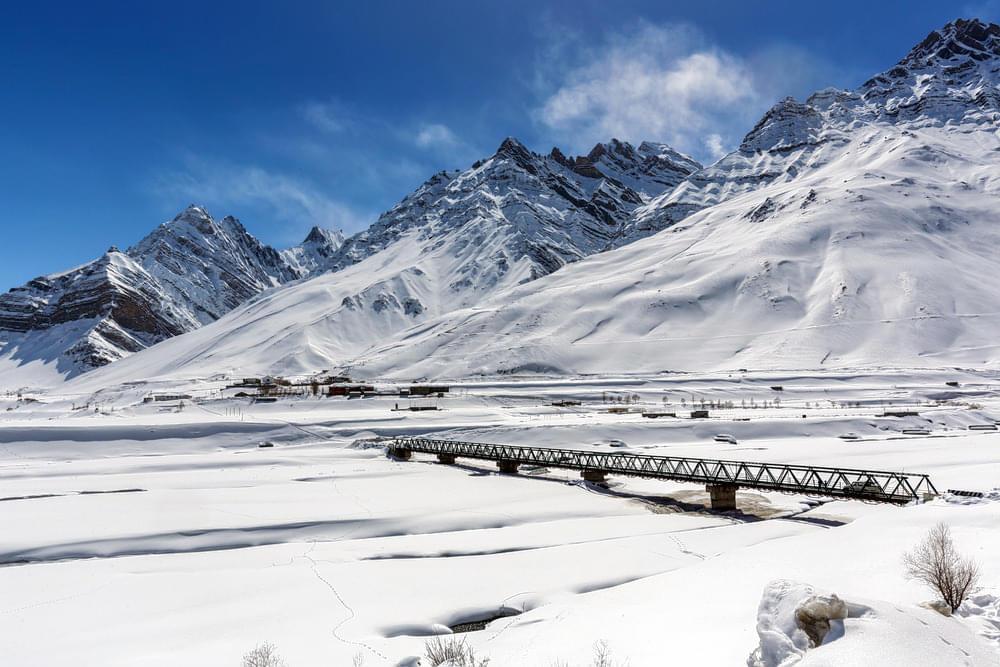
The monastery offers excellent views of the surrounding valleys and barren Himalayan mountains. Spend some time simply enjoying the peaceful surroundings before continuing your journey.
5. Taste Local Food

A small café near the monastery sometimes serves simple local dishes like Thukpa, Maggi, Butter Tea, and snacks. Food options are limited, so many travellers prefer having a proper meal in Tabo.
Photography Tips
Gue is one of the most photogenic villages in Spiti, but visitors should follow a few basic rules.
Best Time for Photography
• Early morning or late afternoon for soft natural light
• Clear weather after sunrise for the best mountain colours
• Do not use flash inside the mummy room
• Always ask before photographing local people
Drone Rules
Drone flying is not allowed because Gue is located close to the Indo-Tibet border. Security restrictions are strictly enforced, so leave your drone packed away during the visit.
Quick Visitor Tips
• Carry cash for donations and snacks
• Wear warm clothes even during summer mornings
• Start early to avoid driving after dark
• Keep a reusable water bottle with you
• Respect monastery customs and maintain silence inside
• Mobile network is limited, so download offline maps before your trip
Nearby Places to Visit from Gue Mummy
A visit to Gue Mummy usually takes around one to two hours, making it easy to combine with several famous attractions in Spiti Valley. For a full overview of what the region offers, the places to visit in Spiti Valley guide covers all the top stops worth including in your circuit.
1. Tabo Monastery (35 km)
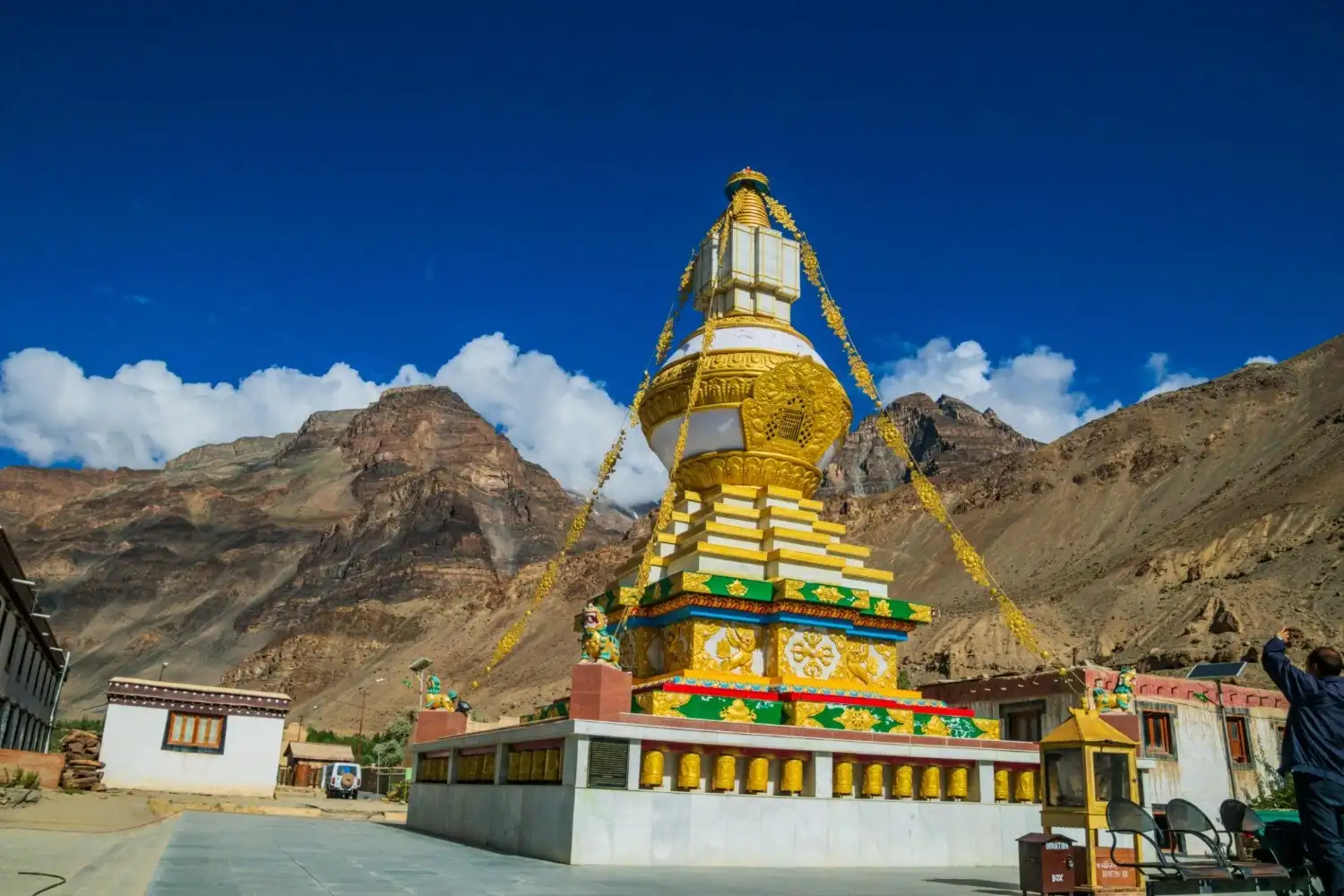
Known as the Ajanta of the Himalayas, Tabo Monastery is one of the oldest Buddhist monasteries in India. Built in 996 AD, it is famous for its ancient murals, clay statues, meditation caves, and peaceful atmosphere. Time Required: 1–2 Hours.
2. Sumdo Check Post (11 km)
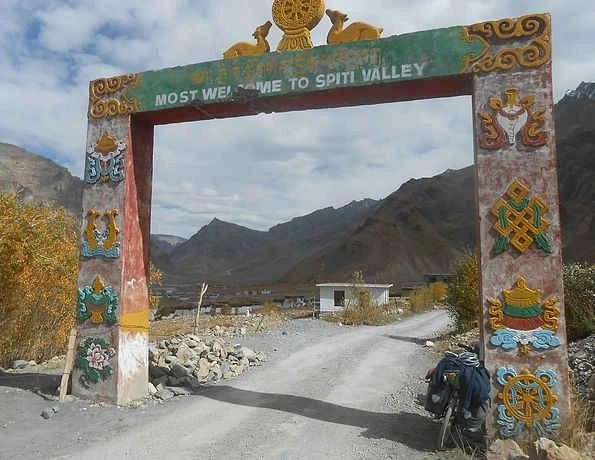
Sumdo marks the official entry into Spiti Valley from the Kinnaur side. Although it isn’t a tourist attraction, the surrounding landscape makes it an interesting stop for a short break and photography.
3. Nako Village & Nako Lake (47 km)
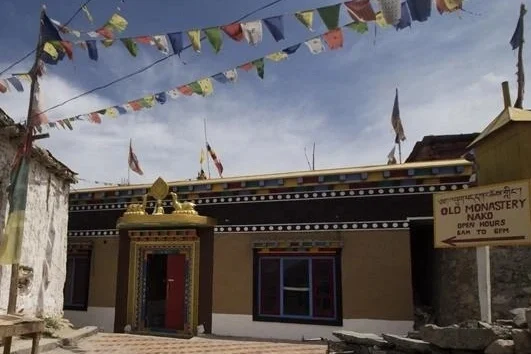
Nako is one of the prettiest villages in the Kinnaur region. The calm lake, traditional mud houses, apple orchards, and old monastery create a peaceful atmosphere. Most travellers spend a night here before entering Spiti Valley.
4. Dhankar Monastery (67 km)
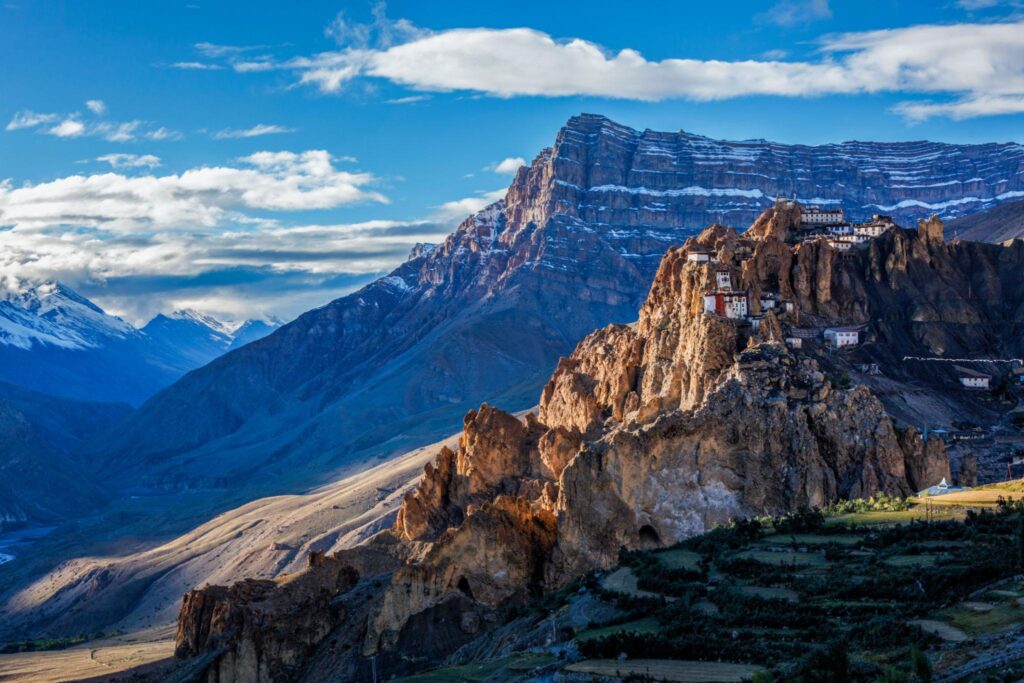
Perched dramatically on a rocky cliff, Dhankar Monastery was once the capital of the Spiti Kingdom. The monastery offers spectacular views of the Spiti and Pin River valleys. Adventure lovers can also hike to Dhankar Lake, located around 2 km above the monastery.
5. Kaza (80 km)
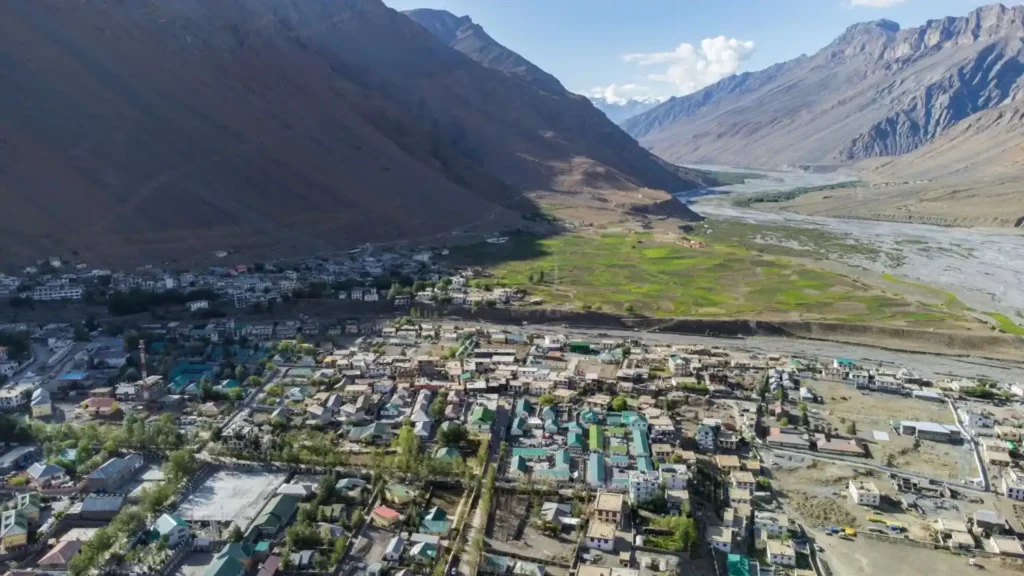
Kaza is the largest town in Spiti Valley and serves as the main base for exploring the region. Here you’ll find hotels, cafes, a fuel station, ATMs, medical stores, bike rentals, and local markets. Most travellers spend at least two or three nights here.
6. Key Monastery (92 km)
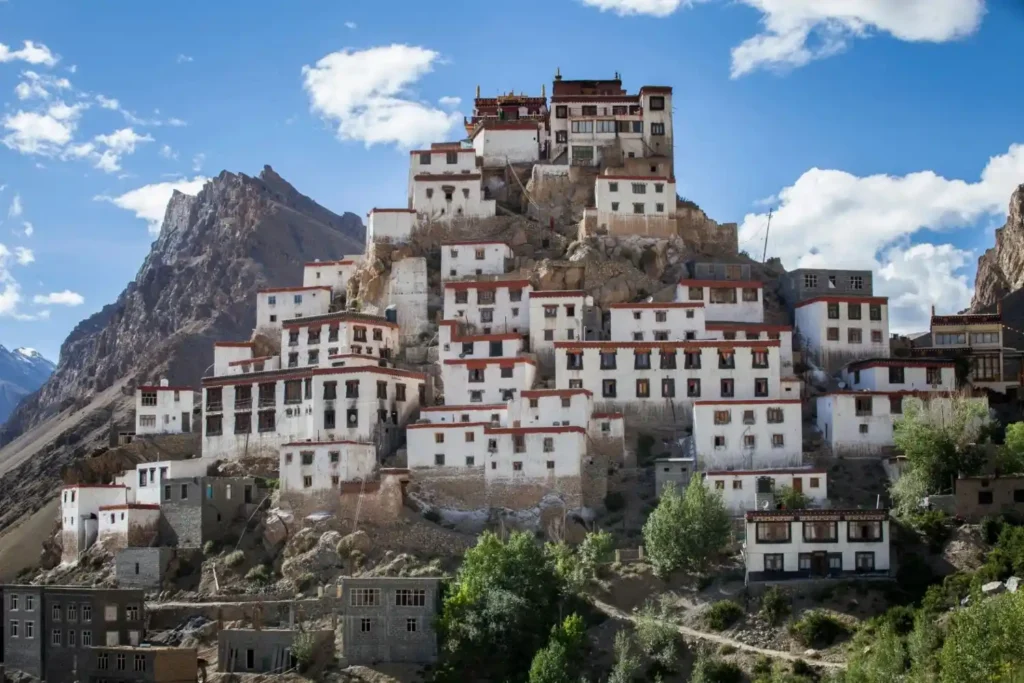
Key Monastery is the largest and most photographed monastery in Spiti Valley. Built like a fortress on top of a hill, it offers breathtaking views of the valley and remains one of the biggest spiritual centres in the region. Don’t miss the chance to enjoy tea with the resident monks if visitors are allowed.
One-Day Gue Mummy Itinerary (From Tabo)
If you’re staying in Tabo, you can comfortably visit Gue in half a day. For a full Spiti circuit plan, the Spiti Valley itinerary guide covers a detailed day-by-day route including Gue, Tabo, Dhankar, and Kaza.
| Time | Activity |
| 8:00 AM | Breakfast in Tabo |
| 8:30 AM | Drive towards Gue |
| 9:30 AM | Reach Gue Village |
| 9:45 AM | Visit the Mummy Monastery |
| 10:30 AM | Explore the village |
| 11:00 AM | Tea break at local café |
| 11:30 AM | Return towards Tabo |
| 1:00 PM | Lunch in Tabo |
| Afternoon | Visit Tabo Monastery or continue to Dhankar |
Altitude & Weather
Gue Village is located at an altitude of approximately 3,080 metres (10,100 feet) above sea level. Although this is lower than places like Kaza or Kibber, visitors may still experience mild altitude symptoms if they travel directly from lower elevations.
| Season | Temperature |
| Summer | Day 15–22°C / Night 4–10°C |
| Monsoon | Day 15–20°C / Night 6–10°C |
| Autumn | Day 10–18°C / Night -2–6°C |
| Winter | Day -2–5°C / Night -15 to -5°C |
Even during summer, mornings and evenings can feel quite cold, so carrying warm clothing is recommended.
Essential Travel Tips
Carry Cash
There are no ATMs in Gue Village. Keep enough cash for food, donations, and small purchases.
Start Early
Leave early in the morning to enjoy better weather, lighter traffic, and safer driving conditions.
Fuel Up Before Leaving
There are no fuel stations in Gue. The nearest reliable fuel stations are Kaza, Reckong Peo, and Pooh. Always start with a full tank.
Download Offline Maps
Mobile connectivity is weak in many parts of Spiti. Download Google Maps offline before beginning your journey.
Respect Local Customs
Remember that Gue Monastery is an active place of worship. Visitors should maintain silence, dress modestly, avoid touching religious objects, and follow instructions from caretakers.
Drive Carefully
The road leading to Gue is narrow with several blind curves. Drive slowly and avoid travelling after sunset whenever possible.
Packing Checklist
Clothing:
• Warm jacket, thermal wear (winter), comfortable trekking shoes, woollen cap, gloves (winter)
Essentials:
• Sunglasses, sunscreen, lip balm, water bottle, power bank, camera, cash, personal medicines, basic first-aid kit
Who Should Visit Gue Mummy?
Gue is perfect for travellers who enjoy history, spirituality, and offbeat destinations. It is especially recommended for: first-time visitors to Spiti Valley, families, solo travellers, road trip enthusiasts, history lovers, Buddhist culture enthusiasts, photographers, and travel bloggers.
Who Can Skip Gue?
You may skip it if you have very limited time in Spiti, are interested only in adventure activities, don’t enjoy historical or religious sites, or if bad weather has made the road unsafe.
For most travellers, however, the short detour is well worth the experience because there is no other place in India where you can see a naturally preserved Buddhist mummy from such close range.
Is Gue Mummy Worth Visiting?
Yes. If you’re already travelling through the Shimla–Spiti route, visiting Gue adds only a short detour to your journey but offers one of the most unique cultural experiences in the Himalayas.
Unlike larger tourist attractions, Gue remains peaceful and less crowded. The combination of a 500-year-old naturally preserved mummy, beautiful mountain scenery, and the quiet atmosphere of the monastery makes it a memorable stop for anyone exploring Spiti Valley.
Whether you’re interested in Buddhism, Himalayan history, photography, or simply discovering unusual places, Gue Mummy is a destination that stands out from the rest of the Spiti circuit. If you’re planning a multi-day trip, Chandratal Lake makes for an excellent addition to your Spiti itinerary ideally visited while travelling between Kaza and Manali.
Conclusion
Gue Mummy is one of the most unusual and fascinating places to visit in Spiti Valley. While the region is known for its monasteries, high mountain passes, and dramatic landscapes, Gue offers something entirely different: a chance to witness the naturally preserved body of a Buddhist monk believed to be around 500 years old.The peaceful monastery, the quiet village, and the remarkable story of Lama Sangha Tenzin make this destination much more than just a sightseeing stop. It offers a rare glimpse into the spiritual traditions and cultural heritage of the Himalayas.
Since the detour from NH-505 is short, visiting Gue fits easily into a journey between Nako, Tabo, and Kaza. Pairing it with nearby attractions like Tabo Monastery, Dhankar Monastery, and Key Monastery creates a well-rounded Spiti itinerary that blends history, culture, and stunning mountain scenery.
If you’re planning a trip to Spiti Valley in 2026, Gue Mummy deserves a place on your travel list. For a smooth and well-planned Himalayan adventure, you can also explore curated Spiti itineraries with TripGuruGo, especially if you’re visiting the region for the first time.
Frequently Asked Questions
What is Gue Mummy?
Gue Mummy is the naturally preserved body of Lama Sangha Tenzin, a Buddhist monk believed to be around 500 years old. It is kept inside Gue Monastery in Spiti Valley, Himachal Pradesh.
Where is Gue Mummy located?
Gue Mummy is located in Gue Village in the Lahaul and Spiti district of Himachal Pradesh, around 35 km from Tabo and 80 km from Kaza.
How old is the Gue Mummy?
The mummy is believed to be approximately 500 years old. According to local tradition, Lama Sangha Tenzin sacrificed his life through deep meditation, and the cold, dry climate naturally preserved his body.
Why is Gue Mummy famous?
Gue Mummy is famous because it is India’s only naturally preserved Buddhist mummy. Unlike Egyptian mummies, it was not preserved using chemicals or artificial methods.
Is there an entry fee for Gue Mummy Monastery?
There is no fixed entry fee. Visitors are usually requested to make a small voluntary donation for the maintenance of the monastery and village.
What are the timings of Gue Mummy Monastery?
The monastery is generally open from 9:00 AM to 5:00 PM. Morning or early afternoon is the best time to visit.
What is the best time to visit Gue Mummy?
The best time to visit is May to September, when roads are open and the weather is pleasant. September and early October are especially good for clear skies and photography.
How much time should I spend at Gue Mummy?
Most travellers spend 1 to 2 hours exploring the monastery, viewing the mummy, walking through the village, and enjoying the surrounding mountain scenery.
Can I stay overnight in Gue Village?
A few basic homestays are available in Gue Village, but most visitors prefer staying in Tabo or Kaza, where accommodation and food options are much better.
Is photography allowed inside the monastery?
Photography is generally allowed outside the monastery, but visitors should avoid using flash near the mummy and always respect the instructions of the monastery caretakers.
Is Gue Mummy suitable for families and senior citizens?
Yes. The monastery is easy to access with only a short walk from the parking area. Families, children, and senior citizens can visit comfortably, provided they take normal precautions related to high altitude.
Can I visit Gue Mummy during winter?
Yes, but only if road conditions permit. Heavy snowfall can block the road to Gue Village, so winter travel is recommended only for experienced travellers with updated road information.

Abdullah Khan specializes in adventure travel across Spiti Valley and the high-altitude regions of Himachal Pradesh. He writes about road trips, bike expeditions, hidden villages, monasteries, and offbeat Himalayan experiences. His guides focus on route planning, acclimatization, travel safety, and the best experiences across Spiti Valley.