Did you know that Jogini Waterfall is not just a beautiful place to visit but also a sacred spot for the local people of Manali? Named after Goddess Jogini, the waterfall has a small temple nearby where many visitors stop to offer prayers before enjoying the peaceful surroundings.The walk to the waterfall is just as special as the destination itself. aur easy do interfactAs you make your way through apple orchards, pine trees, and small villages, you’ll get amazing views of the mountains and the valley. If you’re planning a trip, it’s also worth checking out our Manali Travel Guide for more places to explore, local tips, and travel ideas.
Whether you love short treks, photography, or simply want to spend some quiet time in nature, Jogini Waterfall is a great choice. In this guide, you’ll find everything you need to know, including how to reach the waterfall, the best time to visit, nearby attractions, and helpful travel tips.
Jogini Waterfall — Quick Facts at a Glance
| Feature | Details |
| Height | Approximately 150 feet (45 meters) |
| Distance from Manali | Around 3 to 3.5 km |
| Trek Starting Point | Vashisht Village (2 km from Manali) |
| Trek Duration | 2 to 3 hours round trip |
| Difficulty Level | Easy to Moderate |
| Best Time to Visit | April to June and October to November |
| Entry Fee | None |
Jogini Waterfall and Its Natural Beauty
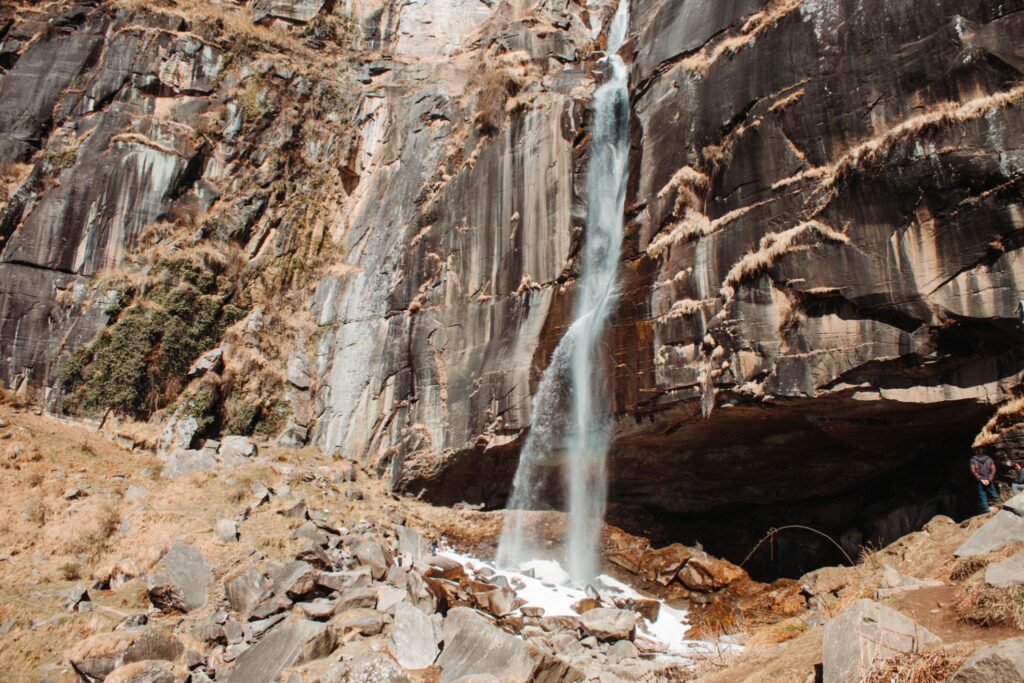
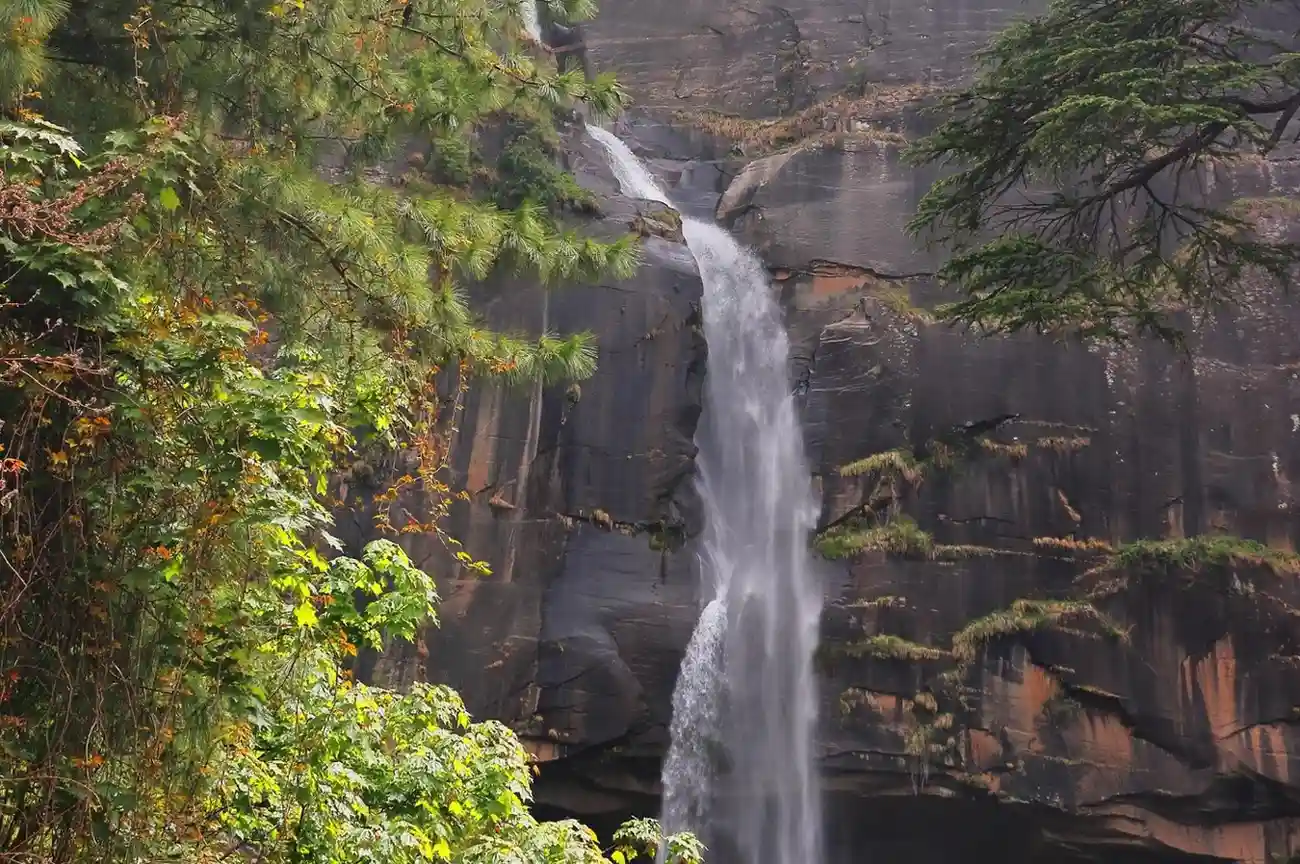
The waterfall drops from a height of about 150 feet, sending a strong curtain of water down a steep rocky cliff before collecting into a clear pool at the base. The surrounding terrain is dense with cedar and pine trees, and in the months between spring and early autumn, the undergrowth turns a vivid green that frames the cascade beautifully. The pool at the bottom is cold and clean, and during summer it becomes one of the more popular spots for a quick dip after the trek.
What sets Jogini apart from more visited waterfalls in the region is the approach. The trek winds through working apple orchards, tiny mountain streams, and open meadows, giving travellers a genuine sense of the Himachal countryside rather than a packaged tourist experience.
How to Reach Jogini Waterfall from Manali
The trek to Jogini Waterfall begins at Vashisht Village, which sits about 2 km from Manali town. You can take a local taxi or auto from Manali to Vashisht, and the actual walking trail starts just beyond the Vashisht hot springs and temple complex. From Vashisht, the trail is clearly marked and moderately easy, making it suitable for first-time trekkers as well.
Step-by-Step Route
• Start at Vashisht Village reach by auto or taxi from Manali in 10 to 15 minutes
• From Vashisht temple, take the trail heading uphill through the apple orchards
• Follow the marked path past several small streams and terraced fields
• The trail opens up into a clearing close to the waterfall after 45 to 60 minutes of steady walking
• Total round-trip time: 2 to 3 hours at a comfortable pace
The path is well-worn and easy to follow in dry weather, but can become slippery during and just after monsoon. Sturdy footwear with grip is strongly recommended.
Best Time to Visit Jogini Waterfall
Jogini Waterfall can be visited across most of the year, but the experience varies significantly by season.
Summer (April to June)
This is the most popular window for the trek. The weather is pleasant, trails are dry, and the surrounding greenery is at its freshest. The waterfall flows steadily throughout summer and the pool at the base is ideal for cooling off after the walk.
Monsoon (July to September)
The waterfall is at its most dramatic during monsoon, with heavy volume and mist that can be seen from a distance. However, the trail becomes slippery and leeches can appear on the path. Trekking during heavy rain is not recommended, but clear spells between showers can offer a stunning visit.
Autumn (October to November)
Post-monsoon is arguably the cleanest and most comfortable time to visit. The air is crisp, the skies are clear, and the surrounding hills are still lush from the rains. If you are visiting Manali in October or November, this is an ideal day activity before the winter chill sets in.
Winter (December to March)
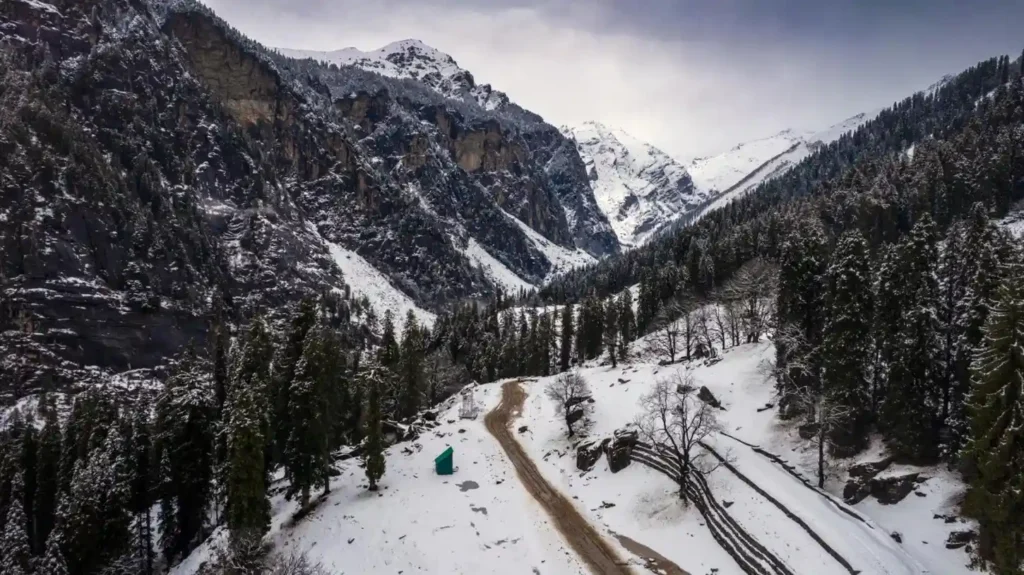
The waterfall partially freezes in winter, creating an unusual icy spectacle. However, the trek can be treacherous in snow and ice. If you are planning a Manali trip in December primarily for snow, Jogini is worth a visit on a clear day, but do check local trail conditions before heading up.
Things to Do
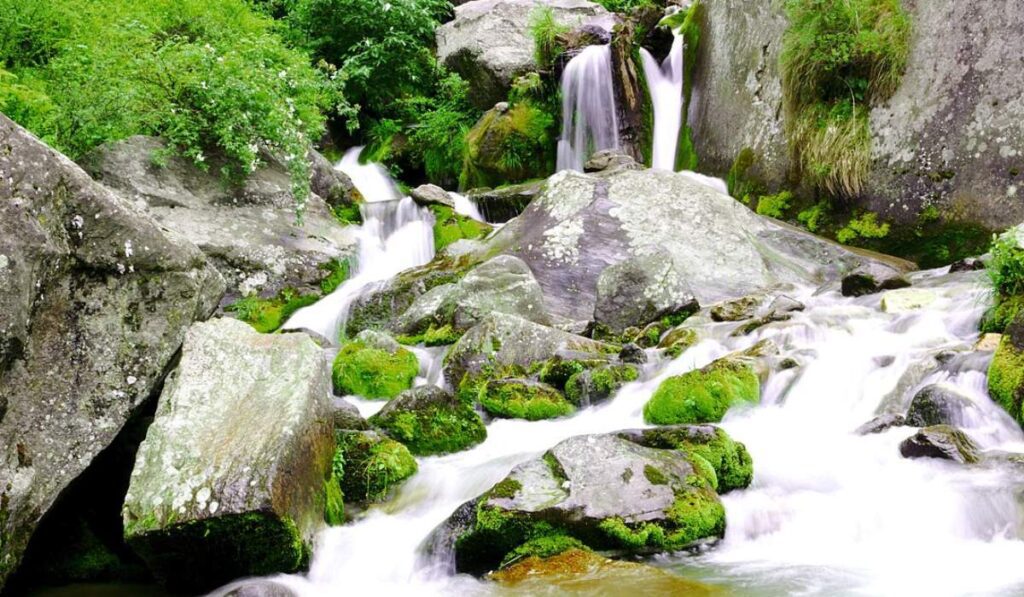
Swimming
The natural pool formed at the base of the falls is a refreshing stop, especially during warmer months. The water is cold and clear, and most trekkers take a short break here before heading back down.
Photography
Jogini is a strong destination for photography. The combination of the falling water, forest backdrop, and distant snow peaks creates layered compositions. Early morning light coming in through the trees is particularly good. Photographers looking for a wider circuit of Amazing Places to Visit in manali can combine Jogini with Vashisht and Hadimba on the same day.
Picnicking and Relaxation
The area around the waterfall is quiet and well-shaded, making it an excellent spot for a packed lunch. There are no food stalls or shops along the trail, so carrying your own snacks and water is essential.
Meditation
The sound of the water and the absence of motor traffic makes the waterfall area surprisingly peaceful. Many travellers choose to sit quietly near the pool for a while before returning, a welcome contrast to the busy streets of Manali.
Nearby Attractions to Combine with Jogini Waterfall
Since Jogini Waterfall sits close to Vashisht and is just a short drive from Manali’s main attractions, it pairs well with several other stops on the same day.
1. Vashisht Hot Springs and Temple
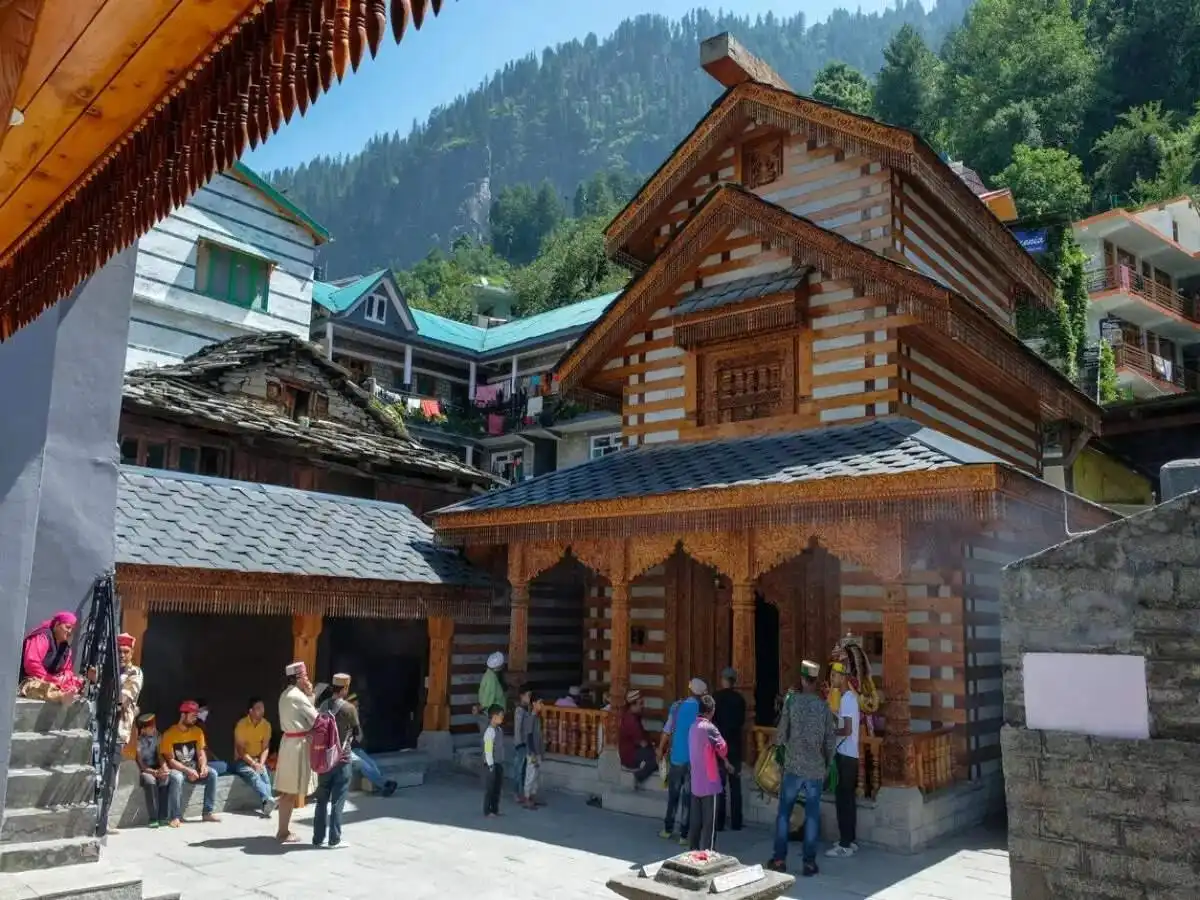
The trek begins right next to the Vashisht Temple and hot springs. The sulphur-rich hot springs are believed to have therapeutic properties and are housed in separate bathing areas for men and women. A visit here before or after the trek is a natural pairing.
2. Old Manali
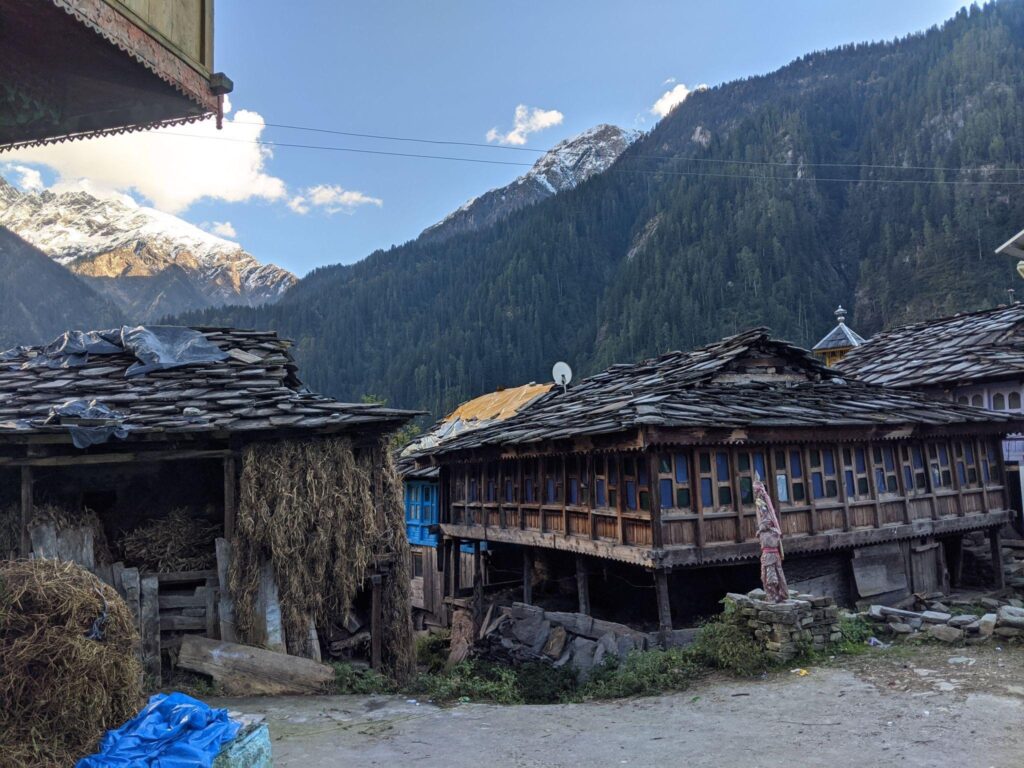
After returning from the trek, Old Manali is a short drive away and is ideal for a relaxed meal or evening coffee. The area has a concentration of cafes and guesthouses and is much quieter and more local in character than the Mall Road end of town.
3. Hadimba Devi Temple
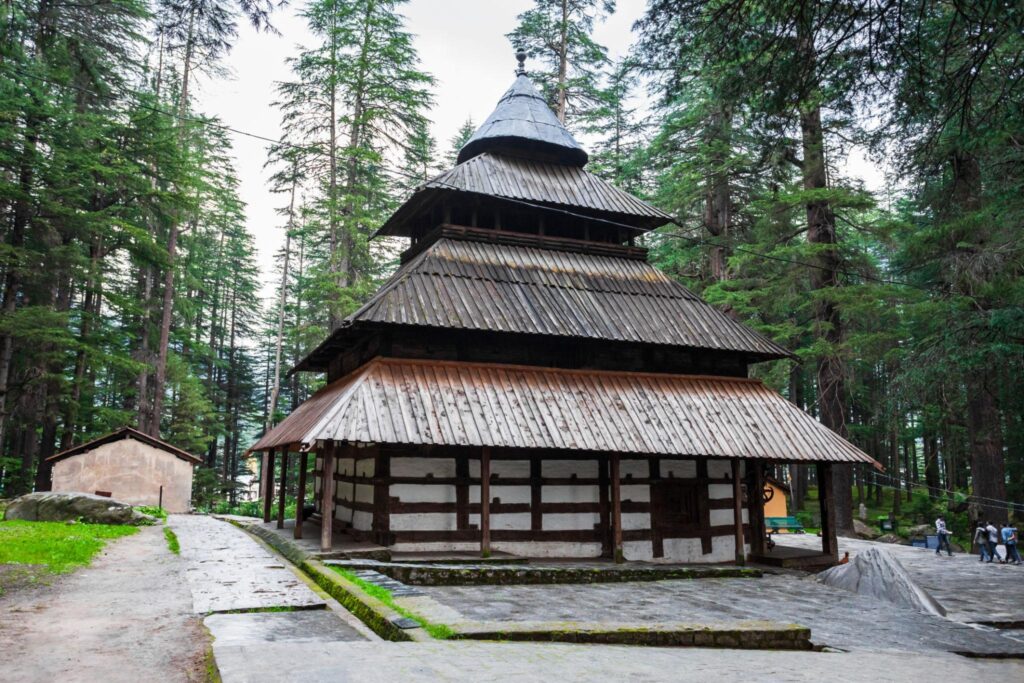
One of Manali’s most important spiritual sites, the Hadimba Devi Temple is set within a cedar grove and is easily combined with the Jogini trek on a full day out. The temple is accessible by road and requires no trekking, making it suitable for all members of a group.
4. Solang Valley
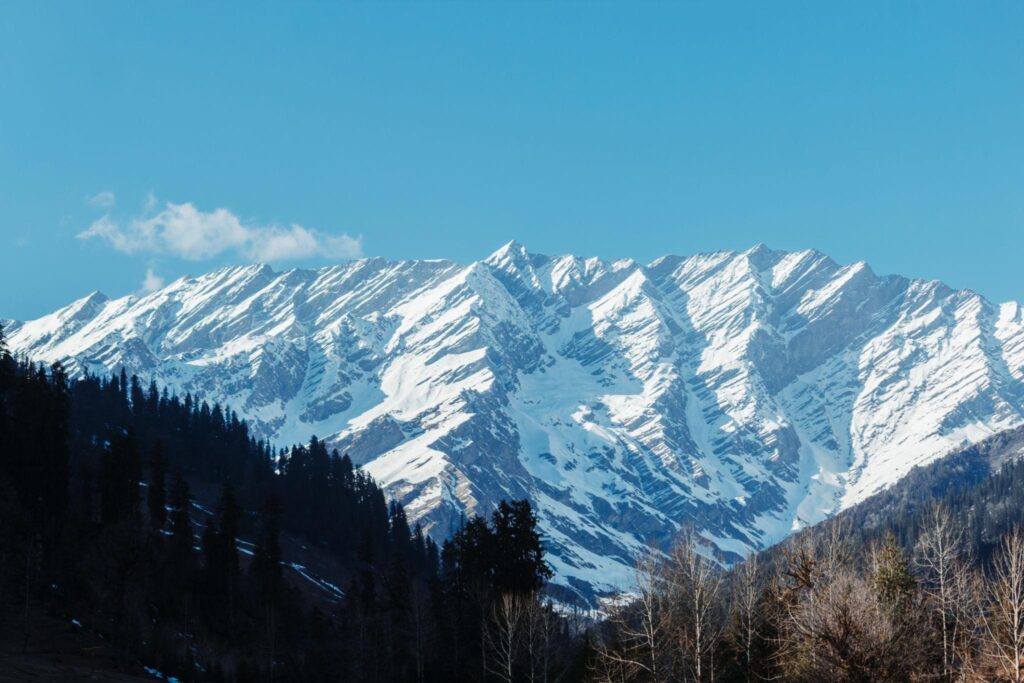
If you are looking to add an adventure activity to your day, Solang Valley is about 14 km from Manali and offers paragliding, zorbing, and skiing in winter. It makes for a good second stop after completing the Jogini trek in the morning.
Tips Before You Trek to Jogini Waterfall
• Wear proper trekking shoes or trainers with grip the trail has loose stones and can be wet near the falls
• Carry at least 1.5 litres of water per person there are no shops or vendors on the trail
• Start early (7 to 9 AM) to beat midday heat in summer and get the best light for photography
• Carry a light rain jacket if visiting between July and September
• Do not leave any litter the area is ecologically sensitive and there is no waste management on the trail
• Check local weather before heading out in winter ice on the trail can make it unsafe without proper footwear
Conclusion
Jogini Waterfall is one of those short but genuinely rewarding treks that Manali does not always get credit for. It is close enough for a half-day trip, scenic enough to justify the effort, and peaceful enough to feel like a real escape. Paired with Vashisht’s hot springs and a meal in Old Manali, it makes for one of the better days you can spend in the valley. If you are still planning the rest of your trip, the complete list of places to visit in Manali covers all the major stops across every interest and budget.
Frequently Asked Questions
How far is Jogini Waterfall from Manali?
Jogini Waterfall is approximately 3 to 3.5 km from Manali town. The trek starts from Vashisht Village, which is about 2 km from Manali, and from there it is a 1 to 1.5 km trail to the waterfall.
What is the height of Jogini Waterfall?
Jogini Waterfall drops from a height of approximately 150 feet (around 45 meters). The water falls onto a rocky base and collects into a natural pool.
Is the Jogini Waterfall trek difficult?
The trek is rated easy to moderate. It takes around 1 to 1.5 hours one way and is suitable for most fitness levels. The path can be slippery during and after monsoon, so proper footwear is important.
What is the best time to visit Jogini Waterfall?
April to June and October to November are the best months. The waterfall is most powerful during monsoon but the trail becomes slippery. Winter visits are possible but require caution due to ice and snow on the path.
Is there an entry fee for Jogini Waterfall?
No, there is no entry fee to visit Jogini Waterfall. The trek is free and no permits are required.
Can I swim at Jogini Waterfall?
Yes, the pool at the base of the waterfall is suitable for swimming, especially during summer. The water is cold and refreshing but safe for a quick dip.

Anshra Zafar explores the mountains of Himachal Pradesh & Uttrakhand and writes detailed travel guides about Manali, Kasol, Sissu, Jispa.chopta and kedarnath trek She focuses on scenic road trips, backpacking experiences, café culture, snowfall destinations, and adventure activities in the Himalayas. Her content helps travelers plan smooth and memorable mountain journeys.