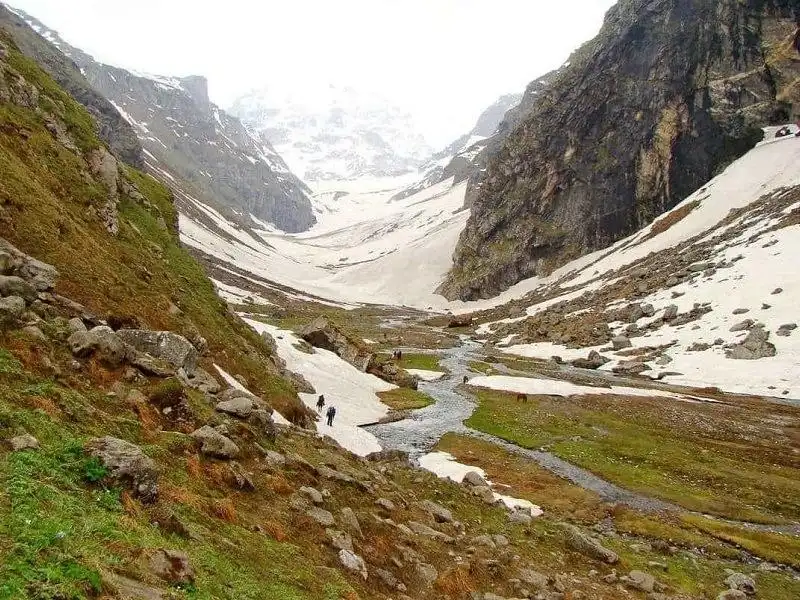
The Hampta Pass Trek is one of the few Himalayan treks where you can witness a complete change in landscape within just a few days. Starting from the lush green valleys of Kullu and Manali, the trail gradually leads you into the barren, high-altitude terrain of Lahaul and Spiti. This dramatic transition is what makes Hampta Pass a favourite among both first-time trekkers and experienced adventurers.
However, the trek is open for only a limited period each year. Choosing the best time for the Hampta Pass Trek can significantly influence your experience, from walking across snow-covered trails in June to enjoying green meadows in July and crystal-clear mountain views in September. Understanding the seasonal differences will help you pick the perfect time for your adventure.
Quick Answer: Best Time for Hampta Pass Trek
| June | Snow-covered trails and mountain views |
| July | Green valleys, waterfalls, and moderate snow |
| August | Lush landscapes and dramatic clouds |
| September | Clear skies, stable weather, and fewer crowds |
Overall Best Time: Mid-June to Mid-September
For most trekkers, July and September offer the best balance of weather, scenery, and trekking conditions.
How Many kilometers is the Hampta Pass Trek?
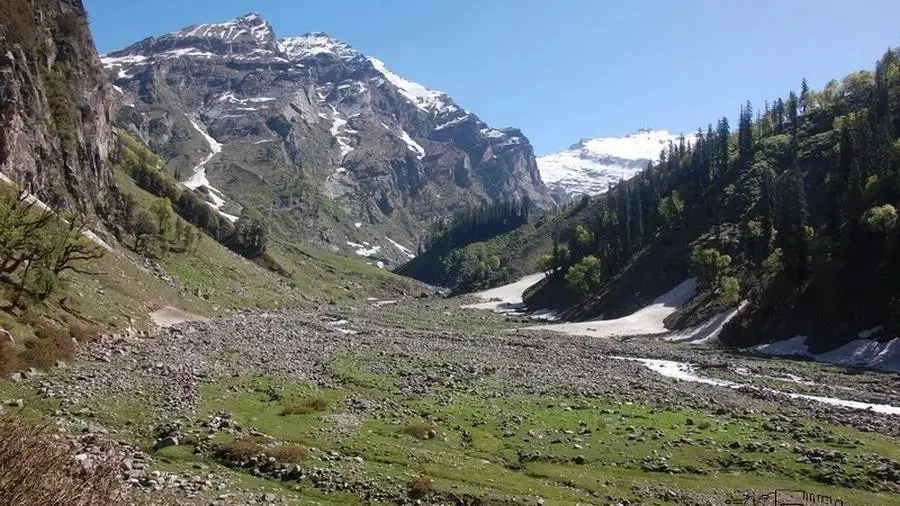
The Hampta Pass Trek covers approximately 25 to 30 kilometers, depending on the exact route, campsite locations, and whether Chandratal Lake is included in the itinerary.A typical Hampta Pass trek is spread across four trekking days, making it manageable for beginners while still offering a rewarding Himalayan adventure.
Approximate Distance Breakdown
| Trek Day | Route | Distance |
| Day 1 | Jobra to Chika | 2–3 km |
| Day 2 | Chika to Balu Ka Ghera | 7–8 km |
| Day 3 | Balu Ka Ghera to Hampta Pass to Shea Goru | 9–10 km |
| Day 4 | Shea Goru to Chhatru | 6–7 km |
Total Trekking Distance: Around 26–28 km
If your package includes a visit to Chandratal Lake, the lake visit is usually done by vehicle from Chhatru rather than on foot, so it is not counted in the trekking distance.
Is 26–28 km Difficult?
While the distance itself may not seem very long, the challenge comes from:
- High altitude (up to 14,000 ft)
- Steep ascent to Hampta Pass
- Snow-covered sections
- Rocky terrain
- Long trekking hours on Day 3
That is why Hampta Pass is generally rated as an Easy to Moderate trek. Most reasonably fit beginners can complete it comfortably with basic preparation.
How to Reach Hampta Pass Trek
The Hampta Pass Trek starts from Jobra, a small village located about 16 km from Manali in Himachal Pradesh. Since Manali serves as the base for the trek, reaching Manali is the first step of your journey.
By Air
The nearest airport is Kullu–Manali Airport in Bhuntar, around 50 km from Manali. From the airport, you can hire a taxi to reach Manali.
By Train
There is no direct railway station in Manali. The nearest major railway stations are Chandigarh Railway Station and Pathankot Railway Station. From there, buses and taxis are available for Manali.
By Road
Manali is well connected by road with major cities such as Delhi, Chandigarh, and Shimla. Overnight Volvo buses from Delhi are one of the most popular and convenient options for trekkers.
Manali to Jobra
Most Hampta Pass Trek packages arrange transportation from Manali to Jobra. The drive takes around 45 minutes to 1 hour and marks the official starting point of the trek.
Quick Route:
Delhi → Manali → Jobra → Chika → Balu Ka Ghera → Hampta Pass → Shea Goru → Chhatru
Why Timing Matters for Hampta Pass Trek
Unlike many mountain destinations that remain open throughout the year, Hampta Pass is accessible only for a few months.The pass sits at an altitude of around 14,000 feet, and heavy snowfall blocks the route for most of the year. Trekking operations usually begin after the snow starts melting in June and continue until September before winter returns.
The month you choose can completely change your experience.
You may encounter:
- Fresh snowfields
- Green valleys
- Wildflowers
- River crossings
- Crystal-clear mountain views
- Monsoon clouds
- Cold desert landscapes
That is why understanding seasonal differences is important before booking your trek.
Hampta Pass Trek in June
Best for Snow Lovers
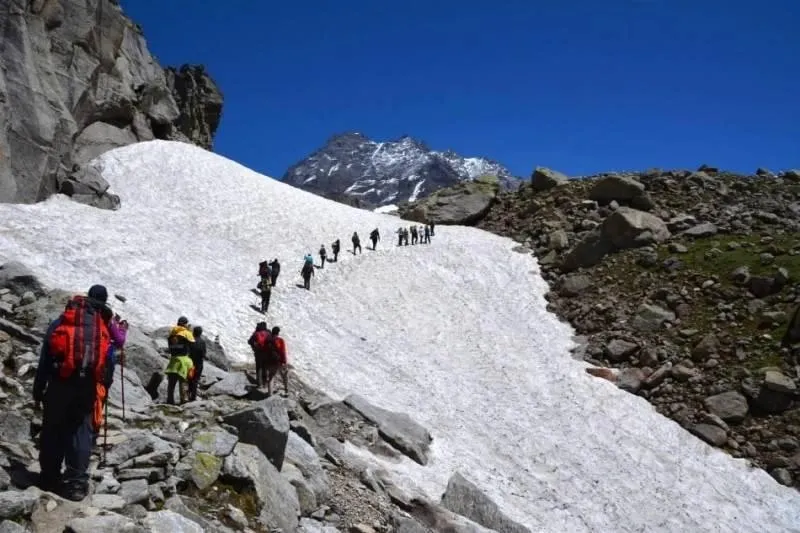
June marks the beginning of the trekking season. The trail slowly opens after winter, and large sections of snow remain on the route.
Weather in June
- Day Temperature: 12°C to 18°C
- Night Temperature: 0°C to 5°C
- Higher camps can experience sub-zero temperatures
What to Expect
June is the month when Hampta Pass looks closest to a classic Himalayan snow trek.
You will find:
- Snow-covered slopes
- Frozen patches
- White mountain landscapes
- Cold mornings and evenings
- Fewer trekkers compared to peak season
The climb toward Hampta Pass often includes walking across snowfields, making the trek feel adventurous from the very beginning.
Experience in June
Many trekkers consider June the most exciting month because the pass still holds a winter-like atmosphere.Reaching the top and seeing endless stretches of snow around you creates a sense of achievement that is difficult to describe.
If you have always wanted to experience snow trekking without attempting an extremely difficult expedition, June is a fantastic choice.
Pros
- Maximum snow on the trail
- Beautiful mountain scenery
- Cooler temperatures
- Less crowded than July
Cons
- Colder nights
- Slippery sections
- Requires better preparation
Hampta Pass Trek in July
Best Combination of Snow and Greenery
July is often considered the sweet spot for Hampta Pass Trek.By this time, much of the snow has started melting, but enough remains on higher sections to keep the trek exciting.
Weather in July
- Day Temperature: 15°C to 20°C
- Night Temperature: 4°C to 8°C
What to Expect
The valleys around Manali become incredibly green during July.
You will see:
- Flowing streams
- Fresh grasslands
- Colorful wildflowers
- Snow patches near the pass
- Pleasant temperatures
The contrast between green valleys and snow-covered mountains becomes particularly impressive during this month.
Experience in July
The walk from Jobra to Chika feels magical in July.The forests appear fresh after early summer, rivers flow strongly, and every turn reveals another beautiful mountain view.
Trekkers often get the best mix of all landscapes during this period.
Pros
- Balanced weather
- Snow still available
- Green valleys
- Comfortable trekking conditions
Cons
- Slightly larger crowds
- Occasional rain in lower sections
Hampta Pass Trek in August
Best for Lush Landscapes and Photography
August transforms Hampta Pass into one of the greenest treks in the Himalayas.Monsoon reaches the Kullu Valley side, bringing life to every part of the landscape.
Weather in August
- Day Temperature: 15°C to 20°C
- Night Temperature: 5°C to 10°C
What to Expect
This is the month when the valleys look their most vibrant.
You can expect:
- Green meadows
- Waterfalls
- Cloud-covered mountains
- Blooming flowers
- Active streams and rivers
The scenery often resembles a movie set.
Experience in August
Walking through the lower sections of the trek feels incredibly refreshing.Clouds move across the mountains throughout the day, creating constantly changing views.
Photographers often love August because every landscape appears colorful and alive.
Pros
- Greenest landscapes
- Beautiful photography opportunities
- Pleasant temperatures
- Rich natural scenery
Cons
- Possibility of rain
- Cloudy mountain views at times
- Slippery trails in some sections
Hampta Pass Trek in September
Best Overall Trekking Conditions
If you ask experienced trekkers for the ideal month, many will recommend September.The monsoon begins to retreat, skies become clearer, and trekking conditions improve significantly.
Weather in September
- Day Temperature: 12°C to 18°C
- Night Temperature: 0°C to 5°C
What to Expect
September offers:
- Crystal-clear mountain views
- Stable weather
- Dry trails
- Less rainfall
- Fewer crowds
The landscapes may not be as green as August, but visibility is usually much better.
Experience in September
Standing at Hampta Pass during September often rewards trekkers with panoramic views stretching far into the distance.The skies look bluer, the mountains appear sharper, and photography conditions become excellent.Many people consider September the most comfortable month for trekking.
Pros
- Clear skies
- Stable weather
- Better mountain visibility
- Less crowd
Cons
- Less snow than June
- Nights become colder
Which Month Should You Choose?
The answer depends on your priorities.
Choose June If:
- You want snow trekking.
- You enjoy colder weather.
- You want a more adventurous experience.
Choose July If:
- You want a mix of snow and greenery.
- You are trekking for the first time.
- You want balanced conditions.
Choose August If:
- You love lush landscapes.
- Photography is your priority.
- You enjoy vibrant mountain scenery.
Choose September If:
- You want the clearest views.
- You prefer stable weather.
- You want fewer crowds.
When Not to Visit Hampta Pass Trek
October to May
The trek remains largely inaccessible during this period.Heavy snowfall blocks the pass, making trekking unsafe and impractical.
During winter:
- Trails disappear under snow.
- Campsites become inaccessible.
- Temperatures drop significantly below freezing.
- Trek operators stop regular departures.
For this reason, Hampta Pass is generally considered a seasonal trek that operates only between June and September.
Hampta Pass Trek Difficulty Level: Is It Easy or Difficult?
One of the biggest reasons behind the popularity of Hampta Pass Trek is that it offers a true Himalayan trekking experience without requiring advanced trekking skills. While the trek takes you to an altitude of around 14,000 feet, it is still considered beginner-friendly when done with proper preparation.
Hampta Pass Trek Difficulty Rating
| Trail Condition | Easy to Moderate |
| Altitude Gain | Moderate |
| Fitness Requirement | Moderate |
| Technical Difficulty | Easy |
| Trek Duration | Moderate |
| Overall Rating | Easy to Moderate |
Why Hampta Pass is Considered Beginner-Friendly
Unlike many high-altitude Himalayan treks, Hampta Pass does not require technical climbing, mountaineering skills, or special equipment.
The trail is well-marked during the trekking season, and most sections involve walking through:
- Meadows
- Rocky mountain trails
- River-side paths
- Snow patches
- Mountain passes
This makes it a great choice for first-time trekkers looking to experience a multi-day Himalayan trek.
The Most Challenging Day of the Trek
The toughest part of the trek is usually Day 3, when trekkers move from Balu Ka Ghera to Hampta Pass and then descend towards Shea Goru.
On this day:
- You gain significant altitude.
- Oxygen levels become lower.
- The climb becomes steeper.
- Snow sections may appear depending on the month.
- The descent on the Spiti side can be slippery.
Many trekkers find this day physically demanding, but it is also the most rewarding part of the journey.
How Altitude Affects the Difficulty
Although the trekking distance is only around 26–28 km, altitude makes the trek feel more challenging.
At 14,000 feet, you may experience:
- Faster breathing
- Increased fatigue
- Slower walking pace
- Mild altitude discomfort
This is completely normal and one of the reasons why maintaining a steady pace is important.
Snow and Weather Challenges
The difficulty level can also change depending on when you visit.
June
- More snow on the trail
- Slippery sections
- Colder temperatures
July and August
- Easier walking conditions
- Some river crossings
- Occasional rain
September
- Stable weather
- Dry trails
- Better visibility
For beginners, July and September are often the easiest months to complete the trek.
Fitness Required for Hampta Pass Trek
You do not need to be an athlete, but basic fitness is important.
Ideally, you should be able to:
- Walk 5–6 km comfortably
- Climb stairs without excessive fatigue
- Jog for 20–30 minutes continuously
Preparing for 3–4 weeks before the trek can make a huge difference in your overall experience.
Is Hampta Pass Trek Difficult for Beginners?
No, Hampta Pass Trek is not considered a difficult Himalayan trek. However, it should not be mistaken for a simple walk in the mountains.
The combination of:
- High altitude
- Long trekking days
- Steep climbs
- Snow patches
- Mountain weather
Hampta Pass Trek Difficulty: Easy to Moderate
If you have average fitness, prepare a few weeks in advance, and follow your trek leader’s instructions, Hampta Pass is one of the best beginner-friendly high-altitude treks in India. The effort required is manageable, and the reward of crossing from the green valleys of Manali to the dramatic landscapes of Spiti makes every step worth it.
Need Help Planning Your Hampta Pass Trek?
Planning the Hampta Pass Trek involves choosing the right season, preparing for high-altitude conditions, arranging transportation, and understanding the route. If you’re looking for a hassle-free trekking experience, TripGuruGo can help you with guided Hampta Pass Trek packages, itinerary planning, and expert travel support.
Whether you’re a first-time trekker or an experienced adventurer, a well-organized trek ensures you can focus on enjoying the dramatic landscapes, river crossings, alpine meadows, and the unforgettable transition from the green valleys of Manali to the barren mountains of Lahaul.
Explore Hampta Pass Trek itineraries and travel resources with TripGuruGo to plan your adventure with confidence.
Final Verdict
For first-time trekkers, July is often the safest and most rewarding choice. For experienced trekkers and photographers, September can be absolutely spectacular.No matter which month you choose, Hampta Pass offers something special—a rare journey that takes you from the green valleys of Manali to the stark beauty of Spiti within just a few unforgettable days.
FAQs
1. What is the best time to visit Hampta Pass Trek?
The best time to visit Hampta Pass Trek is from mid-June to mid-September. June offers snow-covered trails, July brings a mix of snow and greenery, August is known for lush landscapes, while September provides clear skies and stable weather.
2. How difficult is the Hampta Pass Trek?
Hampta Pass Trek is considered an easy to moderate trek. It is suitable for beginners with basic fitness, although the high altitude and long trekking days can be physically demanding.
3. What is the total distance of the Hampta Pass Trek?
The trek covers approximately 26–28 km over four trekking days. The exact distance may vary slightly depending on the itinerary and campsite locations.
4. What is the highest altitude reached during the trek?
The highest point of the trek is Hampta Pass, which is located at an altitude of around 14,000 feet (4,270 metres) above sea level.
5. Is Hampta Pass Trek suitable for beginners?
Yes, Hampta Pass Trek is one of the best beginner-friendly high-altitude treks in India. It does not require technical climbing skills, making it ideal for first-time trekkers.
6. How many days are required for the Hampta Pass Trek?
Most Hampta Pass Trek itineraries take 4 to 5 days, including the trek and travel between Manali and the starting point.
7. Can I visit Chandratal Lake during the Hampta Pass Trek?
Yes, many Hampta Pass Trek packages include a visit to Chandratal Lake after reaching Chhatru, provided weather and road conditions are favorable.
8. What fitness level is required for Hampta Pass Trek?
You should be able to walk 5–6 km comfortably, climb stairs without difficulty, and jog for 20–30 minutes. A few weeks of preparation before the trek is highly recommended.
9. Is there snow on Hampta Pass Trek?
Yes, snow is commonly found in June and early July. Snow patches may remain near the pass later in the season, depending on weather conditions.
10. What should I pack for the Hampta Pass Trek?
Essential items include warm layers, a waterproof jacket, trekking shoes, gloves, sunglasses, sunscreen, a water bottle, personal medicines, and a small backpack for daily trekking needs.

Anshra Zafar explores the mountains of Himachal Pradesh & Uttrakhand and writes detailed travel guides about Manali, Kasol, Sissu, Jispa.chopta and kedarnath trek She focuses on scenic road trips, backpacking experiences, café culture, snowfall destinations, and adventure activities in the Himalayas. Her content helps travelers plan smooth and memorable mountain journeys.