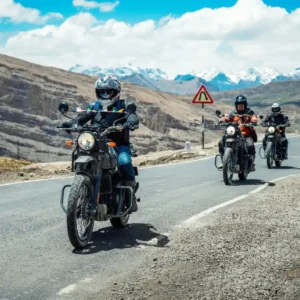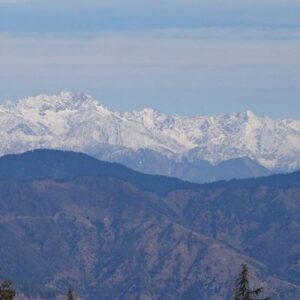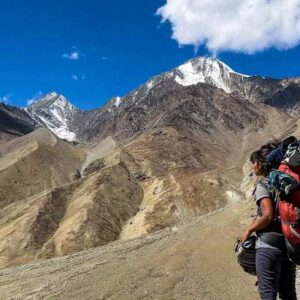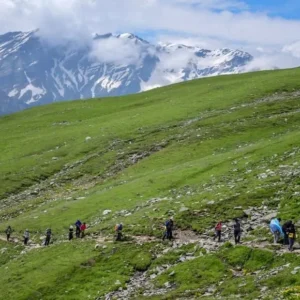
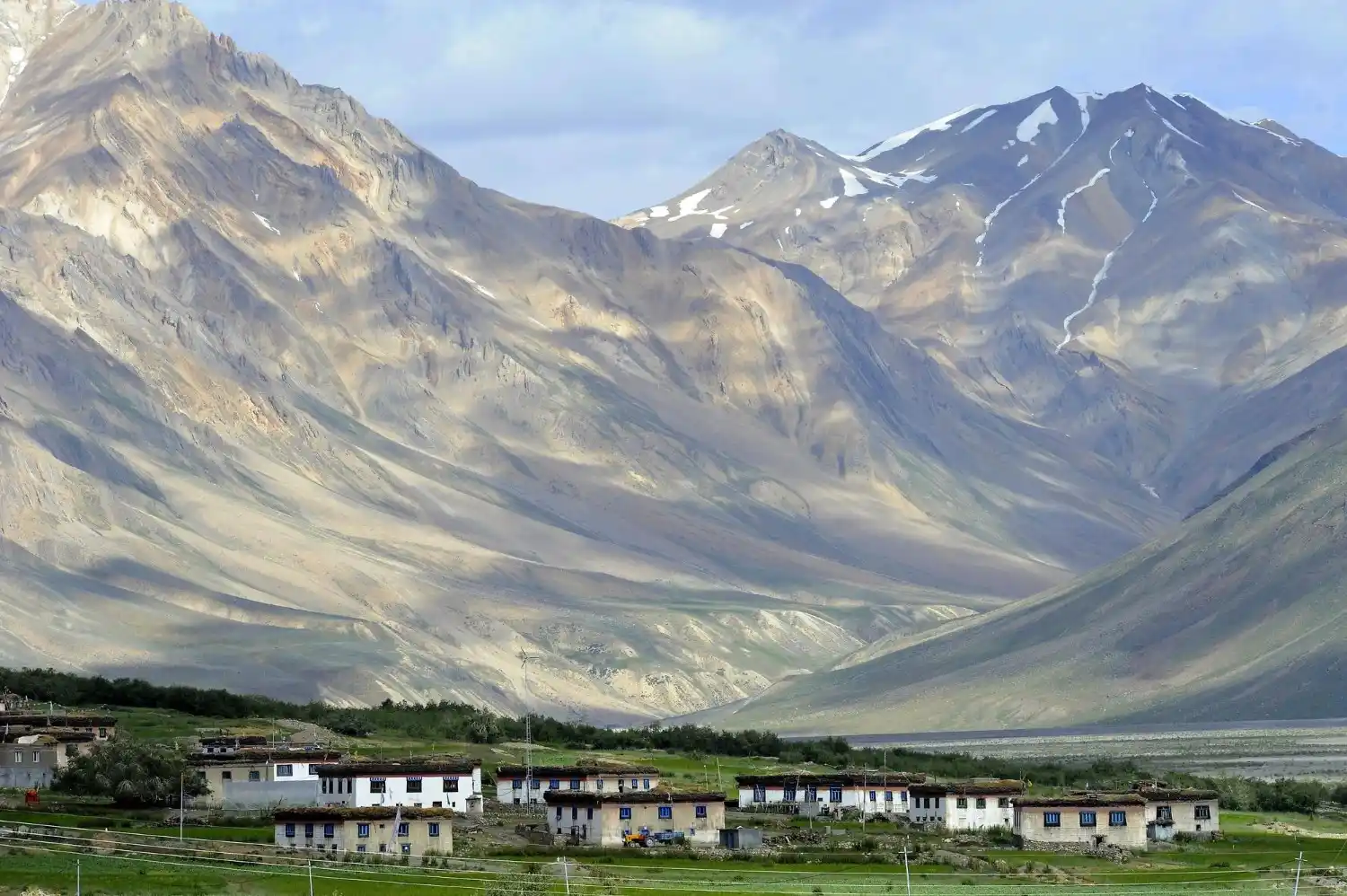
Imagine standing in one of the highest inhabited villages of Spiti Valley, surrounded by mountains, silence, and endless open landscapes. That’s Losar Village. Located at over 4,000 metres, it is the last major settlement before Kunzum Pass and one of the most peaceful places in the region.
While most travelers stop here only for a quick break on their way to Chandratal or Manali, Losar deserves much more than that. During my visit, the village felt like a glimpse into the real Spiti, where traditional homes, grazing yaks, and friendly locals replace the crowds found in more popular destinations. If you’re looking to experience the quieter and more authentic side of Spiti Valley, Losar is a place worth slowing down for.
Why is Losar Known as Spiti’s Highest Village?
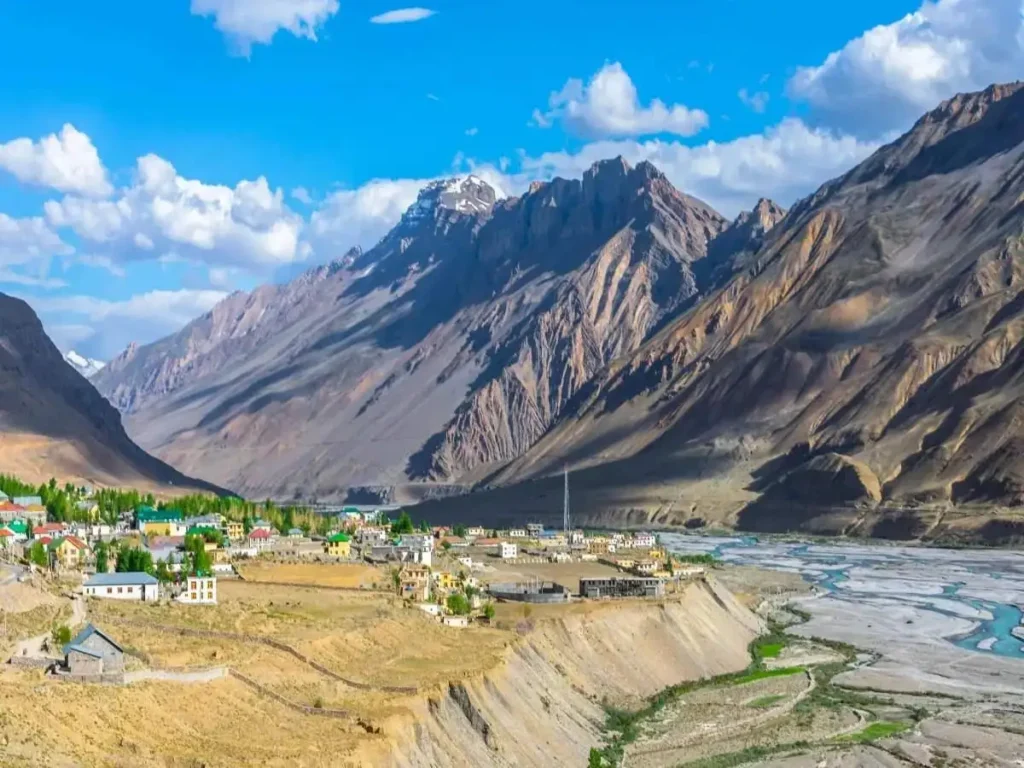
Losar is often referred to as one of the highest inhabited villages in Spiti Valley. Located above 4,000 metres, it experiences long winters, low oxygen levels, and harsh climatic conditions.
Life here revolves around a short summer season. During winter, heavy snowfall can isolate the village for months, making the residents highly self-reliant. The combination of high altitude, dramatic mountain scenery, and traditional lifestyle makes Losar unique among Spiti’s settlements.
Quick Facts About Losar Village
| Information | Details |
| Altitude | Approx. 4,085 metres (13,400 ft) |
| Region | Spiti Valley |
| State | Himachal Pradesh |
| Best Time to Visit | May to October |
| Ideal Stay | 1–2 Nights |
| Famous For | High-altitude village, culture, landscapes |
| Mobile Network | Limited |
| Accommodation | Homestays and Guesthouses |
Spiti Valley Batches to Explore Losar Village
 Group Trip
26 September
Group Trip
26 September
Spiti Valley Short Circuit Trip
 Group Trip
26 September
Group Trip
26 September
Spiti Valley Full Circuit Trip
History and Culture of Losar Village
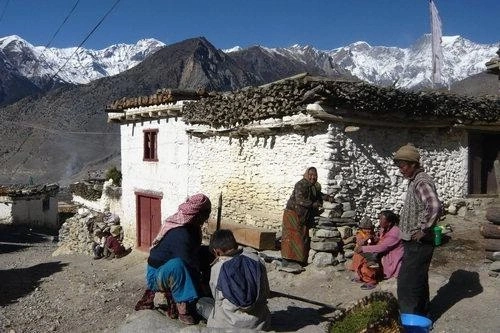
Like many villages in Spiti Valley, Losar has a deep connection with Tibetan Buddhist culture. The village has preserved its traditions for generations despite its remote location.
Walking through Losar, visitors can see whitewashed mud houses, prayer flags fluttering in the wind, and agricultural fields that sustain local families during the short growing season.
The local population primarily depends on farming, livestock rearing, and tourism-related activities. Hospitality remains an important part of village life, and many families welcome travelers into their homestays.
Experience in Losar Village
Losar is not a place packed with tourist attractions, and that’s exactly what makes it special. The moment you enter the village, the atmosphere feels different from the busier parts of Spiti Valley. The roads become quieter, the mountains appear more dramatic, and life moves at a much slower pace.
One of the most memorable experiences in Losar is simply walking through the village. Traditional mud houses, prayer flags fluttering in the wind, grazing yaks and sheep, and snow-covered peaks in the distance create a scene that feels untouched by modern tourism.
If you stay overnight, the experience becomes even better. As the sun sets behind the mountains, the entire landscape changes colour, creating incredible photography opportunities. Nights in Losar are peaceful, with very little noise except the sound of the wind flowing through the valley.
Early mornings are equally rewarding. Watching the first sunlight hit the surrounding mountains while sipping a cup of tea outside a local homestay is an experience many travelers remember long after leaving Spiti.
Another highlight is interacting with local families. Despite the challenging climate and remote location, the hospitality in Losar is warm and welcoming. Staying in a homestay gives visitors a chance to learn about daily life in one of India’s highest villages.
For travelers seeking luxury, Losar may feel basic. However, for those looking for authentic Himalayan culture, peaceful landscapes, and a genuine Spiti experience, Losar often becomes one of the most memorable stops of the entire journey.
Highlights of the Losar Experience
- Peaceful atmosphere away from tourist crowds
- Traditional Spitian village life
- Beautiful sunrise and sunset views
- Authentic homestay experiences
- Incredible night sky and stargazing opportunities
- Easy access to Kunzum Pass and Chandratal Lake
- A perfect place to slow down and experience the real Spiti Valley
Things to Do in Losar Village
Explore Traditional Spiti Houses
One of the best experiences in Losar is simply walking around the village. Traditional houses are designed to withstand extreme winters and showcase unique Himalayan architecture.
Experience Local Village Life
Observe how residents live in one of India’s most remote regions. Farming, livestock care, and community life offer a fascinating insight into high-altitude living.
Photography Around Losar
Losar provides countless photography opportunities. Snow-capped peaks, barren mountains, prayer flags, and traditional homes create stunning compositions throughout the day.
Enjoy Sunrise and Sunset
The changing colors of the mountains during sunrise and sunset are among the highlights of staying overnight in Losar.
Take Leisurely Walks
Short walks around the village help travelers acclimatize while enjoying panoramic views of the surrounding landscape.
Places to Visit Near Losar Village
Many travelers use Losar as a starting point for exploring the most beautiful places in Spiti Valley. Here are some of the best attractions located close to the village.
1. Kunzum Pass (19 km from Losar)
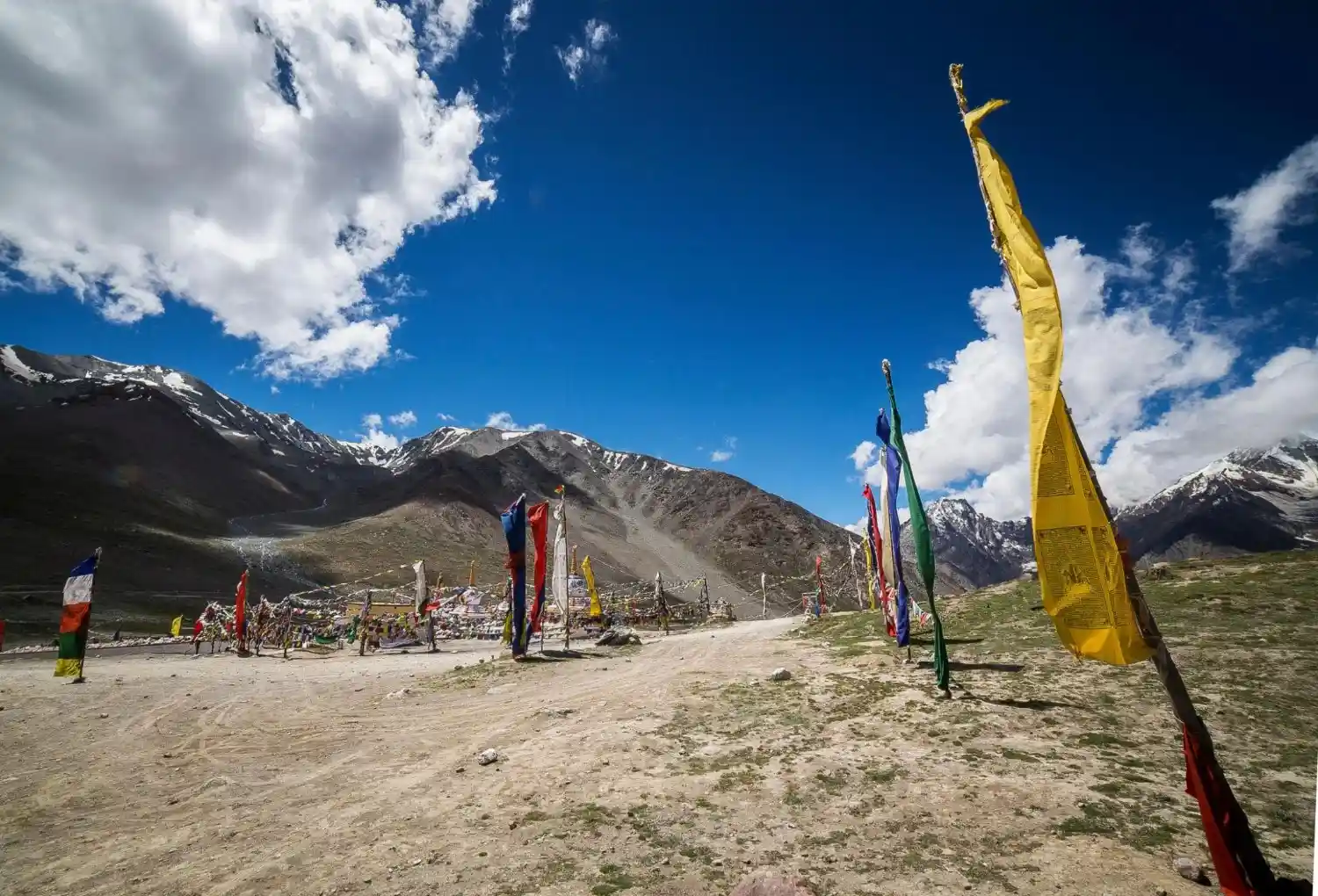
Kunzum Pass is one of the most famous mountain passes in Himachal Pradesh. Situated at an altitude of approximately 4,551 metres, it connects Spiti Valley with Lahaul Valley.
Highlights
- Kunzum Mata Temple
- Panoramic mountain views
- Glacier viewpoints
- High-altitude photography
Most travelers stop here for photographs and blessings before continuing their journey.
2. Batal (28 km from Losar)
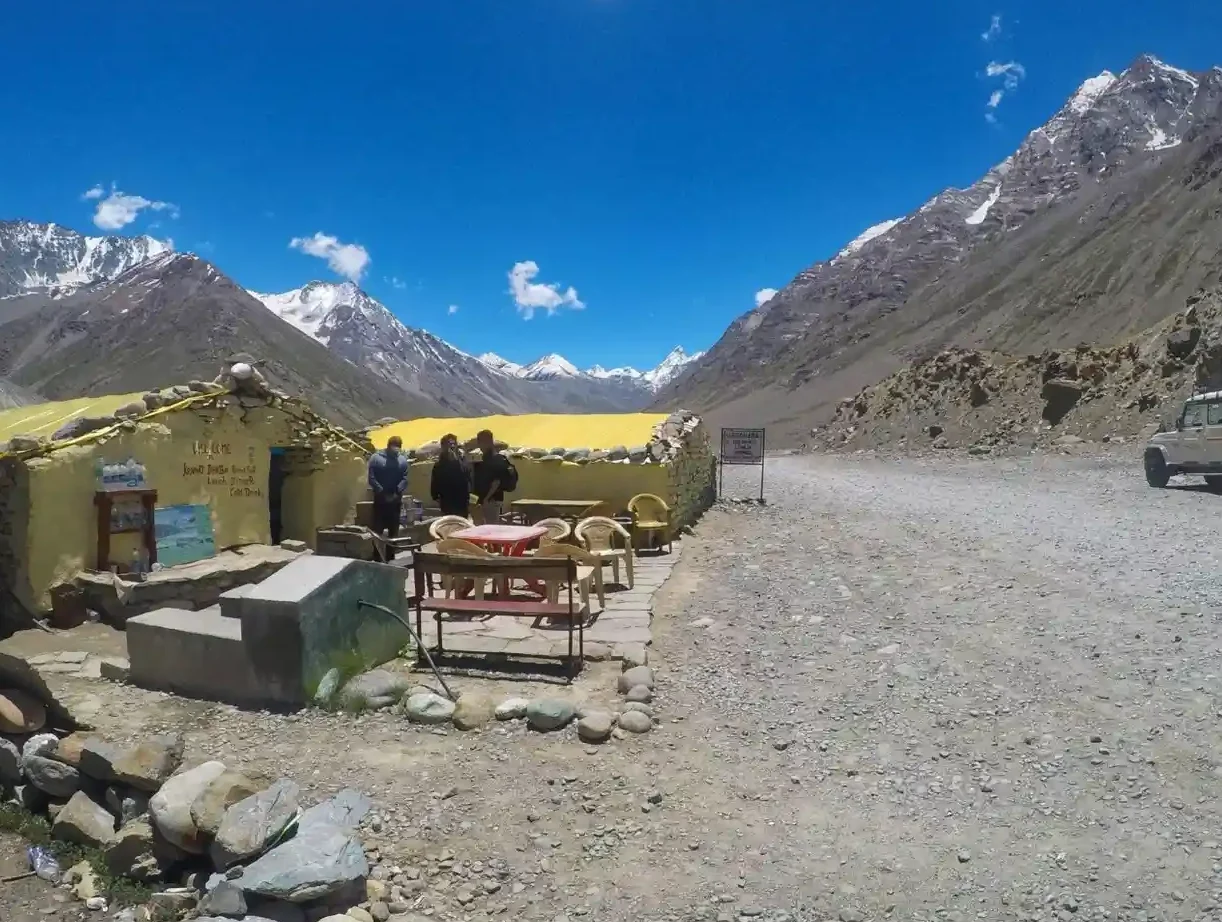
Batal is a small settlement located on the Manali–Spiti route. Despite its size, it is one of the most important stops for travelers.
Highlights
- Famous Chacha Chachi Dhaba
- Scenic mountain landscapes
- Popular stop for bikers
- Gateway to Chandratal
The hospitality at Batal is legendary among Spiti travelers.
3. Chandratal Lake (35 km from Losar)
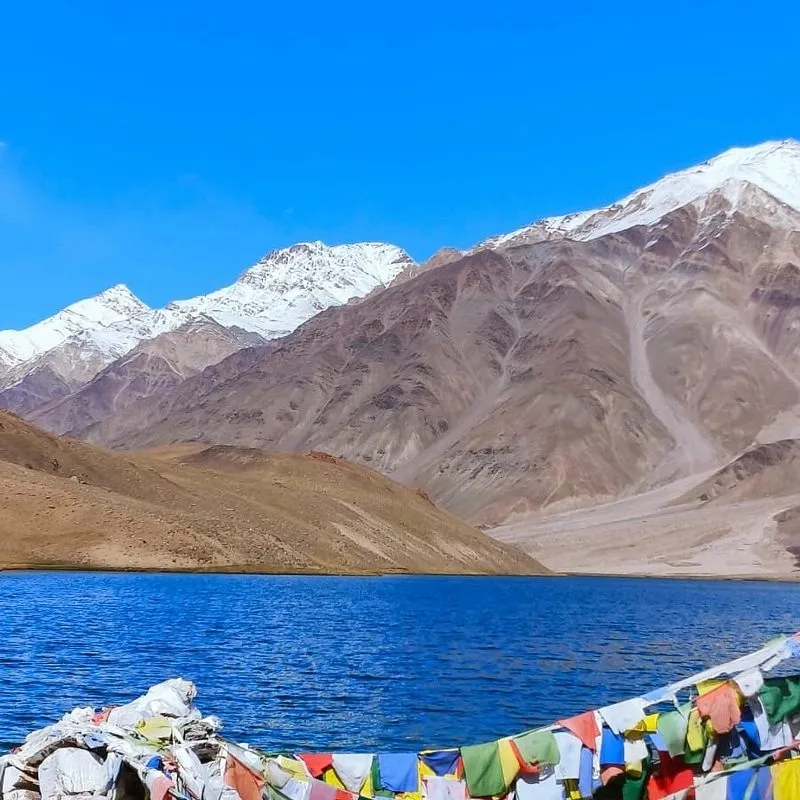
Known as the Moon Lake, Chandratal is one of the most beautiful high-altitude lakes in India.Surrounded by snow-capped peaks and vast meadows, the lake attracts campers, photographers, and nature lovers from across the country.
Highlights
- Crystal-clear blue water
- Camping experience
- Scenic trekking route
- Sunrise and sunset photography
A visit to Chandratal is often considered one of the highlights of a Spiti road trip.
4. Kaza (58 km from Losar)
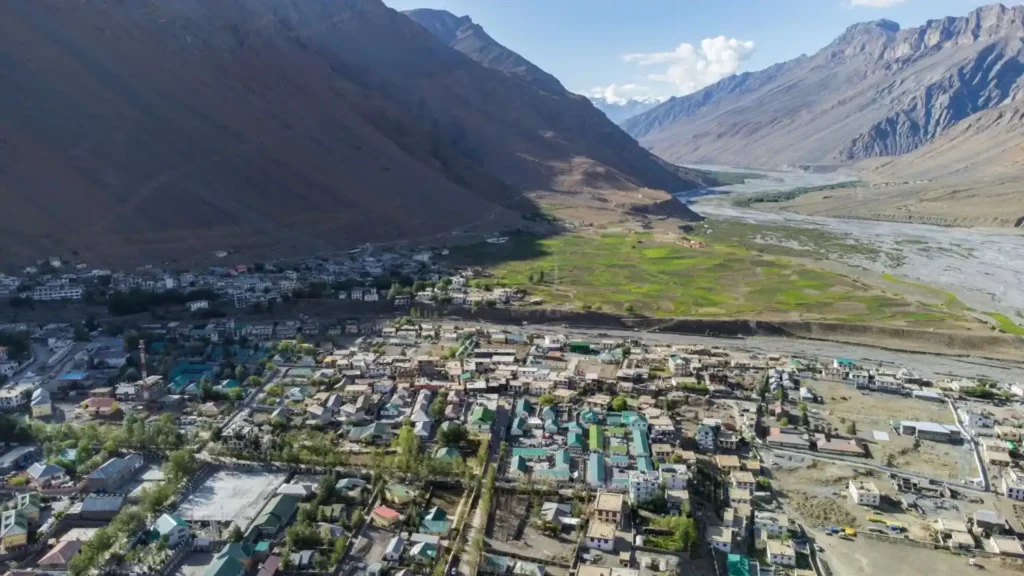
Kaza is the largest town in Spiti Valley and serves as the administrative centre of the region.
Highlights
- Cafes and restaurants
- Shopping opportunities
- Fuel station
- Local markets
- Cultural attractions
Most travelers use Kaza as their base while exploring Spiti Valley.
5. Key Monastery (72 km from Losar)
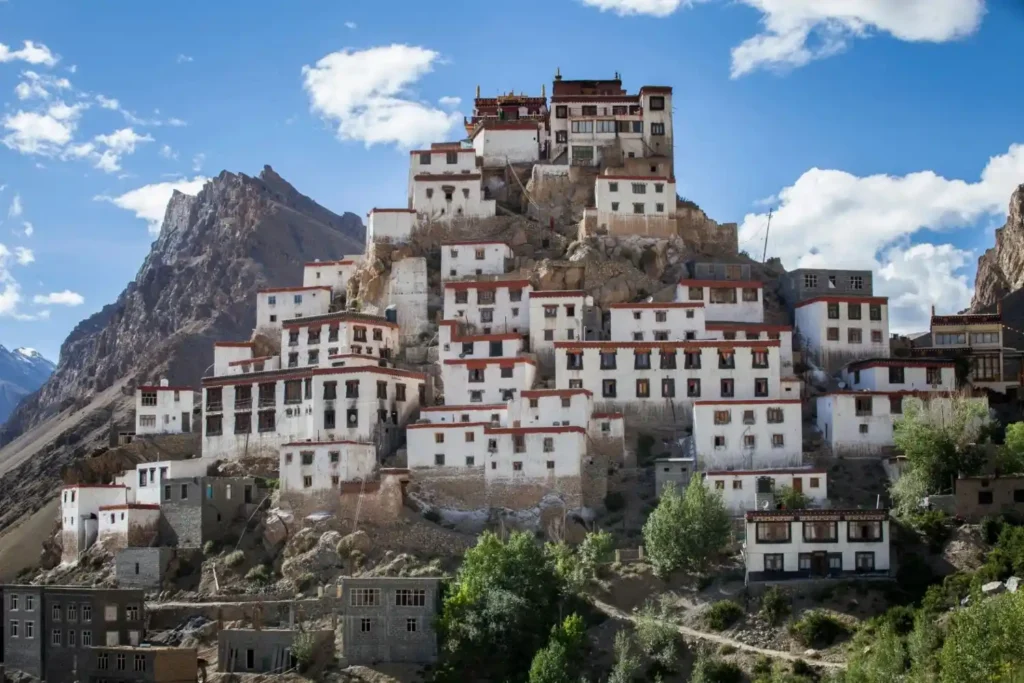
Perched on a hilltop overlooking the Spiti River, Key Monastery is the largest monastery in Spiti Valley.
Highlights
- Buddhist heritage
- Ancient murals
- Monastic life
- Panoramic views
The monastery is one of the most photographed landmarks in Spiti.
6. Kibber Village (78 km from Losar)
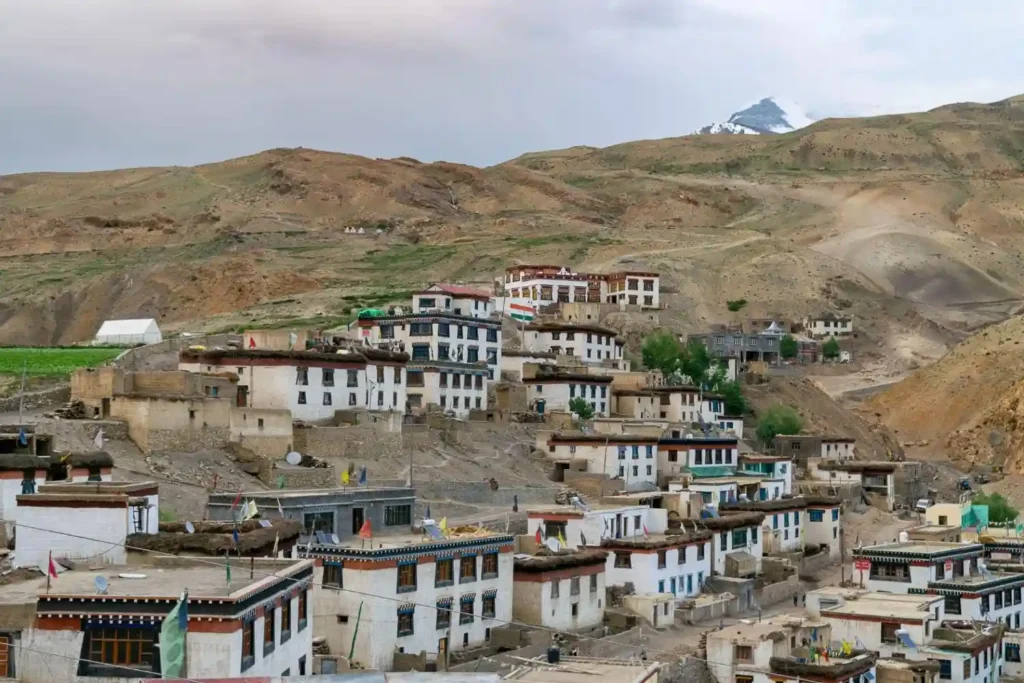
Kibber is among the highest inhabited villages in the world connected by a motorable road.
Highlights
- Traditional houses
- Wildlife sightings
- Trekking routes
- Himalayan landscapes
It is also a gateway to the famous Kibber Wildlife Sanctuary.
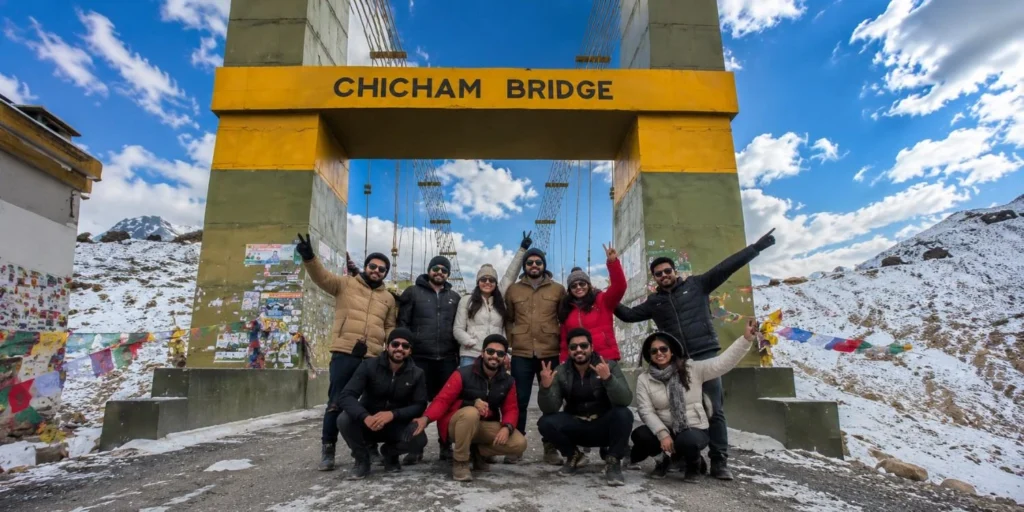
7. Chicham Bridge (80 km from Losar)
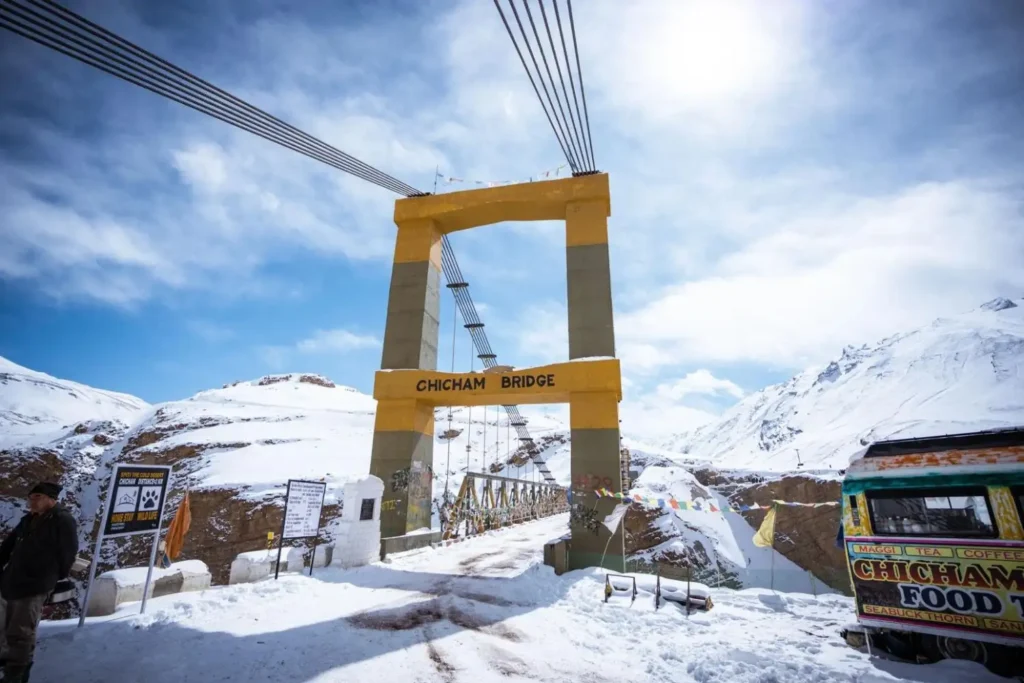
Chicham Bridge is one of Asia’s highest suspension bridges and connects Kibber with Chicham Village.
Highlights
- Engineering marvel
- Deep gorge views
- Photography opportunities
- Scenic drive
The bridge has become one of Spiti Valley’s most popular attractions.
8. Langza Village (92 km from Losar)
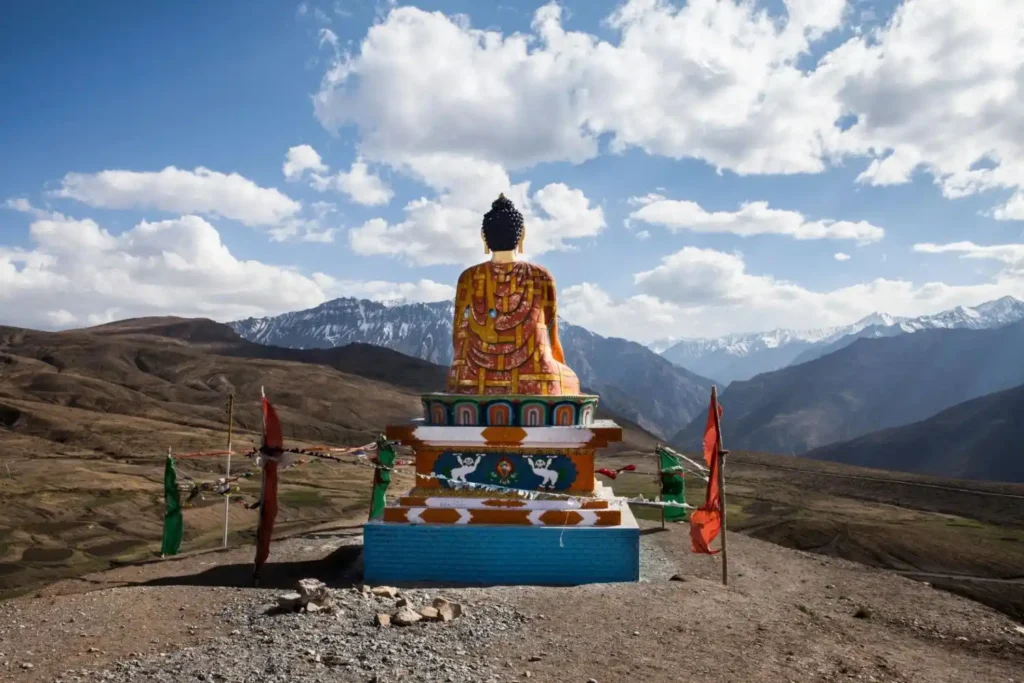
Langza is known for its giant Buddha statue and fossil-rich landscape.
Highlights
- Giant Buddha Statue
- Fossil hunting
- Traditional village life
- Mountain views
The village offers some of the most spectacular views in Spiti Valley.
9. Hikkim Village (94 km from Losar)

Hikkim is famous for housing the world’s highest post office.
Highlights
- Send postcards worldwide
- Scenic surroundings
- Unique travel experience
Visitors often mail postcards as souvenirs from their Spiti trip.
10. Komic Village (96 km from Losar)
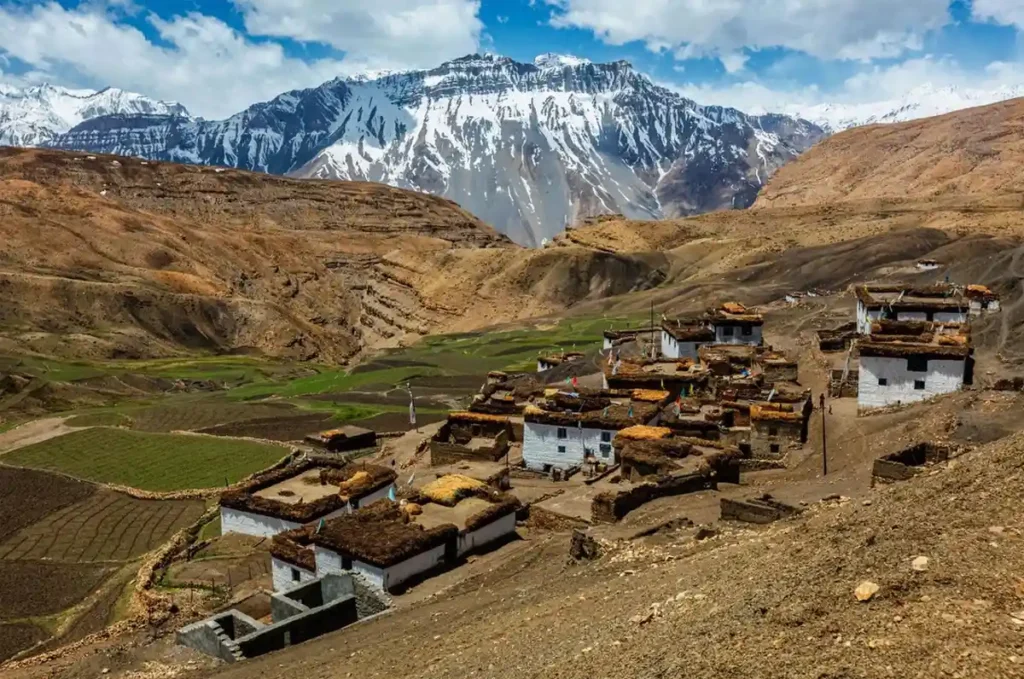
Komic is one of the highest motorable villages in the world.
Highlights
- Tangyud Monastery
- High-altitude landscapes
- Traditional culture
- Peaceful atmosphere
It is often visited together with Langza and Hikkim.
Seasonal Guide: When to Visit Losar Village
| Season | Travel Character | Recommendation |
| May to June | Snow begins melting, roads reopen, pleasant daytime temperatures, and clear mountain views. | Best for first-time visitors and road trips from Manali to Spiti. |
| July to August | Green patches appear, tourist activity increases, and weather remains relatively stable in Spiti. | Good for Chandratal visits and longer Spiti Valley itineraries. |
| September to October | Crystal-clear skies, excellent visibility, fewer crowds, and vibrant autumn colours. | Ideal for photography, sightseeing, and scenic drives. |
| November to April | Heavy snowfall, freezing temperatures, road closures near Kunzum Pass, and limited accessibility. | Suitable only for experienced winter travelers and adventure enthusiasts. |
Food and Facilities in Losar
Facilities are basic but sufficient for travelers.
Food Options
Visitors can enjoy:
- Thukpa
- Momos
- Tibetan Bread
- Tea and Coffee
- Local Spitian Meals
Mobile Network
Connectivity remains limited and can be unreliable.
ATM and Fuel
No major ATM or fuel station is available in Losar. Refuel and withdraw cash in Kaza whenever possible.
Altitude Sickness and Travel Safety
Due to its high altitude, travelers should take acclimatization seriously.
Common Symptoms
- Headache
- Fatigue
- Dizziness
- Breathlessness
Safety Tips
- Drink plenty of water.
- Avoid overexertion.
- Get adequate rest.
- Carry personal medication.
- Descend immediately if symptoms worsen.
Budget for Visiting Losar Village
| Expense | Approximate Cost |
| Homestay | ₹800–₹2,000 |
| Meals | ₹200–₹600 per day |
| Taxi Costs | Depends on route |
| Total Daily Budget | ₹1,500–₹4,000 |
Budget travelers can keep expenses low by choosing homestays and shared transport.
Travel Tips for First-Time Visitors
Before heading to Losar, it is a good idea to go through our Essential Spiti Travel Guide which covers everything from permits and packing to road conditions and acclimatization advice.
- Carry warm clothing in every season.
- Download offline maps before entering Spiti.
- Keep enough cash.
- Start road journeys early.
- Respect local traditions.
- Avoid littering.
- Follow altitude safety guidelines.
Common Mistakes to Avoid
- Ignoring acclimatization.
- Planning too many destinations in one day.
- Underestimating road conditions.
- Depending completely on mobile networks.
- Arriving without sufficient cash.
Conclusion
Losar Village is much more than a stopover between Kaza and Kunzum Pass. It is a destination where travelers can experience the raw beauty of Spiti Valley, connect with local culture, and enjoy life at over 4,000 metres above sea level. Whether you stay for a night or use it as a base for exploring nearby attractions like Chandratal and Kunzum Pass, Losar offers an experience that captures the true spirit of the Himalayas.
FAQs
Is Losar Village worth visiting?
Yes, Losar offers authentic Spitian culture, scenic landscapes, and a peaceful atmosphere away from crowded tourist spots.
What is the altitude of Losar Village?
Losar is situated at approximately 4,085 metres (13,400 ft).
How many days are enough for Losar?
One to two days are sufficient for most travelers.
Can I visit Chandratal from Losar?
Yes, Chandratal Lake can be visited from Losar during the summer season when roads are open.
Is Losar safe for solo travelers?
Yes, Losar is generally considered safe for solo travelers.
Are homestays available in Losar?
Yes, several family-run homestays operate in the village.

Abdullah Khan specializes in adventure travel across Spiti Valley and the high-altitude regions of Himachal Pradesh. He writes about road trips, bike expeditions, hidden villages, monasteries, and offbeat Himalayan experiences. His guides focus on route planning, acclimatization, travel safety, and the best experiences across Spiti Valley.