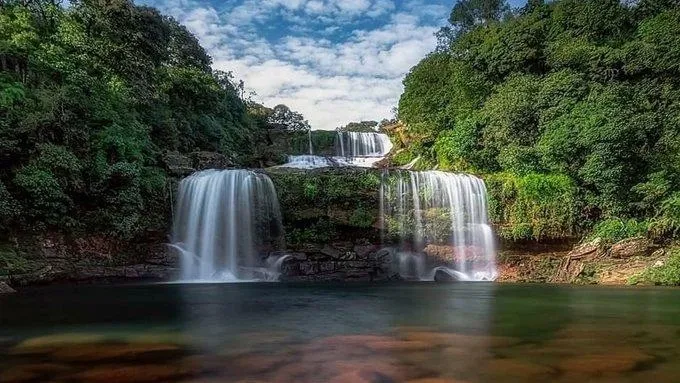
Monsoon in Meghalaya is unlike the rainy season in most other travel destinations. Known as the “Abode of Clouds,” Meghalaya receives heavy rainfall that changes the entire look of its hills, valleys, forests, and waterfalls. The landscape becomes greener, clouds float across mountain roads, and waterfalls such as Nohkalikai and Seven Sisters flow with impressive force.
The monsoon season generally brings frequent rain, mist, fog, and cooler weather. While this makes Meghalaya beautiful, it also creates a few travel challenges. Roads can become slippery, visibility may reduce, and heavy rainfall can sometimes lead to landslides or temporary travel delays. Trekking and adventure activities also require more caution during this period.
Still, Meghalaya can be visited safely during the monsoon with proper planning. Popular tourist circuits around Shillong, Sohra, Mawsynram, Mawlynnong, and Dawki are generally accessible depending on current weather conditions.
If you love waterfalls, green landscapes, clouds, and rainy weather, monsoon can be one of the most interesting times to explore Meghalaya. This guide covers everything you need to know about the Meghalaya monsoon season, including weather, safety, road conditions, places to visit, activities to avoid, and essential packing tips.
Meghalaya Backpacking Trip
When Is the Monsoon Season in Meghalaya?
The monsoon season in Meghalaya generally begins around May or June and continues until September. Rainfall is usually at its strongest during the middle of the season before gradually reducing towards the end.
However, rainfall patterns are not the same every year. Some years may experience longer periods of heavy rain, while others may have more frequent dry breaks between showers.
Cherrapunji, locally known as Sohra, and Mawsynram are famous for receiving exceptionally heavy rainfall. Their location in the Khasi Hills allows moisture-filled monsoon winds to rise and release large amounts of rain.
Weather conditions can also vary across the state. Shillong may experience regular showers and cloudy weather, while Sohra and Mawsynram can receive much more intense rainfall.
This is why travellers should always check the latest weather forecast for each destination instead of relying on a general forecast for Meghalaya.
What Is Meghalaya Like During Monsoon?
Meghalaya changes completely when the rainy season arrives.
The hills become greener, forests look fresh, and seasonal streams appear along mountain roads. Waterfalls that may have lower water flow during the dry season become much stronger.
Clouds and fog are also a major part of the monsoon experience. In places such as Sohra, Mawsynram, and Laitlum, clouds can suddenly cover entire valleys.
The weather can change quickly. You may start your morning with clear views and experience heavy rainfall a few hours later.
Typical monsoon conditions include:
- Frequent rainfall
- Cloudy and misty weather
- High humidity
- Powerful waterfalls
- Green landscapes
- Slippery walking trails
- Fog on mountain roads
- Occasional travel delays
For travellers who enjoy nature and rainy weather, these conditions can make the trip special. However, those looking for guaranteed clear views and uninterrupted outdoor activities may prefer the drier months.
Is Meghalaya Safe to Visit During Monsoon?
Yes, Meghalaya is generally safe to visit during the monsoon if you plan carefully and follow local weather updates.
Most travellers visit popular tourist routes connecting Shillong, Sohra, Mawsynram, Mawlynnong, and Dawki. These routes generally remain accessible, although intense rainfall can sometimes cause temporary roadblocks or delays.
The main safety concerns during the monsoon are usually related to weather.
Heavy rainfall can increase the possibility of landslides in vulnerable areas. Fog may reduce visibility on mountain roads, while wet surfaces can make walking trails and viewpoints slippery.
Travellers should also be careful around rivers and waterfalls. Water levels can rise quickly after heavy rainfall, and currents may become stronger than they appear.
The safest approach is to keep your itinerary flexible. If your hotel, driver, guide, or local authorities advise against travelling to a particular location, change your plan rather than taking unnecessary risks.
Road Conditions During Meghalaya Monsoon
Road trips are an important part of exploring Meghalaya because many popular attractions are located outside Shillong.
During the monsoon, main tourist roads are generally used regularly, but travel can become slower.
Heavy rain may reduce visibility, particularly on winding mountain roads. Fog can also become very thick around Sohra and Mawsynram.
Remote village roads may be more affected by rain compared with major tourist routes. In some cases, landslides or fallen trees can temporarily block roads.
To make road travel safer:
- Start long journeys early in the day.
- Avoid unnecessary night driving.
- Check road conditions before leaving.
- Hire an experienced local driver.
- Keep extra time between destinations.
- Do not enter flooded roads.
- Follow local traffic and weather advisories.
A journey that normally takes a few hours may take longer during heavy rainfall, so avoid planning too many attractions on the same day.
Best Places to Visit in Meghalaya During Monsoon
The rainy season brings a different experience to many of Meghalaya’s famous destinations.
Shillong
Shillong is one of the most convenient places to stay during a monsoon trip.
As the state capital, it has a wide range of hotels, restaurants, transport options, and essential services. It can also work as a base for exploring nearby destinations.
You can visit attractions such as Elephant Falls, Ward’s Lake, and Don Bosco Museum depending on the weather.
Outdoor viewpoints should be planned when visibility is reasonably clear.
Cherrapunji or Sohra
Sohra is one of the best places to experience the full character of the Meghalaya monsoon.
The region becomes extremely green, and its famous waterfalls become much more powerful.
Nohkalikai Falls and Seven Sisters Falls are among the major attractions. However, clouds and fog may sometimes block the view completely.
Mawsmai Cave can also be visited depending on whether it is officially open and conditions are considered safe.
Instead of trying to cover every attraction quickly, keep enough time in Sohra so that you can adjust your plans according to the weather.
Mawsynram
For travellers who truly want to experience the rainy season, Mawsynram is an interesting addition to the itinerary.
The area is known for receiving exceptionally high rainfall, so proper rain protection is essential.
Carry a good raincoat, water-resistant shoes, and waterproof covers for electronics.
Check road and weather conditions before starting your journey because visibility may become poor during intense rainfall.
Mawlynnong
Mawlynnong looks fresh and green during the rainy season.
The village is known for its clean surroundings, gardens, and traditional village atmosphere. However, walking paths can become wet and slippery.
Wear comfortable shoes with good grip and avoid rushing through wet sections.
Dawki and Shnongpdeng
Dawki and Shnongpdeng are popular for the Umngot River and surrounding landscapes.
However, the experience can be different during the monsoon. Heavy rain may affect water clarity, and increased water levels can influence boating and other river activities.
Do not expect the river to always have the famous glass-like appearance seen in dry-season photographs.
Always check local conditions before planning boating or water-based activities.
Laitlum Canyons
Laitlum Canyons can look dramatic when clouds move across the surrounding hills.
However, visibility is unpredictable during the rainy season. On some days, you may see wide valley views, while on others, thick fog can cover almost everything.
Be careful around wet paths and viewpoint edges.
Best Waterfalls to See During Meghalaya Monsoon
Waterfalls are one of the biggest reasons travellers visit Meghalaya during the rainy season.
Some popular waterfalls include:
- Nohkalikai Falls
- Seven Sisters Falls
- Elephant Falls
- Wei Sawdong Falls
During periods of heavy rainfall, these waterfalls can become extremely powerful.
While the views can be impressive, safety should always come first. Stay on marked paths and never cross barriers to get closer to the water.
Avoid standing on wet rocks or approaching cliff edges for photographs.
Activities to Avoid During Heavy Monsoon Rain
Some activities require extra caution during the Meghalaya monsoon season.
Remote Trekking
Remote trekking becomes more difficult when rainfall is intense.
Trails can become muddy and slippery, while small streams can rise quickly. Avoid isolated routes during severe weather and consider travelling with an experienced local guide.
Double Decker Living Root Bridge Trek
The Double Decker Living Root Bridge trek is one of Meghalaya’s most famous experiences.
However, the route includes a large number of steps and forest sections. During rainfall, these surfaces can become slippery.
The trek may still be possible depending on local conditions, but travellers should consider their fitness level and check the weather before starting.
Adventure Treks
Adventure trails such as Mawryngkhang can become more challenging during heavy rainfall.
Always check whether the trail is open and considered safe before visiting.
Remote Cave Exploration
Caves can be particularly risky during periods of intense rain because water levels can rise unexpectedly.
Avoid exploring remote or unmanaged caves during the monsoon. Visit only officially open tourist caves and follow local instructions.
Swimming in Rivers and Natural Pools
Avoid swimming in fast-flowing rivers and natural pools during heavy rainfall.
Water levels can rise suddenly because of rain occurring upstream, even if it is not raining at your exact location.
Meghalaya Monsoon Safety Tips
Travelling during the rainy season becomes much easier when you follow a few practical precautions.
- Check the weather forecast every morning.
- Ask your hotel or driver about current road conditions.
- Avoid unnecessary night travel.
- Keep extra travel time in your itinerary.
- Avoid remote trekking during extreme weather.
- Never enter fast-moving or flooded water.
- Wear shoes with a strong grip.
- Protect electronics and important documents from rain.
- Follow local authority instructions.
- Download offline maps before visiting remote areas.
- Keep emergency contacts saved on your phone.
- Carry some cash for areas with weak internet connectivity.
- Keep alternative sightseeing plans ready.
The most important thing is flexibility. Do not force yourself to complete every attraction if weather conditions are poor.
What to Pack for Meghalaya During Monsoon
Packing the right items can make your Meghalaya monsoon trip much more comfortable.
Carry:
- Good-quality raincoat or poncho
- Waterproof or water-resistant shoes
- Quick-dry clothes
- Extra socks
- Waterproof backpack cover
- Dry bags for electronics
- Compact umbrella
- Light warm jacket
- Power bank
- Personal medicines
- Basic first-aid kit
- Insect repellent
- Waterproof phone pouch
Avoid carrying too many heavy cotton clothes because they may take a long time to dry in humid conditions.
Quick-dry clothing is generally more practical for sightseeing during the rainy season.
Is Meghalaya Safe for Families During Monsoon?
Families can visit Meghalaya during the monsoon with proper planning.
Instead of including difficult treks and remote locations, focus on easy sightseeing destinations connected by established tourist routes.
Shillong can be a practical base for families because it offers better access to accommodation, restaurants, and transport.
Hiring an experienced local driver can also make travelling between destinations easier.
Families travelling with children or elderly members should keep the itinerary relaxed and avoid covering too many places in one day.
If heavy rain is expected, indoor attractions or nearby sightseeing can be better than long road trips.
Is Meghalaya Safe for Solo Female Travellers During Monsoon?
Meghalaya is popular among solo travellers, including women. The main additional challenge during the monsoon is dealing with unpredictable weather and transportation.
Book verified accommodation and arrange reliable transport for long journeys.
Avoid visiting isolated places after dark and share your daily itinerary with someone you trust.
For remote trekking, cave exploration, or adventure activities, travelling with an experienced local guide is recommended.
Try to complete long road journeys during daylight hours, particularly when heavy rain or fog is expected.
Is Monsoon the Best Time to Visit Meghalaya?
Whether monsoon is the best time to visit Meghalaya depends on the experience you want.
The rainy season is ideal for travellers who want to see powerful waterfalls, green landscapes, clouds, and the state’s famous rainy weather.
It is also a great season for photographers who enjoy mist, dramatic landscapes, and rain-covered forests.
However, monsoon may not be the best choice for travellers whose main priority is trekking, clear viewpoints, or a tightly scheduled itinerary.
For comfortable sightseeing and clearer weather, the months after the monsoon are generally easier.
What Is the Worst Time to Visit Meghalaya?
There is no single worst time to visit Meghalaya.
The answer depends entirely on your travel plans.
Peak monsoon may be difficult for people planning long treks, adventure activities, or a strict itinerary. Heavy rainfall can cause delays and reduce visibility.
On the other hand, travellers who avoid the rainy season may miss seeing Meghalaya’s waterfalls at their strongest.
The dry season provides easier road travel and clearer views, but some seasonal waterfalls may have less water.
Instead of looking for the worst month, choose your travel season according to the experience you want.
Best Time to Visit Meghalaya Based on Travel Style
| Travel Goal | Recommended Period |
| Waterfalls and Greenery | Monsoon Season |
| Comfortable Sightseeing | October to April |
| Trekking | October to April |
| Rain Photography | Monsoon Season |
| Family Trip | October to April |
| Full Monsoon Experience | June to August |
| Clearer Views | October to April |
These are general recommendations. Actual weather conditions can vary from year to year.
Suggested 5-Day Meghalaya Monsoon Itinerary
Day 1: Guwahati to Shillong
Travel from Guwahati to Shillong and stop at Umiam Lake if the weather is suitable.
Spend the evening exploring nearby places and rest after the journey.
Day 2: Shillong Sightseeing
Explore popular Shillong attractions such as Elephant Falls, Ward’s Lake, and Don Bosco Museum.
Add outdoor viewpoints only if visibility is good.
Day 3: Shillong to Sohra
Travel to Sohra and explore Nohkalikai Falls, Seven Sisters Falls, and other accessible attractions depending on the weather.
Stay overnight in Sohra or return to Shillong based on your itinerary.
Day 4: Mawlynnong and Dawki
Visit Mawlynnong and continue towards Dawki if weather and road conditions are suitable.
River activities should only be planned if local operators consider conditions safe.
Day 5: Return to Guwahati
Return to Guwahati while keeping enough buffer time for possible weather-related delays.
During the monsoon, Trip Guru Go recommends treating any itinerary as flexible rather than fixed. Keep alternative plans ready in case heavy rain affects your original route.
Final Thoughts on Visiting Meghalaya During Monsoon
Monsoon in Meghalaya offers a completely different side of the state. Waterfalls become powerful, forests turn greener, and clouds regularly move across the hills and valleys.
At the same time, travellers should be prepared for frequent rainfall, fog, slippery trails, and possible road delays.
Meghalaya is generally suitable for monsoon travel if you stick to established tourist routes, follow local advice, and keep your itinerary flexible. Avoid unnecessary risks around fast-flowing rivers, waterfalls, remote caves, and difficult trekking trails during heavy rain.
If you enjoy rainy weather and do not mind changing your plans occasionally, the monsoon can be a rewarding time to experience Meghalaya. Check current weather forecasts and road updates before every long journey, pack proper rain gear, and give yourself enough time to enjoy the journey without rushing.
Frequently Asked Questions
Is Meghalaya safe to visit during monsoon?
Yes, Meghalaya is generally safe for tourists during the monsoon with proper planning. Heavy rainfall may occasionally cause road delays, fog, slippery paths, or landslides. Check current conditions and avoid risky outdoor activities during extreme weather.
Which month is best for experiencing monsoon in Meghalaya?
June to August generally offers a stronger monsoon experience, with frequent rain and powerful waterfalls. Travellers looking for slightly easier sightseeing while still enjoying green landscapes may consider the later part of the rainy season.
Does it rain all day during the Meghalaya monsoon?
Not always. Rainfall patterns vary depending on the day and location. Some days may experience continuous rain, while others may have showers followed by dry periods. Sohra and Mawsynram usually receive more rainfall than many other parts of Meghalaya.
Are roads safe during monsoon in Meghalaya?
Popular tourist roads are generally used throughout the rainy season, but heavy rain can occasionally cause fog, landslides, and temporary roadblocks. Check local road conditions before starting long journeys.
Can families visit Meghalaya during the rainy season?
Yes, families can visit during the monsoon by choosing easy sightseeing routes and maintaining a flexible itinerary. Families with small children or elderly travellers should avoid difficult treks and long journeys during severe weather.
Is Dawki worth visiting during monsoon?
Dawki can still be visited during the monsoon, but heavy rainfall may affect the famous clarity of the Umngot River. Boating and other river activities also depend on current water levels and local safety conditions.
Can I visit Cherrapunji during monsoon?
Yes, Sohra or Cherrapunji is one of the most popular places to experience Meghalaya’s rainy season. Waterfalls are usually stronger, but fog and heavy rain may sometimes reduce visibility at viewpoints.
What clothes should I wear during the Meghalaya monsoon?
Wear lightweight quick-dry clothes, water-resistant footwear with strong grip, and a good raincoat or poncho. Carry extra socks and a light warm layer for cooler evenings and high-altitude areas.
Is trekking safe in Meghalaya during monsoon?
Trekking conditions depend on rainfall and the trail. Popular routes may become wet and slippery, while remote trails can be riskier. Always check local conditions and consider hiring an experienced guide.
Is monsoon a good time to visit Meghalaya?
Yes, monsoon is a good time for travellers interested in waterfalls, greenery, clouds, and rain photography. However, travellers looking for clear skies, easier trekking, and predictable travel conditions may prefer the drier months.