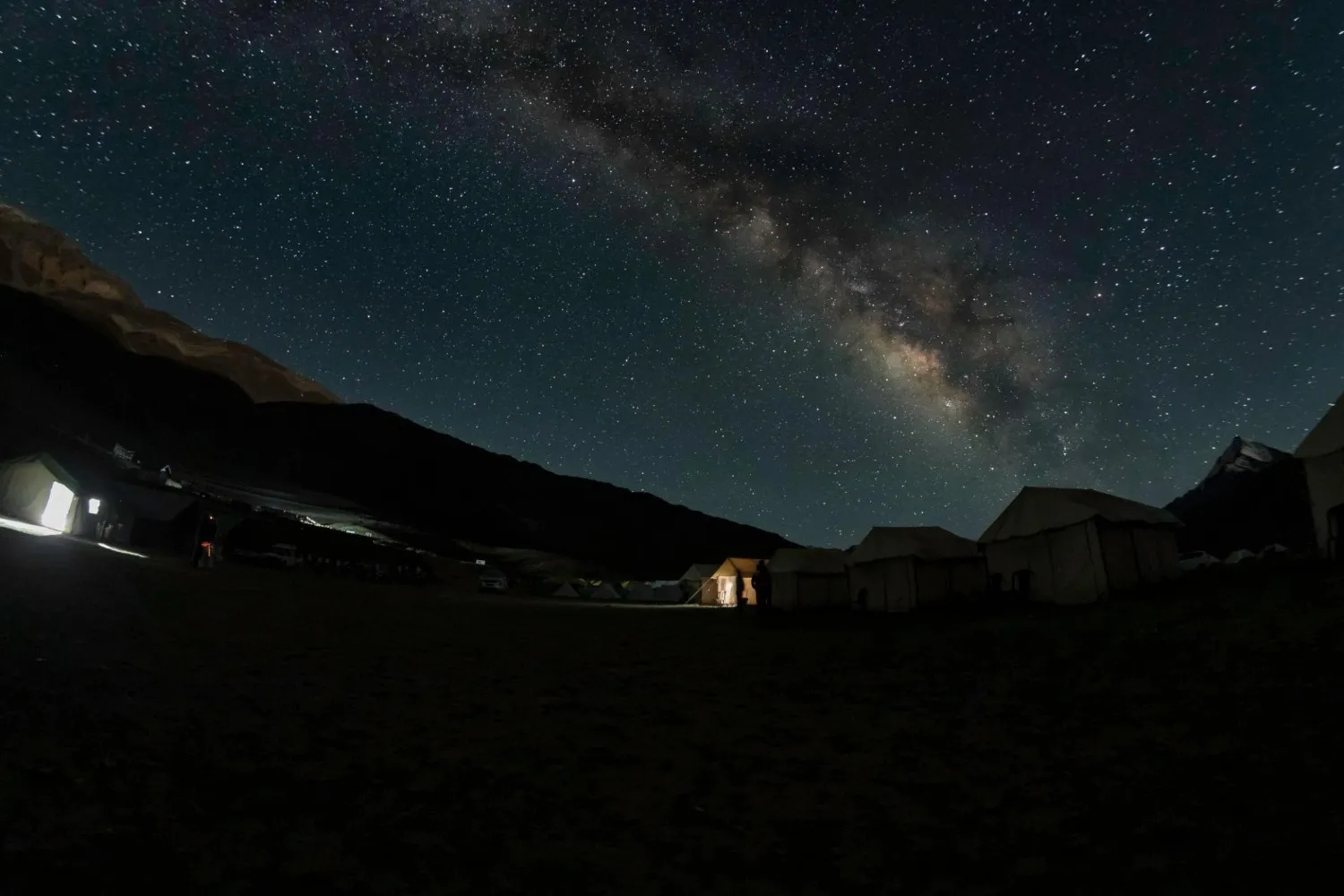
Have you ever seen the Milky Way stretching across the sky with thousands of stars shining above snow-capped mountains? Spiti Valley is one of the few places in India where this incredible experience becomes a reality.
Located in the high Himalayas of Himachal Pradesh, Spiti Valley sits at an altitude of over 4,000 metres and is known for its clear skies, dry weather, and minimal light pollution. Far away from crowded cities and bright artificial lights, the valley offers perfect conditions for stargazing and night sky photography.
On a clear night, you can spot the Milky Way, countless stars, constellations, and even planets with the naked eye. Whether you’re a casual traveller looking to enjoy the beauty of the night sky or an astrophotographer searching for the perfect shot, Spiti Valley provides an unforgettable experience under some of the darkest skies in the country.
Why Spiti Valley is Perfect for Stargazing
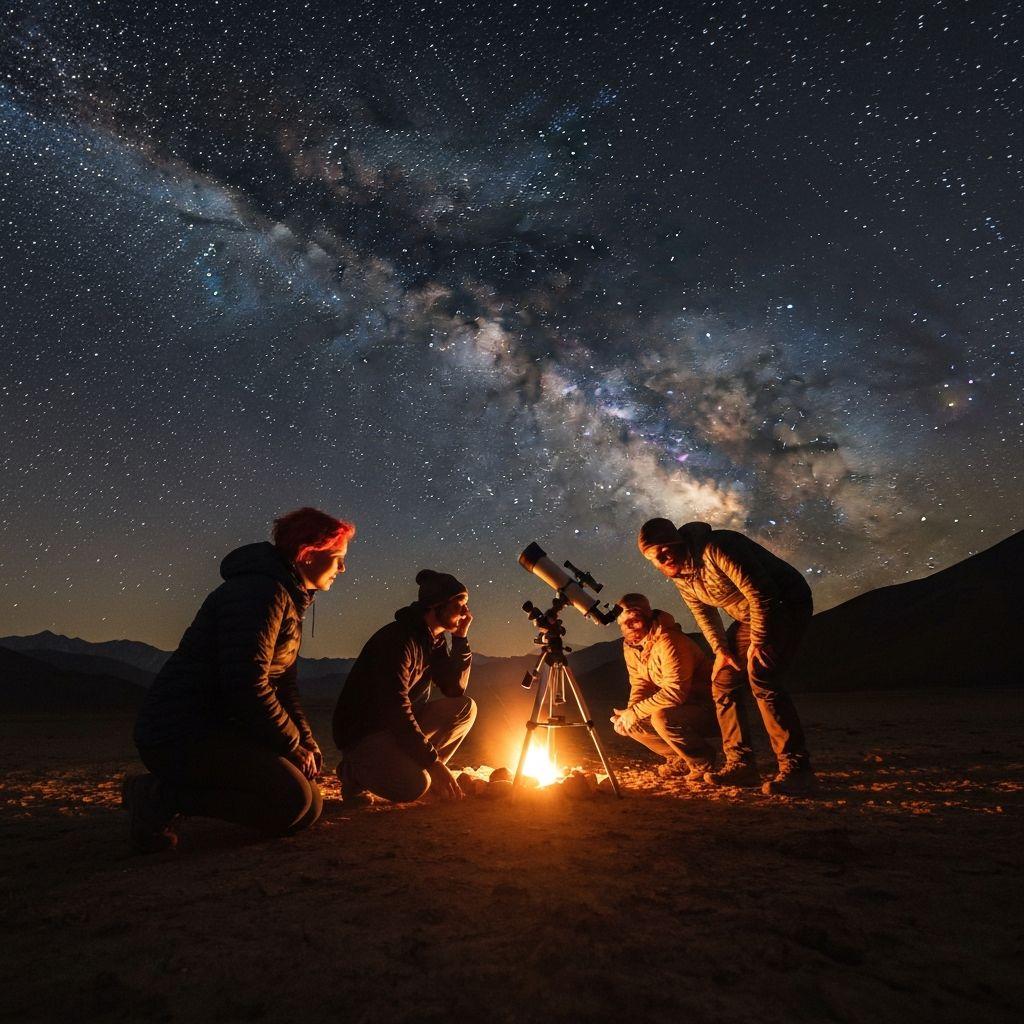
High Altitude Advantage
One of the biggest reasons behind Spiti’s incredible night skies is its high altitude. Most villages in the valley are located between 3,500 and 4,500 metres above sea level. At these elevations, the atmosphere is thinner and cleaner, reducing haze and improving visibility.The result is a sharper view of stars, planets, and distant celestial objects compared to locations at lower elevations.
Minimal Light Pollution
Light pollution is the biggest obstacle for stargazing. In cities, streetlights, buildings, and vehicles make it difficult to see anything beyond a few bright stars.
Spiti Valley is different. Small villages, limited infrastructure, and vast open landscapes mean there is very little artificial light. Once you move away from village centres, the darkness becomes perfect for observing the night sky.
Clear Weather Conditions
Spiti receives very little rainfall due to its location in the rain-shadow region of the Himalayas. The dry climate creates clear skies for much of the year, especially between May and October.These conditions make the valley one of the most reliable destinations in India for astronomy and astrophotography.
Wide Open Himalayan Landscapes
Unlike forested regions where trees block the horizon, Spiti offers wide open mountain landscapes. The barren terrain creates uninterrupted views of the sky from almost every direction.This allows photographers and travellers to capture stunning compositions that combine the Milky Way with monasteries, villages, lakes, and mountain peaks.
Best Time for Stargazing in Spiti Valley
May to June
This is one of the best periods for stargazing. The weather remains pleasant, roads are generally open, and the skies stay clear.Night temperatures can still be cold, but visibility is excellent for observing stars and photographing the Milky Way.
July to August
Although this is considered the summer travel season, Spiti receives minimal rainfall compared to many Himalayan destinations.The valley remains suitable for stargazing, though occasional clouds may appear during some nights.
September to October
Many experienced travellers consider this the best season for night sky photography. The monsoon has ended, the atmosphere becomes cleaner, and visibility improves significantly.The skies appear darker and clearer, making it easier to spot constellations and capture detailed Milky Way images.
Winter Stargazing (November to March)
Winter offers some of the clearest skies of the year. Snow-covered landscapes combined with bright stars create magical scenery.However, temperatures can drop well below freezing, and road accessibility becomes limited. Winter stargazing is best suited for experienced travellers prepared for harsh conditions.
Best Places for Stargazing in Spiti Valley
Spiti has several remote villages and natural sites that offer exceptional dark skies. Here are the top places to visit in Spiti Valley if stargazing and night sky photography are on your itinerary.
Kibber Village
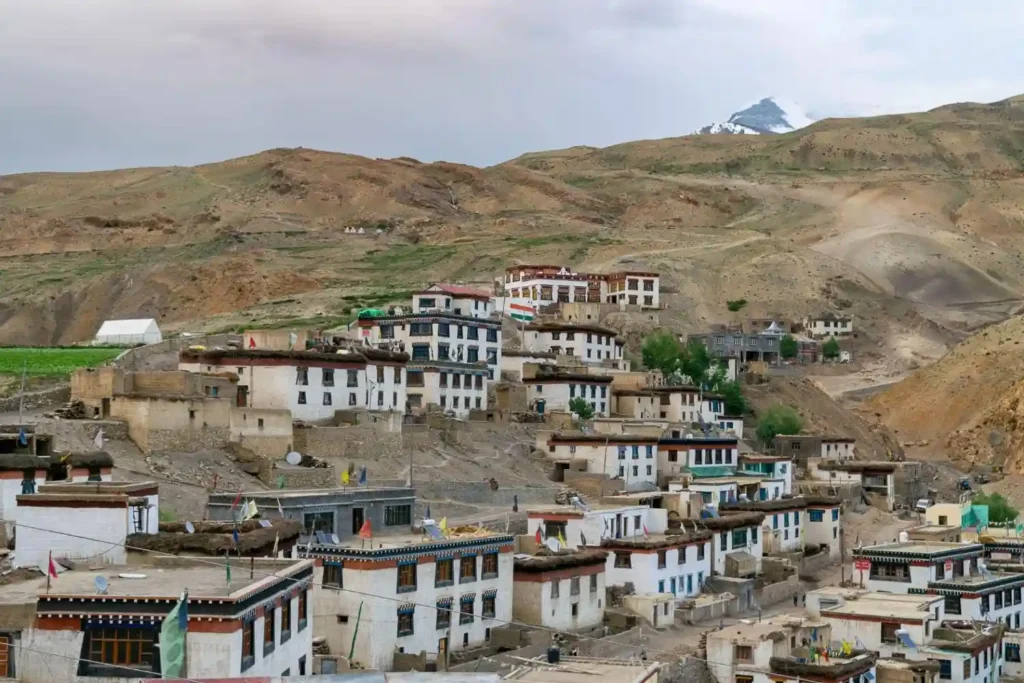
Located at an altitude of around 4,270 metres, Kibber is among the most popular places for stargazing in Spiti.Its remote location and open surroundings provide exceptionally dark skies. The village offers panoramic mountain views that look spectacular beneath the Milky Way.
Langza Village
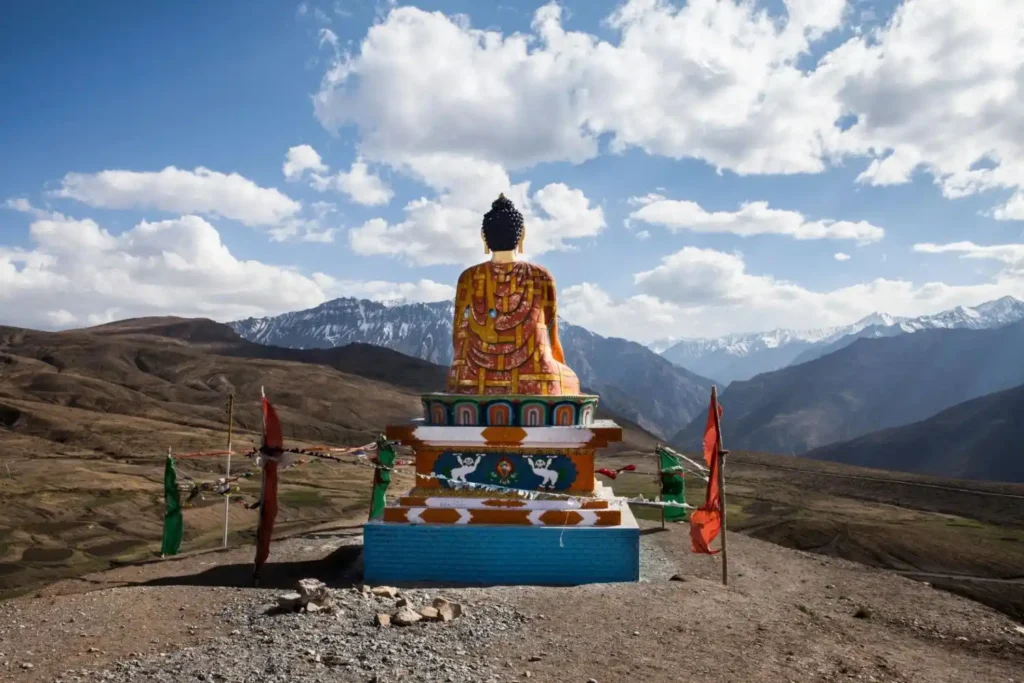
Langza is famous for its giant Buddha statue overlooking the valley. At night, this iconic landmark becomes an incredible foreground for astrophotography.Many photographers visit Langza specifically to capture the Milky Way rising above the statue and surrounding mountains.
Komic Village
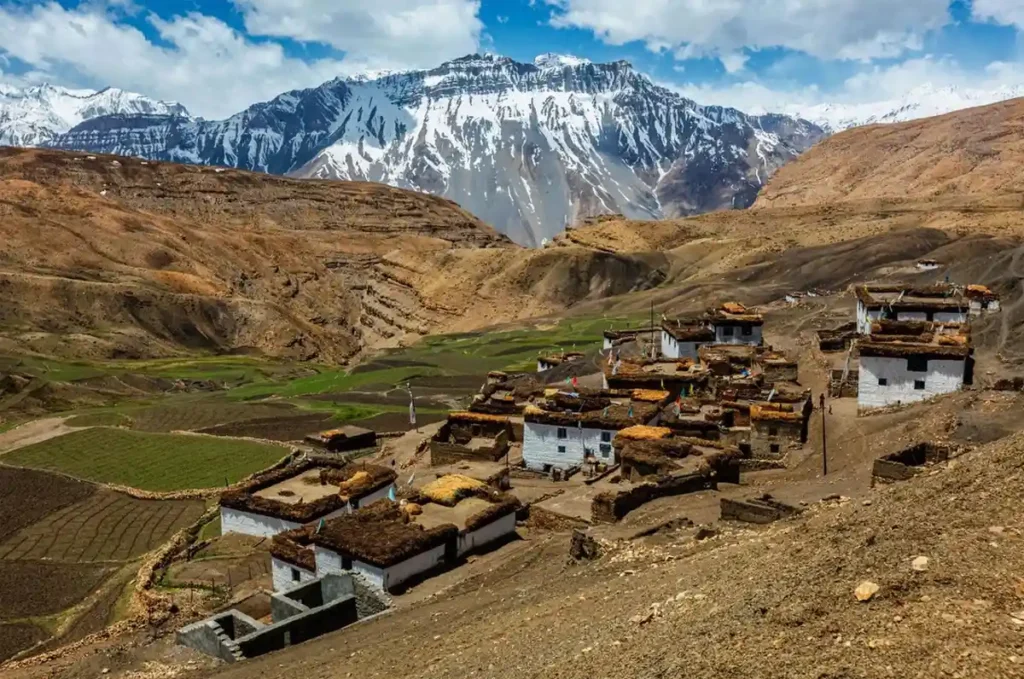
Known as one of the highest motorable villages in the world, Komic offers a unique stargazing experience.The combination of altitude, silence, and minimal human activity creates an atmosphere that feels completely disconnected from modern life.
Dhankar Village
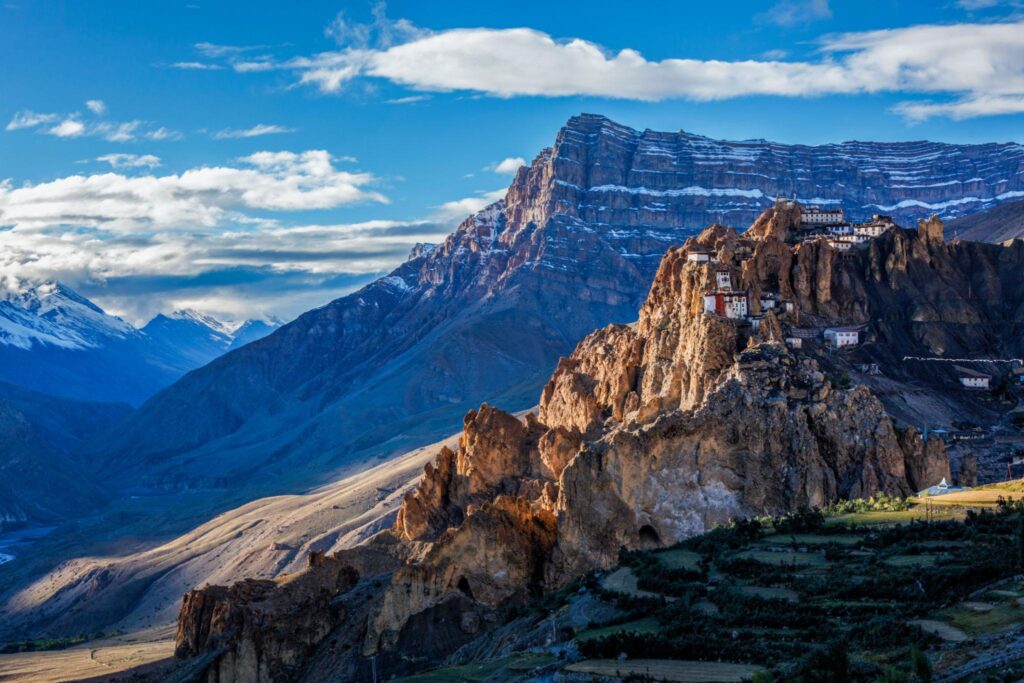
Dhankar is famous for its ancient monastery perched dramatically on a cliff.Watching the stars above the monastery is an unforgettable experience and one of the most photogenic scenes in Spiti Valley.
Pin Valley National Park
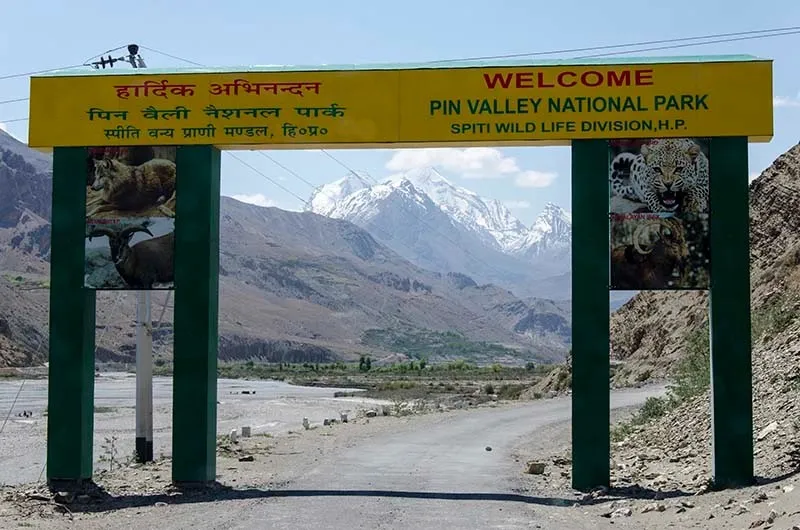
Pin Valley is among the darkest regions in Spiti. With very few settlements nearby, the area offers excellent conditions for observing stars without interference from artificial light.Nature lovers often combine wildlife exploration during the day with stargazing at night.
Chandratal Lake
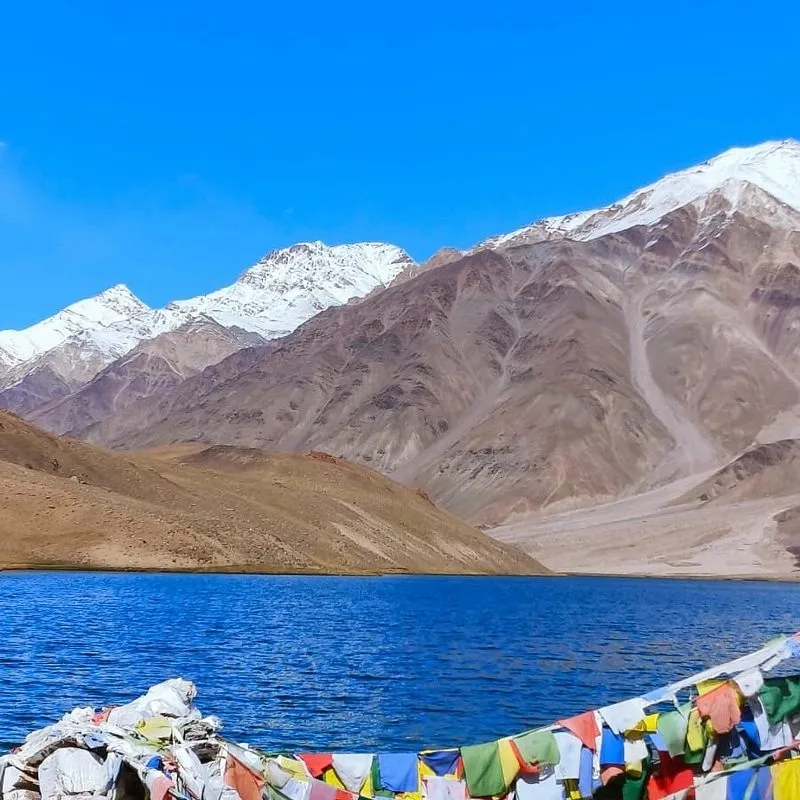
Chandratal is often considered one of the most beautiful locations for night sky photography in the Himalayas.On calm nights, the lake can reflect stars and sections of the Milky Way, creating stunning photographic opportunities.
What Can You See in the Night Sky?
During a clear night in Spiti Valley, visitors can observe:
- The Milky Way Galaxy stretching across the sky
- Shooting stars and meteor showers
- Constellations such as Orion and Cassiopeia
- Bright planets including Jupiter, Saturn, and Venus
- Moonrise and moonset over Himalayan peaks
- Thousands of stars visible without telescopes
Even first-time stargazers are often amazed by the number of celestial objects visible from the valley.
Astrophotography in Spiti Valley
Essential Camera Gear
Carry a DSLR or mirrorless camera, a wide-angle lens, a sturdy tripod, and extra batteries.Cold temperatures drain batteries quickly, so keeping spares is highly recommended.
Best Camera Settings
- Aperture: f/2.8 or wider
- ISO: 1600–3200
- Shutter Speed: 15–25 seconds
- Manual Focus set to infinity
These settings provide a good starting point for Milky Way photography.
Mobile Photography Tips
Modern smartphones with night mode can also capture impressive night sky images.Use a tripod, enable night mode, and avoid touching the phone during exposure.
Travel Tips for Stargazing in Spiti Valley
- Spend at least one day acclimatising before high-altitude activities.
- Carry multiple layers of warm clothing.
- Check moon phases before your trip; moonless nights offer the darkest skies.
- Bring a flashlight with a red-light mode if possible.
- Keep power banks and spare batteries fully charged.
- Avoid shining bright lights near photographers or fellow stargazers.
Camping Under the Stars in Spiti Valley
For many travellers, the best way to experience stargazing in Spiti Valley is by spending a night outdoors. Away from village lights and busy roads, the valley offers a rare opportunity to sleep beneath a sky filled with countless stars.
Camping in Spiti is not just about accommodation. It is about experiencing complete silence, fresh mountain air, and uninterrupted views of the night sky. On clear nights, the Milky Way becomes visible across the horizon, creating an unforgettable setting for travellers and photographers alike.
Best Campsites for Stargazing
Chandratal Lake Camps
Chandratal is one of the most popular camping destinations in Himachal Pradesh. While camping is not allowed directly beside the lake, designated campsites nearby provide excellent opportunities for night sky photography.The combination of high altitude, minimal light pollution, and dramatic mountain scenery makes Chandratal one of the best locations in Spiti for observing the Milky Way.
Kibber Campsites
Several camps and homestays around Kibber offer open spaces where visitors can enjoy the night sky without travelling far from their accommodation.The village’s remote location ensures dark skies throughout the year.
Pin Valley Camps
Pin Valley is one of the least populated regions in Spiti. Campgrounds here provide some of the darkest skies in the valley, making them ideal for serious stargazers and astrophotographers.
What to Carry for Night Stargazing
- Heavy jacket and thermal wear
- Woollen cap and gloves
- Comfortable hiking shoes
- Torch or headlamp
- Power bank
- Camera and tripod
- Drinking water
- Snacks for late-night photography sessions
Even during summer, temperatures can drop significantly after sunset, so warm clothing is essential.
Safety Tips for Camping
- Always camp in designated areas.
- Avoid wandering alone at night.
- Inform your host or guide before heading out for photography.
- Keep emergency contacts accessible.
- Stay hydrated and monitor altitude-related symptoms.
Where to Stay for Stargazing in Spiti Valley
Accommodation options in Spiti Valley range from traditional homestays to comfortable hotels and eco-camps. Choosing the right place can significantly improve your stargazing experience.
Homestays in Langza
Langza offers some of the most authentic village stays in Spiti. Many homestays have open terraces where guests can enjoy panoramic views of the night sky.The village’s location away from major roads helps maintain excellent darkness levels.
Homestays in Kibber
Kibber is one of the most popular villages for travellers looking to combine local culture with astronomy experiences.Most homestays provide rooftop access and outdoor seating areas ideal for observing stars.
Hotels in Kaza
Kaza serves as the main base for exploring Spiti Valley. While the town has more lighting than remote villages, several hotels located on the outskirts still offer good stargazing opportunities.Kaza is a convenient option for travellers who want access to restaurants, cafes, and travel services.
Camps Near Chandratal
Seasonal camps around Chandratal Lake are among the most sought-after accommodations for night sky enthusiasts.The high altitude and open surroundings create ideal conditions for Milky Way photography.
Things to Do Along with Stargazing
A trip focused on stargazing becomes even more rewarding when combined with Spiti’s cultural and natural attractions.
Visit Key Monastery
The iconic Key Monastery is one of the most photographed landmarks in Spiti Valley. During the day, visitors can explore its prayer halls, ancient murals, and stunning mountain views.At night, the monastery’s surroundings provide dramatic foregrounds for astrophotography.
Explore Chicham Bridge
Standing over a deep gorge, Chicham Bridge is one of the highest suspension bridges in Asia.The area around the bridge offers excellent opportunities for landscape photography during the day and star photography after sunset.
Fossil Hunting in Langza
Langza is famous for marine fossils that date back millions of years to when this region was submerged under an ancient sea.Exploring the village during the day and stargazing at night makes for a memorable experience.
Explore Pin Valley National Park
Nature lovers can spend the day discovering the landscapes of Pin Valley before enjoying some of the darkest skies in the region after sunset.
Visit Ancient Monasteries
Monasteries such as Dhankar, Tabo, and Key Monastery provide insight into the region’s Buddhist heritage while also serving as beautiful photography locations.
Why Book Your Spiti Trip with TripGuruGo?
Planning a high-altitude trip involves much more than simply booking transportation. TripGuruGo helps travellers experience Spiti Valley comfortably through carefully planned itineraries, experienced trip leaders, and local support.
Whether you’re travelling solo, with friends, or joining a group departure, TripGuruGo offers customized Spiti experiences that cover popular attractions, cultural experiences, and some of the best stargazing locations in the valley.
Conclusion
Stargazing in Spiti Valley is much more than a travel activity. It is an opportunity to witness one of nature’s most spectacular displays in an environment untouched by city lights. From the remote villages of Kibber and Langza to the stunning shores of Chandratal Lake, every corner of Spiti offers a chance to reconnect with the night sky.
If you’re planning a trip to Spiti Valley, make sure to reserve at least one clear night for stargazing. The sight of the Milky Way stretching above the Himalayas is something you’ll remember long after your journey ends.
FAQs
Is Spiti Valley good for stargazing?
Yes. Spiti Valley is one of the best stargazing destinations in India due to its high altitude, clear weather, and extremely low light pollution.
Which village in Spiti is best for stargazing?
Kibber, Langza, Komic, and Dhankar are among the best villages for observing stars and the Milky Way.
Can I see the Milky Way in Spiti Valley?
Yes. During clear moonless nights between May and October, the Milky Way is often visible to the naked eye.
What is the best month for astrophotography in Spiti?
September and October are generally considered the best months because of clear skies and excellent visibility.
Is Chandratal good for night sky photography?
Absolutely. Chandratal Lake is one of the most scenic locations in Spiti for capturing the Milky Way and star reflections.
Do I need a telescope for stargazing in Spiti?
No. The skies are so clear that many stars, planets, and sections of the Milky Way can be seen without any equipment.
How cold does it get at night in Spiti Valley?
Night temperatures can drop below 5°C even during summer and can fall well below freezing during winter.
Can beginners enjoy stargazing in Spiti Valley?
Yes. Even first-time visitors can enjoy spectacular views of the night sky without any prior astronomy experience.

Abdullah Khan specializes in adventure travel across Spiti Valley and the high-altitude regions of Himachal Pradesh. He writes about road trips, bike expeditions, hidden villages, monasteries, and offbeat Himalayan experiences. His guides focus on route planning, acclimatization, travel safety, and the best experiences across Spiti Valley.