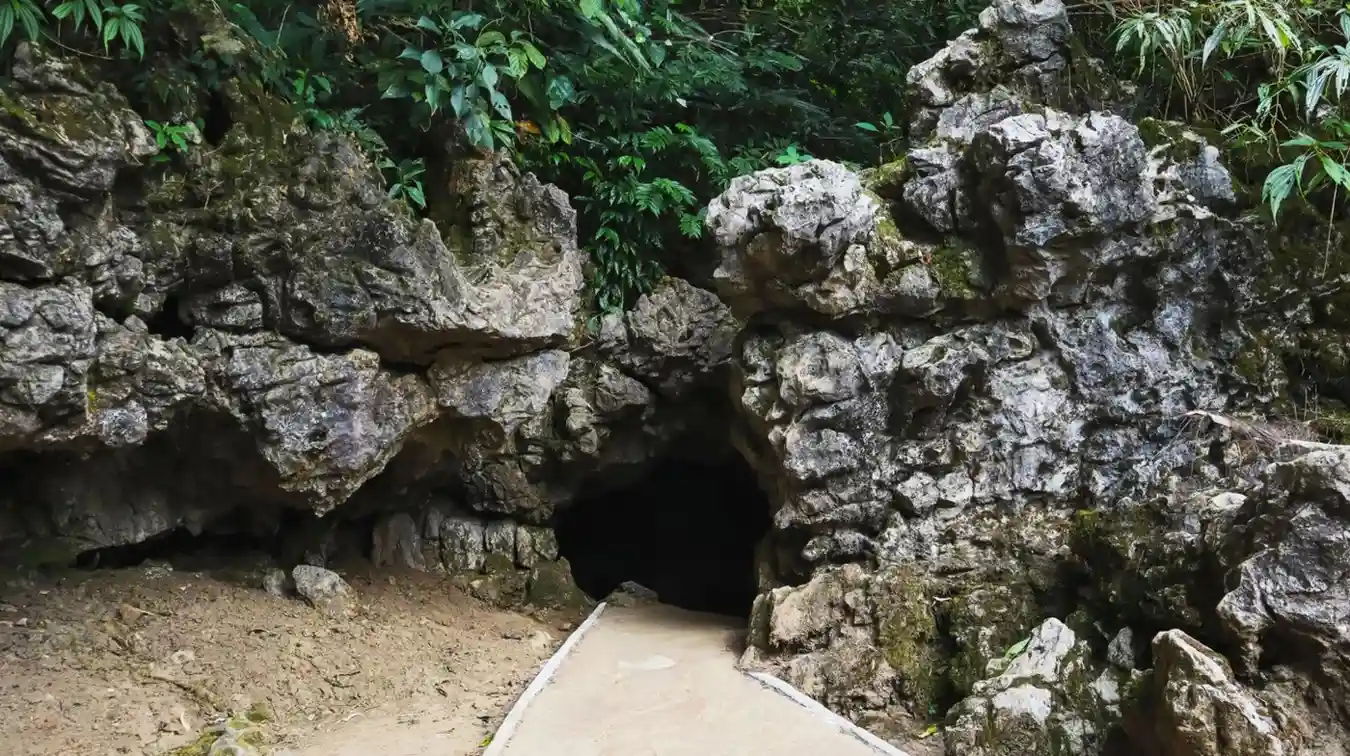
Planning to visit Mawsmai Caves in Cherrapunji? This is one of the easiest places in Meghalaya to enjoy a real cave experience without a difficult trek or special caving equipment. The cave has a clear visitor route, lights in the main sections, wet limestone walls, and a few narrow points where you may need to bend or move sideways.
This guide will help you understand the cave before you enter. It covers the latest reported timings and entry fee, the best time to visit, how to reach from Shillong and Sohra, what you will see inside, safety tips, photography advice, nearby attractions, and a simple sightseeing plan. For help with the rest of your journey, our complete Meghalaya travel guide explains the main routes, places, weather, stays, and useful travel tips.
Quick Facts About Mawsmai Caves
| Details | Information |
| Location | Mawsmai village, near Sohra in East Khasi Hills |
| Distance from Cherrapunji | Around 6 km |
| Distance from Shillong | Around 58 km |
| Cave type | Limestone cave |
| Visitor route | Around 150 metres |
| Timings | Usually 9:00 AM to 5:00 PM |
| Entry fee | Around ₹20 for adults |
| Time required | 45 minutes to 1 hour |
| Best time | October to April |
| Difficulty | Easy to moderate |
| Suitable for children | Yes, with adult supervision |
| Guide required | Not compulsory for the main tourist route |
| Main attractions | Stalactites, stalagmites and narrow passages |
The official Meghalaya Tourism website describes Mawsmai as an illuminated cave with an approximately 150-metre visitor section that is manageable for beginners. It is around 6 km from Sohra and about 58 km from Shillong.
About Mawsmai Cave
Mawsmai Cave is a natural limestone cave close to Cherrapunji, also called Sohra. It is one of the most visited caves in Meghalaya because regular tourists can explore it without ropes, helmets, or technical caving skills.
The entrance is wide, but the path changes as you move further inside. Some sections are open enough to stand comfortably, while others are low and narrow. You may need to bend your head, duck below a rock, or turn slightly to pass through.
Lights have been placed along the main tourist route, so the cave is easier to explore than many other caves in Meghalaya. However, it is still a natural cave. The floor may be uneven, water may drip from the roof, and some corners can remain dark.
That mix of easy access and real cave conditions makes Mawsmai a good choice for families, students, first-time cave visitors, and travellers who do not want a long trek.
Why Visit Mawsmai Caves?
Mawsmai gives you a different experience from the waterfalls and viewpoints for which Cherrapunji is famous.
Outside, you see green hills, clouds, and deep valleys. Inside the cave, the surroundings change within a few steps. The air becomes cooler and damp, outside sounds become quieter, and your attention moves towards the rock walls, water drops, and small natural passages.
You should consider visiting Mawsmai because:
- It is close to the main Cherrapunji sightseeing route.
- You do not need previous caving experience.
- The main cave section is short and manageable.
- It is an interesting learning stop for children and students.
- It can be combined with waterfalls and viewpoints on the same day.
- It gives first-time visitors a safe introduction to Meghalaya’s cave landscape.
The complete cave visit generally takes between 30 minutes and one hour, depending on crowds and how often you stop for photographs.
How Was Mawsmai Cave Formed?
Imagine rainwater falling over the hills of Cherrapunji year after year.
As the water enters the soil and passes through cracks in the ground, it slowly reaches the limestone below. The water carries small amounts of natural acid from the soil and air. Over a very long time, it begins to dissolve the limestone.
Small cracks become wider. Wider spaces slowly turn into passages and chambers. Water continues dripping from the cave roof, carrying dissolved minerals with it.
Some minerals remain on the ceiling and slowly form hanging shapes called stalactites. Other drops fall to the floor and leave minerals behind, creating upward-growing shapes called stalagmites.
When a stalactite and stalagmite keep growing until they meet, they can form a limestone column. This slow natural process created the passages, rock textures, pillars, and formations that visitors see inside Mawsmai today.
Scale and Character of the Cave
| Cave aspect | What it means for visitors |
| Limestone structure | You can see different water-made rock shapes |
| Tourist-friendly route | No technical caving experience is normally needed |
| Narrow passages | Adds a small sense of adventure |
| Low sections | You may need to bend or duck |
| Damp conditions | The floor can become slippery |
| Short route | Easy to add to a Cherrapunji day trip |
| Artificial lighting | Helps visitors follow the main path |
Mawsmai is accessible, but it should not be treated like a completely controlled indoor attraction. It remains a natural cave with changing moisture, uneven ground, dark corners, and narrow sections.
What to Expect Inside Mawsmai Cave
Knowing what lies ahead will help you enter with the right expectations.
A Wide Entrance
The cave begins with a fairly open entrance. This first part usually feels easy and allows your eyes to adjust to the lower light.
You may also notice a change in temperature as soon as you move away from the outside sunlight.
Wet and Textured Walls
The cave walls are not smooth. They have folds, curves, ridges, small openings, and mineral layers created by water.
Some surfaces look pale, while others appear brown, yellow, grey, or darker because of moisture and mineral deposits.
Dripping Water
Water continues to move through the limestone, so drops may fall from the roof. The damp air and wet rock are a normal part of the cave.
Avoid wearing clothes or carrying bags that must remain completely dry.
Narrow Passages
Some parts of the visitor route become narrow. You may have to walk sideways, lower your head, or carefully squeeze through.
Do not rush when people are entering these sections. Give the person ahead enough space to move.
Low-Clearance Sections
A few parts have a low roof. Watch your head and move slowly.
A cap may provide a little protection from water drops, but it should not block your view of the rocks above.
Artificial Lights
Lights have been fitted along the main route to help people move safely and see the cave formations. Even with these lights, a few corners may remain dim. Carrying a small torch can help you look at darker textures without depending only on your phone light.
A Smaller Exit
The entrance feels more open than some parts near the end of the route. The cave follows a one-way flow, so visitors normally enter from one side and leave from another.
This makes it difficult to get lost on the main tourist section, but crowd movement can become slow at tight points.
Cave Formations to Look For
Do not walk through the cave only to finish the route. Slow down and look for small details.
You may notice:
- Thin formations hanging from the ceiling
- Wider limestone shapes rising from the floor
- Column-like rocks connecting the top and bottom
- Layers formed by repeated water flow
- Small natural openings where outside light enters
- Different colours in wet and dry areas
- Smooth sections shaped by water
- Rough walls with deep folds and cracks
The shapes may look different when viewed from another side because the shadows and light change. Some visitors imagine faces, animals, or familiar objects in the rocks, but these are natural formations rather than carved designs.
Mawsmai Cave Timings
Mawsmai Cave is generally open every day from:
Opening time: 9:00 AM
Closing time: 5:00 PM
Timings can change because of local instructions, repairs, bad weather, or safety concerns. Check the entrance counter before planning the rest of your day around a fixed closing time.
Best Time of Day to Enter
Try to arrive between 9:00 AM and 11:00 AM.
Morning is usually better because:
- The cave is less crowded.
- You can move through narrow parts without long waits.
- Children and older family members get more space.
- Photography becomes easier.
- You still have enough time for nearby waterfalls and viewpoints.
Tour buses and large sightseeing groups may arrive later in the day, especially during weekends and holidays.
Mawsmai Cave Entry Fee
Reported ticket prices are usually:
| Visitor | Approximate fee |
| Adults | ₹20 |
| Children or students | ₹10 |
| Foreign visitors | ₹50 |
| Still camera | ₹20 extra |
Some older online listings show slightly different child and camera charges. Parking and professional video equipment may also have separate fees. Ticket prices can be revised locally, so treat these figures as a planning estimate and check the current amount at the ticket counter.
Payment Tip
Carry cash in small notes.
Digital payment may be available, but mobile signals or payment systems can sometimes be slow. Cash also helps with parking, snacks, and small local shops nearby.
How Much Time Is Required?
Keep around one hour for the full visit.
A simple time plan is:
- Parking and ticket purchase: 10–15 minutes
- Walk to the cave entrance: 5–10 minutes
- Cave exploration: 25–40 minutes
- Photos and short rest after exit: 10–15 minutes
Crowds can increase the total time because visitors must move one by one through some narrow sections.
Best Time to Visit Mawsmai Cave
The cave can be visited in most months, but the overall experience changes with the weather.
October to November
This is one of the best periods to visit.
The hills remain green after the monsoon, the rain becomes less frequent, and road travel is usually easier. Waterfalls may still have a good flow, so you can enjoy both the cave and nearby outdoor attractions.
December to February
Winter is comfortable for cave exploration and sightseeing.
Days are generally pleasant, visibility is often better, and there is less rain. Carry a light warm layer because mornings and evenings can feel cool.
March to May
These months are also suitable, though occasional rain and changing weather should be expected.
The cave approach is usually easier than during heavy monsoon rain. Visit early to avoid afternoon groups.
June to September
Monsoon gives Cherrapunji its strongest waterfalls and deepest green colour. However, the cave and approach areas can feel wetter, and the floor may become more slippery.
Fog can also reduce the views at nearby attractions. Carry rain protection and allow extra travel time.
Official Meghalaya Tourism recommends October to April for cooler, drier conditions and easier cave exploration.
Month-Wise Visit Guide
| Months | What to expect |
| January–February | Cool weather, fewer wet sections and clearer outdoor views |
| March–April | Comfortable sightseeing with some rain possible |
| May | Warmer, greener and more humid |
| June–August | Heavy rain, high moisture and slippery surfaces |
| September | Rain begins to reduce, but conditions remain wet |
| October–November | Green landscape, pleasant weather and easier movement |
| December | Cool, mostly comfortable and good for family trips |
How to Reach Mawsmai Cave
Mawsmai Cave is located near Mawsmai village, around 6 km from the main town area of Cherrapunji or Sohra.
From Cherrapunji or Sohra
The drive usually takes around 10–15 minutes.
You can reach by:
- Local taxi
- Private cab
- Self-drive car
- Hotel-arranged vehicle
- Cherrapunji sightseeing taxi
Autos may also be available in some areas, but their availability is not always dependable. Arrange your return ride in advance when travelling without a private vehicle.
From Shillong
Mawsmai Cave is around 55–60 km from Shillong, and the drive normally takes about 1.5 to 2 hours without long sightseeing stops.
Most travellers hire a private taxi for a full-day Shillong–Cherrapunji trip. Shared sumos operate towards Sohra, but they are less useful when you want to visit several attractions spread around the area.
A comfortable route is:
Shillong → Mawkdok Dympep Viewpoint → Sohra → Mawsmai Cave
Start early because fog, rain, road traffic, and sightseeing stops can increase the journey time.
From Guwahati
The distance from Guwahati Airport is around 160–170 km, and the journey can take approximately 4–5 hours, depending on traffic and weather.
Most travellers first reach Shillong and then continue towards Cherrapunji. Our Guwahati to Shillong road journey explains the route, travel time, transport choices, and useful stops along the way.
Public Transport
Public transport directly to the cave is limited.
Shared sumos and taxis run between Shillong and Sohra, but you will usually need another local taxi from Sohra to reach the cave and nearby attractions.
For families and groups, a full-day private cab is often the easiest choice because it gives you control over timing and stops.
Road and Parking Conditions
The cave is connected by road and is part of the normal Cherrapunji sightseeing circuit. Road conditions are generally manageable, though heavy rain and fog can slow the journey.
Parking is available near the attraction. A separate parking charge may apply, so keep small cash ready.
During busy hours:
- Parking may fill quickly.
- Large vehicles may create short queues.
- The approach area can become crowded.
- You may have to wait before entering the cave.
Reaching early reduces most of these problems.
Is a Guide Required?
A guide is not normally required for the main tourist route because it is short, lit, and has a clear direction.
However, a local guide can be helpful when:
- You are visiting with a school group.
- You want to understand the limestone formations.
- You are nervous about narrow spaces.
- You want help identifying natural shapes.
- You are visiting during a busy or wet period.
Agree on the guide fee before beginning.
Do not enter closed passages or leave the marked tourist route, even when a person claims there is a shortcut. Non-tourist cave sections may require special skills and equipment.
Is Mawsmai Cave Difficult?
The main route is generally easy to moderate.
You do not have to complete a long trek, climb ropes, or use technical caving equipment. The main difficulties are:
- Low rock ceilings
- Narrow sections
- Wet floor
- Uneven steps
- Limited light in some corners
- Crowds at tight points
A person with normal fitness can usually complete the route comfortably by moving slowly.
Is Mawsmai Cave Safe for Children?
Yes, it is generally suitable for children, but an adult should remain close at all times.
For a safer family visit:
- Let one adult walk in front.
- Keep children in the middle.
- Let another adult follow at the back.
- Hold younger children’s hands on wet sections.
- Do not allow running.
- Keep enough space from the group ahead.
- Explain before entering that some parts will be dark and narrow.
Children who are afraid of darkness or tight spaces may feel uncomfortable. Show them the entrance first and avoid forcing them to enter.
Is It Suitable for Older Travellers?
Active older travellers may be able to explore the cave, but the route is not ideal for everyone.
Think carefully before entering if a person has:
- Knee or back problems
- Poor balance
- Difficulty bending
- Fear of narrow spaces
- Breathing discomfort
- Limited mobility
Check the entrance and speak with local staff before buying a ticket for the full route. Wet ground and low-clearance passages can be harder than they first appear.
Safety Tips for First-Time Visitors
Wear Shoes with Good Grip
Closed sports shoes or walking shoes are best.
Avoid:
- Flip-flops
- Smooth sandals
- High heels
- New shoes that cause pain
- Loose footwear
Wet limestone can be slippery even when the path looks safe.
Keep One Hand Free
Do not carry large items in both hands. Keeping one hand free helps you balance against a railing or stable surface when needed.
Move Slowly
There is no benefit in finishing the cave quickly. Slow movement gives you better balance and more time to notice the formations.
Do Not Overtake in Narrow Passages
Wait until the route becomes wider. Sudden overtaking can cause people to lose balance or hit their heads.
Watch Your Head
Look ahead and above before entering a low section. People often focus only on their feet and forget about the roof.
Do Not Stop at Tight Points
Take photographs only where there is enough room for others to pass. Stopping in a narrow passage creates a queue and can make children or nervous visitors uncomfortable.
Carry a Small Torch
The installed lights cover the main route, but a torch is useful for darker corners and detailed textures.
Protect Your Phone and Camera
Use a strap or keep your device inside a zipped pocket when moving through narrow sections.
What to Wear
Wear clothes that allow easy movement and can handle a little moisture.
A good outfit includes:
- Quick-dry T-shirt
- Light trousers or track pants
- Closed shoes with grip
- Light rain jacket
- Small cap
- Compact backpack
Avoid long dresses, loose scarves, heavy jackets, or wide bags that can catch against rocks.
Things to Carry
- Small flashlight
- Water bottle
- Rain jacket or compact umbrella
- Phone or camera strap
- Waterproof phone cover
- Hand towel
- Tissues
- Small amount of cash
- Basic medicine
- Spare socks during monsoon
Carry only what you need. A large backpack becomes uncomfortable in narrow sections.
Photography at Mawsmai Cave
Mawsmai Cave is interesting to photograph, but the low light and small spaces require patience.
Best Time for Photography
Visit early in the morning when fewer people are inside.
Natural light near the entrance and roof openings can create better photographs than the darkest parts of the cave.
Best Subjects
Look for:
- Light falling through a natural opening
- Water drops on limestone
- Hanging stalactites
- Upward-growing stalagmites
- Lines and folds in the walls
- A person standing safely beside a larger chamber for scale
- The change from the dark cave to the bright exit
Mobile Photography Tips
- Clean the camera lens before entering.
- Use night mode only when you can stand still safely.
- Tap on the rock formation to control focus.
- Reduce brightness if the artificial lights look too strong.
- Hold the phone with both hands.
- Take fewer photographs while walking.
- Never step backwards without checking the floor.
Camera Settings
For a DSLR or mirrorless camera, start with:
- Aperture: f/2.8 to f/4
- ISO: 800–3200
- Shutter speed: 1/60 second or faster when shooting by hand
- Image stabilization: On
- White balance: Auto
- RAW format: Useful for correcting shadows later
Avoid setting up a tripod in narrow sections because it can block the route. Professional equipment may also require extra permission or charges.
Flash or No Flash?
Flash may remove the natural shadows and make wet limestone look flat. Try available light or a soft phone light first.
Do not repeatedly flash lights into other visitors’ faces.
Educational Value for Children and Students
Mawsmai is a useful place to explain how water can slowly change solid rock.
Instead of giving children a long lesson, ask them to observe simple things:
- Which shapes hang from the ceiling?
- Which ones rise from the floor?
- Where is the wall wettest?
- Why are some passages narrow?
- Can they find a place where two formations have joined?
- Why should the formations not be touched?
This turns a short cave visit into a simple geology lesson.
Students can also learn about responsible travel, group movement, natural resources, and the need to protect fragile cave systems.
Facilities Near the Cave
Basic visitor facilities are generally available around the entrance area, though quality and availability may change.
You may find:
- Parking
- Ticket counter
- Small food stalls
- Tea and snacks
- Toilets
- Souvenir shops
- Local guides
- Resting areas
Carry your own drinking water, but do not leave bottles or wrappers inside the cave.
Food Near Mawsmai Cave
Small stalls near the attraction may serve tea, packaged snacks, noodles, momos, or simple local food.
For a proper meal, Sohra town offers more cafés and restaurants. Try to schedule lunch after the cave rather than eating a heavy meal just before entering narrow sections.
Local dishes worth trying include:
- Jadoh
- Dohneiihong
- Tungrymbai
- Rice with local vegetables
- Momos
- Simple Khasi-style meat dishes
- Tea with local snacks
Ask about ingredients when you have food restrictions.
Mobile Network and Internet
Mobile networks generally work better around Sohra town and the main roads than inside the cave.
Do not expect a stable signal underground. Download maps, save driver numbers, and share your plan before entering.
Keep your group together rather than depending on phone calls inside the cave.
Nearby Attractions Around Mawsmai Cave
Seven Sisters Falls (Around 1–2 km)
Seven Sisters Falls, also called Nohsngithiang Falls, is one of the easiest attractions to combine with Mawsmai Cave. During the monsoon, several streams drop down a wide cliff into the deep valley below. Mist moves quickly across the view, so the waterfall may disappear and return within minutes.
A roadside viewpoint makes it suitable for families and older travellers. You do not need a long trek, but visibility depends heavily on clouds and rain.
Keep around 30–45 minutes for the stop. Monsoon gives the strongest water flow, while clearer winter days offer a better view of the cliff and valley. For photographs, wait for a short break in the fog instead of leaving immediately when the falls are hidden.
Eco Park (Around 3 km)
Eco Park offers open valley views, walking space, small streams, and viewpoints near the edge of the plateau. On a clear day, you can see the wide landscape towards the plains of Bangladesh.
It is a good stop after the cave because the open space feels relaxing after the narrow underground route. Families can walk around, rest, and enjoy the cooler air.
Keep approximately 45 minutes to one hour. Visibility may reduce quickly during rain or fog, so visit when the sky appears clearer. Stay behind safety barriers and keep children away from open edges.
Mawsmai Falls Viewpoint (Around 2 km)
Mawsmai Falls is another name often connected with the Seven Sisters or Nohsngithiang Falls area. It is best seen during the rainy season when water spreads across the cliff in several streams.
This stop is more about the wide valley view than walking close to the waterfall. Keep your camera ready because light and fog change within minutes.
The viewpoint is suitable for travellers who want an easy stop without trekking. Around 20–30 minutes is normally enough unless the weather is especially clear.
Arwah Cave (Around 8–10 km)
Arwah Cave offers a different experience from Mawsmai. The approach includes a scenic walk through greenery, and the cave is known for limestone walls, fossil-like marks, and wider natural sections.
It is less tightly controlled than the short Mawsmai tourist route, so good footwear and a local guide can be helpful. Carry a torch even when lighting is available.
Keep around 1.5 to 2 hours, including the walk and cave visit. Arwah is best for travellers who enjoyed Mawsmai and want another underground experience with a little more walking. Official Meghalaya Tourism also lists Arwah Cave as a nearby attraction to Mawsmai.
Nohkalikai Falls (Around 10–12 km)
Nohkalikai Falls is one of the most important places to visit near Cherrapunji. Water drops from a high cliff into a pool below, and the main viewpoint can be reached without a difficult trek.
The waterfall has its strongest flow during and after the monsoon. In winter, the water may reduce, but visibility is often clearer. Fog can hide the entire waterfall, so keep some extra time and wait for the clouds to move.
Spend around 45 minutes to one hour here. Morning is usually better for a clear view, though weather can change at any time.
Dainthlen Falls (Around 13–15 km)
Dainthlen Falls combines an open riverside landscape with a well-known Khasi story. The water moves over a broad rock surface before dropping into the valley.
Unlike viewpoints where you see a waterfall from far away, Dainthlen lets you experience the upper river area more closely. However, the wet rocks can be dangerous, especially during monsoon.
Keep around 45 minutes. Visit for the landscape, local story, and wide photographs. Stay away from the edge and follow all local safety signs.
Wei Sawdong Falls (Around 15–18 km)
Wei Sawdong is known for its stepped waterfall and forest setting. Reaching the viewpoint involves a steep path with natural and bamboo sections, so it requires more effort than visiting Mawsmai Cave.
The route may become slippery during rain. Wear strong shoes and avoid the descent with very young children, older travellers with knee problems, or anyone uncomfortable on steep paths.
Keep at least 1.5 to 2 hours. The best photographs are usually taken from the marked viewpoints rather than from risky unmarked edges.
Double Decker Living Root Bridge, Nongriat (Around 20–25 km to the Trek Starting Point)
The Double Decker Living Root Bridge is not a quick stop. You first drive to Tyrna village and then complete a long stair trek to Nongriat.
The trek includes thousands of steps, bridge crossings, and a steep return climb. It normally needs most of the day, so do not combine it with Mawsmai Cave unless you have enough time and fitness.
Plan Mawsmai for one sightseeing day and Nongriat for another. This gives you time to enjoy both without rushing. The bridge is best for active travellers who are prepared for a demanding walk.
Suggested One-Day Cherrapunji Route
A comfortable day from Shillong can look like this:
Morning
Leave Shillong by around 7:00 AM.
Stop briefly at Mawkdok Dympep Viewpoint if the weather is clear, then continue towards Sohra.
Reach Mawsmai Cave between 9:30 AM and 10:30 AM. Spend around one hour exploring the cave and entrance area.
Late Morning
Visit Seven Sisters Falls and Eco Park.
Choose the stop with the clearest visibility first because fog may hide the views later.
Afternoon
Have lunch in Sohra, then visit Nohkalikai Falls.
You can add Dainthlen Falls if time, weather, and energy allow.
Evening
Begin your return towards Shillong before darkness. Fog on the hill roads can make late driving slower and more tiring.
For a longer state trip, our seven-day Meghalaya route from Guwahati can help you place Shillong, Cherrapunji, Dawki, and other main stops in the right order.
Who Should Visit Mawsmai Cave?
Mawsmai Cave is best for:
- First-time cave visitors
- Families with children
- School and college groups
- Couples
- Solo travellers
- Nature lovers
- Geology students
- Photographers
- Travellers with limited time in Cherrapunji
Who May Find It Uncomfortable?
The cave may not suit travellers who:
- Have a strong fear of tight spaces
- Cannot bend comfortably
- Have serious knee or back pain
- Have poor balance
- Feel anxious in darkness
- Need wheelchair access
- Are carrying a baby without proper support
You can still visit the entrance area and nearby surroundings without completing the full cave route.
Responsible Tourism at Mawsmai Cave
Cave formations grow extremely slowly. Damage caused in a few seconds may not recover within a human lifetime.
Help protect Mawsmai by following these simple rules:
- Do not touch stalactites or stalagmites.
- Never break or collect a piece of limestone.
- Do not write names on the cave walls.
- Carry all waste back outside.
- Avoid loud shouting.
- Do not leave food inside.
- Follow the marked path.
- Do not enter closed sections.
- Allow other visitors to pass.
- Respect local staff and guides.
- Use water carefully in Sohra.
- Support local food stalls and shops when possible.
Treat the cave as a natural place, not as an entertainment tunnel.
Final Travel Tips
- Reach early to avoid large groups.
- Wear closed shoes with strong grip.
- Keep both hands free while crossing tight sections.
- Carry a small light.
- Protect your phone from water.
- Avoid large backpacks.
- Keep children between adults.
- Do not stop for photos in narrow passages.
- Carry cash for tickets and parking.
- Check the weather before leaving Shillong.
- Start your return before fog becomes heavy.
- Confirm the current timing and fee at the counter.
Explore Meghalaya with TripGuruGo
Mawsmai Cave adds a fun underground experience to a Cherrapunji trip. After walking through its narrow limestone passages, you can continue towards waterfalls, open viewpoints, Khasi villages, and living root bridges. At TripGuruGo, we create easy travel guides that help you understand the route, plan your time, and visit each place without confusion.
Frequently Asked Questions
Where is Mawsmai Cave located?
Mawsmai Cave is located near Mawsmai village, around 6 km from Cherrapunji or Sohra in Meghalaya’s East Khasi Hills.
What are the timings of Mawsmai Cave?
The cave is generally open daily from 9:00 AM to 5:00 PM. Timings may change because of weather, repairs, or local instructions.
What is the entry fee for Mawsmai Cave?
The commonly reported fee is around ₹20 for adults, ₹10 for children or students, and ₹50 for foreign visitors. Camera and parking charges may be separate.
How long does it take to explore Mawsmai Cave?
Most visitors need around 30–45 minutes inside the cave. Keep about one hour for tickets, walking, photos, and the complete visit.
Is Mawsmai Cave safe for children?
Yes, the main tourist route is suitable for children with adult supervision. Keep them close in wet, dark, and narrow sections.
Do I need a guide for Mawsmai Cave?
A guide is not compulsory for the main lit route. You may hire one to understand the rock formations or receive help in narrow sections.
Is Mawsmai Cave difficult to explore?
The difficulty is easy to moderate. There is no long trek, but visitors must manage wet floors, low roofs, and a few narrow passages.
Can older people visit Mawsmai Cave?
Active older travellers may enter, but people with knee, back, balance, or mobility problems should first check the entrance conditions and speak with local staff.
Can I visit Mawsmai Cave during the monsoon?
Yes, but the cave and approach path can become wetter and more slippery. Wear shoes with good grip and carry rain protection.
What should I wear inside Mawsmai Cave?
Wear comfortable quick-dry clothes and closed walking shoes with a strong grip. Avoid slippers, heels, long loose clothing, and large bags.
Is photography allowed inside Mawsmai Cave?
Photography is generally allowed, though an extra camera charge may apply. Avoid blocking narrow passages and keep your device secured with a strap.
Which places can I visit with Mawsmai Cave?
Seven Sisters Falls, Eco Park, Nohkalikai Falls, Arwah Cave, and Dainthlen Falls can be included in the same Cherrapunji sightseeing plan.
Apurv jain is a travel seo and content writer who specializes in creating well-researched and engaging travel content. His work focuses on destinations, itineraries, travel guides, and practical tips that help readers plan memorable and hassle-free journeys.