If you are planning a trip to Zanskar Valley, the first thing to understand is that reaching the valley is a big part of the experience. This is not a place where you land at an airport and start sightseeing within an hour. The journey takes you through long mountain roads, small villages, high passes, and stretches where facilities can be limited.
Padum is the main base for most travellers exploring Zanskar. You can reach the region from the Kargil side or enter through the Manali, Darcha, and Shinku La route, depending on your travel plan and current road conditions.
Whether you are travelling by bike, car, or taxi, a little extra planning will make your journey much easier. This guide covers how to reach Zanskar Valley, the best routes, places to visit with distances, bike trip planning, itinerary, stays, and useful travel tips.
Zanskar Valley at a Glance
| Factor | Details |
| Location | Ladakh, India |
| Main Travel Base | Padum |
| Padum Altitude | Around 3,500 metres |
| Best Known For | Road trips, monasteries, remote villages and mountain landscapes |
| Main Travel Season | Generally June to September |
| Ideal Trip Duration | 7 to 10 days |
| Main Entry Routes | Kargil-Pensi La and Manali-Shinku La |
| Nearest Major Airport | Leh Airport |
| Suitable For | Road trippers, bikers, trekkers and slow travellers |
| Road Type | Mix of paved, broken and rough mountain roads |
| Mobile Connectivity | Available in some areas but unreliable in remote sections |
| Main Travel Concerns | Altitude, long distances, road conditions and limited facilities |
Where Is Zanskar Valley?
Zanskar Valley is part of the Ladakh region and lies south of the main Leh area. Padum is the main town and the most useful base for travellers.
When planning your trip, think of Padum as your centre point. Many nearby monasteries and villages can be explored from here, while places such as Phugtal Monastery require a separate journey towards the Purne side.
The region is spread across a large mountain area. You will travel through deep valleys, high passes, small settlements, Buddhist monasteries, and long sections with very few shops or facilities.
This is why a Zanskar trip should not be planned only by looking at kilometres on a map.
A distance of 100 km in the mountains can take much longer than the same distance on a regular highway.
Is Zanskar Valley Worth Visiting?
Yes, especially if you enjoy road journeys as much as sightseeing.
Zanskar is a good choice for travellers who like quiet mountain routes, small villages, Buddhist monasteries, and places where tourism still feels less busy than the popular areas around Leh.
But you should know what to expect.
This may not be the right trip if you want luxury hotels everywhere, strong mobile connectivity throughout the journey, or cafes and markets at every stop.
You will spend several hours on the road on some days. Food choices can become limited in smaller villages, and weather can change your plan.
If you are comfortable with these things, Zanskar can be one of the most interesting parts of a longer Ladakh road trip.
Explore our Zanskar Valley Trip package from Delhi
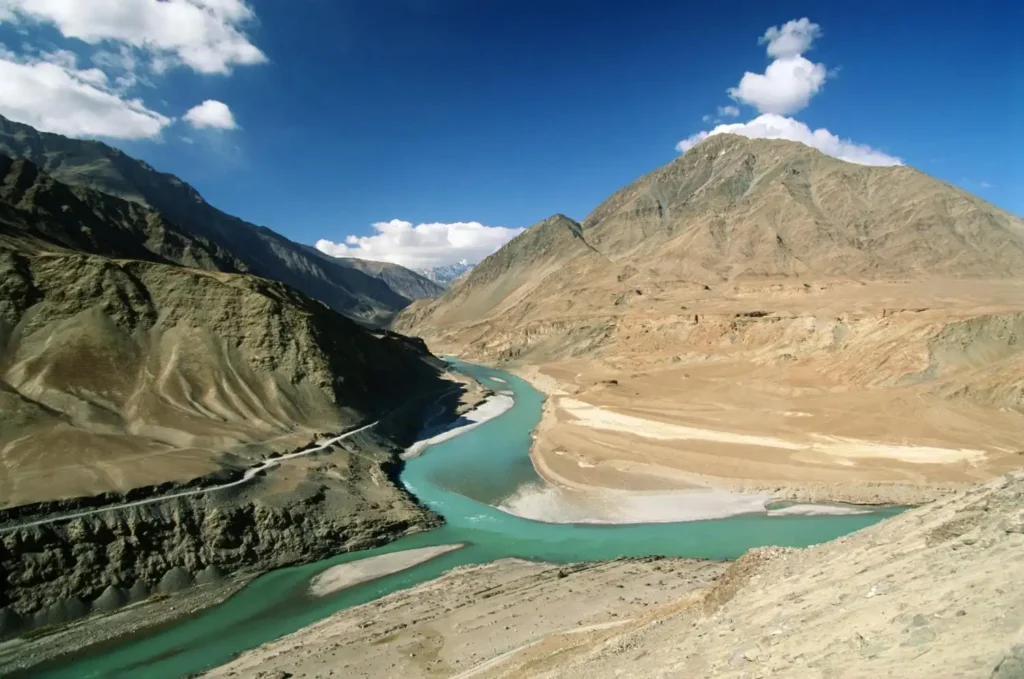
What Does a Zanskar Valley Road Trip Actually Feel Like?
The experience depends on which side you enter from.
If you enter from Kargil, the journey takes you through:
Kargil → Suru Valley → Rangdum → Pensi La → Drang Drung Glacier → Padum
The first part of the journey passes through settlements in the Suru Valley. As you continue towards Rangdum and Pensi La, villages become smaller and the landscape becomes more open.
You may find good roads on one section and broken roads a little later.
Depending on the season and current conditions, the route may include gravel, dust, construction zones, water crossings, and rough patches.
If you enter from the Manali side, the route generally follows:
Manali → Atal Tunnel → Keylong/Jispa → Darcha → Shinku La → Kargyak → Purne → Padum
This route gives you a completely different experience.
You gradually leave the more developed Manali-Leh corridor and enter quieter sections around Shinku La and southern Zanskar.
The biggest mistake you can make is planning the journey according to Google Maps travel time alone.
Mountain weather, road construction, water crossings, photo stops, and traffic can easily slow you down.
Keep your schedule flexible.
How to Reach Zanskar Valley
There is no major airport or railway station inside Zanskar. For most travellers, the main journey into the valley is by road.
You can enter from the Kargil side or the Manali-Darcha side.
Route 1: Leh to Zanskar Valley via Kargil
The common route is:
Leh → Nimmu → Lamayuru → Kargil → Suru Valley → Rangdum → Pensi La → Padum
Do not try to cover this complete route in one rushed drive.
A better plan is to travel from Leh to Kargil, stay overnight, and continue towards Padum the next morning.
The Leh to Kargil section itself has several popular stops, including Sangam, Magnetic Hill, Gurudwara Pathar Sahib, and Lamayuru.
From Kargil, the road enters the Suru Valley before continuing towards Rangdum and Pensi La.
This route works well if your trip already includes Leh and Kargil.
Route 2: Kargil to Zanskar Valley
The route is generally:
Kargil → Sankoo → Panikhar → Parkachik → Rangdum → Pensi La → Padum
Depending on the route used and current road alignment, the distance to Padum can vary considerably. Treat this as a full travel day rather than a short transfer.
Start early.
The road through Suru Valley is one of the main experiences of the trip.
As you continue, you can stop around Rangdum before crossing Pensi La. Drang Drung Glacier is another major sight on this route.
Do not keep too many fixed sightseeing stops with strict timings.
You may naturally want to stop several times for photographs and short breaks.
Route 3: Manali to Zanskar Valley via Shinku La
The broad route is:
Manali → Atal Tunnel → Keylong → Jispa → Darcha → Shinku La → Kargyak → Purne → Padum
This route is useful if you are coming from Himachal Pradesh or planning a complete circuit through Zanskar.
Do not try to drive directly from Manali to Padum in one unrealistic stretch.
Jispa or another suitable stop around Lahaul can be used to break the journey.
After Darcha, the route moves towards Shinku La and enters the southern side of Zanskar.
Road conditions can change because of weather, construction, and seasonal factors, so check the current status before starting.
Route 4: Delhi to Zanskar Valley
If you are travelling from Delhi by road, a broad route can be:
Delhi → Manali → Atal Tunnel → Jispa → Darcha → Shinku La → Zanskar
This is a multi-day road trip.
Do not think of it like a normal Delhi-Manali drive extended by another few hours.
The higher you travel, the more important acclimatisation, weather, and road conditions become.
Keep proper overnight stops in your itinerary.
How to Reach Zanskar Valley by Air
Zanskar does not have a commercial airport.
For travellers planning the Kargil route, flying to Leh is one practical option. You can acclimatise in Leh and then continue towards Kargil and Zanskar.
Another option is to fly to a suitable airport outside Ladakh and continue by road, depending on your planned route.
Always plan enough time for acclimatisation if your journey involves a quick gain in altitude.
How to Reach Zanskar Valley by Train
There is no railway station in Zanskar.
If you are coming from Delhi or another city by train, you will need to reach a suitable railhead and continue the remaining journey by road.
For most first-time travellers, flying to Leh or starting a road journey through Manali is generally easier than planning the complete trip around railway connectivity.
Which Zanskar Route Is Better: Kargil or Manali?
| Factor | Via Kargil | Via Manali and Shinku La |
| Best For | Travellers combining Leh and Kargil | Travellers starting from Himachal |
| Main Highlights | Suru Valley, Rangdum, Pensi La, Drang Drung Glacier | Lahaul, Shinku La, Kargyak, Gonbo Rangjon |
| Road Experience | Long mountain journey with remote sections | High-altitude route with changing road conditions |
| Useful Stop | Kargil or Rangdum | Jispa or Lahaul region |
| Suitable For | Leh-Zanskar itineraries | Zanskar circuits |
| Major Base | Kargil before entering Zanskar | Jispa/Darcha side |
If you have enough time, entering from one side and exiting from the other can be a good way to experience both routes.
However, this should only be planned after checking the current status of both roads.
Best Time to Visit Zanskar Valley
May to Early June
This is an early travel period, and road access may still depend on snow clearance.
Some routes may open before others.
If travelling during this period, keep your dates flexible and check current road conditions.
June to July
June and July are popular for road trips and bike trips.
Days are generally longer, which gives you more time for long drives.
However, snowmelt and road repair work can still create rough sections.
August
August is another popular month for exploring Zanskar.
Most common summer routes are generally more accessible, but this does not mean road conditions are guaranteed.
Check weather and route updates before every major travel day.
September
September can be a good option if you prefer fewer travellers.
The weather starts getting colder, especially at night and around high passes.
Carry proper warm layers.
October Onwards
Travel becomes increasingly dependent on weather.
Snowfall can affect high passes and road access.
If you are travelling outside the main summer season, plan only after checking current conditions.
How Many Days Do You Need for Zanskar Valley?
5 to 6 Days
This works for travellers with limited time who mainly want to reach Padum and explore nearby places.
You will have to keep the itinerary focused.
7 to 9 Days
This is more comfortable for first-time travellers.
You can include Padum, nearby monasteries, Phugtal, and the main road journey without rushing every day.
10 Days or More
Choose a longer trip if you want to enter from one side and exit from another.
Extra days also allow you to stay in villages and keep buffer time for road delays.
Best Places to Visit in Zanskar Valley
1. Padum
Main base of the trip
Padum is where most travellers spend at least one or two nights while exploring Zanskar.
The town has accommodation, restaurants, basic shops, and access to nearby monasteries.
Do not expect a large tourist town like Leh.
Padum is much quieter.
Keep some free time to walk around the local area rather than using your hotel only as a place to sleep.
Distance: Main base for Zanskar sightseeing
Time Required: 1 day for local exploration
Travel Tip: Use Padum to restock basic supplies before travelling towards remote villages.
2. Karsha Monastery
Distance from Padum: Around 10 km
Karsha Monastery is one of the easiest major monasteries to include in your Padum sightseeing plan.
The road journey is short, so you can combine it with other nearby attractions.
The monastery complex sits above the surrounding settlement and gives you wide views of the valley.
Take your time inside and maintain silence around prayer areas.
Time Required: Around 1 to 2 hours
Travel Tip: Combine Karsha with Padum local sightseeing instead of keeping a separate full day.
3. Stongde Monastery
Distance from Padum: Around 15 to 20 km
Stongde Monastery is located on higher ground and is known for its open views of the surrounding valley.
The drive from Padum is manageable, making it another good half-day sightseeing option.
The experience here is quieter than a busy tourist attraction.
Walk around slowly, explore the monastery, and spend some time looking at the valley below.
Time Required: Around 1 to 2 hours
Travel Tip: Check local timings before visiting.
4. Phugtal Monastery
Distance from Padum to the Purne side: Around 50 to 60 km by road, followed by a trek depending on the current access point
Phugtal Monastery requires proper planning.
You cannot simply drive directly to the monastery entrance.
Most travellers first reach the Purne side and then continue on foot using the current trekking route.
Depending on your starting point and trail conditions, the trek can take several hours.
Wear shoes with good grip.
Carry enough water, sun protection, and light snacks.
Start early so you are not rushing back before dark.
If your itinerary allows, staying around Purne can make the experience much more comfortable.
Time Required: Keep most of the day
Travel Tip: Ask locally about the current trail and access point before starting.
5. Pensi La Pass
Distance from Padum: Roughly 75 to 100 km depending on route and reference point
Pensi La is one of the major high passes on the Kargil-Zanskar route.
If you are entering Zanskar from Kargil, you naturally cross this area before reaching Padum.
The weather can feel much colder here than in the lower valleys.
Keep your stop comfortable and avoid unnecessary physical effort at high altitude.
Time Required: Short stop during the road journey
Travel Tip: Carry a warm layer in an easily accessible bag.
6. Drang Drung Glacier
Distance from Padum: Roughly 80 to 100 km towards the Pensi La side
Drang Drung Glacier is one of the major natural sights on the Kargil-Padum route.
You can get impressive views from around the road near Pensi La.
You do not need to plan a risky walk onto the glacier to experience it.
For most travellers, stopping at a safe viewpoint is enough.
Time Required: Around 30 minutes to 1 hour
Travel Tip: Do not walk onto glacier terrain without proper guidance.
7. Rangdum
Distance from Padum: Roughly 100 to 130 km by road, depending on the route
Rangdum is an important stop between Kargil and Padum.
The area has a very remote feel, with open mountain surroundings and Rangdum Monastery nearby.
Some travellers use Rangdum as an overnight stop to break the long journey.
Facilities are basic, so keep your expectations practical.
Time Required: A few hours or an overnight stop
Travel Tip: Carry cash and basic snacks.
8. Gonbo Rangjon
Distance from Padum: Roughly 70 to 90 km towards the Kargyak side, depending on the route
Gonbo Rangjon is a distinct mountain formation near the southern Zanskar route.
It also has cultural and spiritual importance for local communities.
If you are travelling between Padum and Shinku La, you can naturally include it in your journey.
Time Required: Short sightseeing and photography stop
Travel Tip: Respect the cultural importance of the area.
9. Kargyak Village
Distance from Padum: Roughly 80 to 100 km depending on the road used
Kargyak is one of the remote settlements on the southern Zanskar route.
Do not come here expecting a long sightseeing checklist.
The experience is about the village setting, surrounding mountains, simple homestays, and slower pace of life.
Time Required: A few hours or an overnight stay
Travel Tip: Facilities are limited, so carry essential supplies.
10. Shinku La Pass
Distance from Padum: Roughly 110 to 140 km depending on the route and road alignment
Shinku La connects the Zanskar side with the Lahaul side of Himachal Pradesh.
You will cross it if you are travelling between Zanskar and Darcha.
The road conditions can change throughout the travel season.
Time Required: Short stop during the journey
Travel Tip: Check the latest road status before leaving Padum or Darcha.
Zanskar Valley Bike Trip Guide
A Zanskar Valley bike trip is not only about choosing a powerful motorcycle.
Your riding experience and preparation matter more.
You may ride through smooth roads in the morning and reach gravel, broken tracks, or water crossings later in the day.
Before starting, check:
- Tyres and tyre pressure
- Brakes
- Chain condition
- Engine oil
- Battery
- Luggage setup
- Fuel range
Carry a puncture repair kit and basic tools.
If your bike uses specific cables or small parts that are difficult to find in remote areas, carrying essential spares can be useful.
Best Bike Route for Zanskar Valley
A complete circuit can look like:
Leh → Kargil → Rangdum → Padum → Purne → Kargyak → Shinku La → Darcha → Jispa → Manali
This route allows you to experience both main sides of Zanskar.
You can also ride in the opposite direction depending on your starting point and acclimatisation plan.
Best Bikes for a Zanskar Trip
You do not need one specific motorcycle model.
A suitable bike should have:
- Good ground clearance
- Reliable tyres
- Comfortable riding position
- Proper luggage setup
- Good mechanical condition
Adventure motorcycles can make rough roads more comfortable, but an experienced rider on a well-maintained suitable bike may handle the route better than an inexperienced rider on an expensive adventure motorcycle.
Fuel Planning for Bikers
Never assume fuel will be available at every village.
Fill your tank whenever you reach a reliable fuel station.
Before entering remote sections, calculate:
- Total distance
- Your bike’s actual mileage
- Expected road conditions
- Possible detours
Carry extra fuel only in suitable containers and where necessary.
Riding Tips
Do not race with other riders.
Maintain enough distance from the vehicle ahead.
Slow down before water crossings and check the depth when conditions are unclear.
Avoid starting long remote sections late in the day.
Your goal should be to reach your destination safely, not to maintain the fastest group pace.
Can You Visit Zanskar Valley by Car?
Yes.
You can travel by local taxi, private car, or suitable self-drive vehicle, subject to current local rules.
A vehicle with good ground clearance is useful.
A 4×4 can help in difficult road conditions, but it is not automatically required on every route throughout the entire season.
Driver experience matters just as much.
If you have little experience driving on rough Himalayan roads, hiring an experienced driver may be the more comfortable option.
Suggested 9-Day Zanskar Valley Itinerary
Day 1: Arrive in Leh and Rest
Use your first day for acclimatisation.
Avoid planning a full sightseeing schedule immediately after landing.
Rest, eat properly, and give your body time to adjust.
Day 2: Leh to Kargil
Start towards Kargil.
Depending on available time, you can stop at Sangam, Magnetic Hill, Gurudwara Pathar Sahib, and Lamayuru.
Do not force every attraction into the day if it makes the journey rushed.
Stay overnight in Kargil.
Day 3: Kargil to Padum
Start early.
Travel through Suru Valley, Rangdum, Pensi La, and the Drang Drung Glacier area before continuing towards Padum.
This is a long journey.
Keep enough time for road delays and short breaks.
Day 4: Padum Local Sightseeing
Explore Karsha Monastery and Stongde Monastery.
Spend some time around Padum.
Keep this day relaxed after the previous long road journey.
Day 5: Padum to Purne and Phugtal Monastery
Travel towards the Purne side and begin the trek to Phugtal according to current access conditions.
Keep enough time for the trek.
Stay around Purne if it fits your plan.
Day 6: Purne to Jispa via Kargyak and Shinku La
Continue towards Kargyak and Gonbo Rangjon before crossing Shinku La.
From there, descend towards Darcha and continue to Jispa.
Road conditions can make this a long day.
Day 7: Jispa to Manali
Travel through the Lahaul region and Atal Tunnel towards Manali.
Keep the evening free to rest.
Day 8: Buffer Day in Manali
A buffer day is useful on a remote road trip.
If all your previous travel days go according to plan, you can use this day to relax or explore Manali.
Day 9: Departure
Continue towards Delhi or your next destination.
Always check current road conditions before finalising this itinerary.
Where to Stay in Zanskar Valley
Padum
Padum is the best overall base.
You will find more guesthouses, homestays, and food options here than in remote villages.
Rangdum
Rangdum can be useful if you want to break the long Kargil-Padum journey.
Expect basic accommodation.
Purne
Purne is a practical base for travellers planning the Phugtal Monastery trek.
Homestays are generally simple.
Kargyak
Kargyak is useful for travellers using the southern Zanskar and Shinku La route.
Expect village-style accommodation rather than luxury hotels.
Food, Fuel, ATMs and Mobile Network
Food
Padum has more food choices than remote villages.
Once you travel deeper into the region, meals may become simpler.
Carry dry snacks for long road days.
Fuel
Plan fuel carefully, especially on a bike.
Fill up whenever you reach a reliable fuel station.
Do not depend on uncertain fuel availability in remote villages.
ATMs and Cash
Carry enough cash before entering remote areas.
ATMs may not always work, and digital payments can fail when there is no network.
Mobile Network
Mobile connectivity is improving, but it can still be unreliable in many parts of Zanskar.
Download offline maps before your trip.
Inform your family that you may remain unreachable during certain sections.
Zanskar Valley Trip Cost
Your budget depends mainly on how you travel.
A private taxi trip will generally cost more than travelling in a shared group.
A bike trip has different expenses, including bike rental, fuel, repairs, and riding gear.
Your main expenses may include:
- Transport
- Bike rental
- Fuel
- Accommodation
- Food
- Local sightseeing
- Trek-related expenses
- Emergency expenses
Keep an extra emergency budget instead of calculating your trip down to the last rupee.
What to Pack for a Zanskar Valley Trip
Carry:
- Warm layers
- Insulated jacket
- Comfortable trousers
- Trekking shoes
- Extra socks
- Gloves
- Woollen cap
- Sunglasses
- Sunscreen
- Water bottle
- Personal medicines
- Basic first aid
- Power bank
- Offline maps
- Government ID
- Cash
- Dry snacks
- Rain protection
- Torch or headlamp
Bikers should also carry protective riding gear, waterproof luggage covers, basic tools, and a puncture repair kit.
Zanskar Valley Safety and Acclimatisation Tips
High altitude should be taken seriously.
Do not start heavy trekking immediately after reaching a high-altitude region.
Give your body enough time to adjust.
Eat regular meals and stay reasonably hydrated.
Avoid excessive alcohol during your initial acclimatisation period.
Possible altitude sickness symptoms include:
- Headache
- Dizziness
- Nausea
- Unusual tiredness
- Shortness of breath
Do not hide worsening symptoms just because you do not want to change your itinerary.
Descending to a lower altitude and seeking medical help may be necessary in serious cases.
Common Mistakes to Avoid on a Zanskar Trip
Do not try to complete Zanskar in a hurry.
Another common mistake is trusting Google Maps travel times without considering mountain roads.
Carry enough cash and do not depend completely on mobile internet.
Start long drives early rather than waiting until afternoon.
Bikers should plan fuel before entering remote stretches.
If you are trekking to Phugtal, wear proper shoes and carry water.
Most importantly, check current road conditions.
One Zanskar route may be open while another is temporarily affected by weather or roadwork.
Practical Tips for First-Time Zanskar Travellers
- Keep at least one buffer day.
- Start long road journeys early.
- Carry enough cash.
- Download offline maps.
- Keep water and snacks in your vehicle.
- Fill fuel whenever you have a reliable opportunity.
- Carry proper warm clothes.
- Keep your itinerary flexible.
- Check road conditions before every major route change.
- Respect monasteries and local customs.
- Ask before photographing local people.
- Do not leave waste behind.
- Pay attention to altitude symptoms.
Final Thoughts: Should You Plan a Zanskar Valley Trip?
Zanskar is a good choice if you enjoy journeys that are not completely predictable. Some days will involve long drives. You may stay in a simple homestay, lose mobile connectivity, or reach your destination later than planned.
But these are also the things that make the trip different from a regular sightseeing holiday.
The experience is not only about reaching Padum or taking a photo at Phugtal Monastery. The roads through Suru Valley, small villages around southern Zanskar, quiet monasteries, and changing mountain landscapes are equally important parts of the journey.
If you are planning with Trip Guru Go or travelling independently, keep enough days and avoid creating an overloaded itinerary. Check current conditions before your trip, prepare for limited facilities, and leave some room for unexpected changes.
Zanskar is better experienced slowly than covered quickly.
Frequently Asked Questions
1. Where is Zanskar Valley located?
Zanskar Valley is located in the Ladakh region of India. Padum is its main administrative and travel base. The valley can be approached through the Kargil and Pensi La side or through the Manali, Darcha, and Shinku La route depending on current road conditions.
2. What is Zanskar Valley famous for?
Zanskar is known for its remote mountain roads, Buddhist monasteries, small villages, high passes, and trekking routes. Phugtal Monastery, Drang Drung Glacier, Pensi La, Karsha Monastery, Gonbo Rangjon, and the road journey itself are among its major experiences.
3. Is Zanskar Valley worth visiting?
Yes, especially for travellers who enjoy road trips, mountain landscapes, monasteries, and quieter destinations. However, it may not suit travellers looking for luxury hotels, strong mobile connectivity, and easy sightseeing every day.
4. What is the best time to visit Zanskar Valley?
The main road-trip season is generally from June to September. However, exact access depends on snowfall, road clearance, and current weather. Always check the status of your specific route before travelling.
5. How many days are enough for Zanskar Valley?
Around 7 to 9 days is comfortable for many first-time travellers. A shorter 5 to 6-day trip is possible but can feel rushed. Keep 10 days or more if you want a complete circuit and slower exploration.
6. How can I reach Zanskar Valley from Leh?
You can travel from Leh towards Kargil and then continue through Suru Valley, Rangdum, Pensi La, and Padum. It is better to break the journey with an overnight stop instead of trying to cover the entire route in one day.
7. How can I reach Zanskar Valley from Manali?
The broad route goes from Manali through Atal Tunnel, Lahaul, Jispa or Darcha, Shinku La, Kargyak, Purne, and then towards Padum. Road conditions can change, so check current access before starting.
8. How far is Zanskar Valley from Kargil?
The distance depends on your final destination and the road alignment being used. Padum is several hundred kilometres from Kargil by the traditional route through Suru Valley, Rangdum, and Pensi La, so keep a full travel day or consider breaking the journey.
9. Which route is better for Zanskar, Kargil or Manali?
Both routes offer different experiences. The Kargil route is better for travellers combining Leh, Kargil, and Suru Valley. The Manali route works well for travellers entering through Himachal. If conditions allow, entering from one side and exiting from the other creates a good circuit.
10. Is Zanskar Valley safe for tourists?
Zanskar is visited by tourists during the main travel season, but preparation is important. Road conditions, altitude, weather, and limited facilities can create challenges. Check current route updates and keep your itinerary flexible.
11. Can beginners visit Zanskar Valley?
Yes. You do not need to be an experienced trekker to explore most places. However, first-time visitors should plan enough days, choose reliable transport, acclimatise properly, and avoid packing too many remote locations into a short itinerary.
12. Can I visit Zanskar Valley by bike?
Yes. Zanskar is popular for motorcycle trips. Your bike should be well maintained, and you should be comfortable riding on mountain roads. Carry basic tools, a puncture kit, protective gear, and plan your fuel carefully.
13. Can I visit Zanskar Valley by car?
Yes. You can use a private car or hire a local taxi, depending on current regulations. A vehicle with good ground clearance is useful, especially when road conditions are rough.
14. Do I need a 4×4 for Zanskar Valley?
Not necessarily for every route and season. Road conditions change, and many factors matter, including ground clearance and driver experience. A 4×4 can be helpful on difficult sections but should not be treated as mandatory in every situation.
15. Is a permit required for Zanskar Valley?
Permit requirements can depend on your nationality and exact route. Regulations may change, so check the latest official requirements before travelling rather than relying on old travel information.

Anjali is a travel content writer who creates informative and engaging articles about destinations, travel tips, itineraries, and travel experiences. She enjoys simplifying travel information to help readers plan their journeys with confidence while discovering new places and cultures.